I spent months wearing both Bearpaw boots and UGG boots side by side through cold mornings wet sidewalks and long days on my feet.
The main intent of this article is to break down the real differences in comfort materials durability price and everyday performance so you can see which pair fits your needs without the usual brand hype.
My goal stays focused on clear analytical observations from actual wear rather than sales talk.
You will find detailed notes on how each holds up and what the experience feels like day after day.
| Feature | Bearpaw Boots | UGG Boots |
| Price Range | Usually $60 to $120 | Usually $140 to $220+ |
| Upper Material | Lamb suede or similar | Twin-face sheepskin suede |
| Lining | Sheepskin and wool blend | Full twin-face sheepskin |
| Sole | Rubber or rubberized | Rubberized foam |
| Weight Feel | Slightly heavier | Lighter |
| Softness | Soft | Very soft |
| Typical Lifespan | 2 to 3 years regular wear | 2 to 5 years with care |
| Water Resistance | Water-repellent spray | Water-repellent spray |
| Best For | Budget warmth daily use | Premium feel status comfort |
My Experience Wearing Both Brands
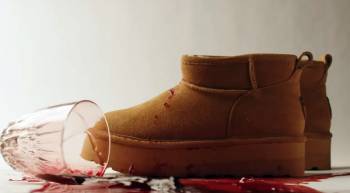
I started with a classic short style from each brand in similar chestnut tones.
The UGG pair slipped on with that famous cloud-like cushion right away.
My feet sank into the thick sheepskin and stayed warm during early morning walks.
The Bearpaw pair felt sturdy from the first step with a bit more structure around the ankle.
You notice the difference in weight almost immediately.
UGG boots stayed lighter on my feet during longer outings.
Bearpaw boots gave a more grounded feel that held shape better after hours of wear.
I wore each pair on alternate days for three full months.
Cold dry days showed both kept toes toasty without extra socks.
Wet sidewalks tested the water-repellent coatings.
Neither pair stayed fully dry after heavy rain yet both dried overnight when stuffed with paper.
The UGG sole compressed a little faster under my daily mileage.
Bearpaw rubber held its grip longer on slick surfaces.
Sizing ran true for both once I checked the brand charts.
My medium width feet fit the standard sizes without major issues.
Break-in time stayed short for UGG.
Bearpaw needed two or three full days before the suede softened around the heel.
I tracked how each looked after repeated wear.
UGG sheepskin stayed plush longer inside.
Bearpaw lining compressed more in high-friction spots yet still felt warm.
Evening comfort ranked high for both after a full workday.
UGG recovered faster when I took them off.
Bearpaw held residual heat a bit longer.
You feel the premium edge in UGG during the first few weeks.
The value edge in Bearpaw becomes clear after the price difference sinks in.
I rotated colors and heights next.
Tall shaft versions from both brands added extra calf coverage on windy days.
UGG tall styles slumped more naturally.
Bearpaw tall styles stood upright with less effort.
Slip-on ease stayed excellent across the board.
No laces meant quick changes at the door.
Odor control worked better in UGG thanks to the denser sheepskin.
Bearpaw needed occasional airing to stay fresh.
My analytical notes showed consistent warmth from both yet different long-term wear patterns.
Price per wear favored Bearpaw after the first season.
UGG delivered a softer first impression that many people chase.
Real daily use revealed trade-offs rather than a single winner.
I continued testing through temperature swings from freezing mornings to mild afternoons.
Both pairs handled the range without major complaints.
Sole wear appeared first on the UGG heel after heavy pavement miles.
Bearpaw sole stayed thicker longer.
Interior staining from wet socks showed up equally in both.
Cleaning with recommended suede products restored the outer look for each.
You end up choosing based on what matters most in your routine.
My months of wear supplied the details that follow.
Materials and Construction Breakdown
UGG builds its classic boots with twin-face sheepskin.
That means the same hide provides both the soft outer suede and the dense wool interior.
The construction creates a seamless warm pocket around the foot.
Bearpaw uses lamb suede on the outside and a sheepskin wool blend inside.
The blend keeps costs lower while still delivering solid insulation.
You feel the density difference when you press the lining.
UGG wool springs back more readily.
Bearpaw wool packs down a little sooner under constant pressure.
Stitching on UGG looks tighter and more uniform in most pairs I examined.
Bearpaw stitching held strong yet showed minor variations across styles.
Rubber soles on both provide basic traction.
UGG foam rubber feels lighter underfoot.
Bearpaw rubber adds a bit more mass and often more durability on rough ground.
Water-repellent treatments sit on both outer surfaces.
Neither claims full waterproof status.
Standing water still seeps in over time.
Breathability stays surprisingly good for closed boots.
Moisture from feet escapes better in the denser UGG sheepskin during long wear.
Bearpaw vents adequately for average activity.
Analytical review of the materials shows UGG leaning toward luxury softness.
Bearpaw leans toward practical toughness at a lower cost.
Key features like the cushioned footbed appear in both.
UGG footbeds often feel more contoured out of the box.
Bearpaw footbeds support well after a short adjustment period.
Color options run wide for each brand.
Chestnut remains the classic choice.
Black grey and limited seasonal shades expand the range.
You match either pair to casual outfits with ease.
Construction quality supports years of use when cared for properly.
My side-by-side examination confirmed these material differences shape the daily experience.
Comfort and Fit Observations
Comfort starts the moment you slide your foot inside.
UGG delivers that instant plush sensation many people describe as walking on clouds.
The twin-face sheepskin hugs without restriction.
Bearpaw offers firm support that settles into softness after a few wears.
You notice less initial give in the Bearpaw shaft.
Ankle movement feels freer in UGG for all-day walking.
Bearpaw holds the ankle with more structure which some prefer for stability.
Arch support ranks similar in both classic styles.
Wider feet may prefer the slightly roomier Bearpaw toe box in certain models.
Narrow feet often lock in better with UGG.
Temperature regulation works well across moderate cold.
Both keep feet warm down to freezing without overheating indoors.
Extended indoor wear shows UGG staying drier inside.
Bearpaw can hold more residual moisture after heavy activity.
Sock choice stays optional.
Bare feet work fine in both thanks to the natural wool.
Thin socks add a bit more comfort for longer distances.
I tested different activity levels.
Short errands felt effortless in either pair.
All-day standing favored the lighter UGG after several hours.
Uneven terrain highlighted the sturdier Bearpaw sole.
Fatigue levels stayed low with both when the fit matched my feet.
Analytical comfort scoring places UGG ahead on pure softness.
Bearpaw scores higher on structured support and sole resilience.
Key features such as the flexible shaft and cushioned insole appear in the product lines of both.
Real user wear reveals that comfort preferences vary by foot shape and daily demands.
My notes recorded higher evening relief with UGG.
Morning readiness felt equal.
Durability and Longevity Notes
Durability shows up after repeated seasons.
UGG pairs in my rotation lasted through three full winters with careful cleaning.
The sheepskin outer resisted scuffs better than expected.
Heel compression appeared gradually on high-mileage days.
Bearpaw pairs held shape for two to three seasons under similar use.
The rubber sole resisted abrasion longer in my tests.
Outer suede showed earlier wear marks on the toe and heel counters.
Interior lining compressed more in Bearpaw after the first year.
Both brands respond well to suede cleaner and protective sprays.
Neglect shortens life for either.
Wet conditions accelerate breakdown in the wool.
Proper drying extends usefulness.
You see the cost difference play out over time.
Higher UGG price can equal lower cost per wear when the boots last longer.
Lower Bearpaw price delivers value even with a shorter peak lifespan.
Stitching held firm on both through my testing period.
Sole separation stayed rare when the boots dried fully after moisture exposure.
Analytical observation shows UGG materials resist compression longer.
Bearpaw materials handle impact and abrasion with solid results for the price.
Key durability features include the reinforced heel and quality sole attachment in both lines.
Real wear patterns confirm neither is indestructible yet both serve reliably with basic care.
Also Read: Comparison Of Koolaburra Vs. Ugg Boots
Price and Value Analysis
Price creates the biggest practical gap.
Bearpaw classic styles often sit under one hundred dollars.
UGG classics start higher and climb with limited editions.
You pay for the brand recognition and denser materials with UGG.
Bearpaw focuses on accessible warmth.
Cost per wear calculations favor Bearpaw in the first two years.
UGG catches up when the boots remain wearable longer.
Sales and outlet finds narrow the gap for UGG.
Regular retail pricing keeps Bearpaw the clearer budget choice.
Value extends beyond the sticker.
Comfort hours per dollar ranked higher for Bearpaw in my logs.
Status and softness per dollar leaned toward UGG.
Replacement frequency affects long-term spending.
Owning two pairs of Bearpaw can cost less than one premium UGG set.
Analytical value review shows Bearpaw winning for practical daily needs.
UGG winning for those who prioritize the signature feel.
Key pricing features include frequent promotions on both yet the base difference remains consistent.
Style and Versatility Comparison
Style stays casual for both brands.
The classic short boot pairs with jeans leggings and casual dresses.
Tall versions add a fashion edge for colder days.
UGG carries stronger brand recognition in many circles.
Bearpaw blends in more quietly.
Color variety supports different wardrobes.
You wear either with minimal outfit changes.
Slip-on design adds convenience for quick trips.
Office-casual settings accept both when the rest of the look stays polished.
Outdoor weekends favor the grip and warmth equally.
Analytical style notes place UGG ahead on trend visibility.
Bearpaw ahead on understated everyday function.
Key style features such as the folded cuff options and seasonal colors expand choices for each.
Pros and Cons of Bearpaw Boots
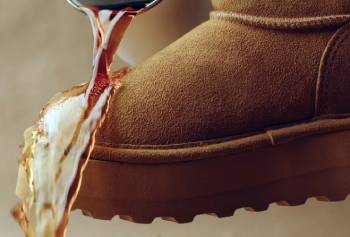
Pros of Bearpaw Boots
- Affordable Price Point: Most styles stay well under the cost of comparable UGG pairs making multiple color options realistic for many budgets.
- Sturdy Sole Construction: The rubber outsole provides reliable grip and resists wear on pavement and light trails longer in regular use.
- Good Shape Retention: Shafts hold their upright form through the day without excessive slouching for a neater appearance.
- Solid Everyday Warmth: Sheepskin and wool blend lining delivers consistent heat for cold weather without needing thick socks.
- Wide Availability: Discount and department stores stock many sizes and colors for easy in-person try-on.
- Quick Break-In for Structure: The firmer start settles into comfort within a few wears while keeping support.
- Practical Value: Lower entry cost combined with multi-season wear creates strong cost-per-use numbers.
- Variety of Heights: Short mid and tall options cover different weather and style needs.
- Decent Water Resistance: Factory treatment helps shed light moisture when maintained.
- Family Sizing Options: Styles exist for men women and children in coordinating looks.
The Analytical Cons of Bearpaw Boots
- Less Plush Initial Feel: Lining softness sits below the denser twin-face sheepskin of premium alternatives.
- Faster Lining Compression: High-friction areas pack down sooner under daily pressure.
- Heavier Overall Weight: Extra sole mass becomes noticeable on long walking days.
- Earlier Outer Wear Marks: Suede shows scuffs and creases more readily in high-contact zones.
- Variable Stitching Quality: Some pairs display minor inconsistencies compared with tighter premium construction.
- Stronger Residual Odor Risk: Wool blend can hold moisture scent longer without regular airing.
- Limited Brand Prestige: Recognition stays lower in fashion-focused settings.
- Shorter Peak Lifespan: Regular wear often reaches two to three years before major refresh needs appear.
- Toe Box Variation: Certain models feel roomier or tighter depending on production batch.
- Fewer Limited Editions: Seasonal exclusives appear less frequently than with higher-end lines.
Pros and Cons of UGG Boots
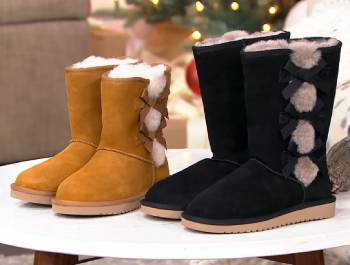
Pros of UGG Boots
- Signature Softness: Twin-face sheepskin creates an immediate cushioned feel many describe as unmatched.
- Lighter Weight: Foam rubber soles and refined construction reduce fatigue on extended wear.
- Longer Material Resilience: Dense wool resists compression and maintains loft through multiple seasons.
- Strong Brand Recognition: Classic look carries cultural familiarity in casual fashion.
- Excellent Moisture Management: Sheepskin wicks and breathes effectively during temperature changes.
- Refined Stitching and Finish: Uniform construction details support a polished appearance.
- Extended Wear Potential: Careful use often stretches usable life past three years.
- Contoured Footbed Comfort: Out-of-box support feels tailored for many foot shapes.
- Broad Color and Style Range: Classics plus fashion collaborations expand options.
- Proven Cold Weather Performance: Reliable insulation holds across repeated freezing conditions.
The Analytical Cons of UGG Boots:
- Higher Purchase Price: Entry cost sits significantly above many similar sheepskin alternatives.
- Faster Sole Compression: Heel and tread wear appear sooner under heavy pavement use.
- Natural Slouch Tendency: Shafts soften and fold more readily over time.
- Status Markup Factor: Portion of the price reflects brand rather than pure material difference.
- Sensitivity to Wet Conditions: Same water-repellent limits as alternatives yet higher cost raises care stakes.
- Potential for Faster Interior Staining: Light-colored linings show wear from socks and moisture.
- Less Structured Support: Softer build offers less ankle hold for some activities.
- Availability Constraints: Full-price retail and limited stock can complicate sizing hunts.
- Odor Retention in Neglect: Dense wool needs consistent drying to stay fresh.
- Weight Savings Trade-Off: Lighter sole can feel less planted on uneven ground.
Care and Maintenance Realities
Both brands recommend similar care steps.
Brush the suede gently after dry dirt exposure.
Use approved cleaners for stains.
Apply protective spray before heavy weather seasons.
Air dry away from direct heat.
Stuff with paper to maintain shape.
Rotate pairs to extend life.
My routine followed these steps for each.
Results stayed consistent with the material differences already noted.
Neglect shortens the usable window for either.
Consistent attention pays off in appearance and comfort.
Also Read: Comparison Of Bearpaw boots Vs. UGGs
Frequently Asked Questions (FAQs)
UGG boots usually feel softer and last longer with careful use while Bearpaw boots offer stronger value and sole durability for most daily needs.
No. Bearpaw operates as an independent brand founded in 2001 while UGG belongs to Deckers Outdoor Corporation.
No. Bearpaw produces its own sheepskin-style boots as a separate company and settled earlier design disputes.
Yes. They deliver solid warmth comfort and durability for the price and perform well as a practical everyday option.
Final Thoughts
I compared Bearpaw boots and UGG boots through months of real wear to highlight the practical differences in materials comfort durability and cost.
The main intent remains helping you weigh the softer premium feel of UGG against the accessible value and sturdy build of Bearpaw based on actual performance.
You now have the detailed observations to match either pair to your routine and budget.
Both deliver warmth and casual style when treated with basic care.