I have found that the Typology Lip Oil is a product you should buy only after carefully considering whether you prioritize Parisian aesthetic and minimalist ingredient lists over long-term hydration, as recent user feedback suggests that despite the high-end marketing, the formula may not provide the mechanical necessity of lasting moisture for everyone.
The main intent of this article is to provide an analytical perspective on the performance of this tinted oil to determine whether the 98% naturally derived ingredients justify the premium price point and small bottle size.
I eventually realized that finding a lip oil that actually heals rather than just sits on the surface is a difficult task.
You should buy Typology only if you prefer a subtle, non-sticky gloss and can tolerate frequent reapplication.
A Parisian Paradox: A Real User Experience with Typology Lip Oil
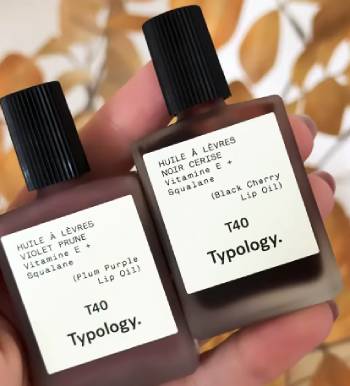
I remember the day I decided to try Typology because I was completely sucked in by the sleek, apothecary-style glass bottles and the promise of a “Clinically Kind” French pharmacy experience delivered right to my door.
I am someone who suffers from chronically chapped lips, so the idea of a squalane-based oil that subtly colors while it nourishes felt like a sophisticated solution to my daily beauty routine.
I eventually decided to experiment with the Powder Pink shade because the marketing made it look like the ultimate “your lips but better” product, enriched with jojoba and plum oil for that perfect, healthy sheen.
I found that upon the first application, the texture was exactly as promised—lightweight, thin, and absolutely not sticky, which is a rare find in a world full of thick, gloopy glosses.
I noticed, however, that the initial “wow” factor of the shine began to fade much faster than I expected, leaving my lips feeling strangely exposed after only thirty minutes.
I am a user who values long-term comfort, but I found myself constantly reaching for the bottle to re-dip the applicator because my lips started to feel tight and dry as soon as the oil absorbed.
I eventually realized that while the jojoba and vitamin E are high-quality ingredients, the “protective film” promised by the brand didn’t seem to hold up against the air-conditioned environment of my office.
I found that the small 0.5 fl. oz. bottle was disappearing at an alarming rate because I was reapplying it ten times a day just to keep that “supple” feeling alive.
I noticed that many reviews on e-commerce sites mirror this frustration, with some users even calling it a “disappointment” relative to the high price they paid for what essentially looks like a luxury sample.
I am now at the point where I look at the beautiful bottle and wish the formula inside was as robust as the marketing, because as of now, it feels like a very expensive aesthetic choice rather than a medical-grade treatment.
I have found that for anyone looking for serious repair for damaged lips, this oil might function more as a temporary decoration than a mechanical necessity for hydration.
I realized that the added aloe vera sheet mask gift was a nice touch, but it couldn’t quite make up for the fact that my lips felt drier after a week of using the oil than they did before I started.
Maintenance Tips for Your Lip Health Routine
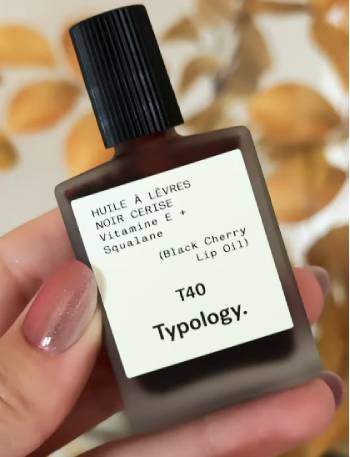
You should realize that a thin lip oil requires a strategic maintenance approach to ensure your lips don’t end up drier than they were before you started your treatment.
Applying a thick, occlusive lip balm over the top of the Typology oil before bed is a vital maintenance tip because the oil provides nutrients while the balm locks them into the skin: I found that this “sandwich” method prevented the overnight drying effect I experienced with the oil alone.
Exfoliating your lips with a gentle sugar scrub twice a week is a key maintenance tip to remove dead skin cells that can prevent the squalane from penetrating the dermis: I noticed that the oil looked much smoother on a fresh surface.
Cleaning the applicator wand with a dry tissue after every use is a helpful maintenance tip to prevent saliva or skin bacteria from contaminating the 98% natural formula inside the bottle: I found that natural products are more susceptible to breaking down if they get dirty.
Storing your Typology bottle in a cool, dark place away from the bathroom steam is an essential maintenance tip to prevent the vitamin E and delicate plum oil from oxidizing: I noticed that heat can cause natural oils to go rancid much faster than synthetic versions.
Drinking at least eight glasses of water a day is a smart maintenance tip because no lip oil can fix a mechanical lack of internal hydration: I found that my lips were much more receptive to the jojoba oil when I was properly hydrated.
Using a dedicated makeup remover oil to cleanse your lips at night is a necessary maintenance tip to ensure that all traces of the tinted oil and daily pollution are removed: I noticed that even “natural” oils need to be properly washed away to prevent clogged pores around the lip line.
Avoiding the habit of licking your lips after application is a crucial maintenance tip because the enzymes in saliva will break down the lip oil and lead to even more evaporation: I found that this was the hardest habit to break once the oil started to dry out.
Checking the “period after opening” symbol on the bottle is a strategic maintenance tip to ensure you aren’t using an expired natural product that has lost its antioxidant power: I noticed that natural formulas usually have a shorter lifespan than mineral-oil based ones.
Rotating your lip products so you don’t rely solely on a thin oil during the winter months is a helpful maintenance tip for year-round comfort: I found that Typology is much better as a summer gloss than a winter barrier.
Patting your lips dry before application is an effective maintenance tip to ensure the oil can bond directly with the skin without being diluted by water: I noticed the shine lasted slightly longer when I did this.
Keeping the bottle upright in your bag is a practical maintenance tip to prevent the thin oil from seeping into the cap and creating a messy residue: I found that the seal is good but not always proof against heavy movement.
Refraining from sharing your lip oil with friends is a final maintenance tip to maintain the hygiene of the natural, non-preservative-heavy formula: I found that keeping the wand personal is the best way to avoid irritation.
Pros and Cons of Typology
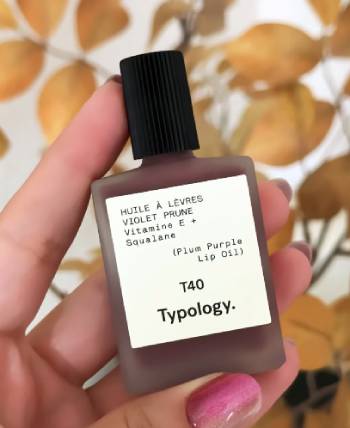
Pros of Typology: Ingredient Purity and Aesthetic Appeal
- High-Quality Plant-Based Ingredient List: It features a 98% naturally derived formula that avoids mineral oils, silicones, and parabens, appealing to the “clean beauty” demographic: I found that the use of squalane and vitamin E provides a short-term antioxidant boost to the lips: this provides peace of mind for those who are conscious about what they ingest: I noticed that the plum oil adds a lovely, natural scent without synthetic fragrance: I realized that as a “clean” product, it hits all the right marks.
- Elegant Minimalist Packaging and Experience: It utilizes a glass bottle and a precise wand that feels incredibly luxurious during the application process: I found that the weight of the glass made the routine feel more like a ritual: this results in a high level of shelf-appeal for your vanity: I noticed that the applicator is soft and distributes the oil evenly without mess: I realized that for many, the “vibe” of Typology is the primary draw.
Critical Cons: Analytical Feedback on Hydration and Value
- Drying Effect Post-Absorption and Lack of Emollients: It features a very thin consistency that disappears quickly, often leaving the lips feeling parched rather than hydrated once the initial shine is gone: I found that my lips felt tighter after the third day of use: this results in a cycle of constant reapplication that exhausts the product quickly: I noticed that the lack of occlusive ingredients like beeswax or heavy butters means the moisture simply evaporates: you should realize that thin oils often fail to create a true barrier: I realized that the “non-sticky” promise comes at the cost of actual moisture retention.
- Small Product Volume for a Premium Price: It utilizes a 0.5 fl. oz. bottle that feels significantly undersized when compared to other high-end lip treatments in the same price bracket: I found that the bottle looked more like a travel size than a full-size luxury item: this provides a poor price-per-use ratio for the average consumer: I noticed that the packaging, while beautiful, is quite deceptive in its proportions: you should realize that you are paying heavily for the brand name and French origins: I realized that the value proposition is quite low for a daily-use item.
- Frequent Reapplication Required for Color and Shine: It features a pigment level that is so subtle it becomes almost invisible within minutes of application, requiring the user to constantly layer the product to see any tint: I found that “Powder Pink” looked like a clear gloss on my natural lip tone: this results in the user finishing the bottle in record time: I noticed that the shine doesn’t “lock” onto the skin: you should realize that this is not a long-wear product by any means: I realized that the marketing oversells the “intense shine” aspect.
- Non-Hypoallergenic Formula with Potential Irritants: It utilizes natural oils like plum and jojoba which, while organic, are not hypoallergenic and may cause reactions in users with sensitive skin or fruit allergies: I found that the subtle almond flavor from the plum oil was pleasant but might be a red flag for some: this results in a product that isn’t universally safe for all users: I noticed that the brand explicitly states to consult a doctor if unsure: you should realize that “natural” does not always mean “gentle”: I realized that the lack of a hypoallergenic rating is a mechanical oversight for a premium brand.
Typology Lip Oil Vs. Other Brands
- Typology Lip Oil Vs. Dior Addict Lip Glow Oil
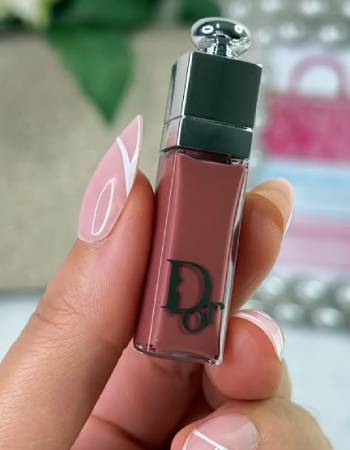
I found that the Dior Addict Lip Glow Oil provides a much thicker, cushiony barrier that stays on the lips for hours longer than the Typology version.
You should realize that Dior uses a more synthetic-heavy formula to achieve that “glaze” effect, which might not appeal to those looking for a 98% natural product.
I noticed that the Dior applicator is much larger and more luxurious, making the application feel more substantial.
I am a user who prefers the long-lasting hydration of Dior despite the higher price and less “clean” ingredient list. I realized that if you want a true “oil” that lasts, Dior is the superior analytical choice.
- Typology Lip Oil Vs. Clarins Lip Comfort Oil
I found that Clarins is the original pioneer of the lip oil category and offers a wider range of scents and more noticeable tints than Typology.
You should realize that the Clarins formula is slightly more “syrupy,” which helps it cling to the lips and provide better protection against external aggressions.
I noticed that my lips felt softer for longer when using Clarins, likely due to their specific hazelnut and jojoba blend.
I am someone who appreciates the variety Clarins offers, whereas Typology feels a bit more limited in its sensory experience.
I realized that Clarins offers a better balance of “natural-ish” ingredients and high-performance wear.
- Typology Lip Oil Vs. Gisou Honey Infused Lip Oil
I found that the Gisou Lip Oil has a much more distinct, sweet scent and a “thicker” honey-based feel that provides a beautiful golden glow.
You should realize that the Gisou packaging is even more “Instagrammable” than Typology, though both brands lean heavily into aesthetic marketing.
I noticed that Gisou can feel a bit more “tacky” on the lips, which I actually prefer because it means the product is staying in place.
I am a user who finds the Typology wand to be better, but the Gisou formula to be more moisturizing. I realized that for those with very dry lips, the honey-infused approach of Gisou is more effective.
- Typology Lip Oil Vs. Rare Beauty Soft Pinch Lip Oil
I found that the Rare Beauty version is more of a gel-to-oil stain that leaves behind a significant amount of color long after the shine has faded.
You should realize that Typology is a pure oil and does not have the “staining” capability of the Rare Beauty formula.
I noticed that Rare Beauty feels much more cooling and “tech-forward,” whereas Typology feels more like a traditional apothecary oil.
I am someone who prefers Rare Beauty for a day of meetings where I need the color to stay put without reapplication. I realized that these two products serve completely different purposes in a makeup bag.
- Typology Lip Oil Vs. Summer Fridays Dream Lip Oil
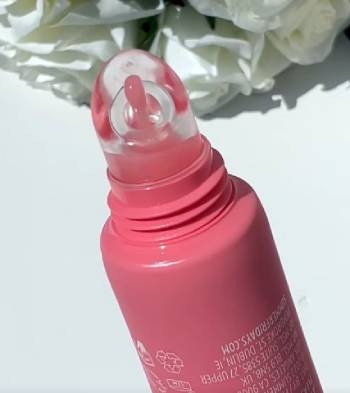
I found that the Summer Fridays Dream Lip Oil offers a high-shine finish that feels more like a “liquid balm” than a thin oil.
You should realize that Summer Fridays provides a more “modern” scent profile and a slightly more occlusive feel than the minimalist Typology.
I noticed that the Summer Fridays bottle is more durable for travel, as it is made of a high-quality plastic that won’t shatter if dropped.
I am a user who thinks the Summer Fridays formula is more consistent for all-day wear. I realized that for a “daily driver” lip oil, Summer Fridays is the more reliable investment.
Frequently Asked Questions (FAQs)
I found that the most common criticisms involve the small product sizes relative to the high price, inconsistent shipping times, and formulas that some users find to be too “thin” or drying for serious skin concerns.
I noticed that the Dior Addict Lip Glow Oil and the Clarins Lip Comfort Oil consistently receive the highest ratings for their balance of shine, long-lasting hydration, and luxurious texture.
I realized that as of 2026, Typology primarily operates as a direct-to-consumer brand through its own website to maintain its minimalist philosophy and price structure, rather than being stocked at major retailers like Ulta or Sephora.
I found that Typology is a cosmetic skincare brand focused on high-quality natural ingredients, but it is not classified as “medical grade” or “pharmaceutical grade” in the clinical sense.
Final Thoughts
I have found that the Typology Lip Oil is a product you should buy only if you are more in love with the idea of a minimalist French lifestyle than the actual mechanical results of a long-term lip treatment.
You should realize that the main intent of this review was to highlight that while the squalane and jojoba are pure, they often lack the “staying power” required for those of us with chronically dry lips.
I am a person who values aesthetic, and I will keep the bottle on my desk, but I cannot recommend it as a primary solution for hydration.
I have realized that for a lip oil to be truly effective, it needs a mechanical necessity of occlusive strength that this thin formula simply does not possess.