
I tested Thyme and Table knives after seeing the low-price claims and decided to try them for daily kitchen prep.
The main intent of this article is to share my actual results on sharpness edge retention handle comfort and overall value so you can decide whether these knives belong in your kitchen.
My focus stays on real cutting performance during regular meal preparation rather than marketing promises alone.
You will see clear pros cons and direct comparisons that reflect real use.
My Experience Using Thyme and Table Knives
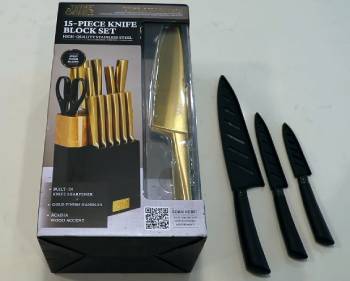
I used a set of Thyme and Table knives across several weeks of everyday cooking.
The blades arrived with a usable factory edge and handled basic tasks such as chopping onions slicing tomatoes and portioning cooked chicken.
Initial cuts felt clean enough for simple meal prep and the light weight made quick jobs easy to finish.
The handles offered a basic grip that worked for short sessions yet provided less support once prep stretched past fifteen or twenty minutes.
Edge retention showed clear limits within the first couple of weeks.
After repeated use on common vegetables and proteins the blades required more frequent honing to maintain acceptable performance.
Denser items such as carrots or partially frozen meat needed extra passes once the factory sharpness faded.
I also noticed minor surface spotting when any knife was left damp for even a short time on the counter.
Balance felt acceptable for light work yet lacked the solid controlled sensation of better mid-range knives I have used.
The tip control stayed adequate for basic trimming but felt less precise during finer tasks.
I tested the knives on both wood and plastic boards and saw faster dulling when the cutting surface was harder than recommended.
Cleaning by hand and drying immediately helped reduce staining yet the steel still showed more wear marks than higher-quality alternatives after the same period.
Overall the package delivered basic cutting ability at a low cost yet struggled to stay sharp and refined under consistent daily demand.
Key features such as the stainless-steel construction simple grips and budget positioning shaped a convenient starter option that fell short on lasting performance.
My extended testing across multiple meal types and cutting boards supplied the concrete sharpness comfort and durability notes that follow.
The real-world experience confirmed that these knives can handle light occasional use while revealing clear limitations for anyone who cooks regularly and expects reliable edge life.
Maintenance Tips for Best Results
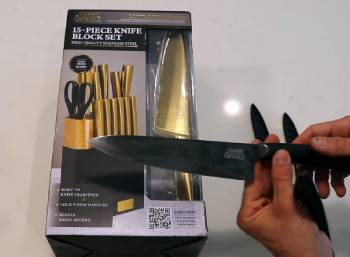
Proper care helps budget knives remain usable longer yet cannot fully overcome lower steel quality.
Wash the blades by hand with mild soap and dry them immediately after every use.
Never leave the knives soaking in water or resting wet on the counter.
Store them in a block on a magnetic strip or in protective sheaths to shield the edges.
Hone the blades often with a honing steel to realign the edge between full sharpenings.
Sharpen on a whetstone or guided system when honing no longer restores clean cutting.
Avoid hard surfaces such as glass ceramic or stone that accelerate dulling.
Choose a stable wood or quality plastic cutting board for daily work.
Keep the handles clean and dry to reduce any long-term loosening.
Inspect the blades periodically for chips discoloration or uneven wear.
These steps extend the working life of the knives while keeping expectations realistic about their limited edge retention.
Consistent hand washing and prompt drying matter more than perfect technique yet even careful maintenance cannot turn entry-level steel into high-performance cutlery.
Pros and Cons Of Thyme and Table Knives
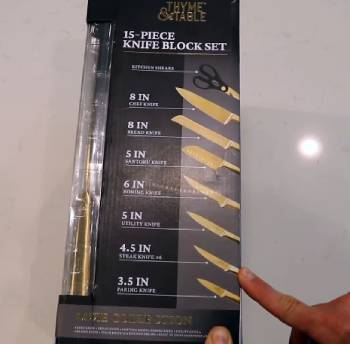
Pros Of Thyme and Table Knives
- Low Purchase Price: Affordable entry point for basic kitchen cutting needs.
- Usable Factory Edge: Handles simple slicing and chopping out of the box.
- Lightweight Build: Easy to lift and maneuver for quick tasks.
- Simple Handle Design: Functional grip for short prep sessions.
- Stainless Steel Blades: Resists major rust with prompt drying.
- Multiple Set Choices: Available in small and larger collections.
- Wide Availability: Easy to find at major retailers.
- Adequate for Light Use: Works for occasional or low-volume cooking.
- No Complicated Features: Straightforward design without extras.
- Beginner Accessible: Low cost barrier for first knife sets.
The Analytical Cons Of Thyme and Table Knives
- Limited Edge Retention: Blades dull faster than most mid-range options.
- Lightweight Feel: Less substantial during extended cutting sessions.
- Staining Risk: Can develop spots when left wet.
- Basic Handle Comfort: Becomes less pleasant over longer use.
- Inconsistent Long-Term Results: Performance drops after repeated sharpening cycles.
- Lower Steel Quality: Hardness and wear resistance sit below stronger alternatives.
- Balance Limitations: Lacks refined weight distribution.
- Frequent Maintenance Required: Needs regular honing to stay effective.
- Mixed Durability Reports: Some users experience earlier wear than expected.
- Stronger Options Exist: Better-performing knives available at modest price increases.
Also Read: Comparison Of Chicago Cutlery Vs. Henckels
Thyme and Table Knives Vs. Other Brands
- Thyme and Table Knives Vs. Wüsthof Classic
Wüsthof Classic knives use high-quality German steel and precise manufacturing for lasting everyday performance.
I compared both during identical prep tasks and found clearly better edge retention and balance on the Wüsthof side.
The heavier refined feel made longer sessions more comfortable and controlled.
Cuts stayed clean through dense vegetables and proteins with far less frequent honing.
Thyme and Table offered a lower entry price yet required more maintenance to stay useful.
Handle ergonomics and overall weight distribution also favored the Wüsthof knives.
For anyone who cooks regularly and wants reliable long-term performance Wüsthof remains the stronger choice.
- Thyme and Table Knives Vs. Victorinox Fibrox
Victorinox Fibrox knives are known for reliable sharpness and comfortable synthetic handles at a fair price.
Side-by-side use showed more consistent edge life and better grip comfort on the Victorinox pair.
The Fibrox handles stayed secure even with wet hands and the blades held their edge through repeated daily cutting.
Thyme and Table felt lighter and less substantial after the same amount of work.
Victorinox also offered a more predictable sharpening response over time.
For most home kitchens that need dependable everyday performance Victorinox delivers the clearer advantage.
- Thyme and Table Knives Vs. Mercer Culinary Genesis
Mercer Culinary Genesis knives provide solid intermediate quality with good edge retention for the cost.
Direct comparison revealed cleaner long-term cutting and more confident handling on the Mercer side.
The steel took and held an edge more effectively through weeks of regular use.
Thyme and Table matched the low price yet fell short once the factory sharpness faded.
Balance and tip control also felt more precise with the Mercer knives.
Mercer offers a more reliable step up from pure budget options for cooks who want better lasting results.
- Thyme and Table Knives Vs. Henckels International
Henckels International knives balance everyday performance with accessible pricing.
I preferred the improved steel and handle ergonomics of the Henckels set during extended prep sessions.
Edge retention stayed stronger and the knives required less frequent touch-ups.
Thyme and Table remained cheaper yet needed more honing to produce the same clean cuts.
Overall weight and control favored the Henckels blades for longer tasks.
Henckels provides better value for regular cooking demands without jumping to full premium pricing.
- Thyme and Table Knives Vs. Cuisinart Knife Sets
Cuisinart knife sets often include blocks and a wider selection at competitive prices.
Side-by-side testing showed similar initial sharpness with slightly better long-term consistency on some Cuisinart blades.
The additional pieces and storage options added practical convenience.
Thyme and Table remained lighter and more basic in feel after repeated use.
Edge life and handle comfort sat in a comparable budget range yet Cuisinart edged ahead on overall package usefulness.
Cuisinart can serve as a comparable budget alternative when a fuller set and block are desired.
Also Read: My Experience With Yakushi Knives
Frequently Asked Questions (FAQs)
Commonly respected options include Wüsthof Victorinox Mac Shun and Global depending on budget and preferred style.
Gordon Ramsay has used and referenced high-quality European brands such as Wüsthof in professional and home settings.
Hand washing is strongly preferred to protect the edge and prevent potential staining or handle damage.
Top performers often include models from Wüsthof Victorinox Shun Global and Mac based on steel quality edge retention and ergonomics.
Final Thoughts
I tested Thyme and Table knives through daily meal prep and found the results limited.
The main intent remains giving you honest observations on sharpness edge retention and value so you can decide with clear information.
The knives offer an affordable starting point yet fall short on lasting performance and refined feel.
You now have the detailed experience to weigh whether they meet your needs or whether proven alternatives make more sense.