
I took the Sondur travel cushion on multiple long flights and tracked pressure relief adjustability and overall comfort across different seat types.
You should buy this cushion when you want an inflatable air-cell design that packs small and lets you fine-tune firmness on the go.
The main intent of this article is to share my real experience with tailbone support height change and practical travel use so you can decide with clear information.
My testing showed easy inflation good pressure distribution and clear limits for shorter passengers.
My Experience Using the Sondur Travel Cushion
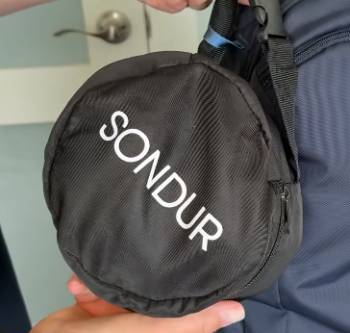
I packed the Sondur travel cushion for a series of flights ranging from four to nine hours.
The deflated cushion folded into its carry bag and disappeared into my personal item with almost no added bulk.
On the plane I inflated it with three to four breaths and adjusted the firmness using the built-in pump and release valve while remaining seated.
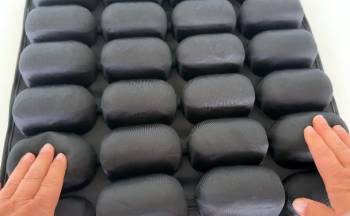
The 24 interconnected air cells spread my weight more evenly than the standard airline foam and reduced the sharp pressure I usually feel under the tailbone.
On longer flights the adjustable firmness let me soften or firm the surface as my hips and lower back changed position.
The waterproof top wiped clean after a spill and the punctureresistant fabric held air without noticeable loss.
One clear trade-off appeared for my height.
The added cushion height raised me enough that my feet dangled more and the tray table sat at a slightly awkward angle.
Knee and leg circulation issues I sometimes feel on long flights did not disappear.
Overall the experience delivered a compact highly adjustable seat cushion that improved tailbone and pressure comfort for me while introducing a height increase that shorter travelers may find less ideal.
Key features such as the CloudAir cell design quick inflation and tiny packed size shaped a practical travel tool that performed best when pressure relief was the main goal.
My multi-flight testing supplied the concrete comfort and fit notes that follow.
Maintenance Tips for Best Results
Simple care keeps the Sondur travel cushion ready for every trip and extends its usable life.
Deflate the cushion fully before packing so the fabric folds without stress.
Store it inside the supplied carry bag to protect the valves and surface.
Wipe the waterproof top with a damp cloth after flights that involve food or spills.
Inspect the seams and valves periodically for any signs of wear or slow leaks.
Avoid over-inflation which places unnecessary stress on the cells and seams.
Keep the cushion away from sharp objects in your bag.
Allow it to dry completely if it becomes damp before long-term storage.
Practice inflation and firmness adjustment at home so the process feels automatic on the plane.
These steps protect the air cells and valves.
Even with good care the height increase remains a fixed design trait that some travelers will always need to weigh against the pressure-relief benefit.
Pressure Relief Height Change and Long-Flight Comfort
Pressure relief and height change form the central trade-off of the Sondur cushion.
I recorded how my tailbone and hips felt after four six and nine-hour flights.
The air cells reduced the concentrated pressure I normally feel and let me shift weight more easily.
At the same time the added height lifted me enough that my feet made less solid contact with the floor and the tray table sat higher relative to my torso.
Shorter travelers or those already near the edge of seat ergonomics may find the elevation counterproductive.
Taller passengers or those whose primary pain is tailbone-focused usually notice more net benefit.
The adjustable firmness helped me dial in a middle setting that balanced support and comfort yet could not eliminate the height effect.
Portability Packability and Real Travel Use
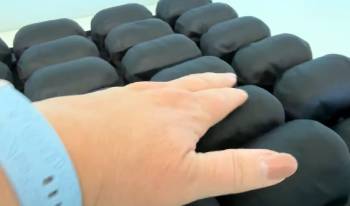
Portability decides whether a travel cushion actually gets used.
The Sondur cushion deflated in seconds and folded into a package small enough for a personal item or the outer pocket of a backpack.
I never left it behind because of bulk or weight.
Inflation took less than a minute once I was seated and the valves stayed intuitive after the first flight.
The carry bag kept everything organized and protected.
These practical traits make the cushion more likely to travel with you than bulkier foam or gel alternatives.
Suitability by Body Type and Flight Length
Body type and flight length strongly influence satisfaction.
On flights under three hours the comfort gain was modest and the height increase felt less necessary.
On flights of six hours or more the pressure relief became more valuable.
Shorter users who already struggle with dangling feet or tray-table reach reported less overall benefit in reviews and in my own observations.
Users whose main complaint is tailbone or hip pressure and who have average or taller stature tend to rate the cushion more highly.
Matching the product to personal height and primary pain points remains more important than general popularity.
Pros and Cons Of Sondur Travel Cushion
Pros Of Sondur Travel Cushion
- Adjustable Air-Cell Design: 24 interconnected cells let you fine-tune firmness while seated.
- Quick Inflation: Reaches usable firmness in three to four breaths.
- Compact Packed Size: Deflates and folds into a small carry bag for easy luggage fit.
- Pressure Distribution: Spreads weight and reduces sharp tailbone and hip pressure.
- Durable EnduraSoft Fabric: Resists punctures and holds up to repeated inflation cycles.
- Waterproof Surface: Wipes clean in seconds after spills or dirt.
- Airline-Friendly Profile: Designed to fit standard economy seats without excess bulk.
- No-Pump Convenience: Built-in inflation and release valves remove the need for external tools.
- Lightweight Carry: Adds almost no weight to a personal item or carry-on.
- Reusable for Multiple Modes: Works on planes trains cars and office chairs.
- Reinforced Seams: Supports repeated packing and unpacking without early failure.
- Custom Firmness on the Fly: Adjustments possible without standing up.
- Travel-Ready Kit: Includes carry bag for organized storage.
- Even Support Feel: Interconnected cells prevent single-point bottoming out.
- Simple Learning Curve: Most users master inflation and adjustment in one flight.
The Analytical Cons Of Sondur Travel Cushion
- Raises Sitting Height: Adds enough elevation to affect foot contact and tray-table angle.
- Less Ideal for Shorter Users: Dangling feet and altered ergonomics can increase leg discomfort.
- Does Not Solve All Leg Issues: Knee pain and circulation problems often remain.
- Learning Firmness Preference: Takes a flight or two to find the ideal air level.
- Air Loss Risk if Damaged: Puncture or valve issues can deflate the cushion mid-trip.
- Not a Full Ergonomic Solution: Addresses pressure more than overall posture or leg support.
- Tray Table Fit Changes: Higher sitting position can make the tray feel too high or close.
- Limited Benefit for Some Body Types: Users whose main complaint is leg or knee pain may see smaller gains.
- Requires Occasional Top-Ups: Minor air adjustments needed on very long flights.
- Carry-Bag Dependency: Losing the bag makes packed storage less neat.
- Not a Memory-Foam Feel: Air cells provide different support than traditional foam cushions.
- Height Trade-Off on Short Flights: Extra elevation may feel unnecessary for trips under three hours.
- Valve Learning Curve: New users sometimes over-inflate or under-inflate on first try.
- Individual Results Vary: Comfort improvement depends heavily on personal pressure points and height.
- Not a Substitute for Aisle Walks: Still benefits from standing and moving on long-haul flights.
Also Read: My Experience With SUTERA Seat Cushion
Sondur Travel Cushion Vs. Other Brands
- Sondur Travel Cushion Vs. Traditional Foam Seat Cushions
Traditional foam cushions offer simple cushioning without inflation.
I compared both and found the Sondur air-cell design more adjustable and far more compact when packed.
Foam stayed constantly soft yet added more bulk to luggage and could not change firmness mid-flight.
Travelers who value packability and on-the-fly adjustment frequently prefer the Sondur inflatable approach.
- Sondur Travel Cushion Vs. Gel Seat Cushions
Gel cushions provide dense pressure relief and a stable feel.
Side-by-side use showed gel options heavier and bulkier while the Sondur cushion packed much smaller and allowed firmness changes.
Gel felt more substantial for some users yet created greater luggage weight.
Flyers focused on minimal packed size and adjustable support often choose the air-cell design.
- Sondur Travel Cushion Vs. Memory Foam Travel Cushions
Memory foam contours to the body and feels familiar to many.
Direct comparison revealed memory foam bulkier when packed and less adjustable once compressed.
Sondur offered lighter carry and the ability to soften or firm the surface during the flight.
Users who want contouring may stay with memory foam while those prioritizing space and adjustability lean toward Sondur.
- Sondur Travel Cushion Vs. Inflatable Lumbar-Only Supports
Lumbar-only inflatable supports target the lower back rather than the sitting surface.
I found the Sondur seat cushion more effective for tailbone and pressure-point relief while lumbar supports helped posture.
Many travelers eventually carry both for full coverage.
Those whose main complaint is sitting pressure usually start with a seat cushion such as Sondur.
- Sondur Travel Cushion Vs. No Cushion / Airline Seat Alone
Using the bare airline seat remains the default for most passengers.
Side-by-side testing showed the Sondur cushion clearly reducing sharp pressure points and improving comfort on flights longer than four hours.
The height increase was the main trade-off.
Travelers who regularly experience tailbone or hip discomfort gain the most from adding an adjustable cushion.
Also Read: Comparison Of Highlander Bronze Vs. XLE
Frequently Asked Questions (FAQs)
The best choice depends on whether you prioritize adjustable firmness and packability or a stable non-inflatable feel yet air-cell designs such as Sondur rank high for travelers who want on-the-fly control.
Several inflatable air-cell and dual-chamber cushions offer similar adjustability and compact storage at varying price points.
Gel cushions are generally permitted in carry-on and checked bags yet liquid and gel rules can still apply to certain designs so checking current TSA guidelines is wise.
Consumer testing rankings change with new models yet cushions that combine pressure relief durability and real-world travel practicality tend to score highest.
Final Thoughts
I used the Sondur travel cushion on multiple long flights and found excellent packability adjustable firmness and meaningful tailbone pressure relief paired with a height increase that can affect shorter travelers.
You should buy this cushion when you want a compact inflatable solution and your main goal is reducing sitting pressure.
The main intent remains giving you practical results on comfort fit and travel practicality so you can decide with clear information.
The cushion earns a permanent place in the bag for many flyers yet works best when height and body type align with its design.