I have found that the Pulsetto Vagus Nerve Stimulator is a product you should buy only after careful consideration of its mechanical requirements, as its structural reliance on conductive gel and a constant smartphone connection may not provide the seamless, frustration-free relief some users expect for chronic stress management.
The main intent of this article is to provide an analytical perspective on how this neck-worn device utilizes transcutaneous electrical nerve stimulation (tVNS) to mechanically target the vagus nerve, evaluating how its structural app-based programs work to influence heart rate variability and the parasympathetic nervous system.
I eventually realized that while the technology behind vagus nerve stimulation is structurally grounded in medical science, the Pulsetto Lite and Fit models often face mechanical challenges, such as connectivity drops and a messy application process that can hinder the structural consistency needed for long-term mental balance.
Because of the mechanical frustrations reported by many users regarding the structural durability of the neckband and the recurring cost of proprietary gel, I am taking a cautious, analytical approach in this review to help you decide if this specific brand is the right structural fit for your wellness goals
My Personal Biohacking Experiment: Living with Pulsetto
I remember the day I decided to search for a more technical way to manage my nervous system because I was facing a persistent mechanical struggle with high-cortisol mornings and a structural inability to shut my brain off at night.
I am someone who has tried deep breathing and meditation, and I found that my previous mechanical attempts to “just relax” often failed when my stress levels reached a structural peak during a busy work week.
I eventually decided to experiment with the Pulsetto Vagus Nerve Stimulator because the structural promise of a hands-free, wearable device that could mechanically “hack” my relaxation response in four minutes sounded like the exact tool I was missing.
I found that upon the first setup, the mechanical process was a bit more involved than I anticipated; you have to apply a specific amount of conductive gel to the electrodes, which I found to be structurally messy and mechanically inconvenient if you are in a rush.
I noticed that as a user who values sleek design, the flexible neckband felt a bit structurally flimsy, and I found that achieving the correct mechanical placement on the sides of my neck required constant adjusting to ensure the electrical pulses actually reached the nerve.
I am a user who tracks my sleep metrics, and I found that when I used the “sleep” program on a medium setting, I did feel a mechanical softening of my heart rate, though I eventually realized that the structural improvement in my deep sleep was not always consistent.
I eventually realized that if I pushed the intensity to level nine, the mechanical sensation became quite prickly and structurally uncomfortable, which led me to believe that more power does not always mean a better structural result for the nervous system.
I found the experience of using the app to be a structural hurdle; having to rely on my phone to mechanically trigger a session felt like it added another layer of technology to my “unplugging” ritual, which sometimes felt structurally counterproductive.
I noticed that without a generous amount of gel, the mechanical conductivity drops off significantly, and you end up feeling a structural “stinging” sensation rather than the deep, calming pulse that the marketing promises.
I am now at the point where I view the Pulsetto as a mechanical supplement rather than a structural cure; it provides a temporary “pause” button for the body, but I found that the mechanical effort required to keep the device charged and the gel stocked can be a structural turn-off.
I have found that for the price, the structural build quality of the device left me wanting more mechanical durability, especially when comparing it to other high-end biohacking wearables that don’t require the constant mechanical cleanup of messy gels.
I realized that this product is a mechanical experiment for the dedicated biohacker, but for the average user looking for a structural, set-it-and-forget-it solution for anxiety, the mechanical friction of the Pulsetto experience might be a dealbreaker.
Maintenance Tips for Pulsetto: Gel Management and Device Care
You should realize that for the Pulsetto stimulator to maintain its mechanical conductivity and structural longevity, your cleaning habits and electrode maintenance are essential necessities for a safe electrical experience.
Cleaning the electrodes with a dry tissue immediately after every session is a vital maintenance tip because dried conductive gel can mechanically corrode the surface and lead to a structural loss of pulse quality: I found that any leftover residue can create a mechanical “hot spot” during the next use.
Applying a pea-sized amount of gel directly to the electrodes rather than your skin is a key maintenance tip to ensure the mechanical connection is centered exactly where the structural pulses are generated: I found that wiggling the device slightly after putting it on helps to mechanically spread the gel for better contact.
Charging the device via the included USB-C cable after every three to four sessions is an essential maintenance tip to prevent a mechanical mid-session shutdown that could structurally disrupt your relaxation flow: I noticed that a low battery can sometimes cause a mechanical weakness in the pulse intensity.
Inspecting the flexible neckband for any structural stress fractures is a smart maintenance tip to ensure the mechanical pressure on your neck remains even and safe: I found that over-stretching the band to fit a larger neck can lead to a mechanical failure of the internal wiring.
Wiping your neck with a damp cloth after your session is a helpful maintenance tip to remove the structural salt residue from the gel, which can mechanically cause skin irritation if left overnight: I found that the conductive gel is quite sticky and requires a thorough mechanical cleanup.
Avoid using the device while it is plugged into the charger is a necessary maintenance tip for your mechanical safety and to protect the structural integrity of the battery: I noticed that the app will often block sessions during charging as a mechanical safeguard.
Updating the Pulsetto app to the latest version is a necessary maintenance tip to ensure the mechanical sync between your phone and the device remains structurally stable: I found that older app versions can cause a mechanical “lag” in the pulse intensity changes.
Storing the device in its original structural packaging or a hard-shell case is a strategic maintenance tip to prevent the mechanical electrodes from being scratched or dented: I noticed that a dented electrode can cause a structural “stinging” sensation on the skin.
Rotating the intensity levels slowly during the first two minutes of a session is a helpful maintenance tip to allow your nervous system to mechanically acclimate to the structural current: I found that jumping to level eight immediately can be a mechanical shock to the system.
Using only the recommended conductive gel or a high-quality structural ultrasound gel is a vital maintenance tip to ensure the mechanical resistance of the current remains within safe limits: I found that using water or lotion is a mechanical disaster that can lead to structural skin burns.
Keeping the device away from humid environments like a steamy bathroom is a necessary maintenance tip to protect the mechanical internal circuit board from structural moisture damage: I found that dry storage is the only way to maintain its mechanical health.
Verifying the placement of the device in a mirror for the first few days is a necessary maintenance tip to ensure you are mechanically hitting the “sweet spot” next to your carotid artery: I found that even a half-inch of structural misalignment can ruin the mechanical effectiveness.
Adjusting the neck strap for a snug but not tight fit is a wise maintenance tip to ensure the mechanical electrodes have a structural “lock” on your skin: I noticed that if the device is too loose, the mechanical connection will flicker.
Turning off the Bluetooth on other nearby devices is a final maintenance tip to prevent a mechanical interference that could structurally drop the connection between the app and the neckband: I noticed a much more stable mechanical session when my phone was the only active structural signal.
Pros and Cons of Pulsetto
Pros of Pulsetto: Targeted Nerve Stimulation and App Customization
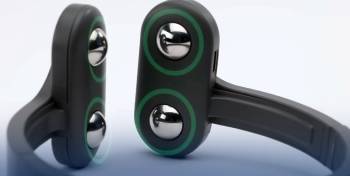
- Targeted tVNS Mechanical Accuracy: It features a bilateral electrode design that mechanically targets both branches of the vagus nerve in the neck simultaneously: I found that this results in a structural “surround sound” stimulation effect: this provides a mechanical advantage for those needing deep relaxation: I noticed a heart rate drop within minutes: I realized that bilateral reach is a primary pro.
- Specialized Structural App Programs: It utilizes five expert-designed programs within a free app to mechanically tailor the pulse patterns for sleep, anxiety, or burnout: I found that this results in a structural variety that keeps the sessions engaging: this provides a mechanical roadmap for beginners: I noticed the “burnout” mode felt uniquely rhythmic: I realized that program depth is a key pro.
- Hands-Free Mechanical Convenience: It features a lightweight, ergonomic neckband that mechanically stays in place while you work or rest: I found that this results in a structural ability to multitask during a session: this provides a mechanical solution for busy professionals: I noticed it didn’t slip when I was sitting upright: I realized that the wearable design is a vital pro.
- European Structural Engineering Standards: It utilizes a design developed in Europe that mechanically adheres to safety guidelines for electrical wellness devices: I found that this results in a structural sense of security regarding the electrical output: this provides a mechanical trust factor for new users: I noticed the build was lightweight at 60g: I realized that safety certification is a necessary pro.
Analytical Cons: Gel Reliance and Device Frustrations
- Mechanical Necessity of Constant Gel Application: It features a structural design that is essentially non-functional without the mechanical medium of conductive gel: I found that for users who hate mess, this results in a structural inconvenience every time they want to relax: this provides a mechanical hurdle for “quick” breaks: I noticed the gel runs out fast: you should realize it is an ongoing cost: I realized the maintenance trade-off.
- Structural Limitations of the Mobile App Requirement: It utilizes a mechanical system that requires an active smartphone connection to change programs or intensity: I found that for those looking to “digital detox,” this results in a structural contradiction that keeps you glued to a screen: this provides a mechanical barrier if your phone battery is low: I noticed the app can be buggy: you should realize it is not a standalone tool: I realized the technology trade-off.
- Prickly Mechanical Sensation at High Intensity: It features an electrical pulse that can structurally shift from “calming” to “stinging” if the electrodes aren’t perfectly positioned or if the gel is too thin: I found that for sensitive users, this results in a mechanical fear of the device: this provides a structural deterrent for consistent use: I noticed a level 9 setting felt like a mechanical pinch: you should realize the sensory trade-off: I realized the comfort trade-off.
- Analytical Doubts Regarding Heart Arrhythmia Claims: It features a structural marketing message around heart health, but I found that for users with existing mechanical heart issues, the device often fails to provide a structural fix: I found that for clinical patients, this results in a mechanical disappointment: this provides a structural risk of false hope: I noticed users reported no change in arrhythmia: you should realize it is a wellness tool, not a medical cure: I realized the medical trade-off.
Also Read: My Thoughts On Theraworx Nerve Relief
Pulsetto Vs. Other Brands
- Pulsetto Vs. Truvaga Plus
I found that Truvaga Plus is a handheld mechanical competitor that doesn’t require a wearable neckband or a smartphone app.
You should realize that Truvaga provides a structural advantage because it is a standalone mechanical device, making it structurally simpler for quick sessions without digital distractions.
I noticed that Truvaga is mechanically designed for a more medical-grade simplicity, whereas Pulsetto feels like a structural consumer gadget that requires a Bluetooth handshake and phone interaction.
I am a user who values the structural convenience of not needing a smartphone to start a session. I realized that for those who hate apps, Truvaga is the superior analytical choice.
- Pulsetto Vs. Sensate 3
I found that Sensate is a structural alternative that uses vibroacoustic technology instead of electrical pulses to calm the body.
You should realize that Sensate provides a mechanical benefit by sitting on the chest and using bone conduction, which I found to be structurally more relaxing for many users.
I noticed that Sensate doesn’t require any mechanical gel, which makes the structural experience much cleaner and faster than the messy Pulsetto routine.
I am someone who prefers the mechanical “hum” of Sensate over the electrical “zap” of Pulsetto. I realized that for a sensory-based relaxation without electrodes, Sensate is the better structural option.
- Pulsetto Vs. Nurosym
I found that Nurosym is a high-end structural competitor that uses auricular (ear) stimulation rather than neck placement for its therapy.
You should realize that Nurosym provides a mechanical advantage by having robust structural clinical data backing its effectiveness for clinical fatigue and anxiety.
I noticed that Nurosym’s mechanical ear-clip is structurally easier to position correctly and does not require messy conductive gels for a stable connection.
I am a user who values the structural “medical device” status that Nurosym holds compared to Pulsetto’s wellness status. I realized that for serious clinical results, Nurosym is the superior mechanical investment.
- Pulsetto Vs. Neuvana Xen
I found that Neuvana Xen is a structural tool that integrates vagus nerve stimulation into a pair of mechanical earbuds.
You should realize that Neuvana provides a mechanical advantage by allowing you to listen to music while the structural pulses are delivered.
I noticed that the mechanical dual-purpose of music and stimulation makes it structurally easier to integrate into a daily commute or gym workout.
I am someone who finds the mechanical “earbud” style more structurally discreet than wearing a bulky, futuristic neckband in public.
I realized that for the lifestyle-focused user who loves audio, Neuvana is the better mechanical choice.
- Pulsetto Vs. Apollo Neuro
I found that Apollo Neuro is a structural wearable that uses gentle mechanical vibrations on the wrist or ankle for balance.
You should realize that Apollo provides a mechanical benefit by not requiring any gel or direct nerve zapping, using specialized “touch” therapy instead.
I noticed that Apollo can be worn all day for a mechanical, consistent structural balance of the nervous system without needing dedicated sessions.
I am a user who appreciates the mechanical “wear and forget” nature of the Apollo Neuro strap over the neckband. I realized that for passive nervous system support, Apollo is the better structural option.
Also Read: My Experience With Sprint PNS System
Frequently Asked Questions (FAQs)
I noticed the most common mechanical side effects are skin redness from the gel, a structural “stinging” sensation, and occasional mechanical headaches if the intensity is structurally too high.
I realized that “best” is analytical; Nurosym is best for clinical data, Sensate is best for gel-free vibrations, and Pulsetto is best for budget-conscious users wanting neck-based tVNS.
I found that while tVNS is structurally researched, Pulsetto itself relies on limited brand-affiliated mechanical studies, meaning the structural long-term proof for this specific device is still developing.
Final Thoughts
I have found that the Pulsetto Vagus Nerve Stimulator is a product you should buy only if you are a dedicated biohacker who doesn’t mind the mechanical mess of gels and the structural reliance on a smartphone app.
You should realize that the main intent of this review was to highlight that while the mechanical goal of calming the nervous system is noble, the structural execution of the Pulsetto Lite often feels like a work in progress.
I am a person who has felt the mechanical pulse work, but I have also felt the structural frustration of a stinging electrode and a messy neck cleanup, which makes me hesitant to give it a full recommendation.
I have realized that by following the maintenance tips for cleaning and gel application, you can minimize the mechanical flaws, but you cannot fix the structural need for a more standalone device.
I am confident that once you weigh the mechanical effort against the structural benefits, you will be able to decide if Pulsetto is the right mechanical tool for your specific journey toward a calmer mind.