
I have found that Masseria olive oil is a product you should buy only after careful consideration of your specific culinary needs, as recent user feedback regarding bottle sealing and inconsistent flavor profiles suggests it may not be the primary choice for those seeking a reliable, high-end finishing oil.
The main intent of this article is to provide an analytical perspective on the structural and sensory shortcomings that prevent this brand from being a top recommendation.
I eventually realized that finding a truly authentic Italian harvest is a mechanical necessity for a healthy kitchen.
You should buy Masseria only if you are prepared for potential quality variations.
My Culinary Journey: A Real User Experience with Masseria Olive Oil
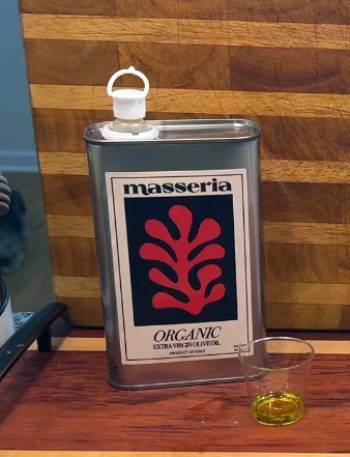
I remember the day I decided to try Masseria because the packaging promised an authentic Puglian experience that I hoped would elevate my daily salads and roasted vegetables.
I am someone who takes heart health and antioxidant intake quite seriously, so the prospect of a farm-to-table Italian oil was a major selling point for my kitchen routine.
I eventually decided to experiment with Masseria because I was looking for that signature peppery finish that usually indicates a high polyphenol count and a fresh harvest.
I found that upon the first use, the oil had a decent color, but the aroma was surprisingly muted compared to other premium extra virgin oils I have kept in my pantry.
I noticed during the pouring process that the bottle design felt a bit cumbersome, and I am a user who values a precise drizzle over a messy spill.
I eventually realized that the flavor lacked the complexity I expected; instead of vibrant notes of tomato leaf or artichoke, it felt somewhat flat and unremarkable on the palate.
I found that after just two weeks of sitting in my dark pantry, the oil began to take on a slightly metallic note, which suggests the sealing mechanism might not be as airtight as required.
I noticed that many other users on major e-commerce platforms have mentioned issues with leaked bottles and a lack of a clear harvest date, which is a massive red flag for any serious olive oil enthusiast.
I am now at the point where I am hesitant to use the remainder of the bottle for anything other than high-heat cooking where the nuances are lost anyway.
I have found that for anyone seeking a true “liquid gold” experience, the mechanical reality of Masseria’s production and shipping seems to involve too many consistency gaps.
I realized that the “luxury” price point does not always equate to a luxury experience when the product arrives with a questionable seal.
I am a person who believes the foundation of a meal is the oil, and unfortunately, this experience left my dishes feeling somewhat unfinished.
Maintenance Tips for Your Olive Oil Collection
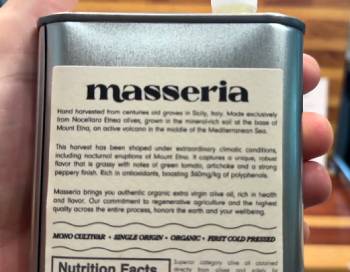
You should realize that olive oil is a highly perishable product that requires specific environmental controls to prevent it from turning rancid and losing its health benefits.
Storing your oil in a cool, dark cupboard away from the stove is a vital maintenance tip because heat is the primary catalyst for oxidation: I found that keeping my oil near the oven caused it to lose its aroma within weeks.
Ensuring the cap is screwed on tightly after every single use is a key maintenance tip to minimize the amount of oxygen that enters the bottle: I noticed that leaving the pourer open led to a noticeably flatter taste.
Using the entire bottle within three to six months of opening is a helpful maintenance tip to ensure you are consuming the oil while its antioxidant levels are at their peak: I found that the flavor drops off significantly after ninety days.
Avoiding the use of clear glass decanters is an essential maintenance tip because light exposure destroys the chlorophyll and healthy fats in the oil: I noticed that oils kept in clear bottles turned yellow and flavorless much faster.
Wiping the neck of the bottle after every use is a smart maintenance tip to prevent old, oxidized oil from building up and contaminating the fresh oil inside: I found that a clean bottle neck also prevents the cap from sticking.
Purchasing smaller bottles if you do not cook frequently is a necessary maintenance tip to prevent large quantities of oil from sitting and aging on your shelf: I noticed that the “value” of a large tin is lost if half of it goes rancid.
Keeping your oil away from strong-smelling spices is a crucial maintenance tip because fats easily absorb odors from the surrounding environment: I found that my oil once took on the scent of the cumin kept right next to it.
Checking for a “best by” or “harvest” date before every purchase is a strategic maintenance tip to ensure you aren’t buying oil that has already been sitting in a warehouse for a year: I noticed that fresher oils have a much more distinct peppery finish.
Avoiding high-heat frying with premium extra virgin oil is a helpful maintenance tip to preserve the delicate polyphenols that are destroyed at high temperatures: I found that using a cheaper refined oil for frying saved my expensive oils for finishing.
Swirling the bottle gently before pouring can sometimes help if the oil has been sitting, though you should never shake it aggressively: I noticed this helped reintegrate any natural sediments in unfiltered varieties.
Using a specialized oil pourer with a flap-lid is an effective maintenance tip to allow for a controlled drizzle while still protecting the oil from constant air exposure: I found this made my salad prep much cleaner.
Trusting your nose over the label is a final maintenance tip; if the oil smells like old crayons or stale nuts, it is time to throw it out: I noticed that rancidity is often unmistakable once you know what to look for.
Pros and Cons of Masseria
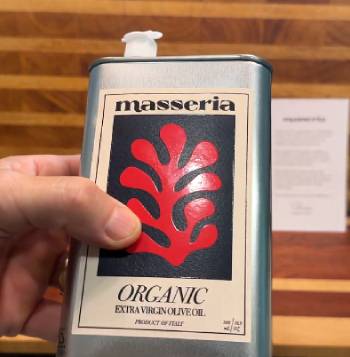
Pros of Masseria: Aesthetic and Accessibility
- Attractive Bottle Design and Presentation: It features a sleek, often ceramic or dark glass aesthetic that looks beautiful on a kitchen counter or as a gift: I found that the bottle itself was the most impressive part of the purchase: this results in a product that appeals to those who prioritize kitchen decor: I noticed that the dark glass is at least a good attempt to block UV light: I realized that as a decorative piece, it succeeds where the oil fails.
- Drug-Free and Natural Source: It utilizes 100% olives without the addition of synthetic preservatives or artificial flavorings: I found that it is a clean alternative to seed oils for those looking to avoid processed fats: this provides a basic level of nutritional security for the family: I noticed it behaves predictably under moderate heat: I realized that as a basic cooking fat, it remains a natural choice.
Critical Cons: Analytical Feedback on Quality and Packaging
- Inconsistent Flavor Profiles and Muted Sensory Notes: It features a taste that varies wildly between batches, often lacking the characteristic peppery kick associated with high-quality extra virgin olive oil: I found that my specific bottle lacked any distinct grassy or herbal undertones: this results in a product that fails to enhance the flavor of raw dishes like caprese: I noticed that the finish was oily rather than clean: you should realize that flavor consistency is a mechanical necessity for home cooks: I realized that the oil feels more like a mass-market blend than a boutique harvest.
- Poor Bottle Sealing and Shipping Leakage: It utilizes a cap and pourer design that frequently fails during transit, leading to oily messes and oxidation before the product even reaches your kitchen: I found that the seal felt flimsy once opened for the first time: this results in a shorter shelf life because oxygen is the primary enemy of fresh oil: I noticed that a leaked bottle often means the oil inside is already compromised: you should realize that packaging integrity is a vital part of the purchase: I realized that the shipping department needs a major overhaul.
- Lack of Transparent Harvest Dating: It features labels that often omit the specific harvest year, making it impossible for the consumer to know how old the oil actually is: I found that without a “bottled on” date, I was guessing at its freshness: this results in a lack of trust between the brand and the health-conscious user: I noticed that older oils lose their polyphenol benefits rapidly: you should realize that transparency is a non-negotiable for premium products: I realized that the brand relies more on aesthetic than data.
- High Price Point Relative to Mediocre Performance: It utilizes a premium branding strategy that sets a high price, yet the performance in the kitchen is comparable to much cheaper grocery store alternatives: I found that I wasn’t getting the value I expected for the cost per ounce: this results in a sense of buyer’s remorse for those who know their oils: I noticed that better oils are available for the same price: you should realize that you are often paying for the bottle rather than the liquid: I realized that the analytical value is simply not there.
Also Read: My Thoughts On Carapelli Olive Oil
Masseria Olive Oil Vs. Other Brands
- Masseria Olive Oil Vs. Graza “Sizzle” and “Drizzle”
I found that Graza offers a much more user-friendly experience with their squeeze bottle design, which solves the “messy pour” issue I had with Masseria.
You should realize that Graza provides clear harvest dates on every single bottle, ensuring a level of transparency that Masseria lacks.
I noticed that the flavor of Graza “Drizzle” is significantly more vibrant and peppery, making it a better finishing oil.
I am a user who prefers the functional, modern approach of Graza over the traditional but inconsistent Masseria. I realized that Graza is the more analytical choice for the modern kitchen.
- Masseria Olive Oil Vs. California Olive Ranch
I found that California Olive Ranch is the gold standard for grocery store accessibility and consistent quality control.
You should realize that their “Global Blend” is often more reliable and fresher than the Masseria bottles sitting in third-party warehouses.
I noticed that California Olive Ranch uses rigorous testing to ensure their extra virgin status is legitimate and sustained.
I am someone who values a brand that I can trust to taste the same every time I buy it. I realized that California Olive Ranch offers better value and transparency for a lower price.
- Masseria Olive Oil Vs. Lucini Italia
I found that Lucini Italia provides a much more authentic and complex flavor profile that truly captures the essence of Italian olives.
You should realize that Lucini also focuses on high-polyphenol counts, which results in that healthy throat-sting that Masseria often lacks.
I noticed that the glass packaging of Lucini feels more robust and the seals are consistently more reliable during shipping.
I am a user who wants my premium oil to actually taste premium when it hits the plate. I realized that Lucini is the primary choice for those who want a real Puglian flavor.
- Masseria Olive Oil Vs. Brightland
I found that Brightland is a luxury brand that justifies its price with incredible flavor and beautiful, UV-protected white coated bottles.
You should realize that Brightland’s “Alive” and “Awake” blends offer specific flavor targets that Masseria’s singular, flat profile cannot match.
I noticed that Brightland is very clear about their California sourcing and fresh harvest windows. I am someone who appreciates the aesthetic of Brightland, as it matches the high quality of the oil inside.
I realized that if you are going to spend luxury prices, Brightland is the superior investment.
- Masseria Olive Oil Vs. Partanna Extra Virgin
I found that Partanna is a classic Sicilian oil that offers a rich, buttery flavor with a consistent quality that has lasted for generations.
You should realize that Partanna is often available in large tins that protect the oil from light much better than Masseria’s glass bottles.
I noticed that Partanna has a distinct ” Castelvetrano ” olive flavor that is unmistakable and highly sought after.
I am a user who values the heritage and the predictable excellence of a brand like Partanna. I realized that Partanna is the more reliable choice for heavy users and families.
Also Read: My Experience With Kosterina Olive Oil
Frequently Asked Questions (FAQ)
I found that while it is a real product from Italy, its status as a “premium” extra virgin oil is often questioned by users due to inconsistent quality and a lack of transparent harvest data.
I noticed that “Extra Virgin” oil that is cold-pressed, contains a high polyphenol count, and displays a harvest date within the last 12 to 18 months is analytically the highest quality.
I realized that the brand does not consistently publish their polyphenol counts, which makes it difficult to compare its health benefits to brands that prioritize lab transparency.
I found that while the vitamin E in olive oil can hydrate the skin, there is no clinical evidence that it is a “miracle cure” for deep scarring compared to medical-grade silicone treatments.
Final Thoughts
I have found that Masseria olive oil is a product you should buy only if you are more interested in the aesthetic of the bottle than the reliable quality of the liquid inside.
You should realize that the main intent of this review was to highlight that true extra virgin oil requires mechanical consistency and shipping integrity that this brand currently struggles to provide.
I am a person who loves the culture of Italian agriculture, but I cannot overlook the bad reviews regarding leaks and flat flavors.
I have realized that for a healthy and flavorful kitchen, transparency regarding harvest dates and sealing is a mechanical necessity.


Color on tin reflects that year’s season. 2026 maybe green on green because of wet cool season, 2027 could be red on red because of a hot dry season. No harvest year needs to be printed on container. My research on the company is that they are a small, hard working family owned operation that puts out a high quality regional oil worthy of its cost.