Finding a truly transformative extra virgin olive oil that instantly elevates your home-cooked meals from basic to restaurant-quality can change your entire approach to Mediterranean cuisine.
You should buy a bottle of authentic, estate-packaged Sicilian extra virgin olive oil if you want to experience a genuinely fresh, vibrantly fruity flavor profile that commercial grocery brands cannot replicate.
Investing your kitchen budget into a premium cold-pressed oil allows you to unlock incredible culinary depth while nourishing your body with high-density antioxidants.
Making the commitment to source a cold-extracted culinary centerpiece ensures that every simple salad drizzle, roasted vegetable toss, or seafood pairing turns into an unforgettable, deeply satisfying gastronomic experience.
My Personal Kitchen Journey Discovering The Rich Depth Of This Sicilian Liquid Gold
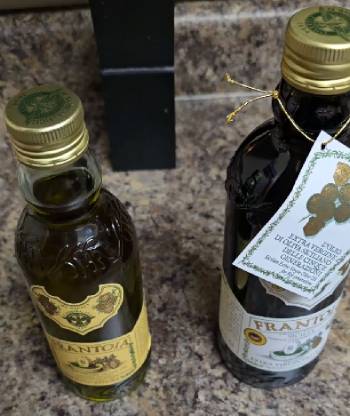
My personal exploration of high-end fats completely shifted the moment I decided to upgrade my pantry with a premium bottle of cold-pressed oil from the west-central hills of Sicily.
I used to think that standard store-bought oils were perfectly fine for daily cooking, but I constantly found myself underwhelmed by their flat, slightly greasy finishes and lack of aromatic punch.
I purchased a one-liter glass bottle of this authentic Italian extra virgin selection to see if a traditional blend of hand-picked olives could truly redefine my home-cooked pasta creations.
The physical presentation made a marvelous first impression when the delivery arrived at my home, featuring an elegant green glass bottle that looked beautifully artisanal sitting on my countertop.
Opening the metal cap released an immediate, room-filling burst of fresh green herbs, spicy tomato leaves, and a distinctly sweet aroma that smelled like an early autumn harvest field.
During my very first culinary trial, I poured a generous stream of the unfiltered liquid directly over a plate of fresh heirloom tomato slices and creamy buffalo mozzarella cheese.
The physical texture was incredibly rich, thick, and poured with a stunning jade-green hue that caught the ambient kitchen light beautifully before settling onto the food.
Taking my first bite was an absolute revelation because the oil delivered an incredibly smooth, buttery mouthfeel that instantly gave way to an elegant almond finish.
I noticed a gentle, peppery kick at the very back of my throat, which is a classic chemical indicator of highly fresh, premium-grade olives harvested at their absolute peak maturity.
I committed myself to utilizing this specific oil as my primary finishing fat across a wide variety of domestic dinner preparations for several consecutive weeks.
I drizzled it over freshly grilled sea bass, tossed it into hot spaghetti noodles with minced garlic, and used it to finish homemade rustic sourdough bread baskets.
Every single application completely transformed the underlying ingredients, adding a layer of sophisticated fruitiness that made me feel as if I were dining at an upscale outdoor café in Southern Italy.
The natural sediment from the unfiltered decanting process settled gently at the bottom of the container, providing a rustic, unadulterated food experience that felt incredibly pure.
I realized that my glowing personal conclusions perfectly matched the feedback from native Sicilian consumers who refuse to use any other brand in their home kitchens.
My houseguests continuously commented on the spectacular fragrance of my dinner party dressings, confirming that this pantry staple is completely indispensable for high-end home cooking.
Maintaining Absolute Thermal Equilibrium Inside Your Domestic Pantry
To protect the delicate chemical bonds of your extra virgin olive oil, you must store the bottle away from thermal sources.
Never leave your oil container sitting directly on the countertop space adjacent to your main gas stove or baking oven unit.
The ambient radiant heat radiating from your daily cooking appliances will warm the liquid and accelerate chemical rancidity processes inside the glass.
Choose a secluded pantry shelf that remains completely shaded from home heating vents and seasonal climate shifts throughout the year.
- Implementing Complete Ultraviolet Protection Strategies
Direct exposure to natural sunlight is one of the fastest ways to destroy the chlorophyll and protective antioxidants inside unfiltered oil.
While the dark green glass provides a baseline level of defense, continuous sun exposure will rapidly bleach the beautiful jade color out.
Always return the bottle to a completely dark cupboard or closed cabinet immediately after completing your meal preparation routines.
Keeping the liquid in absolute darkness preserves the delicate flavor profile and ensures your finishing drizzles remain crisp and highly aromatic.
- Controlling Daily Atmospheric Oxygen Exposure Risk
Every single second your bottle remains uncapped allows fresh atmospheric oxygen to enter the headspace and oxidize the delicate fatty acids.
Ensure that you firmly twist the metal cap back onto the glass threads immediately after measuring out your cooking portions.
Avoid transferring your premium oil into decorative clear glass cruets that utilize loose-fitting cork stoppers or exposed metal pouring spouts.
Those popular serving vessels allow a continuous stream of air to circulate inside, causing the rich fruity taste to flatten out prematurely.
- Managing Natural Organic Sediment Deposition At The Base
Because this traditional Sicilian oil is completely unfiltered, you will notice a dark layer of natural olive pulp settling over time.
Do not shake the container aggressively before use, as redistributing this heavy sediment can make your clear dressings look excessively cloudy.
Allow the fine particulates to remain quietly undisturbed at the very bottom of the glass bottle as you pour from the top.
When you finally reach the last few ounces of the fluid, use that dense, ultra-rich portion exclusively for warm stews or hearty marinades.
Comprehensive Analytical Pros And Cons Structural Analysis
Pros Of Frantoia Olive Oil
- Unfiltered Dermal Visual Density: The traditional decanting process allows minute fruit particles to remain suspended directly within the golden-green liquid matrix.
- Immediate Twenty Four Hour Cold Pressing: Hand-harvesting the crops and milling them within a single diurnal cycle preserves the highest possible level of volatile flavor molecules.
- Exceptional Three Cultivar Blend Harmony: Mixing Biancolilla, Nocellara del Belice, and Cerasuola varieties generates a complex sensory experience that balancing sweetness with peppery spices.
- Versatile Culinary Application Bounds: The medium intensity profile performs beautifully as both a high-heat cooking base and an elegant raw finishing drizzle.
- Generous One Liter Volume Allocation: The grand size provides an exceptional quantity of premium oil, keeping your gourmet kitchen stocked for multiple months.
The Analytical Cons Of Frantoia Olive Oil
- Susceptibility To Rapid Oxidation Elements: The unfiltered nature means suspended organic particulates can accelerate flavor degradation if exposed to continuous atmospheric oxygen.
- Clear Packaging Light Protection Deficits: The green glass material offers a moderate shield but fails to provide the total opaque darkness found in tin containers.
- Premium Capital Investment Thresholds: The retail pricing model sits substantially higher than standard mass-produced supermarket options, requiring a dedicated culinary budget commitment.
- Potential Micro Sediment Accumulation: The bottom centimeter of the bottle naturally collects dark olive silt, which can startle unaccustomed consumers during pouring.
- Pronounced Throat Pungency Levels: The high level of natural polyphenols creates a sharp, spicy peppery sting that might surprise individuals preferring bland oils.
Brand Comparison Analysis
- Frantoia Olive Oil Vs. Lucini Everyday Extra Virgin Olive Oil
Lucini Everyday Extra Virgin Olive Oil relies primarily on a blend of select Argentinian olives harvested during the distinct southern hemisphere season.
You will find that the Lucini flavor profile leans heavily toward a mild, distinctly grassy flavor note with a very smooth, non-aggressive back-throat finish.
I noticed that the Frantoia blend offers a much more complex, layered sensory experience due to its unique combination of three native Sicilian cultivars.
I realized that while Lucini provides an excellent utility oil for daily pan frying, Frantoia delivers a superior premium finish for gourmet dining.
- Frantoia Olive Oil Vs. California Olive Ranch Global Blend
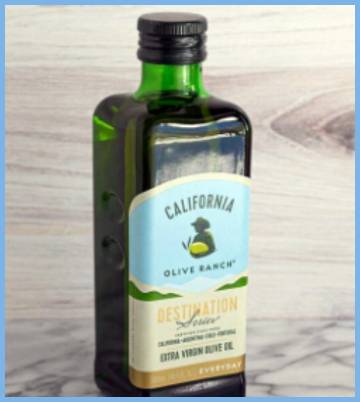
California Olive Ranch Global Blend combines domestic olives with imported oils from high-quality groves across both Portugal and Chile to create consistency.
You will find that this automated production style yields a highly predictable, stable cooking fat that works beautifully for standard household baking.
I noticed that the California Olive Ranch option lacks the intense artisanal soul, rustic unfiltered cloudiness, and pungent herbaceous aroma of Frantoia.
I realized that Frantoia remains the undisputed choice for authentic regional Italian cooking where the flavor of the oil defines the final dish.
- Frantoia Olive Oil Vs. Colavita 100% Italian Extra Virgin Olive Oil
Colavita 100% Italian Extra Virgin Olive Oil sources its raw materials from various regions across the northern and southern territories of mainland Italy.
You will find that Colavita features a highly standardized, thoroughly filtered profile designed to blend seamlessly into complex sauces without dominating the plate.
I noticed that Frantoia displays a much bolder, unadulterated personality because it focuses exclusively on the distinct microclimates of west-central Sicilian hills.
I realized that Frantoia is a far better option for raw applications where you want the oil to take center stage.
- Frantoia Olive Oil Vs. Partanna Extra Virgin Olive Oil
Partanna Extra Virgin Olive Oil is a historic monocultivar selection crafted solely from the famous Nocellara del Belice olive crop inside tin packaging.
You will find that Partanna delivers a intensely bright, castelvetrano-style green olive flavor with a very heavy accent on natural buttery notes.
I noticed that Frantoia achieves a more rounded, elegant balance by cutting that intense buttery profile with the sweet notes of Biancolilla.
I realized that while Partanna excels at cast-iron cooking, Frantoia provides a more sophisticated, multi-layered aromatic finish for cold pasta dishes.
- Frantoia Olive Oil Vs. Monini GranFruttato Extra Virgin Olive Oil
Monini GranFruttato Extra Virgin Olive Oil is engineered specifically for consumers who demand an incredibly robust, intensely peppery bite from their oil.
You will find that the Monini blend contains an exceptionally high level of early-harvest olives that can sometimes overpower delicate fish selections.
I noticed that Frantoia displays a far more elegant, gentle transition from upfront fruity sweetness into a smooth, warming almond-toned throat finish.
I realized that Frantoia offers a much more versatile balance for home cooks who want premium quality without intense, palate-scorching bitterness.
Also Read: My Thoughts On Cobram Olive Oil
Frequently Asked Questions (FAQs)
Extra virgin olive oil that features a certified Protected Designation of Origin or a verified single-estate footprint represents the absolute pinnacle of global quality. These elite culinary oils must be extracted completely through mechanical cold-pressing techniques without utilizing any synthetic chemical solvents or excessive thermal processing.
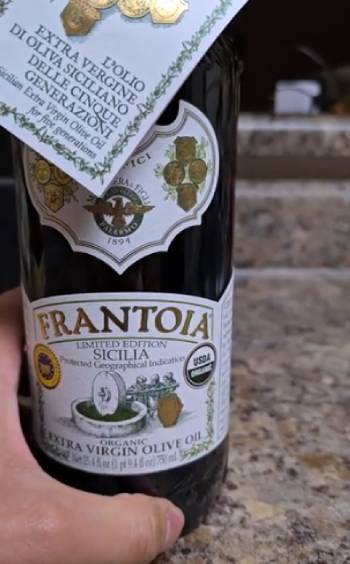
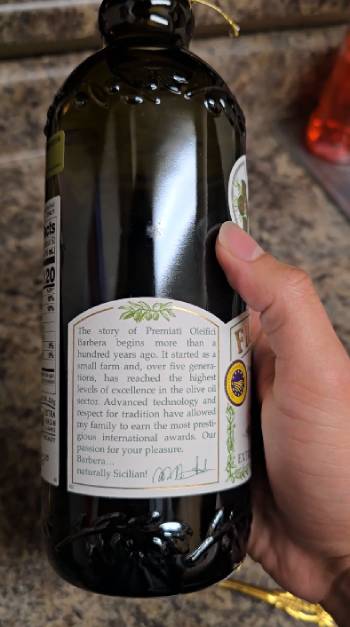
This premium extra virgin olive oil is proudly grown, harvested, and pressed entirely within the famous west-central agricultural territories of Sicily, Italy. The Barbera family has been carefully managing this regional production legacy out of their historic facilities based in Palermo for multiple generations.
The defining characteristic that sets this oil apart is its highly prized blending matrix featuring three distinct native Sicilian olive varieties called Biancolilla, Nocellara del Belice, and Cerasuola. These hand-picked fruits are gathered with immense care and put through advanced cold-extraction machinery within twenty-four hours of leaving the tree branch.
Yes, this authentic cold-pressed extra virgin selection naturally contains a high concentration of active polyphenols due to its rapid harvest-to-press manufacturing protocol. The inclusion of the robust Cerasuola and Nocellara del Belice olive cultivars inherently guarantees a dense antioxidant profile right from the start.
Final Thoughts
Investing in an authentic, cold-pressed estate oil can instantly transform your entire relationship with simple, home-cooked Mediterranean dinners.
The Frantoia extra virgin olive oil demonstrates an exceptional level of traditional Sicilian craftsmanship, making it a highly recommended pantry addition.
The spectacular combination of three regional olive cultivars mixed with a rustic, unfiltered decanting process delivers a flavor depth that leaves mass-market brands behind.
You will love how the sweet, fruity upfront notes give way to an elegant almond finish and a warm, healthy peppery throat sensation.
Upgrade your culinary collection today by choosing this multi-award-winning Italian masterpiece to bring real Mediterranean soul straight to your family table.