If you are looking to breathe new life into a faded favorite or want to experiment with a soft, romantic aesthetic for your home textiles, you need to buy Dylon Powder Pink right now.
I have spent years testing various textile pigments, and this specific hand dye formula remains the gold standard for achieving a delicate, even blush tone on natural fabrics.
It is designed specifically for smaller, delicate items that you would rather not risk in a heavy machine cycle, providing a professional finish from the comfort of your kitchen sink.
Trust me, this sachet is the most cost-effective way to refresh your wardrobe without the environmental guilt of fast fashion.
My Personal Experience Reviving Faded Fabrics
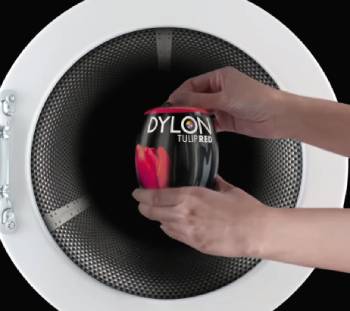
I remember standing in my laundry room staring at a high-quality grey cotton button-down shirt I had bought years ago from the Gap.
The fit was still perfect, but the color had become dingy and uninspiring over time, leaving it at the back of my closet for months.
I decided to try the Dylon Powder Pink hand dye because I wanted something subtle—not a loud, shocking neon pink, but a sophisticated pastel that would pair well with blue jeans.
The process was surprisingly straightforward; I grabbed a stainless steel basin, dissolved the powder in warm water, and added the required 250g of salt as the fixing agent.
When I submerged my damp shirt, I was struck by how quickly the fibers began to drink up the pigment, transforming from a dull slate to a beautiful, soft rose.
I spent about forty-five minutes stirring the garment to ensure there were no splotches or uneven patches, and the texture of the fabric stayed remarkably soft throughout.
Once I rinsed it in cold water and let it air dry, I was thrilled to see a perfectly even, professional-looking finish that looked like it came straight from a boutique.
I even experimented with a white linen sun dress that had a few bleach stains, and while I had heard mixed reviews about achieving “vivid” shades, this powder pink worked exactly as intended for a soft aesthetic.
The color didn’t just sit on the surface; it felt like part of the fabric itself, and it gave the linen a fresh, airy quality that totally revived the garment.
I did notice that you have to be very careful with the fabric weight; I tried to dye a slightly heavier cotton blend later, and the shade was much lighter, almost a whisper of lilac.
It taught me that following the 250g weight limit per sachet is the secret to getting that full, lush shade of pink.
Overall, it turned a weekend chore into a creative project that saved me from buying a new shirt and gave me a custom piece I actually enjoy wearing again.
Essential Maintenance and Tips for Long-Lasting Color
- Wash Separately Initially: For the first three to four laundry cycles after dyeing, make sure you wash your pink item alone or with very similar colors to prevent cross-contamination.
- Use Cold Water Cycles: Heat is the enemy of fabric dye; always wash your newly colored garments in cold water to keep the pigment locked into the fibers for as long as possible.
- Avoid Harsh Detergents: Use a gentle, color-safe liquid detergent instead of heavy powders with bleach or optical brighteners which can strip the powder pink shade away.
- Turn Garments Inside Out: Before throwing your shirt in the wash, turn it inside out to protect the surface fibers from the abrasive action of the washing machine drum.
- Air Dry in the Shade: Direct sunlight acts as a natural bleaching agent; always hang your pink clothes in a shaded, well-ventilated area to prevent UV-induced fading.
- Select Natural Fibers Only: Before you start, check the “About this item” details to ensure your fabric is cotton, linen, or viscose, as these will give you the most vibrant and lasting results.
- Iron on Low Heat: When pressing your dyed items, use a cool iron setting to avoid “scorching” the pigment, which can cause the pink to turn a dull brownish color.
- Use the Right Amount of Salt: Do not skip the 250g of salt; it is the “glue” that holds the dye to the fabric, and without it, your color will wash down the drain during the first rinse.
- Pre-Wash Your Items: Always start with a clean, damp garment that is free of fabric softeners or oils, as these can create a barrier that prevents the dye from absorbing evenly.
- Double the Pack for Heavier Items: If you are dyeing a thick cotton hoodie that weighs 500g, you must use two sachets of Dylon Powder Pink to maintain the depth of the color.
The Pros and Cons of Dylon Powder Pink
The Pros of Dylon Powder Pink
- Exceptional Shade Accuracy: On white or light-colored natural fibers, this dye delivers a true, soft powder pink that avoids the harsh reddish undertones common in other brands.
- Gentle on Delicates: Because this is a hand-wash formula, it is the safest choice for silk and wool items that might shrink or lose their shape in a washing machine.
- Minimalist Ingredient Profile: The dye is formulated to work without harsh industrial chemicals that can damage the integrity of high-end cotton and linen fibers.
- Easy Clean-Up Process: Any residue left in your stainless steel sink or plastic basin wipes away easily with a bit of household bleach or a standard bathroom cleaner.
- Cost-Effective Refresh: For the price of a single sachet, you can salvage hundreds of dollars worth of clothing that would otherwise be discarded due to fading.
- Excellent Fiber Penetration: The powder dissolves completely in warm water, ensuring that the pigment reaches into every seam and thread for a uniform look.
- Versatile Application: Beyond just clothing, it is perfect for refreshing pillowcases, lace doilies, and small napkins to match your home decor.
- Natural Fiber Compatibility: It works brilliantly on cotton, linen, and viscose, which are the most common materials in a high-quality summer wardrobe.
- Predictable Results with Blends: Even on poly-cotton mixes, it provides a lovely “heathered” or lighter pastel effect that looks intentional rather than accidental.
- Compact Storage: The small sachets take up almost no room in your laundry cupboard, making it easy to keep a variety of colors on hand for whenever inspiration strikes.
The Cons of Dylon Powder Pink:
- Strict Weight Limitations: If you try to dye more than 250g of fabric with one sachet, you will end up with a very pale, washed-out version of pink rather than the advertised shade:
- Manual Labor Requirement: Unlike machine dyes, this requires you to stand and stir for nearly an hour to ensure the color is even and free of streaks:
- Synthetic Fabric Rejection: This dye will not work on 100% polyester, nylon, or acrylic, which can lead to disappointment if you don’t read your clothing labels carefully first:
- Salt Not Included: You have to remember to buy a separate 250g bag of salt to act as the fixative, which can be an annoying extra step if you forget it at the store:
- Variable Results on Darker Bases: Trying to put powder pink over a dark blue or black item will result in no visible change, as this is a transparent pigment, not a paint:
- Mess Potential During Mixing: The fine powder can easily become airborne when you first open the sachet, potentially staining nearby surfaces or light-colored countertops:
- Lighter Shades on Linen: Despite being compatible, linen is very thirsty and can sometimes result in a more pastel, lilac-leaning tone than a true warm pink:
- Rinsing Time Intensity: It takes a significant amount of water and time to rinse the garment until the water runs clear, which can be a bit tedious for larger items:
- Temporary Color Bleeding: For the first few washes after dyeing, you must wash the item separately to ensure the new pink pigment doesn’t transfer to your white loads:
- Skin Staining Risks: If you don’t wear rubber gloves, the dye will stain your cuticles and skin for several days, making it look like you’ve had a minor craft accident:
Also Read: Comparison Of OxiClean Vs. Clorox 2
Dylon Powder Pink Vs. Other Brands
- Dylon Powder Pink Vs. Rit Petal Pink
When I looked at Rit Petal Pink, I noticed that Rit is often a “one-size-fits-all” liquid dye that claims to work on almost everything.
However, Dylon Powder Pink is a specialized fiber-reactive dye, which means it actually forms a chemical bond with the fabric rather than just staining it.
I found that the Dylon shade is much more of a “true” pink, whereas the Rit version can sometimes lean slightly orange or coral depending on the water temperature.
Rit is great for a quick fix on synthetic blends, but Dylon is the superior choice for high-quality cotton or silk where you want a refined, boutique-quality finish.
- Dylon Powder Pink Vs. Tulip Fabric Dye
Tulip is a brand that is widely available in craft stores and is often used for tie-dye projects with children.
While Tulip is fun and vibrant, I feel that Dylon Powder Pink offers a much more sophisticated and “adult” shade range suitable for professional wardrobes.
The Dylon powder is much more concentrated, meaning you get a more consistent, solid color across the entire garment without the graininess sometimes found in cheaper craft dyes.
If you are trying to look like you bought a new shirt from a high-end retailer, Dylon is the brand that will get you there.
- Dylon Powder Pink Vs. Jacquard Procion MX
Jacquard is a professional-grade dye used by textile artists and often requires various chemicals like soda ash to set the color.
While Jacquard is incredibly permanent, Dylon Powder Pink is much more user-friendly for the average person who just wants to fix a shirt in their sink.
Dylon simplifies the chemistry by only requiring common table salt, whereas Jacquard involves a much more complex mixing and safety protocol.
For the hobbyist or the home wardrobe manager, the ease of Dylon far outweighs the slight increase in permanence offered by professional dyes.
- Dylon Powder Pink Vs. Simplicol Fabric Dye
Simplicol is a popular European brand that focuses heavily on machine-wash dyes for large items like curtains or bedding.
The Dylon Powder Pink hand dye is much better suited for those delicate, “dry clean only” type items that you wouldn’t dare throw into a heavy Simplicol machine cycle.
I noticed that Dylon’s pink is a bit more delicate and airy, while Simplicol shades tend to be very saturated and “heavy” looking.
If you are working with a thin silk scarf or a vintage lace vest, the Dylon hand-wash approach is much safer.
- Dylon Powder Pink Vs. Tintex Fabric Dye
Tintex is an older, classic brand often found in pharmacies, but their color range can sometimes feel a bit dated and less “on-trend.”
Dylon Powder Pink is perfectly calibrated for modern fashion palettes, offering that “millennial pink” or “soft blush” that is currently popular in stores.
I also found that Tintex requires boiling water for many of its applications, which can be dangerous and can shrink delicate fabrics instantly.
Dylon works effectively with warm tap water, which protects the fit of your clothes while still delivering a beautiful color change.
Also Read: My Thoughts On Affresh Vs. OxiClean Washing Machine Cleaner
Frequently Asked Questions (FAQs)
The hand-wash powder does not affect your machine at all since it is used in a basin, but even the machine-dye version is safe as long as you run a subsequent empty cycle with bleach to clear any residue.
Dylon is generally superior for natural fibers like cotton and silk due to its fiber-reactive formula, while Rit is often preferred for synthetic blends or quick, less-permanent projects.
With proper care, such as cold-water washing and air-drying, a Dylon-dyed garment can maintain its full color for 20 to 30 washes before significant fading begins.
The dye particles penetrate the core of the natural fibers and, when combined with salt and warm water, undergo a chemical reaction that permanently bonds the pigment to the fabric’s molecular structure.
Final Thoughts
In conclusion, if you are looking for a simple, effective, and beautiful way to revitalize your clothes, you should buy Dylon Powder Pink.
It has been a complete revelation for my own wardrobe, allowing me to take old, tired pieces and turn them into something that feels fresh and stylish once again.
By following the weight guidelines and using the proper salt fixative, you can achieve a professional-grade result that looks like you spent a fortune at a custom dye house.
Don’t let your favorite cotton and linen pieces sit at the back of the closet just because they’ve lost their luster; give them a second life today.
You will be amazed at the confidence boost you get from wearing a piece that you’ve personally customized to your own unique style.