I’ve worn Birkenstocks for years, and I keep coming back to one question you might be asking right now: should you go with Birko-Flor or leather Birkenstocks.
In this article, I’m sharing my firsthand, analytical take on Birko-Flor vs leather Birkenstock options, focusing on comfort, durability, maintenance, value, and everyday wear so you can decide what truly works for you.
Right after this intro, you’ll find a clear comparison table, and by the end, you’ll know exactly which material fits your lifestyle and feet.
| Feature | Birko-Flor Birkenstock | Leather Birkenstock |
| Material feel | Smooth synthetic with leather-like finish | Natural leather that softens over time |
| Break-in period | Short and easy | Longer but highly rewarding |
| Water resistance | Better resistance to moisture | Sensitive to water |
| Maintenance | Very low effort | Needs regular care |
| Durability | Consistent over time | Long-lasting with proper care |
| Price range | More affordable | Higher upfront cost |
| Vegan friendly | Yes | No |
Why This Comparison Matters to Me (and Probably to You)
When I first bought Birkenstocks, I didn’t think the upper material would matter much.
I assumed the footbed did all the work, and the straps were just there to hold my feet in place.
That assumption didn’t last long.
After alternating between Birko-Flor and leather Birkenstocks across different seasons, trips, and daily routines, I realized the upper material changes how the sandal feels, ages, smells, handles sweat, and even how confident I feel wearing it out.
If you’re choosing between Birko-Flor and leather, you’re not just picking a look.
You’re choosing how the sandal fits into your daily life.
I’m writing this from the perspective of someone who walks a lot, stands for long hours, and wants footwear that feels supportive without demanding constant attention.
Let me walk you through how these two materials actually perform.
What Exactly Is Birko-Flor?
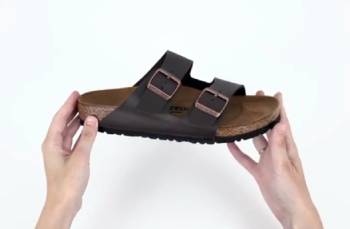
Birko-Flor is Birkenstock’s proprietary synthetic upper material.
When I first touched it, I honestly thought it was leather.
That’s intentional.
Birko-Flor is made to mimic the look and feel of leather while offering a more uniform texture and easier maintenance.
It’s backed with a soft fleece lining that sits against your skin, which surprised me in a good way the first time I wore it barefoot.
What stands out most is consistency.
Every Birko-Flor strap feels the same, whether it’s brand new or months old.
That predictability can be comforting if you don’t like surprises in how your footwear ages.
From a practical standpoint, Birko-Flor appeals to people who want the Birkenstock experience without dealing with leather upkeep.
It’s also a popular choice for anyone avoiding animal products.
What Makes Leather Birkenstocks Different
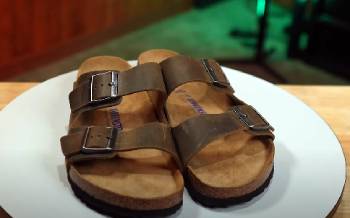
Leather Birkenstocks feel alive in comparison.
The first time I wore a leather pair, they felt stiffer and slightly unforgiving.
But over time, something interesting happened.
The leather began to soften, stretch slightly, and mold itself to the exact shape of my feet.
That’s the magic of natural leather.
No two pairs age the same, and no two wearers end up with the exact same feel.
Leather also breathes differently.
On hot days, I noticed less trapped heat compared to synthetic uppers, although sweat can still be an issue if you don’t let them dry properly.
Leather Birkenstocks feel more traditional, more premium, and more personal.
They ask more from you in terms of care, but they also give more back in character and long-term comfort.
Comfort and Break-In Experience
Comfort is where most people think the footbed does all the heavy lifting.
That’s partly true, but the upper plays a bigger role than you might expect.
With Birko-Flor, comfort is immediate.
I slipped them on and walked out the door with almost no adjustment period.
The fleece backing prevents rubbing, and the straps don’t fight your foot as it moves.
If you hate break-in periods, Birko-Flor feels friendly from day one.
Leather is different.
The first few wears can feel stiff, especially around the edges of the straps.
I had moments where I questioned my purchase.
Then, after a week or two, the leather relaxed.
Once that happens, leather Birkenstocks feel incredibly secure without being restrictive.
It’s a slower payoff, but a deeper one.
Daily Wear and Lifestyle Fit
I like to judge footwear by how it fits into real life, not ideal scenarios.
Birko-Flor excels in low-effort routines.
If you’re someone who wants to grab sandals and go, Birko-Flor doesn’t demand planning.
It handles quick errands, casual walks, travel days, and even unexpected weather better.
I’ve worn Birko-Flor pairs on vacations where I knew they’d get dusty, sweaty, and occasionally splashed.
They handled it without complaint.
Leather Birkenstocks feel more intentional.
I reach for them when I know I’ll be walking a lot but also want a slightly elevated look.
They pair better with jeans, linen pants, and outfits where I want the sandals to feel like part of the style rather than just functional footwear.
They’re less forgiving if abused, but more rewarding when treated well.
Durability Over Time
Durability isn’t just about how long something lasts.
It’s about how it looks and feels while lasting.
Birko-Flor is impressively durable in a consistent way.
Months later, it looks almost the same as when I bought it.
There’s minimal stretching, no cracking if cared for reasonably, and no dramatic aging.
That’s great if you like predictability.
Leather durability depends heavily on care.
A well-maintained leather Birkenstock can last for years and even decades.
But neglect shows.
Cracking, drying, and discoloration can happen if leather is ignored.
In my experience, leather outlasts Birko-Flor in the long run, but only if you’re willing to invest a little time.
Aesthetic and Style Considerations
Style is subjective, but it matters.
Birko-Flor looks clean and uniform.
That makes it versatile, especially for casual outfits.
It doesn’t develop scars or marks that change its appearance.
What you see is what you get, long-term.
Leather develops personality.
Creases, slight color changes, and wear marks tell a story.
Some people love that.
Others find it messy.
I fall somewhere in the middle.
For everyday use, Birko-Flor feels simpler.
For outfits where I want a more natural, organic look, leather wins.
Maintenance Tips
- Birko-Flor maintenance is simple and forgiving.
- I usually wipe the straps with a damp cloth and mild soap when needed.
- They dry quickly and don’t require conditioners or special treatments.
- Avoid prolonged heat exposure to prevent material damage.
- Leather maintenance takes more intention.
- I clean leather straps gently and condition them occasionally to keep them supple.
- Letting leather dry naturally after wear is essential.
- Avoid soaking leather in water whenever possible.
Birko-Flor Pros and Cons
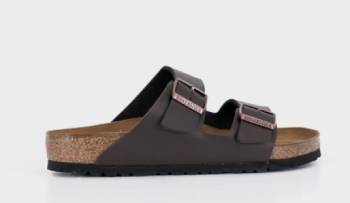
Pros:
- Immediate comfort right out of the box, which makes Birko-Flor ideal if you dislike break-in periods.
- The soft fleece lining feels gentle against bare skin and reduces the risk of blisters during long walks.
- Very low maintenance, since dirt and stains can usually be wiped away with a damp cloth.
- Holds its original shape and appearance well, so it looks consistent even after months of wear.
- Vegan-friendly material, making it a suitable choice for ethically conscious buyers.
- More affordable than leather options, which lowers the barrier to owning Birkenstocks.
Cons:
- Does not naturally mold to the foot the way leather does, which can limit long-term personalization.
- Breathability is slightly reduced compared to natural leather, especially in hot weather.
- Lacks the aging character and patina that many people enjoy in leather footwear.
- Can feel less premium to users who prefer natural materials.
Leather Birkenstock Pros and Cons
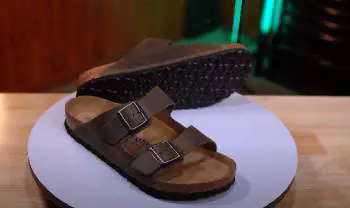
Pros:
- Gradually molds to the exact shape of your foot, creating a customized and supportive fit over time.
- Naturally breathable material that manages heat better during extended wear.
- Develops a unique patina, giving the sandals personality and a worn-in aesthetic.
- Long-lasting durability when properly cared for, often outliving synthetic alternatives.
- Feels more premium and traditional, which appeals to users who value craftsmanship.
Cons:
- Requires a noticeable break-in period that may cause temporary discomfort.
- Needs regular maintenance such as cleaning and conditioning to stay in good condition.
- Higher upfront cost compared to Birko-Flor models.
- Sensitive to water and excessive moisture, which can damage the leather if neglected.
Also Read: My Thoughts On UGG Goldenstar Sandals
Price and Value Perspective
When I think about value, I don’t just think about price.
I think about cost per wear and mental effort.
Birko-Flor offers excellent value if you want something that works with minimal involvement.
You pay less upfront and spend almost nothing on upkeep.
Leather costs more initially, but over time, it can be the better investment if you enjoy caring for your belongings.
I see Birko-Flor as practical value and leather as experiential value.
Neither is wrong.
They simply serve different priorities.
Environmental and Ethical Considerations
This part matters more to some people than others.
Birko-Flor is often chosen by those seeking vegan-friendly footwear.
It avoids animal products while still offering a leather-like experience.
Leather, on the other hand, is a natural material that can last longer, potentially reducing replacement frequency.
Both have trade-offs, and I think the better choice depends on what ethical factors matter most to you personally.
My Final Verdict After Years of Wearing Both
After living with both materials, I don’t think of this as a battle with a single winner.
I think of it as choosing the right tool for the job.
Birko-Flor is my go-to for everyday convenience.
Leather is what I choose when I want a deeper, more personal wearing experience.
If you’re asking which is better, the honest answer depends on how much effort you want to give and what you expect in return.
Also Read: Comparison Of Birko Flor Vs. Birkibuc
Frequently Asked Questions (FAQs)
Birko-Flor is a synthetic, low-maintenance material, while leather is natural, breathable, and molds to your foot over time.
Yes, Birko-Flor is durable and maintains its appearance well with minimal care.
The footbed is generally the same across models, so comfort depends more on fit and upper material preference.
No, birkibuc is a nubuck-like synthetic, while Birko-Flor has a smoother leather-like finish.
Final Thoughts
I’ve learned that choosing between Birko-Flor and leather Birkenstock isn’t about right or wrong.
It’s about alignment with your lifestyle.
If you want low-maintenance comfort that works immediately, Birko-Flor will serve you well.
If you’re willing to invest time and care for something that grows with you, leather will reward you.
You deserve footwear that fits your habits, not the other way around.
When you know how you live and what you value, the choice becomes clear.