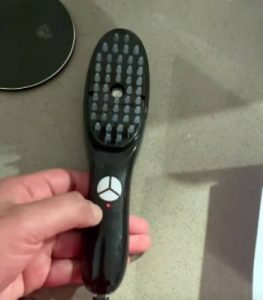
Finding the perfect hair tool often feels like a high-stakes gamble with your morning routine.
I have spent countless hours testing different heating technologies to see which ones actually deliver a salon-quality finish without frying your ends.
In this article, I am providing an analytical Wavytalk vs TYMO comparison to show you which brand truly deserves a spot on your vanity.
You deserve a tool that simplifies your life, and my goal is to help you decide between these two viral giants based on your specific hair type and styling goals.
Core Comparison: Wavytalk Vs. TYMO at a Glance
| Feature | Wavytalk Series | TYMO Series |
| Primary Technology | Hydro-Infusion / Nano Steam | Ceramic Sandwich Teeth / Negative Ion |
| Heat-Up Time | Approximately 30 Seconds | Approximately 30-60 Seconds |
| Best For | Volume & Moisture (Steam Line) | Sleek Straightening (Ring Series) |
| Heat Settings | 4 to 5 Variable Levels | Up to 16 Precise Levels (Ionic Plus) |
| Voltage | Universal Dual Voltage | Universal Dual Voltage |
| Safety | Anti-Scald Shell / Auto Shut-off | Anti-Scald Teeth / Auto Shut-off |
My Personal Experience with Wavytalk and TYMO
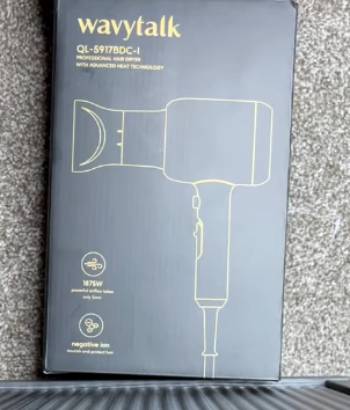
When I first unboxed the Wavytalk Pro Steam brush, I was immediately intrigued by the small water reservoir meant for the hydro-infusion technology.
I am someone who struggles with persistent frizz, especially during the humid summer months, so the idea of adding moisture while straightening sounded like a dream come not-true.
The first thing I noticed was how lightweight the Wavytalk unit felt in my hand; it didn’t give me that typical “arm workout” feeling even after twenty minutes of styling.
I found that the steam function really does make a difference in the final shine, leaving my hair feeling soft rather than “crispy” like some traditional flat irons do.
However, I noticed that the water tank is quite small, and I had to refill it twice just to finish my entire head of thick, wavy hair.
Switching over to the TYMO Ring, I immediately felt the difference in the “sandwich teeth” design; it felt like it was gripping every single strand from the root.
I found that the TYMO Ring is much better at getting those stubborn waves near my neck perfectly straight in just one or two passes.
I noticed that the TYMO takes a bit longer to heat up—nearly a full minute compared to Wavytalk’s 30 seconds—but the consistent heat distribution across the ceramic teeth made the actual styling time much faster.
I am particularly impressed by the TYMO Ionic Plus because the LCD display allows me to see the exact temperature, whereas the Wavytalk sometimes leaves me guessing with simple LED lights.
I found that while Wavytalk is my go-to for a bouncy, voluminous “blowout” look, TYMO is the clear winner when I want that glass-like, pin-straight finish.
I have used both tools on mornings when I was running late, and I noticed that the TYMO bristles seem more durable for detangling while styling.
I found the Wavytalk 5-in-1 set to be incredibly versatile for travel, but for daily reliability and sheer straightening power, the TYMO feels like a more “professional” piece of kit.
I noticed a slight chemical smell the first time I heated up the Wavytalk, which eventually went away, whereas the TYMO was odorless from the first click.
Overall, my experience showed me that Wavytalk is the master of “texture and volume,” while TYMO is the undisputed champion of “efficiency and sleekness.”
You will likely find that your choice depends on whether you value a soft, hydrated feel or a sharp, salon-straight result that lasts for days.
Pros and Cons: A Detailed Comparison
Choosing between these two depends on your tolerance for maintenance and your desired level of sleekness for your final look.
I have found that a vital maintenance tip for the Wavytalk is to only use distilled water in the reservoir to prevent the tiny steam nozzles from clogging with calcium.
You should also use the included cleaning brush to remove any trapped hairs from the base of the TYMO teeth after every few uses to maintain airflow.
I suggest wiping down the ceramic surfaces with a soft cloth once a month to remove the film that heat protectant sprays can leave behind.
I noticed that the TYMO swivel cord stays smoother if you store it hanging up rather than coiled tightly in a drawer, which protects the internal copper wiring.
I found that the Wavytalk’s steam function works best when you glide the tool slowly; moving too fast doesn’t allow enough mist to penetrate the hair shaft.
Proper maintenance for your TYMO tool also involves checking the LCD screen for any flickering, which could indicate a loose connection in your home’s power outlet.
I found that using a wide-tooth comb to detangle your hair before using the TYMO Ring is non-negotiable, as the dense teeth can snag on knots.
Always keep these tools away from high-humidity areas like the edge of a filled bathtub, even when they are unplugged, to protect the sensitive internal circuitry.
I also recommend letting both tools cool down completely on a heat-resistant mat before you even think about putting them away in a bag or cabinet.
Taking care of your equipment is an analytical way to ensure you don’t have to buy a replacement every twelve months due to simple neglect.
I noticed that the ionic performance of the TYMO stayed much more consistent when I kept the air intake vents at the base of the handle free of dust.
By prioritizing these small cleaning habits, you ensure that your styling tool provides the same “day one” results for the entirety of its lifespan.
Maintenance is the bridge between a tool that works and a tool that transforms your hair health over the course of several years.
Wavytalk Pros and Cons
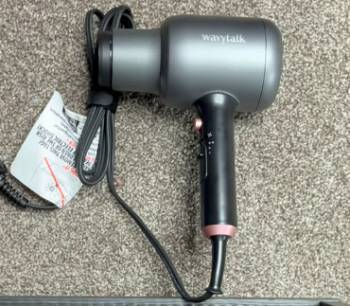
- Steam Hydration: The Hydro-Infusion technology is a game-changer for those with dry or brittle hair that normally hates heat.
- Fast Heat-Up: Getting to your styling temperature in 30 seconds is perfect for anyone who values efficiency in their morning routine.
- Lightweight Design: I found it much easier to maneuver around the back of my head without my arm getting tired.
- Versatile Kits: The ability to swap heads on their multi-tools provides a lot of value for the price.
- Frequent Refills: The small water tank is a minor annoyance if you have very thick or long hair: colon.
- Lower Tension: I noticed it doesn’t grip the hair as tightly as TYMO, which might mean more passes for very curly textures: colon.
- Button Placement: I found myself accidentally changing the temperature because the buttons are right where my thumb naturally rests: colon.
TYMO Pros and Cons
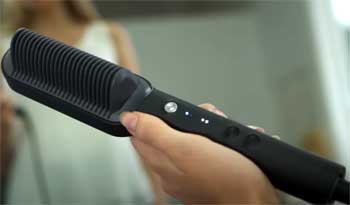
- Maximum Sleekness: The sandwich teeth provide incredible tension that results in a true silk-press finish.
- Precision Heat: Having 16 different settings allows you to find the exact “sweet spot” for your specific hair porosity and health.
- Professional Build: The weight and cord quality feel like something a professional stylist would use in a salon.
- Long-Lasting Style: I found that styles created with the TYMO Ring held up better against humidity than those from the Wavytalk.
- Slower Heating: Waiting a full minute for the tool to be ready can feel like an eternity when you are running late: colon.
- Potential Snagging: If you aren’t careful with detangling, the dense teeth can pull on your strands more than a standard brush: colon.
- Bulkier Frame: The tool is significantly heavier and can be a bit more difficult to pack for light-travel situations: colon.
Detailed Analysis of Wavytalk Tools
Wavytalk has built its reputation on being the affordable, stylish choice for Gen Z and millennials who want variety in their hair routines.
I found that their Multi-Curl 5-in-1 set is one of the most versatile tools on the market because you can switch barrels depending on whether you want tight ringlets or beachy waves.
The Pro Steam series is particularly interesting from an analytical standpoint because it addresses the main complaint of heat styling: dehydration.
I noticed that by using the hydro-infusion technology, I could style my hair daily without seeing the immediate split ends that usually plague my routine.
Wavytalk tools are often lighter, which I found helpful for travel, especially since they almost always include universal voltage for international use.
Detailed Analysis of TYMO Tools
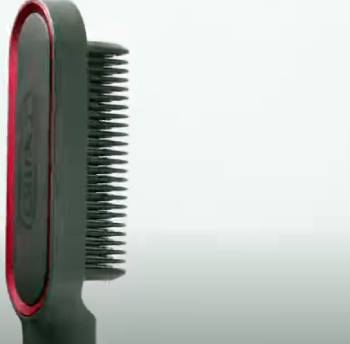
TYMO takes a much more clinical approach to hair straightening, focusing on their patented comb designs that maximize the contact area with your hair.
I found the TYMO Ring series to be incredibly effective for Type 3 and Type 4 hair because the teeth are spaced perfectly to catch curly textures without painful pulling.
The brand emphasizes negative ion technology, and I noticed a significant reduction in static electricity when using their Ionic Plus model compared to standard retail brushes.
I found that the build quality of TYMO feels slightly more “premium” and weighted, which gives me more control when I am trying to straighten the back of my head.
TYMO also offers more heat settings, which is vital if you have fine hair that burns easily or very coarse hair that needs maximum power to move.
Also Read: My Experience With TYMO Hair Straightener
Comparison of Wavytalk Vs. TYMO
- Wavytalk Vs. TYMO: The Straightening Performance
When it comes to the actual straightening performance, I noticed a clear distinction in the end results.
Wavytalk tends to leave the hair with more “body” and movement, which is great if you don’t want your hair to look flat against your head.
I found that the steam from the Wavytalk brush creates a more natural, airy finish that looks like a professional blowout rather than a flat iron job.
On the other hand, TYMO provides a much more compressed, sleek look that is very close to what you would get from a traditional ceramic flat iron.
I noticed that the TYMO Ring is much better at “sealing” the cuticle, which meant my hair stayed straight even after I walked outside into a damp morning.
- Wavytalk Vs. TYMO: Heat Management and Safety
Safety is a huge factor when you are holding a 400-degree tool near your ears and scalp every single morning.
I found that both brands have excellent anti-scald designs, but the TYMO teeth feel a bit more rigid and protective when I am pressing the brush close to my roots.
Wavytalk features a 30-minute auto-shutoff on most of its newer models, which I found to be a massive relief for my “did I leave the iron on?” anxiety.
I noticed that the Wavytalk handles can get a little warm during an extended 20-minute styling session, while the TYMO handles stayed perfectly cool.
Analytically, TYMO’s T-sensor technology for consistent heat distribution is slightly superior, as it prevents “hot spots” that could accidentally singe a section of hair.
Also Read: Comparison Of Tymo Ring Vs. Tymo Ring Plus
Frequently Asked Questions (FAQs)
Yes, TYMO is a global beauty brand based in China that has gained massive popularity in the US and European markets.
Yes, TYMO is widely considered a trusted brand with thousands of positive reviews and a strong reputation for durable, high-quality hair tools.
Wavytalk is the most similar competitor, though brands like MiroPure and L’ange also offer similar hair straightening brushes.
TYMO is generally better for straightening Type 3 and 4 hair, while L’ange is often preferred for its luxury styling products and variety of wands.
Final Thoughts
Selecting the right hair tool is a personal journey that depends entirely on what your hair needs to look its best.
I believe that if you value volume and a hydrated finish, you should buy Wavytalk, as their steam technology is a lifesaver for dry ends.
However, if your main goal is to get your hair as straight and sleek as possible in the shortest amount of time, you should buy TYMO.
You deserve to feel confident every time you walk out the door, and choosing a tool that fits your texture is the first step toward that goal.