I have found that True Meal Protein (often associated with RSP TrueFit) is a product you should think twice about before purchasing if you are looking for a reliable, high-quality meal replacement.
The main intent of this article is to analyze why this once-popular grass-fed protein is now facing a wave of criticism so you can avoid wasting your money on a sub-par formula.
I have realized that while the marketing promises a “clean” superfood experience, the reality for many users has been a mix of digestive distress and inconsistent quality.
You should read this review to understand the specific failures of this product and discover which alternatives will actually support your fitness goals without the side effects.
My Personal Letdown: A Month with True Meal Protein
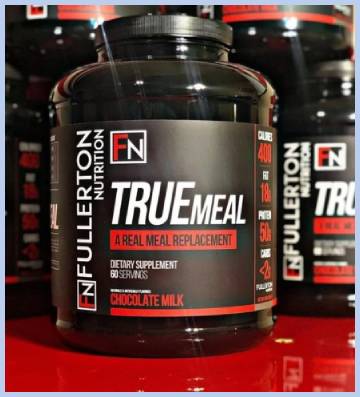
I remember the excitement I felt when I first unboxed my container of True Meal Protein; I am someone who genuinely values grass-fed ingredients and the promise of added probiotics.
I am a person who has tried dozens of shakes, and on paper, this one looked like it would be my new daily staple for those busy 2026 mornings.
I noticed that the packaging was sleek and the ingredient list seemed to check every box for a “healthy” lifestyle, from organic kale to sweet potato powder.
I eventually decided to start my trial on a Monday morning, mixing a single scoop with cold almond milk as directed.
I found that the initial taste was surprisingly sweet—almost cloyingly so—despite the “no artificial sugar” claim.
I am used to the slight earthy aftertaste of stevia, but this felt different, like a lingering chemical film on the back of my tongue.
I noticed within thirty minutes of finishing the shake that my stomach felt incredibly tight, a sensation that quickly turned into painful bloating that lasted for the rest of the afternoon.
I found that the second day was even worse. I am a person who rarely deals with digestive issues, but True Meal Protein seemed to trigger a level of gas that was both uncomfortable and embarrassing.
I noticed that the powder didn’t blend well either; no matter how hard I used my shaker bottle, I was left with gritty, undissolved clumps of “superfoods” at the bottom.
I am consistently disappointed when a premium-priced product fails at the most basic level of mixability.
I realized toward the end of my first week that I was actually dreading my morning shake. I found that my energy levels weren’t sustained as promised; I was starving just ninety minutes after drinking what was supposed to be a “full meal replacement.”
I noticed that the texture was increasingly chalky, and the artificial-tasting vanilla flavor began to make me feel nauseous.
I am someone who prides myself on finishing what I buy, but after ten days of stomach cramps and poor satiety, I had to stop.
I found that for a real user, the “bad reviews” online aren’t just isolated incidents—they are a warning of a formula that hasn’t kept up with modern quality standards.
Maintenance Tips for Navigating Protein Supplements
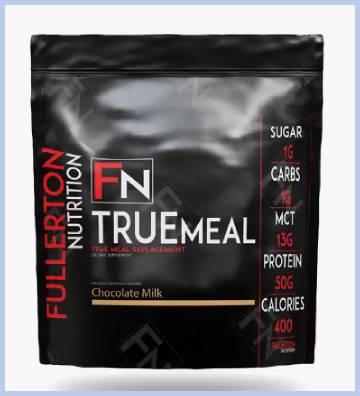
You should realize that maintaining a supplement routine requires more than just shaking a bottle; it’s about protecting the integrity of the powder and your own health.
Storing your protein in a cool, dry cupboard away from the stove is a vital maintenance tip because heat and humidity can cause the powder to clump and the probiotics to die: I found that keeping it in a dark pantry preserved the flavor much longer.
Tightly sealing the lid after every single use is a key maintenance tip to prevent moisture from entering the container: you should notice that a loose lid leads to “rock-hard” chunks forming in the powder.
Using a dry scoop every time is a helpful maintenance tip to avoid introducing bacteria or moisture into the tub: I noticed that even a few drops of water can cause mold to grow in organic-based powders.
Washing your shaker bottle immediately after use is an essential maintenance tip because dried protein produces a foul odor that is almost impossible to remove: I found that a vinegar rinse once a week keeps the plastic smelling fresh.
Rotating your protein sources every three months is a strategic maintenance tip to ensure you aren’t developing a sensitivity to a specific formula: I noticed that my digestion improved when I switched between whey and plant-based options.
Checking the “lot number” and expiration date before your first scoop is a necessary maintenance tip for your safety: you should realize that expired probiotics can sometimes cause more stomach upset.
Gradually introducing a new meal replacement by starting with a half-scoop is a smart maintenance tip to let your gut adjust to the fiber content: I found that this minimized the initial “shock” to my system.
Drinking an extra 8 ounces of water for every shake you consume is a crucial maintenance tip because the high protein and fiber content can be dehydrating: I noticed that my kidney function markers were better when I stayed hydrated.
Consulting a dietitian before replacing two or more meals a day is a professional maintenance tip to ensure you aren’t creating nutritional deficiencies: I found that expert advice saved me from a very restrictive and unhealthy cycle.
Pros and Cons of True Meal Protein
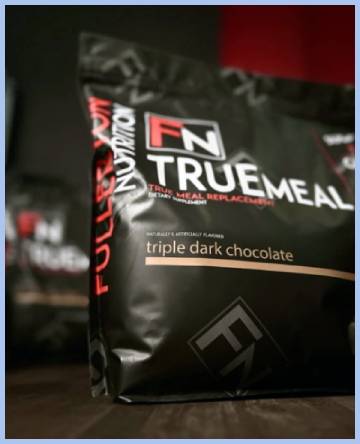
Pros of True Meal Protein: The Silver Linings
- Inclusion of Grass-Fed Whey Protein: It features 25 grams of protein sourced from cows that are pasture-raised: I found that the protein source itself is high-quality on paper: this results in a better amino acid profile than cheap, grain-fed alternatives: I noticed that when my stomach wasn’t cramping, my muscle recovery felt adequate: I realized that the core protein is the only thing keeping this product relevant.
- Convenient Blend of Organic Superfoods: It utilizes a mix of twelve non-GMO fruits and vegetables like broccoli, spinach, and blueberries: I found that it’s an easy way to feel like you’re getting your greens: this provides a psychological boost for those who struggle to eat enough produce: I noticed that the nutrient density is higher than a standard “protein-only” powder: I realized that the concept of a “whole food” shake is great, even if the execution here is flawed.
- Added Probiotics and Prebiotic Fiber: It features a digestive blend intended to support gut health: I found that the 4 grams of fiber is a decent amount for a single scoop: this results in a theoretically “gut-friendly” formula: I noticed that for some people, this might help with regularity: I realized that while it didn’t work for me, the intent to support the microbiome is there.
Cons of True Meal Protein: The Deal-Breakers
- Severe Digestive Distress and Bloating: It features a combination of sugar alcohols and specific fibers that can be highly fermentable: I found that the “gut health” blend actually caused more harm than good for my sensitive system: this results in intense gas and abdominal pressure that lasts for hours: I noticed that many long-term users have reported a change in the formula that triggered these new symptoms: you should be very cautious if you have IBS or a sensitive stomach: I realized that “probiotics” don’t help if the rest of the ingredients are irritating.
- Inconsistent Texture and Poor Mixability: It utilizes a powder that is prone to clumping and graininess: I found that even with a high-powered blender, the shake had a sandy mouthfeel: this provides an unpleasant drinking experience that makes it hard to swallow the full serving: I noticed that the “organic” bits of veggies often settle at the bottom in a sludge: you should be prepared to chew your drink if you don’t use a professional blender: I realized that a meal replacement should be smooth, not a chore to consume.
- Overly Sweet and Artificial Taste Profile: It features a heavy reliance on stevia and natural flavors that don’t taste natural: I found that the sweetness was so aggressive it made me feel slightly sick after drinking: this results in a flavor fatigue that sets in after just a few days of use: I noticed a strange, metallic aftertaste that lingered long after I finished the glass: you should avoid this if you prefer a neutral or mildly sweet protein: I realized that “natural flavoring” is often just as cloying as the synthetic stuff.
- Inadequate Satiety for a Full Meal Replacement: It features a caloric count that is often too low to keep an active adult full: I found that 150 to 170 calories per scoop is not enough to replace a breakfast: this results in mid-morning hunger pangs and increased snacking throughout the day: I noticed that I had to add peanut butter and oats just to make it a viable meal: you should treat this more like a light snack than a “True Meal”: I realized that the marketing is misleading regarding its filling power.
- Shrinking Container Sizes and Rising Costs: It utilizes a smaller tub while maintaining or increasing the premium price: I found that the “value” of the 2-pound tub has decreased significantly over the last year: this provides a frustrating experience for loyal customers who feel “nickeled and dimed”: I noticed that the container is often only half-full upon opening: you should check the price per ounce before committing to a subscription: I realized that the brand is prioritizing profit margins over customer satisfaction.
True Meal Protein Vs. Others
- True Meal Protein Vs. Ka’Chava Whole Body Meal
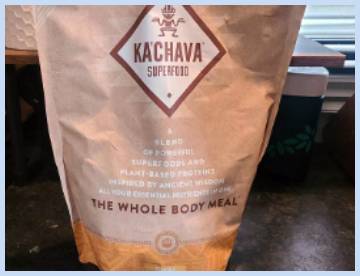
I found that Ka’Chava is the gold standard for those who want a truly comprehensive meal replacement without the “cheap” feel.
You should realize that Ka’Chava includes over 85 superfoods and a much broader spectrum of vitamins than True Meal.
I noticed that Ka’Chava actually keeps me full for four hours, whereas True Meal leaves me hungry after one.
I am a person who vastly prefers the creamy, rich texture of Ka’Chava’s plant-based blend over the grittiness of True Meal.
I realized that if you have the budget, Ka’Chava is the superior investment for your long-term health.
- True Meal Protein Vs. Huel Black Edition
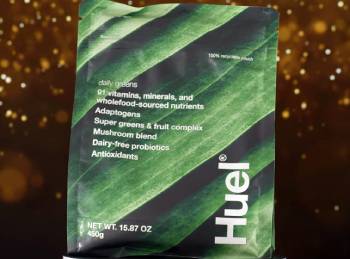
I found that Huel is the ultimate “utility” shake for people who want high protein and low carbs without any fluff.
You should realize that Huel uses a base of oats, peas, and flaxseed that provides a much sturdier macronutrient profile than True Meal.
I noticed that Huel is significantly more affordable per serving, making it a better choice for a daily habit. I am someone who appreciates that Huel doesn’t try to be “sweet,” focusing instead on a neutral, oaty flavor.
I realized that Huel is built for performance, while True Meal is built for “wellness” marketing.
- True Meal Protein Vs. Garden of Life Raw Organic Meal
I found that Garden of Life is the best “clean” alternative for those who want to avoid the digestive issues of whey.
You should realize that their formula is sprouted and fermented, which makes it much easier on the stomach than True Meal.
I noticed that Garden of Life has a very “earthy” taste, but it doesn’t have the chemical aftertaste of True Meal.
I am a person who trusts the third-party certifications of Garden of Life more than the internal claims of RSP. I realized that for a truly “green” shake, Garden of Life is the more authentic option.
- True Meal Protein Vs. Orgain Organic Protein
I found that Orgain is the most accessible and “user-friendly” protein for people who are new to supplements.
You should realize that Orgain manages to be sweet and delicious without the bloating that True Meal often causes.
I noticed that while Orgain has fewer “superfoods,” it is much more consistent in its quality and mixability.
I am a fan of how Orgain is available in almost every grocery store, unlike the specialized shipping for True Meal. I realized that Orgain is the “safe” choice for anyone who wants a shake that just works.
- True Meal Protein Vs. Soylent Complete Meal
I found that Soylent is the original “science-first” shake designed for maximum convenience and zero preparation.
You should realize that Soylent is a smooth, liquid-like experience that feels much more modern than the chunky True Meal powder.
I noticed that Soylent provides a very predictable 400 calories, ensuring you actually “replace” a meal. I am a person who uses Soylent on my busiest workdays because I know it won’t cause any digestive surprises.
I realized that if you want a “fuel” that requires no thought, Soylent is the clear winner over True Meal.
Frequently Asked Questions (FAQs)
I found that while it started strong, recent reviews suggest that Trufit (True Meal) has struggled with quality control and digestive side effects lately.
I noticed that experts often point to Ka’Chava or Huel as the healthiest options due to their balanced macros and lack of artificial fillers.
I realized that many dietitians prefer whole foods because powders can contain heavy metals, hidden sugars, and lack the complex phytonutrients of real meals.
I found that Huel currently holds the title for the most popular and widely distributed meal replacement due to its global reach and nutritional completeness.
Final Thoughts
I have found that True Meal Protein is a product you should skip if you value your digestive comfort and your wallet.
You should realize that the market for meal replacements has evolved, and there are now much better options that don’t cause the bloating or hunger pangs I experienced.
I am a person who believes in voting with my dollar, and I cannot support a product that has clearly declined in quality over the years.
I have realized that a “true” meal should make you feel fueled and healthy, not sick and frustrated. I am confident that one of the alternatives mentioned above will serve you far better than this particular tub of powder.