When I first started looking into laser hair growth tech, I felt completely overwhelmed by the choice between Theradome and iRestore.
My intent with this article is to give you a clear, first-person perspective on which of these devices is actually worth your hard-earned cash so you can stop stressing about your hairline and start seeing real results.
I’ve analyzed the specs, the comfort, and the clinical backing of both brands to help you decide which helmet belongs on your head and which one should stay on the shelf.
Comparison Table: Theradome PRO Vs. iRestore Professional
| Feature | Theradome PRO LH80 | iRestore Professional |
| Light Source | 80 Medical-Grade Lasers | 282 Lasers & LEDs |
| Technology | Laser Phototherapy (LPT) | Laser & LED Hybrid |
| Treatment Time | 20 Minutes | 25 Minutes |
| Frequency | 2x per week | 3x per week (or every other day) |
| Design | Rigid Helmet | Soft-cushioned Helmet |
| Wavelength | 680 nm (Red) | 650 nm (Red) |
| Mobility | Cordless (Built-in battery) | Corded (Battery pack optional) |
| Warranty | 1-Year Limited | 2-Year Standard |
My Experience with the Technology
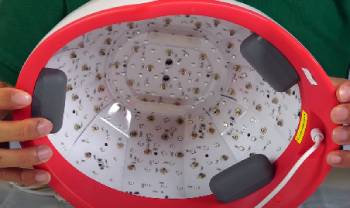
When I first unboxed the Theradome PRO, the first thing I noticed was the build quality.
It feels like a high-end piece of medical equipment that you would find in a specialist’s office.
Because it is completely cordless, I found it incredibly easy to just pop it on while I was catching up on my favorite shows or doing some light reading.
I didn’t have to worry about being tethered to a wall, which is a massive plus for my lifestyle.
On the other hand, my experience with the iRestore Professional was a bit different in terms of sheer power.
When you turn on the iRestore, the internal glow is intense because it packs a staggering 282 light diodes.
It feels more like a “full scalp bath” of light compared to the more targeted feel of the Theradome.
I did notice that the iRestore is significantly more comfortable for longer sessions because it has soft foam inserts that prevent the plastic from digging into your forehead.
While the iRestore usually requires a cord connected to a battery pack or outlet, that extra power output gave me the feeling that it was doing a lot of heavy lifting.
In terms of results, both devices require serious patience.
I noticed a significant decrease in shedding after about eight weeks of consistent use with the iRestore, whereas the Theradome took a bit longer to show visual density changes, but the hair that did grow back felt remarkably strong.
It really comes down to whether you prefer a “set it and forget it” cordless experience or a more powerful, high-density session.
Understanding the Science of Photobiomodulation
To truly appreciate why I spent so much time debating between Theradome and iRestore, you have to understand the biological mechanism at play, which is known as Photobiomodulation.
I was skeptical at first because the idea of shining a light on your head to grow hair sounds like something out of a science fiction novel.
However, the reality is grounded in cellular biology and how our mitochondria react to specific wavelengths of red light.
When I wear my laser helmet, the 650 nm to 680 nm light waves penetrate the skin of my scalp and reach the base of the hair follicles.
Once the light reaches the mitochondria—the “powerhouses” of the cells—it stimulates the production of Adenosine Triphosphate, or ATP.
This increase in cellular energy is what actually “wakes up” dormant hair follicles that have been stuck in the resting phase for too long.
I noticed that during my first few months of treatment, my scalp felt warmer and more “alive,” which is a result of the increased blood flow and vasodilation caused by the light energy.
This improved circulation is crucial because it delivers more oxygen and nutrients to the hair bulb while helping to carry away waste products like DHT.
It is important to remember that this is not a permanent fix but a way to manage the environment of your scalp.
If you stop providing that light energy, the follicles will eventually return to their previous sluggish state.
That is why the convenience of the device matters so much; you are essentially signing up for a long-term relationship with your laser helmet.
By choosing a device like the Theradome or iRestore that fits comfortably into your routine, you are ensuring that your cells get that consistent “recharge” they need to keep producing thick, healthy hair strands.
I have found that understanding this “battery recharge” analogy helped me stay consistent even on the days when I didn’t feel like wearing a glowing helmet for twenty-five minutes.
Theradome: The Targeted Laser Specialist
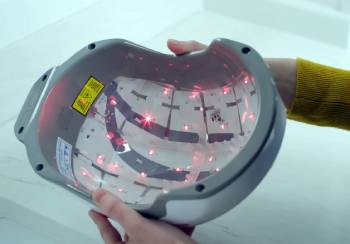
The Theradome PRO LH80 is built on the philosophy that the quality of the light matters more than the quantity of bulbs.
It uses 80 proprietary VL680 lasers that are grown right in Silicon Valley.
I really appreciate the voice-guided instructions; the helmet actually talks to you to let you know how many treatments you’ve completed and how much time is left.
Because it uses only lasers (no LEDs), the light is highly coherent and focused, which the manufacturer claims allows for deeper penetration into the hair follicle.
Pros:
- Completely cordless design offers total freedom of movement during your treatment.
- Voice-guided system keeps you on track without needing to check an app or a timer.
- Only requires two sessions a week, making it the least demanding schedule on the market.
- Uses a 680 nm wavelength which is slightly deeper than the industry standard.
- Built-in heat management ensures the lasers stay at the optimal temperature for growth.
Cons:
- The rigid plastic shell can be uncomfortable if you have a larger or uniquely shaped head.
- Fewer total diodes compared to high-end hybrid models like iRestore.
- Higher price point considering it has fewer light sources than some competitors.
Also Read: My Thoughts On Capillus Laser Cap
iRestore: The High-Power Hybrid
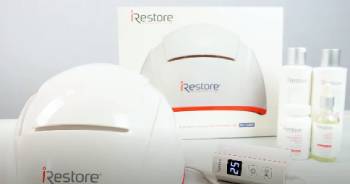
The iRestore Professional is the heavy hitter of the bunch, combining lasers with LEDs to provide a “blanket” of light.
I’ve found that the addition of LEDs helps cover the areas between the laser points, ensuring that no part of the scalp is left in the dark.
The air-ventilated design is a genius touch because sitting under 282 lights can actually get a bit warm after twenty minutes.
If you have a receding hairline or thinning at the temples, the iRestore Professional’s coverage reaches further down the sides than the Theradome.
Pros:
- Massive diode count (282) provides the highest power output in its class.
- Extremely comfortable foam padding makes the 25-minute sessions go by quickly.
- Better coverage for the temples and the very front of the hairline.
- 12-month money-back guarantee gives you a full year to see if it works for you.
- Dual-technology approach uses both focused lasers and broad-coverage LEDs
Cons:
- Most models require a cord, which can be annoying if you want to walk around.
- Requires more frequent treatments (3 times a week) than the Theradome.
- The optional battery pack for mobility is an extra expense.
Maintenance Tips for Your Laser Helmet
Taking care of your hair growth device is the best way to protect your investment for the long haul:
Always wipe down the internal transparent shield with a dry microfiber cloth after every use to prevent scalp oils from clouding the light.
Do not use any liquid cleaners or alcohol wipes on the internal diodes as this can damage the sensitive electronics.
Store your helmet in a cool, dry place and avoid leaving it in a bathroom where steam and humidity can seep into the circuitry.
For cordless models like the Theradome, try not to let the battery drain to zero percent; keeping it charged between sessions will extend the battery’s lifespan.
If your iRestore has foam pads, you can occasionally hand-wash them with a tiny amount of mild soap and let them air dry completely before reattaching.
Avoid dropping or bumping the helmet, as the medical-grade lasers are precisely calibrated and can be knocked out of alignment.
Make sure your hair is completely dry before putting on the device, as wet hair can reflect the light and reduce the effectiveness of the treatment.
If you use hair products like Minoxidil or serums, apply them after your laser session so they don’t block the light from reaching your scalp.
Periodically check the charging ports for dust or lint that might interfere with a solid power connection.
Also Read: My Thoughts On Kiierr Laser Cap
Frequently Asked Questions (FAQs)
The iRestore Professional is currently considered the best for overall power and coverage due to its 282 diodes, while the Theradome PRO is the best for portability and ease of use.
Yes, Theradome has been FDA-cleared and shown in clinical trials to increase hair count and density in the majority of users when used consistently twice a week.
Theradome is a rigid helmet that offers better scalp penetration for some, while Capillus is a flexible cap insert that is more discreet for use under a baseball hat.14
There are virtually no side effects, though some users may experience temporary scalp itching or a mild headache during the first few sessions as blood flow increases.
Final Thoughts
In conclusion, I think you will be happy with either of these devices if you commit to the schedule and manage your expectations for long-term growth.
If you want the freedom to move around your house without a cord, you should choose the Theradome.
However, if you are looking for maximum power and the most comfortable fit possible, I believe you will find the iRestore Professional to be the superior choice.
I hope this helped you clear up the confusion so you can start your journey to a thicker, healthier head of hair.