I have found that choosing between Strataderm and Mederma is a mechanical necessity for anyone navigating the emotional and physical journey of skin recovery after surgery, injury, or acne.
The main intent of this article is to provide you with a transparent, analytical comparison of specialized medical-grade silicone versus botanical onion extracts so you can select the formula that fits your specific scar type.
I realized that while both brands dominate the market, they operate on completely different biological principles to restore your skin’s appearance.
You should read this guide to discover which product will actually help you reclaim your skin’s natural texture and confidence.
| Feature | Strataderm Scar Therapy Gel | Mederma Advanced Scar Gel |
| Active Technology | 100% Medical-Grade Silicone | Cepalin (Onion Extract) & Allantoin |
| Best For | Raised (Hypertrophic), Keloid, Surgical | Flat, Red, Acne marks, New injuries |
| Drying Time | 3–5 Minutes (Rapid) | 10–15 Minutes (Tacky) |
| Application | 1–2 times daily | Once daily |
| Finish | Completely invisible, matte | Shiny film, prone to “pilling” |
| Clinical Classification | Class I Medical Device (FDA Cleared) | Cosmetic / Topical Treatment |
| Safety | Pediatric & Sensitive skin safe | May sting; contains fragrance |
My Journey Through Professional Scar Management: A User View
I remember the day I caught a glimpse of my surgical scar in the mirror and felt a wave of frustration.
I am someone who used to believe that scars were just permanent reminders of past accidents, but after a recent procedure, I wasn’t ready to let a raised purple line stay on my skin forever.
I eventually decided to experiment with both Strataderm and Mederma because I wanted to see if the expensive medical silicone really lived up to the hype compared to the classic botanical formula.
I found that starting with Mederma was the easiest entry point because it is available at almost every pharmacy and the once-a-day application felt like a minor addition to my routine.
I noticed right away that Mederma has a specific botanical scent—a bit sweet but sharp—and it dries down into a very thin, slightly shiny film.
I am a user who values results, and after four weeks of Mederma, the “angry” redness of my scar had definitely calmed down, but the actual thickness of the scar remained exactly the same.
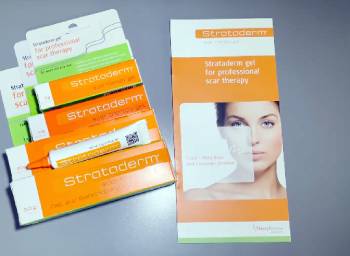
I eventually switched to Strataderm for my more stubborn surgical incision because I had heard it was the specific brand my plastic surgeon preferred.
I found that the Strataderm gel was incredibly lightweight and, unlike other products I’ve tried, it didn’t leave a sticky residue that grabbed onto my clothing.
I noticed that within three weeks of using the silicone, the actual “bump” of the scar began to feel softer and significantly less rigid under my finger.
I realized that Mederma was excellent for fading the color of flat marks, but Strataderm was the heavy lifter for changing the physical architecture of the scar tissue.
I am now at the point where my scar is almost flush with my skin, and I attribute this success to knowing exactly when to use a botanical and when to use a physical silicone barrier.
I have found that your success depends on your discipline and your understanding of what your skin actually needs—is it hydration and occlusion, or is it an anti-inflammatory boost?
Maintenance Tips for Your Scar Recovery Routine
You should realize that no product can work its magic if you are neglecting the fundamental health of your skin during the remodeling phase.
Applying a high-SPF sunscreen over your scar every single time you go outside is a vital maintenance tip because UV rays darken scar tissue permanently: I found that my scars stayed pink longer when I forgot my sunblock.
Ensuring the skin is 100% clean and dry before applying Strataderm is a key maintenance tip to allow the silicone to bond: I noticed that if I had any lotion on the skin, the gel wouldn’t dry properly.
Massaging the scar area for three minutes twice a day is a helpful maintenance tip to break down the dense collagen: I found that this physical manipulation complemented the products perfectly.
Waiting for the skin to be fully closed and the stitches removed before starting treatment is an essential maintenance tip to avoid infection: I noticed that starting too early actually made my redness worse.
Using only a tiny amount of Strataderm is a necessary maintenance tip because a thick layer won’t dry and is a waste of money: I found that a “pea-sized” amount covers a surprisingly large area.
Keeping your body hydrated from the inside out is a smart maintenance tip because dehydrated skin cannot effectively remodel itself: I noticed my skin looked much more resilient when I drank more water.
Storing your gel in a cool, dry place is a crucial maintenance tip to keep the ingredients stable: I found that leaving the tube in a hot car made the consistency a bit watery.
Applying the product at the same time every day is a helpful maintenance tip to ensure continuous contact: I noticed the best results when the scar was covered 24/7.
Being patient for at least ninety days is a strategic maintenance tip because skin cycles take a long time to show structural change: I found that persistence was my biggest asset.
Consulting a specialist if you see the scar becoming painful or growing is a final maintenance tip for your safety: I noticed that some keloids require professional intervention beyond gels.
Pros and Cons of Strataderm
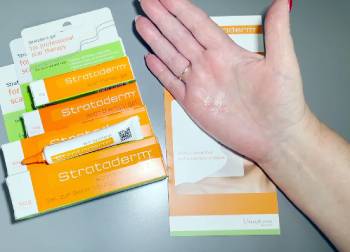
Pros of Strataderm: The Gold Standard Silicone
- Patented Medical-Grade Occlusion: It features 100% silicone technology that creates a gas-permeable, waterproof barrier over the scar: I found that this mimics the skin’s natural moisture barrier perfectly: this results in a much flatter and softer scar over time: I noticed that the skin underneath felt shielded from the environment: I realized that this is the closest thing to professional clinic results you can get at home.
- Exceptional Drying Time and Finish: It utilizes a rapid-drying formula that disappears into a matte, invisible finish in less than five minutes: I found that I could apply my sunscreen and makeup directly over it without any clumping: this provides a high level of discretion for facial scars: I noticed that it doesn’t rub off on clothes or bedsheets: I realized that for active people, Strataderm is the most convenient silicone option.
- Safe for All Ages and Skin Types: It features a non-reactive, biocompatible formula that contains no alcohol or fragrances: I found that I could use it even on my sensitive eyelids without any stinging: this results in a product that is safe for babies and people with skin allergies: I noticed that it didn’t cause any breakouts or clogged pores: I realized that Strataderm is the analytical choice for high-stakes healing.
Cons of Strataderm: The Realistic Drawbacks
- Premium Price Point: It features a much higher cost per gram compared to standard over-the-counter gels: I found that buying the 10g tube felt like a significant investment: this results in a product that you really have to budget for: I noticed that for very large scars, you might need multiple tubes: you should realize that you are paying for Swiss medical engineering: I realized that the cost is the main barrier for most users.
- Requirement for Extreme Patience: It utilizes a physical remodeling process that takes at least sixty to ninety days to show real change: I found that I didn’t see a visible “wow” moment until my second month of use: this results in some people giving up before the product can work: I noticed that older scars take even longer to respond: you should realize that this is not an overnight fix: I realized that discipline is mandatory for success.
Pros and Cons of Mederma
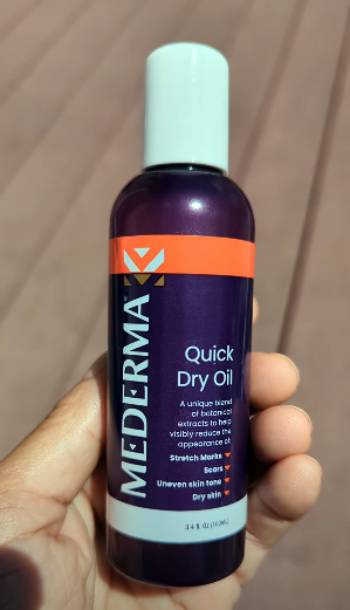
Pros of Mederma: The Botanical Alternative
- Convenient Once-Daily Application: It features a concentrated formula designed to work with just one layer every twenty-four hours: I found that this made it nearly impossible to forget my treatment: this provides a high level of compliance for busy lifestyles: I noticed that the large tube lasts for several months: I realized that for superficial marks, this is the most practical choice.
- Effective for Superficial Discoloration: It utilizes Cepalin (onion extract) and Allantoin to target the red and purple tones in new scars: I found that it worked wonders on my flat acne marks, turning them pale within a few weeks: this results in a more even skin tone that is easier to blend: I noticed it has a cooling effect on inflamed skin: I realized that for color correction, Mederma is a strong contender.
Cons of Mederma: The Sensory Reality
- Pilling and Flaking Issues: It features a formula that dries into a visible, plastic-like film that can easily peel off: I found that if my collar rubbed against it, the product would flake like a dry sunburn: this results in a messy appearance that isn’t ideal for exposed areas: I noticed that makeup does not sit well on top of it: you should realize that this product needs to sit undisturbed to work: I realized that it is best used as a nighttime treatment.
- Scent and Irritation Potential: It utilizes a botanical base that has a very distinct, sweet herbal smell that lingers: I found that when I applied it too close to an unhealed area, it caused a sharp stinging sensation: this results in a need to be very careful with sensitive skin: I noticed that the fragrance can be a bit overwhelming: you should realize that it is not as “pure” as silicone gels: I realized that Mederma isn’t for everyone.
Strataderm Vs. Mederma: The Comparison
- Strataderm Vs. Kelo-Cote
I found that Strataderm is slightly more “liquid” and easier to spread than Kelo-Cote, which can feel a bit thicker.
You should realize that both are top-tier silicone gels, but Strataderm is often preferred for larger surface areas because of its spreadability.
I noticed that Strataderm has more specific clinical trials for keloids, making it my choice for high-risk scars.
I am a user who observed that both dry to a matte finish, but Strataderm feels a bit more “weightless” on the skin.
I realized that for surgical scars, Strataderm is the slightly more modern, refined choice.
- Mederma Vs. Bio-Oil

I found that Bio-Oil is a fantastic hydration tool for widespread marks, but it lacks the active “scar-fighting” power of Mederma.
You should realize that Bio-Oil is a liquid that can be quite messy, whereas Mederma stays exactly where you put it.
I noticed that Mederma is much more effective at taking the “red” out of a scar in a short amount of time.
I am someone who thinks Bio-Oil is great for preventing marks, but Mederma is the choice for treating an existing one.
I realized that for specific, isolated scars, the targeted gel of Mederma is superior to a general-purpose oil.
- Strataderm Vs. ScarAway
I found that Strataderm is a more advanced medical formula compared to the consumer-grade gel offered by ScarAway.
You should realize that ScarAway is mostly known for its physical sheets, which provide more compression but are very visible.
I noticed that Strataderm is much easier to use on the face or near joints where sheets won’t stay stuck.
I am a user who prefers the “invisible” nature of Strataderm over the bulky patches of ScarAway.
I realized that for a discrete, professional-grade treatment, Strataderm is the winner.
- Mederma Vs. Cicatricure
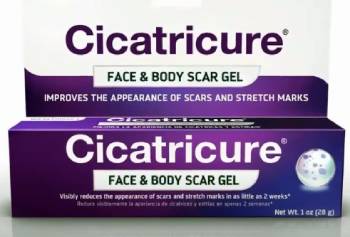
I found that Mederma has a much stronger focus on clinical evidence with its onion extract than Cicatricure does.
You should realize that Cicatricure requires four applications a day, which is much more demanding than Mederma.
I noticed that Mederma is more effective at targeting the specific purple discoloration of a new scar.
I am someone who thinks Cicatricure is better for general skin smoothing, but Mederma is the specialist for injury marks.
I realized that for a busy person, the compliance rate with Mederma will always be higher.
- Strataderm Vs. Dermatix
I found that Dermatix is a very popular silicone gel in Europe that behaves very similarly to Strataderm.
You should realize that Strataderm is often the preferred choice in clinical settings because of its specific FDA clearance as a medical device.
I noticed that Strataderm dries just a bit faster, which is important when you are trying to get out the door in the morning.
I am a user who found that Strataderm had a better “grip” on the skin throughout the day.
I realized that for the highest standard of silicone therapy, Strataderm is the analytical favorite.
Frequently Asked Questions (FAQs)
I found that for structural changes like flattening and softening, 100% medical-grade silicone gels like Strataderm are considered the most effective by clinical standards.
I noticed that for new scars, a minimum of 60 to 90 days is recommended, while older or more severe scars may require six months of continuous use.
I realized that it is exceptionally good for surgical, burn, and acne scars because it creates a protective barrier that prevents abnormal collagen growth.
I found that most plastic surgeons recommend silicone-based products like Strataderm because it has Level 1 clinical evidence for preventing hypertrophic and keloid scars.
Final Thoughts
I have found that Strataderm vs Mederma is a product you should buy if you are ready to take an active role in how your body heals and want to ensure your skin looks its absolute best after a trauma.
You should realize that the main intent of this comparison was to help you differentiate between the “physical” remodeling of silicone and the “chemical” fading of botanical extracts.
I am a person who has seen how much confidence is restored when a scar finally begins to blend in, and I know that the right product makes all the difference.
I have realized that by investing in a high-quality treatment now, you are preventing years of self-consciousness in the future.