
Navigating the world of gut health often feels like a guessing game where you are constantly wondering if the expensive pills you are swallowing even survive the journey through your stomach acid.
I have spent years researching nutritional science to provide an analytical Seed daily synbiotic review that explains how this dual-chamber technology actually functions in a real human body.
My intent is to show you why the “capsule-in-capsule” design is a significant advancement over traditional probiotics that often die before they reach their destination.
You should buy the Seed DS-01 Daily Synbiotic if you want a science-backed, shelf-stable supplement that addresses bloating, regularity, and whole-body health with clinical-grade precision.
My personal experience with the Seed DS-01 Daily Synbiotic
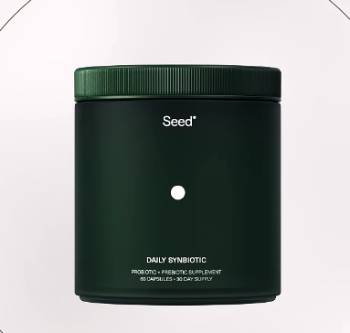
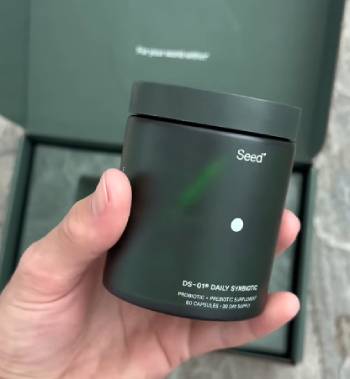
I remember the first time I held the glass, forest-green jar of Seed; it felt more like a piece of high-end design than a supplement.
I have tried countless probiotics over the years, ranging from the cheap grocery store versions to the high-end refrigerated powders that cost a fortune.
Most of them left me feeling either exactly the same or, in some cases, significantly more bloated than when I started.
When I began my journey with the DS-01, I decided to follow their recommended “onboarding” process, taking just one capsule daily for the first three days before moving to the full dose.
The first thing I noticed was the lack of any immediate nausea, which is a common issue I have with supplements taken on an empty stomach.
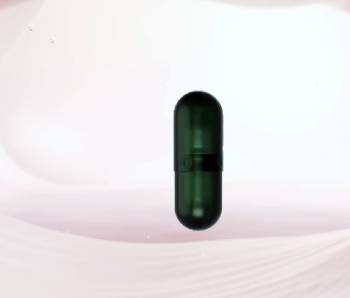
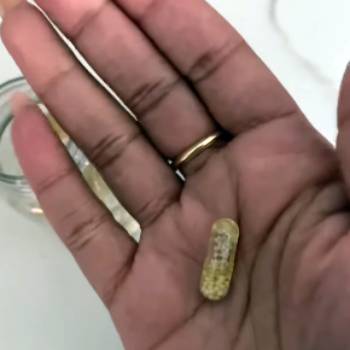
The capsule itself is fascinating to look at—a small green pill nested inside a larger amber-colored liquid capsule.
By the second week, the daily sluggishness I usually felt after lunch started to dissipate.
I am someone who has struggled with irregular digestion for a long time, and I noticed a steady shift toward a much more predictable and comfortable routine.
What really impressed me was how gentle the transition was. I didn’t experience the intense gas or cramping that often accompanies “repopulating” your gut microbiome.
Instead, there was just a subtle flattening of my midsection as the chronic bloating I had accepted as “normal” finally began to subside.
I also traveled with the bottle during a two-week trip, and the fact that it is shelf-stable was a total game-changer.
I didn’t have to worry about finding a fridge in my hotel room or the bacteria dying in my suitcase.
After a full month of use, my skin actually looked clearer, and I felt a sustained level of energy that I hadn’t felt in years.
It didn’t feel like a temporary fix; it felt like I was finally giving my internal ecosystem the actual tools it needed to function.
The analytical side of me appreciated that I wasn’t just relying on “feeling” better, but knowing that the 24 specific strains were actually reaching my colon thanks to that nested capsule design.
Maintenance and tips for gut health optimization
Maximizing the benefits of a synbiotic like Seed requires a bit more than just remembering to swallow a pill every morning.
- Take your capsules on an empty stomach: Seed recommends taking your dose at least 15 to 30 minutes before a meal. This ensures that the capsule passes through the stomach as quickly as possible, minimizing exposure to digestive enzymes that are triggered by eating.
- Stay consistent with your timing: The microbiome thrives on regularity. Try to take your DS-01 at the same time every day to keep a steady concentration of the probiotic strains in your system. This helps maintain the “barrier integrity” the formula is designed to support.
- Increase your fiber intake: While Seed contains a prebiotic to feed the specific strains in the capsule, your entire gut ecosystem still needs a variety of fibers from whole foods. Eating plenty of leafy greens, lentils, and berries will act as “fertilizer” for the good bacteria Seed is introducing.
- Keep the glass jar in a visible spot: Since it doesn’t need to be in the fridge, I keep mine on my nightstand or bathroom counter. This visual cue prevents the “out of sight, out of mind” problem that often leads to missed doses.
- Hydrate more than usual: Probiotics and prebiotics can change how water is absorbed in the colon. Drinking an extra glass of water with your dose helps flush out toxins and keeps the digestive process moving smoothly as the new bacteria take hold.
- Don’t skip the onboarding phase: I know it is tempting to start at full strength, but please listen to your body. Starting with one capsule for the first three days allows your existing gut flora to “make room” for the new guests without causing a massive internal stir.
Pros and Cons of the Seed DS-01 Daily Synbiotic
Pros of the Seed DS-01 Daily Synbiotic
- Patented ViaCap Technology: The 2-in-1 nested capsule protects the probiotic strains from stomach acid and bile, ensuring they reach the colon where they can actually work.
- Comprehensive 24-Strain Formula: Unlike basic supplements that only use one or two strains, Seed includes 24 clinically studied strains that target heart health, skin health, and immune function.
- No Refrigeration Required: The shelf-stable nature makes it incredibly convenient for travel and ensures the potency remains high regardless of where you store it.
- Prebiotic and Probiotic Synergy: The outer capsule contains a patented, non-fermentative prebiotic made from Indian pomegranate, which feeds the good bacteria without causing gas.
- Extreme Purity and Testing: Every batch undergoes rigorous third-party testing for over 400 pesticides, heavy metals, and common allergens, making it one of the cleanest options on the market.
- Sustainable and Refillable System: The initial glass jar is designed to be kept forever, and the monthly refills arrive in compostable pouches made from mushrooms and corn.
Cons of the Seed DS-01 Daily Synbiotic
- Higher Monthly Investment: When compared to standard drugstore brands, the subscription cost is significantly higher: you are paying for the extensive clinical research and specialized delivery technology which may not fit every budget.
- Initial Adjustment Period: For the first few days, your body has to adapt to the new influx of bacteria: this can result in mild gastrointestinal shifts or a change in stool consistency as your microbiome rebalances itself.
- Subscription-Only Model: It can be difficult to buy a single bottle without signing up for a recurring shipment: while you can cancel or skip easily, some users find the lack of a “one-off” purchase option frustrating.
- Capsule Size and Quantity: You eventually have to take two capsules per day to reach the full clinical dose: for those who struggle with swallowing pills, the relatively large size of the nested capsules could be a daily challenge.
- Not a “Magic Bullet” for Instant Relief: This is a long-term wellness product rather than an overnight fix for constipation or bloating: it takes several weeks of consistent use to see the full whole-body benefits, which might discourage people looking for instant results.
- Intense Onboarding Instructions: You have to be very diligent about starting slowly and following the specific timing: if you jump straight into the full dose without letting your gut acclimate, you are much more likely to experience temporary discomfort.
Seed DS-01 Vs. Other Brands
- Seed DS-01 Vs. Ritual Synbiotic+
Ritual is a major competitor that also uses a visible “nested” capsule design. In the comparison of Seed DS-01 vs. Ritual Synbiotic+, the main difference is the complexity of the formula.
Ritual uses only two probiotic strains and focuses heavily on delayed release. Seed uses 24 strains that cover a much wider range of health markers, including skin and cardiovascular health.
While Ritual is slightly more affordable, the analytical value of Seed’s diverse strain profile makes it a much more comprehensive tool for whole-body wellness.
- Seed DS-01 Vs. Garden of Life Raw Probiotics
Garden of Life is a staple in many health food stores and focuses on high-CFU (Colony Forming Unit) counts.
Looking at Seed DS-01 vs. Garden of Life, the biggest contrast is the delivery system.
Garden of Life often requires refrigeration and uses “raw” bacteria that may not survive the stomach acid as effectively as Seed’s protected ViaCap.
Additionally, Seed measures in AFU (Active Fluorescent Units), which is a much more modern and accurate way to measure live bacteria than the older CFU standard. Seed is the clear winner for travel and scientific transparency.
- Seed DS-01 Vs. Align Probiotic
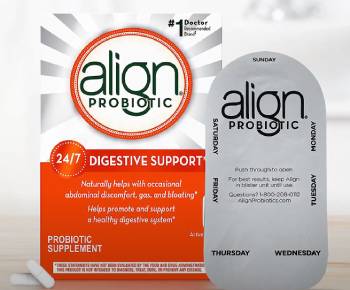
Align is one of the most frequently recommended brands by traditional gastroenterologists. In the comparison of Seed DS-01 vs. Align, we are looking at a single-strain approach versus a multi-strain approach.
Align uses one specific strain (Bifidobacterium 35624) that is excellent for IBS symptoms.
However, Seed provides a much broader spectrum of benefits that reach beyond just the gut.
If you have a very specific medical condition, Align might be the clinical choice, but for overall health optimization, Seed’s multi-system approach is superior.
- Seed DS-01 Vs. Culturelle Digestive Daily
Culturelle is the budget-friendly giant of the probiotic world. Comparing Seed DS-01 vs. Culturelle highlights the difference between a “basic” and “premium” supplement.
Culturelle uses Lactobacillus rhamnosus GG, which is highly studied and effective for occasional diarrhea.
Seed, however, is a synbiotic, meaning it includes a prebiotic to ensure the bacteria actually survive and thrive.
Culturelle is a good “emergency” probiotic, but Seed is designed to be a permanent foundation for a healthy lifestyle.
- Seed DS-01 Vs. Thorne FloraMend
Thorne is a brand known for its high-quality standards and popularity among professional athletes.
In the debate of Seed DS-01 vs. Thorne FloraMend, the focus is on weight management and metabolism.
Thorne uses specific strains that are geared toward metabolic health. Seed’s formula is a bit more balanced, targeting the immune system and the “gut-skin axis” as well.
Thorne is excellent for those with a specific fitness goal, but Seed’s ViaCap technology remains the gold standard for ensuring the ingredients actually reach the lower digestive tract.
Frequently Asked Questions (FAQs)
Yes, it is backed by significant clinical research and utilizes a patented delivery system that ensures the active bacteria survive digestion to reach the colon.
The main downsides are the higher monthly cost, the subscription-based ordering model, and the potential for a mild adjustment period during the first week of use.
They serve different purposes; AG1 is a comprehensive greens powder for vitamins and minerals, while Seed is a specialized synbiotic for targeted gut and whole-body bacterial health.
Some cardiologists warn against unregulated or poor-quality probiotics that may cause inflammation, but Seed includes specific strains that are actually clinically studied to support heart health.
Final Thoughts
Your gut is the control center for your entire body, and treating it with the respect it deserves requires more than a random yogurt.
I have found that the transparency and technical engineering behind this product make it the only synbiotic I truly trust to deliver results.
You should buy the Seed DS-01 Daily Synbiotic if you are ready to invest in a long-term solution that moves beyond simple digestion and into total systemic health.
You should start your journey to a more resilient microbiome today and feel the difference that true scientific delivery can make.