When you are standing in front of your diffuser, holding a bottle of oil that costs forty dollars versus one that costs fifteen, you naturally wonder if you are paying for purity or a pyramid.
I have spent years analyzing the GC/MS reports and sourcing ethics of the aromatherapy world to bring you this Rocky Mountain Oils vs Young Living comparison.
My intent is to provide an analytical perspective on which brand truly offers the highest therapeutic value for your money.
You should read this to understand why one company thrives on retail transparency while the other dominates through a legacy of lifestyle marketing.
Comparison Table: Rocky Mountain Oils Vs. Young Living
| Feature | Rocky Mountain Oils (RMO) | Young Living (YL) |
| Business Model | Direct-to-Consumer (Non-MLM) | Multi-Level Marketing (MLM) |
| Quality Standard | S.A.A.F.E. Promise | Seed to Seal® |
| Testing Transparency | Public GC/MS reports for every batch | Internal testing (Reports not public) |
| Price Point | Budget to Mid-Range ($ – $$) | Premium ($$$) |
| Shipping | Free shipping on most orders | Shipping costs vary |
| Product Range | Focus on oils and simple wellness | Vast (Oils, supplements, cleaning) |
| Founder History | Corporate-led, low controversy | Gary Young (Highly controversial) |
My experience with Rocky Mountain Oils and Young Living
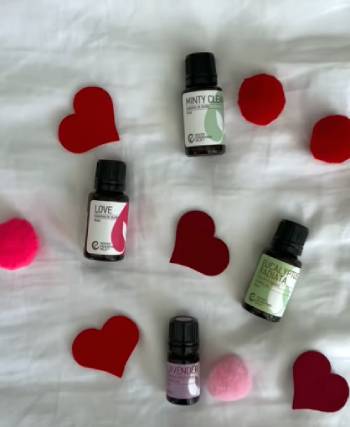
I remember the first time I was introduced to Young Living; it was at a “house party” where the air was thick with the scent of Thieves and Peppermint.
I am someone who appreciates the community aspect of wellness, and I initially fell in love with the high-energy culture and the promise of a “Seed to Seal” lifestyle.
The Young Living experience is immersive.
When you buy their Lavender, you feel like you are buying a piece of their vast farms in Utah or France.
However, after a year of being an “Essential Rewards” member, I began to notice that my wallet was significantly lighter, but my shelves were overflowing with products I didn’t actually need just to meet a monthly minimum.
That is when I discovered Rocky Mountain Oils, and my analytical side took over.
The experience with RMO was much more grounded and practical.
I didn’t have to talk to a “upline” or join a Facebook group to buy a bottle of Lemon oil.
The first thing I did was flip the bottle over, find the batch code, and enter it into their website.
Seeing the actual chemical breakdown—the Gas Chromatography and Mass Spectrometry (GC/MS) results—felt like having a lab technician confirm my purchase.
It was the first time I felt like a customer rather than a “member” of a sales force.
I have found that in daily use, the oils are indistinguishable in potency.
When I diffuse RMO’s “Immune Strength” next to YL’s “Thieves,” the therapeutic effect and the scent profile are remarkably similar, but the price difference is staggering.
I’ve used both brands for everything from homemade cleaning sprays to topical muscle rubs.
While Young Living has a wider variety of “lifestyle” products like makeup and protein powders, Rocky Mountain Oils stays focused on being a pure oil company.
You will find that the lack of social pressure with RMO makes the hobby of aromatherapy much more relaxing, whereas with Young Living, you are always aware of the “business” side of your beauty routine.
Maintenance and tips for essential oil longevity
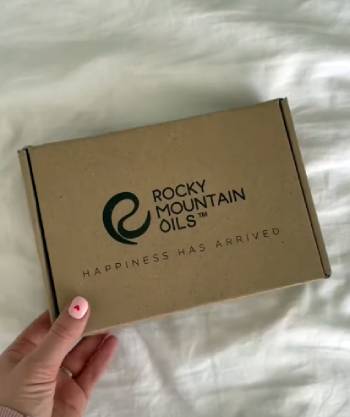
To protect your investment in these potent plant extracts, you must follow strict storage and handling guidelines.
- Avoid the Bathroom Shelf: The frequent temperature changes and humidity from your shower can cause the chemical bonds in the oils to break down quickly. You should store your oils in a cool, dry place like a bedroom dresser or a dedicated wooden box.
- Check for Oxidization: Citrus oils like Lemon, Orange, and Bergamot have a shorter shelf life—usually around one to two years. If the oil starts to look cloudy or smells “off,” it has likely oxidized and should no longer be used topically on your skin.
- The “Cap Tight” Rule: Essential oils are volatile, meaning they turn into gas and evaporate the moment they hit the air. You should never leave the cap off for longer than it takes to dispense a drop, as this preserves the therapeutic potency.
- Dilution is Mandatory: Even if a label says “neat” application is okay, I always recommend diluting with a carrier oil like jojoba or fractionated coconut oil. This not only protects your skin from sensitization but also helps the oil absorb more slowly and effectively.
- Use Glass Only: Never mix your oils in plastic containers. The high potency of oils like Peppermint or Oregano can actually eat through certain plastics, leaching chemicals into your blend. You should always use glass or high-quality stainless steel for your DIY recipes.
Pros and Cons of Rocky Mountain Oils
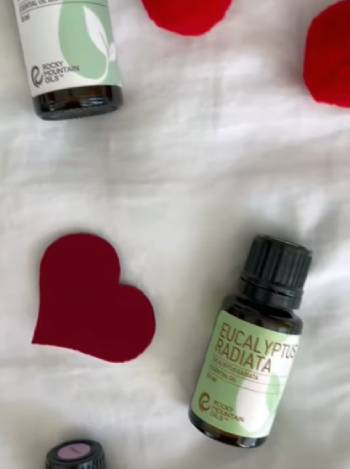
Pros of Rocky Mountain Oils: The transparency leader
- Third-Party Testing Accessibility: You can access the specific GC/MS test results for every single bottle you purchase by entering the batch code on their website, ensuring total purity.
- No Membership Fees or Minimums: You buy what you want, when you want, without being forced into a monthly subscription or a “starter kit” to get the best price.
- S.A.A.F.E. Promise: Their commitment to providing oils that are authentic, analyzed, and free of adulterants gives you peace of mind regarding the safety of your family.
- Eco-Friendly Initiatives: They offer a bottle recycling program and use recycled packaging, which appeals to those of you looking for a more sustainable wellness journey.
- Fair Pricing: Because they don’t have to pay commissions to a network of distributors, their prices are often 30% to 50% lower than MLM competitors for the same quality.
Cons of Rocky Mountain Oils: The trade-offs
- Smaller Community: You won’t find as many local “classes” or events centered around this brand, so you have to be more self-motivated to learn and research on your own.
- Limited Lifestyle Products: If you are looking for a brand that also sells oil-infused supplements or a full line of mineral makeup, you might find RMO’s catalog a bit too focused on just the oils.
- Online Only: You can’t just walk into a neighbor’s house or a local shop to grab a bottle if you run out; you have to wait for shipping, even if it is free.
Also Read: My Experience With Majestic Pure Essential Oils
Pros of Young Living: The industry pioneer
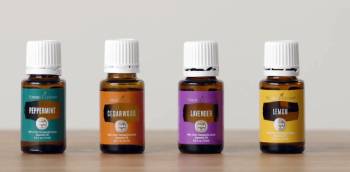
- The Seed to Seal® Standard: They own many of their own farms, which allows them a level of vertical integration and oversight over the planting and harvesting process that few brands can match.
- Vast Product Ecosystem: If you want a one-stop-shop for your home—from laundry soap to toothpaste to skincare—all infused with high-quality oils, Young Living has the most comprehensive catalog.
- Extensive Community Support: When you join Young Living, you usually gain access to a wealth of educational groups and personal mentors who can help you learn how to use the oils.
- High Brand Recognition: There is a certain level of trust that comes with a company that has been around for decades and has millions of loyal users worldwide.
- Proprietary Blends: Some of their blends, like Valor or Peace & Calming, have a cult following because the specific scent profiles are very difficult for other companies to replicate exactly.
Cons of Young Living: The trade-offs
- High Cost of Entry: To get the “wholesale” price, you often have to purchase a starter kit that costs over $150, which is a significant barrier for casual users.
- The MLM “Stigma”: Many people feel uncomfortable with the direct-sales model, and the pressure to recruit others can sometimes strain personal relationships.
- Legal and Ethical Controversies: The company has faced numerous lawsuits regarding its business structure and past claims made by its founder, which may be a deterrent for some.
Also Read: My Experience With Rocky Mountain Oils
Frequently Asked Questions (FAQs)
Analytically, companies like Rocky Mountain Oils, Plant Therapy, and Edens Garden are often cited as the “best” because they provide third-party GC/MS testing results directly to the consumer.
Yes, they are 100% pure and unadulterated, verified by independent lab testing and their S.A.A.F.E. promise to ensure no fillers or synthetics are used.
You should avoid “fragrance oils” sold at big-box retailers that do not list the botanical name (Latin name) or provide any evidence of third-party purity testing.
Young Living has faced various lawsuits over the years, including class-action claims regarding its pyramid-style business model and past issues involving the illegal trafficking of certain protected plants like Rosewood.
Final Thoughts
The battle of Rocky Mountain Oils vs Young Living is a choice between transparency and a total lifestyle brand.
I have found that if you want the highest quality oil without the social and financial baggage of a sales network, Rocky Mountain Oils is the clear winner for your home.
However, you should buy Young Living if you value the “Seed to Seal” farm-to-bottle story and want to be part of a global community that offers a full range of oil-infused products.
I believe that purity should be proven by science, not just promised by marketing, which is why you should always look for brands that show you the lab reports.
You should decide which model fits your budget and your values, as both companies provide oils that can significantly enhance your physical and emotional well-being.