When you are searching for a natural way to transform your health and home environment, you should buy Rocky Mountain Oils to experience true botanical potency.
I have spent months analyzing the purity standards and therapeutic benefits of various essential oil brands to bring you this comprehensive review.
My intent is to provide an analytical perspective on why this company stands out in a crowded market of synthetic fragrances and diluted blends.
You should choose these oils if you want transparent, third-party tested products that actually deliver on their promise of wellness and skin rejuvenation.
My personal experience with Rocky Mountain Oils and the Skin Care Blend
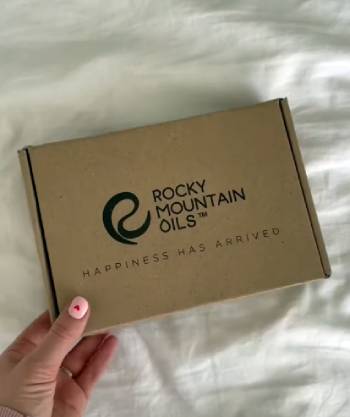
I remember the first time I opened a bottle of the Rocky Mountain Oils Skin Care blend; the aroma was an incredible mix of fresh cucumber and deep, earthy frankincense.
I am someone who has struggled with skin sensitivities for years, and I was hesitant to put any concentrated oils on my face, but the reputation of this brand convinced me to try it.
The experience was unlike any of the cheaper oils I had picked up at the local grocery store.
I mixed a few drops of the blend with a jojoba carrier oil as suggested and applied it after my evening shower.
The scent was immediately calming, with a hint of Roman Chamomile that seemed to settle my mind as much as it settled my skin.
Within a week of consistent use, I noticed a visible difference in the “glow” of my complexion.
I have a few areas where my skin tends to look mature or tired, and the combination of Neroli and Rose in this blend seemed to plump those areas up beautifully.
I also found a very unique use for their oils based on community feedback. When I felt a painful skin congestion or a boil starting to form on my neck, I applied a diluted drop of the oil directly to the spot.
To my surprise, if I caught it on the first day, the oil seemed to dry out the imperfection before it could even fully develop.
I’ve also used their oils on my children when they dealt with minor skin bumps like molluscum. I mixed the blend with a hydrophilic ointment and applied it daily, and the results were much faster than the over-the-counter creams we had tried previously.
The oils feel “clean”—there is no greasy residue or artificial chemical sting that you often get with lower-quality brands. Analytically, the transparency of the brand is what keeps me coming back.
Being able to look up the GC/MS test results for the exact bottle in my hand gives me a level of confidence that I am not just putting “smell-good” water on my skin, but actual therapeutic medicine.
Maintenance and tips for essential oil longevity:
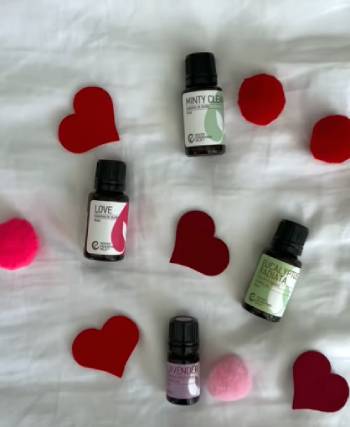
To ensure you get the most out of your Rocky Mountain Oils, you must treat these concentrated plant extracts with care.
- Store in a cool and dark environment: Light and heat are the primary enemies of essential oil chemistry. You should keep your bottles in a drawer or a dedicated wooden box to prevent the delicate molecules from oxidizing and losing their therapeutic power.
- Always use a carrier oil for topical application: While these oils are pure, they are incredibly potent. You should mix them with fractionated coconut oil, almond oil, or jojoba oil before putting them on your skin to avoid irritation and help the oil spread more evenly.
- Keep the lids tightly sealed: Essential oils are volatile, meaning they evaporate quickly when exposed to air. You should make it a habit to close the bottle immediately after dispensing a drop to maintain the strength of the aroma.
- Monitor the shelf life of citrus oils: While frankincense and rose can last for years, oils containing cucumber or citrus elements have a shorter lifespan. You should aim to use those within one to two years for maximum effectiveness.
- Clean your diffuser regularly: If you are diffusing these high-quality blends, the resin from oils like Frankincense can build up. You should wipe out your diffuser with a bit of white vinegar once a week to ensure the mist remains clean and effective.
Pros and Cons of Rocky Mountain Oils
Pros of Rocky Mountain Oils: Why they lead the market:
- The primary advantage is the SAAFE Promise: this commitment ensures that every bottle is free from fillers, synthetics, and fragrance enhancers, which is vital for your safety.
- Third-party GC/MS testing: you can actually verify the purity of your specific batch by looking up the independent lab results on their website, providing total transparency.
- Exceptional blending expertise: the Skin Care blend is a perfect example of how they combine expensive oils like Rose and Neroli with soothing elements like Cucumber to create a balanced therapeutic effect.
- Direct-to-consumer pricing: because they do not use a multi-level marketing (MLM) structure, you are not paying for the commissions of five different people when you buy a bottle.
- Sustainability and ethical sourcing: they prioritize organic practices and sustainable harvesting, ensuring that the plants are treated with respect throughout the growth cycle.
- High potency: because the oils are never diluted with cheap carrier oils in the bottle, a little bit goes a very long way, making them more cost-effective over time.
Cons of Rocky Mountain Oils: The trade-offs:
- Higher price than grocery store brands: you will pay more for a bottle of RMO than you would for a generic brand, which can be a hurdle for those of you just starting out: this reflects the cost of pure, undiluted botanicals.
- No “Starter Kits” with diffusers: unlike MLM brands, RMO doesn’t always bundle diffusers with their oils, meaning you have to buy your hardware separately: this can make the initial entry feel more fragmented.
- Potency can be overwhelming: for those of you with extremely sensitive noses, the sheer strength of these undiluted oils can be a bit much at first: you must be diligent about dilution to manage the intensity.
- Online-only availability: you generally cannot find these in a physical store, meaning you have to plan ahead and wait for shipping rather than getting an immediate fix: this requires a bit more organization in your wellness routine.
- Strong scents in therapeutic blends: the Skin Care blend has a “menthol-like” aroma that might not appeal to everyone who is expecting a purely floral perfume: this is due to the carrot seed and frankincense.
Rocky Mountain Oils Vs. Other Brands
- Rocky Mountain Oils Vs. Young Living
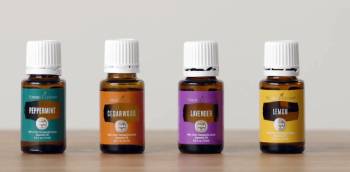
Rocky Mountain Oils is often compared to Young Living because both companies offer a massive range of single oils and proprietary blends.
The biggest difference you will notice is the business model. Young Living operates as an MLM, which means the prices are often inflated to cover the costs of their massive distributor network.
I have found that Rocky Mountain Oils provides an equivalent or superior purity level without the pressure to join a “team” or pay a membership fee.
Analytically, the GC/MS transparency of RMO is much easier for a regular consumer to access than the internal testing data of Young Living.
You get professional-grade oils at a much more realistic price point.
- Rocky Mountain Oils Vs. doTERRA
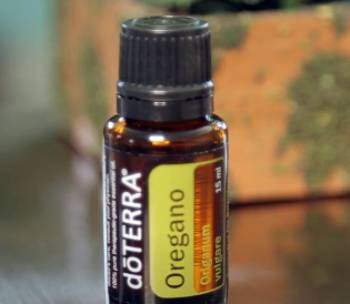
When comparing Rocky Mountain Oils to doTERRA, the conversation usually centers on “Certified Pure Therapeutic Grade” (CPTG) versus RMO’s SAAFE Promise.
It is important to understand that CPTG is a trademarked term owned by doTERRA, not an independent government standard.
Rocky Mountain Oils offers the same level of rigorous third-party testing but doesn’t wrap it in a proprietary marketing label.
I’ve noticed that RMO’s blends, especially the Skin Care collection, are often more complex and incorporate a wider variety of rare botanicals for the same price.
If you prefer to shop independently and want to see the lab reports for yourself, RMO is the more transparent choice.
- Rocky Mountain Oils Vs. Plant Therapy
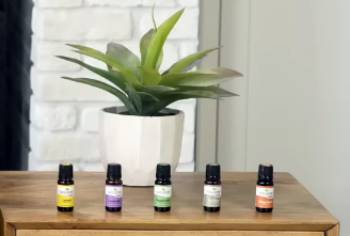
Plant Therapy is another non-MLM brand that is very popular among enthusiasts.
While Plant Therapy is excellent for budget-conscious buyers, Rocky Mountain Oils feels like a more “premium” experience in terms of aroma depth and bottle design.
RMO’s Skin Care blend, for instance, includes high-end oils like Neroli and Rose which are often more concentrated than the versions found in cheaper brands.
Analytically, RMO has been in the industry longer and has a more established history of sourcing rare, high-altitude plants.
You should choose RMO if you are looking for that extra level of potency and a more “floral and menthol” sensory profile in your skin treatments.
- Rocky Mountain Oils Vs. Edens Garden
Edens Garden is frequently cited for its incredible variety of blends, but RMO maintains a slight edge in the clinical side of aromatherapy.
RMO focuses heavily on the “functional” use of oils, such as the specific application for skin rejuvenation or treating minor imperfections.
I have found that the dropper tops on Rocky Mountain Oils bottles are more precise, which is crucial when you are trying to count out exact drops for a face serum.
While Edens Garden is fantastic for home fragrance, RMO is the brand I trust more for topical application on my family.
The clarity of their SAAFE Promise provides a level of comfort that is unmatched in the indie oil market.
- Rocky Mountain Oils Vs. Aura Cacia
Aura Cacia is the brand you most commonly see on the shelves of health food stores, and while they are decent, they don’t compare to the specialized quality of RMO.
Aura Cacia oils are often older because they sit on retail shelves for months under fluorescent lighting.
By buying directly from Rocky Mountain Oils, you are getting a fresher product that has been stored in a temperature-controlled warehouse.
I have also found that Aura Cacia lacks the deep, multi-tonal blends like RMO’s Skin Care oil, which uses seven different high-value botanicals in one bottle.
For serious therapeutic work or skin toning, the grocery store brands simply cannot match the analytical purity of a specialist like RMO.
Frequently Asked Questions (FAQs)
Yes, they are 100% pure and are backed by third-party GC/MS testing that verifies the absence of any fillers or synthetics.
Rocky Mountain Oils is consistently ranked among the highest quality companies due to their transparency and “SAAFE” purity promise.
You should avoid brands sold at extreme discounts in “big box” stores that do not provide batch-specific lab reports or list the botanical name of the plant.
Avoid oils labeled as “fragrance oils,” bottles that are clear or plastic, and companies that do not offer transparent third-party testing.
Final Thoughts
Investing in your health means being picky about the ingredients you allow into your home and onto your skin.
I have found that Rocky Mountain Oils provides the perfect balance of professional-grade purity and consumer-friendly transparency.
You should buy Rocky Mountain Oils if you want to stop guessing about the quality of your essential oils and start seeing real results in your skin and mood.
I believe that once you experience the difference of a truly pure blend, you will never want to go back to the diluted alternatives.
You deserve to have a home filled with the true essence of nature, and this brand is the most reliable way to achieve that.