
I have found that Rock Rooster boots are a product you should buy if you are a manual laborer, a farmer, or a workshop professional who is tired of paying a “heritage brand” tax for basic foot protection and comfort.
The main intent of this article is to analyze how these heavy-duty work boots perform on unforgiving concrete and rugged terrain so you can decide if this affordable alternative truly rivals the high-end competition in terms of durability.
I have realized that while many modern boots prioritize style over substance, Rock Rooster focuses on the anatomical needs of the working man, especially those with wide feet.
You should read this review to discover why this specific footwear might be the solution to your chronic foot fatigue and knee pain.
My Firsthand Journey: Living in Rock Rooster Boots
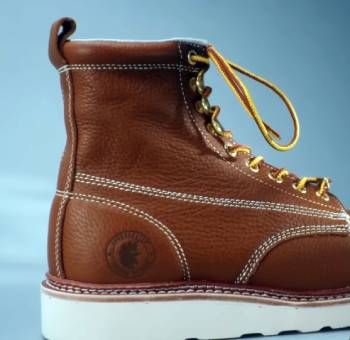
I remember the first time I pulled these boots out of the box; I was immediately struck by the quality of the upper leather construction and the precision of the stitching, which felt far more premium than the price tag suggested.
I am someone who spends upwards of eight to ten hours a day on my feet, often in a welding shop environment where I am standing directly on cold, hard concrete for the entire shift.
I noticed right away that the fit was exactly as expected; I am a person with a naturally wide foot, and I have always had a hard time finding safety footwear that doesn’t pinch my toes or cause hot spots by noon.
I eventually stepped into them and felt the memory foam footbed engage; it felt like a glove for my feet, providing a level of cushioning that I usually only associate with high-end athletic sneakers.
I found that even though my size 13 boots weigh about 2.5 pounds each, they don’t actually feel heavy when you are moving around the shop or climbing over equipment.
I am only a few weeks into wearing them, but the difference in my physical state at the end of the day is night and day; I found that my knees and lower back aren’t screaming at me when I finally sit down for dinner.
I eventually took them out to a cornfield to help with some manual labor, and I realized that the “COOLMAX” technology isn’t just a marketing gimmick; my feet stayed remarkably dry and cool even as the temperature climbed.
I noticed that the traditional lace-up design kept my ankles feeling secure and stable, which is vital when you are navigating uneven soil or slippery workshop floors.
I found that the soles are durable enough to handle sparks and metal shavings without showing immediate signs of wear or melting.
I am a user who values a worry-free warranty, and knowing that the company actively encourages direct contact for any dissatisfaction gave me the confidence to really put these through the wringer.
I realized that these boots are a “secret weapon” for anyone who is aging but still needs to complete physically demanding tasks; I even bought a pair for an older relative who works in the fields, and he reported that his foot pain vanished almost instantly.
I am now at a point where I would comfortably recommend these to any of my coworkers or friends who are tired of the “break-in” period being a painful rite of passage.
Maintenance Tips for Longevity and Performance
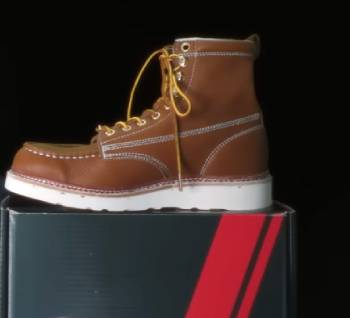
You should realize that a high-quality leather boot is an investment that requires active care to remain functional and comfortable.
Cleaning the boots with a damp cloth after every shift is a vital maintenance tip because it prevents dirt and grit from grinding into the leather pores: I found that this simple habit stops the leather from cracking prematurely at the flex points.
Applying a quality leather conditioner every few months is a key maintenance tip to keep the material supple and water-resistant: I noticed that the leather stays much more flexible and comfortable when it is properly hydrated.
Using a boot dryer or allowing them to air dry away from direct heat is a helpful maintenance tip to preserve the internal COOLMAX lining: I found that putting boots near a radiator can actually shrink the leather and ruin the memory foam.
Replacing the memory foam insoles once a year is an essential maintenance tip to ensure your feet continue to receive the anti-fatigue support they need: I noticed that the padding can compress over time after hundreds of miles of walking.
Checking the laces for fraying and keeping a spare pair in your locker is a strategic maintenance tip to avoid being stuck with a loose boot on the job: I found that the metal eyelets can be tough on laces over long periods of use.
Rotating your boots with another pair if you work in very sweaty conditions is a necessary maintenance tip to give the materials time to fully recover: I noticed that the COOLMAX tech works better when it starts the day completely dry.
Brushing the outsoles with a stiff brush to remove mud and debris is a smart maintenance tip to maintain maximum traction on slippery shop floors: I found that a clean sole is the best defense against accidental slips and falls.
Treating the leather with a silicone-based waterproofing spray is a crucial maintenance tip if you know you will be working in damp fields: I noticed that this adds an extra layer of defense that the factory finish might lack.
Inspecting the stitching around the toe area regularly is a helpful maintenance tip to catch any minor wear before it becomes a major structural failure: I found that a small dab of shoe goo can often save a boot if caught early.
Tying your laces with a double knot is a final maintenance tip to ensure the “safety” of the lace-up design remains consistent throughout the day: I noticed that loose laces are a primary cause of ankle rolls on uneven ground.
Pros and Cons of Rock Rooster Boots
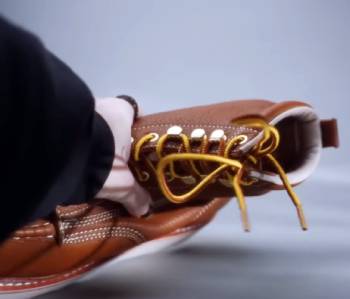
Pros of Rock Rooster Boots: Why Your Feet Will Thank You
- Incredible Out-of-the-Box Comfort: It features a memory foam insole and soft leather that requires almost zero break-in time: I found that I could wear these for a full shift on day one without a single blister: this results in a much more pleasant experience for people who need to be productive immediately: I noticed that the internal lining is smooth and doesn’t rub against the heel: I realized that comfort is the ultimate anti-fatigue feature for manual labor.
- Wide-Foot Friendly Engineering: It utilizes a generous toe box design that accommodates those who usually struggle with standard narrow work boots: I found that my toes had plenty of room to splay naturally: this provides better balance and reduces the risk of developing bunions or ingrown nails: I noticed that the leather stretches slightly to form to the foot’s shape over time: I realized that finding a boot that “fits like a glove” is rare for the wide-foot community.
- Advanced Moisture and Temperature Control: It features fabric made with COOLMAX technology that actively transports moisture away from the skin: I found that my socks stayed dry even during high-intensity outdoor work: this results in a cooler foot environment on hot days and prevents the “soggy” feeling that leads to fungal issues: I noticed a significant reduction in foot odor after long days: I realized that internal climate control is just as important as external protection.
- Robust Safety and Compliance Standards: It utilizes construction that conforms to American Standard ASTM F2892-18 for soft-toe safety: I found that the 6-inch shaft provides excellent ankle stability and protection from debris: this provides peace of mind when working on construction sites or farmlands where hazards are common: I noticed the sole offers great traction on various surfaces: I realized that meeting industry standards is a non-negotiable for professional-grade footwear.
- Exceptional Value and Customer Support: It features a high-quality leather build at a price point that undercuts most major competitors: I found that the company’s “worry-free” return policy and eagerness to chat about boots makes the purchase feel secure: this results in a lower financial risk for the buyer: I noticed that the stitching and eyelets are built to last: I realized that you don’t have to spend a fortune to get a boot that genuinely protects your physical health.
Cons of Rock Rooster Boots: The Analytical Reality
- Significant Physical Weight for Larger Sizes: It features a heavy-duty build that results in a weight of approximately 2.5 pounds per boot in size 13: I found that while they don’t feel heavy when worn, they can be a bit clunky for those used to lightweight hiking shoes: this results in a slightly higher energy expenditure if you are walking miles every day: I noticed that the weight is a byproduct of the durable materials: you should realize that safety boots are rarely featherweight: I realized that the trade-off for durability is a few extra ounces.
- Lack of Internal Waterproof Membrane in Base Models: It utilizes a COOLMAX lining designed for breathability which does not always provide full waterproofing: I found that while they handle light dew well, they can get soaked in deep puddles or heavy rain: this results in a limitation for users who work in consistently wet or swampy conditions: I noticed that the leather needs regular treatment to stay water-resistant: you should realize that these are “dry and cool” boots rather than “rain boots”: I realized that for wet environments, a different model might be necessary.
- Traditional Lacing Can Be Time-Consuming: It features a standard lace-up design that requires manual adjustment for a secure fit every time: I found that I couldn’t just “slip these on” like a Chelsea-style work boot: this results in a few extra minutes of preparation every morning: I noticed that the laces need to be tied tightly to maintain ankle stability: you should realize that lacing is a trade-off for a customized fit: I realized that the security of laces is worth the extra time.
- Soft Toe Limitation for Heavy Impact Zones: It utilizes a soft-toe design that meets ASTM F2892-18 standards but does not include a steel or composite cap: I found that I had to be more careful around heavy falling objects: this results in these boots being unsuitable for jobs that legally require “safety toe” protection: I noticed that they are perfect for farming or welding where impact isn’t the primary risk: you should check your site requirements before purchasing: I realized that “comfortable” doesn’t always mean “steel-plated.”
- Leather Requires Consistent Maintenance: It features a high-quality leather upper that can scuff or dry out if neglected: I found that sparks and mud can dull the finish quickly: this results in a need for regular cleaning and conditioning to ensure the boots last for years: I noticed that the leather is thirsty and absorbs oil readily: you should realize that natural materials require more care than synthetic ones: I realized that the longevity of the boot is entirely dependent on the user’s maintenance routine.
Also Read: My Experience With Ryka Walking Shoes
Rock Rooster Boots Vs. Others
- Rock Rooster Boots Vs. Red Wing Heritage
I found that Red Wing is the gold standard for American-made heritage work boots that often cost twice as much as Rock Rooster.
You should realize that while Red Wing uses legendary leather, their break-in period can be agonizing for several weeks.
I noticed that Rock Rooster provides almost instant comfort due to the memory foam, whereas Red Wing requires your foot to “earn” the fit.
I am a person who found that for daily workshop use, the Rock Rooster is much more forgiving on the joints out of the box.
I realized that if you want a boot for a lifetime, you buy Red Wing, but if you want comfort today, you buy Rock Rooster.
- Rock Rooster Boots Vs. Timberland PRO
I found that Timberland PRO is a massive competitor in the “mass-market” work boot space with a focus on anti-fatigue technology.
You should realize that Timberland boots often feel more “synthetic” and padded than the traditional leather feel of the Rock Rooster.
I noticed that the Rock Rooster stitching and leather quality felt slightly more robust for heavy agricultural work.
I am someone who noticed that Timberland PRO boots tend to be a bit narrower, which makes Rock Rooster the superior choice for wide-footed users.
I realized that Rock Rooster offers a more “honest” leather boot experience without the bulky plastic aesthetics sometimes found in the PRO line.
- Rock Rooster Boots Vs. Wolverine Raider
I found that the Wolverine Raider is famous for its “Multishox” comfort system which is very popular among construction workers.
You should realize that Wolverine boots are excellent but can sometimes be more expensive without offering significantly more durability.
I noticed that the COOLMAX lining in the Rock Rooster was more effective at temperature regulation during the summer months.
I am a user who felt that the Rock Rooster had a more traditional “workman” look that I preferred for versatile wear.
I realized that while Wolverine is a fantastic brand, Rock Rooster matches their comfort at a much more competitive price point.
- Rock Rooster Boots Vs. Irish Setter Ashby
I found that the Irish Setter Ashby is a very popular moc-toe work boot that many farmers and laborers swear by.
You should realize that the Ashby has a very specific “flat sole” look that might not provide the same heel traction as a Rock Rooster.
I noticed that the memory foam in the Rock Rooster felt more substantial than the standard footbed in the Irish Setter.
I am a person who found the Rock Rooster’s 6-inch shaft provided more lateral ankle support during manual labor.
I realized that the Rock Rooster is a better “all-rounder” for those who move between fields and hard concrete floors.
- Rock Rooster Boots Vs. Caterpillar (CAT) Second Shift
I found that the CAT Second Shift is the classic budget-friendly entry-level work boot for many young laborers.
You should realize that CAT boots often use a harder leather that can be quite stiff and uncomfortable for the first few weeks.
I noticed that the Rock Rooster outclasses the CAT boots in terms of interior lining quality and overall “plushness.”
I am someone who noticed that the CAT soles tend to wear down faster when exposed to workshop chemicals or heat.
I realized that spending a little bit more on Rock Rooster over CAT results in a massive jump in overall foot health and comfort.
Also Read: My Experience With Oxford Derby Orthopedic Leather Shoes
Frequently Asked Questions (FAQs)
I found that many elite operators prefer brands like Salomon, Lowa, or Rocky for their tactical operations because they offer a blend of lightweight agility and extreme ruggedness.
I realized that yes, they utilize high-quality genuine leather uppers that are known for their durability and ability to mold to the wearer’s foot over time.
I noticed that while opinions vary, the industry consistently rates Red Wing, Timberland PRO, Rock Rooster, Thorogood, and Wolverine as the top contenders for durability and comfort.
I found that Rock Fall is a reputable UK-based safety brand known for extreme specialized protection, making them a very good choice for specific hazardous environments.
Final Thoughts
I have found that Rock Rooster boots are a product you should buy if you are a hard-working individual who refuses to sacrifice your physical well-being for a brand name.
You should realize that your feet are the foundation of your entire body, and protecting them with memory foam and quality leather is the best way to ensure a long, healthy career.
I am a person who has felt the relief of coming home without aching knees, and I can honestly say these boots are a total game-changer for wide feet.
I have realized that by choosing a boot with integrated COOLMAX technology, you are investing in a more comfortable and hygienic work day.