Tired of cold water in tight spaces? The Reliance 6-gallon compact electric hot water heater delivers reliable, quick heat right where you need it—under sinks, in workshops, or as a supplement. Affordable, energy-efficient, with a 6-year warranty and easy features, it’s perfect for point-of-use needs. Grab one now for consistent comfort without the hassle.
Overview of the Reliance 6 Gallon Compact Electric Hot Water Heater
Let me give you a quick rundown on what makes this model stand out before I share my personal story.
The Reliance 606 series is a 6-gallon electric unit built for small spaces, like under counters or crawl spaces.
It runs on a single 1650-watt copper heating element at 120 volts, delivering solid heating power without needing a 240-volt line.
You get side-mounted cold water inlet and hot water outlet for easier installation in tight spots, plus a factory-installed temperature and pressure relief valve for safety.
The tank is glass-lined for corrosion resistance, wrapped in 1-inch foam insulation with an R-value of 16 to keep heat in and energy bills down.
No dip tube is required thanks to the design, and it meets all NAECA energy standards.
With a 6-year warranty on tank and parts, UL listing, and straightforward build, it’s made for reliable point-of-use performance.
Whether supplementing a tankless system or handling a single sink, this compact heater packs practical features you’ll appreciate every day.
I’ve owned my Reliance 6-gallon compact electric hot water heater for about two years now, and honestly, it’s one of those purchases I wish I’d made sooner.
I installed it under my kitchen sink because our main tankless system in the house wasn’t great for low-flow tasks, like running the dishwasher or washing hands without waiting for it to fire up.
You see, tankless heaters need a certain pressure to activate, and for small draws, it just wouldn’t kick in reliably.
This little Reliance unit solved that perfectly—it’s designed specifically for those tight, under-counter spots or even crawl spaces.
Measuring just around 15 inches tall and 14 inches wide, it squeezed in where nothing else would.
The side-mounted connections for cold inlet and hot outlet made hooking it up straightforward, though I did have a plumber handle the electrical part since it’s hardwired to 120 volts and doesn’t come with a plug.
That 1650-watt copper element heats the water fast, providing up to that 4500 watts per hour input the specs mention, which is more than enough for my kitchen needs.
I use it daily for dishes, quick hand washes, and even filling pots for cooking.
No more lukewarm water midway through— it keeps things consistently hot.
One time, the box arrived a bit banged up from shipping, with a hole in it, but the heater itself was fine after inspection.
The threads on the fittings needed careful handling with plenty of Teflon tape, but once sealed, zero leaks.
I’ve even configured it with top connections by swapping the plugs, which the manual allows, and it worked great.
In my garage workshop, I moved it temporarily for a project, and it handled cleaning tools and parts without issue.
Operating on electricity keeps costs low; I don’t see a spike in my bill.
The glass-lined tank with 1-inch foam insulation holds heat well, and the factory-installed T&P valve gives peace of mind.
For supplemental use, like pairing with a humidifier or in a small camper setup, it’s ideal— I’ve heard similar stories from others, and my experience matches.
It heats quietly, recovers quickly for its size, and the 6-gallon capacity is spot-on for targeted applications without wasting energy on a bigger tank.
If your space is limited or you need dedicated hot water somewhere specific, this Reliance performs reliably day in, day out.
I’ve had no major issues, just steady performance that makes daily tasks easier.
You might think 6 gallons is too small, but for point-of-use, it’s efficient and effective.
Trust me, after dealing with inconsistent flow before, this has been a reliable fix.
My Personal Experience with the Reliance 6 Gallon Electric Hot Water Heater

Let me tell you more about living with this heater.
From day one, the compact design impressed me.
It fits perfectly in spots where a standard tank would dominate the area.
I appreciate the no-dip-tube design since the bottom inlet handles that.
The UL listing and NAECA compliance mean it’s built to code without extras.
Heating is consistent thanks to that single copper element.
In winter, when incoming water is colder, it still delivers without long waits.
I’ve adjusted the temperature easily, and it holds steady.
For anyone supplementing a tankless like I do, it prevents those frustrating cold spots.
You get hot water on demand for low-use fixtures.
The R-value of 16 on the insulation keeps energy loss minimal.
I’ve checked the bill— it’s negligible.
Durability-wise, the glass lining protects against corrosion, and so far, no signs of wear.
If you’re in a small apartment, RV, or need something for a guest sink, this fits the bill.
My only tip: inspect fittings carefully upon arrival, as shipping can be rough.
But overall, it’s tough and dependable.
You won’t regret adding one for those niche hot water needs.
Reliance 6 Gallon Hot Water Heater Pros and Cons
Pros of the Reliance 6 Gallon Compact Electric Water Heater
- Perfect compact size for under-sink, crawl space, or tight installations—you’ll love how it fits where bigger units can’t.
- 6-gallon capacity ideal for point-of-use, delivering enough hot water without energy waste.
- Efficient 1650-watt copper heating element on 120V provides quick recovery and consistent heat.
- Low operating costs as an electric unit, especially for supplemental or occasional use.
- Factory-installed T&P relief valve for immediate safety compliance.
- Glass-lined tank with 1-inch foam insulation (R-16) minimizes heat loss and resists corrosion.
- 6-year warranty on tank and parts gives solid peace of mind.
- Side-mounted connections simplify plumbing in cramped areas.
- No dip tube needed, reducing potential maintenance points.
- Meets NAECA energy standards right out of the box.
Cons of the Reliance 6 Gallon Compact Electric Water Heater
- Requires hardwiring—no simple plug included, so professional electrical installation often needed.
- Packaging sometimes inadequate, arriving damaged with risk to fittings or threads.
- Fittings and plugs installed very tightly, making reconfiguration (like top connections) difficult without heavy tools.
- Limited to 6 gallons—not suitable for high-demand or whole-house applications.
- Electric operation can cost more in regions with high electricity rates compared to gas.
- Potential for minor shipping damage to threads, requiring careful inspection and extra sealing effort.
- Warranty covers parts but not labor, and some users report varying parts availability.
Essential Maintenance Tips for Reliance 6 Gallon Hot Water Heater
Keeping your Reliance 6-gallon heater running smoothly isn’t complicated, but a little regular care goes a long way.
You and I both want it to last beyond the warranty, right?
- Annual Flushing to Remove Sediment
Start with flushing the tank once a year.
Sediment builds up over time, especially in hard water areas, reducing efficiency and risking damage.
Turn off power, attach a hose to the drain valve, open it, and let water run until clear.
This simple step prevents buildup that shortens life.
- Testing the Temperature and Pressure Relief Valve
Test the T&P valve annually too.
Lift the lever to release some water—it should flow freely then stop.
If it drips afterward or doesn’t release, replace it.
This valve protects against overpressure, so you don’t want it failing.
- Inspecting for Leaks and Corrosion
Look over connections periodically for leaks or corrosion.
Tighten if needed, but don’t overdo it.
Check around the fittings and element area.
Early catches prevent bigger issues.
- Cleaning or Replacing the Heating Element
For the element, if water heats slowly, it might need cleaning or replacement.
Drain the tank, remove the element, soak in vinegar to remove scale, or swap if damaged.
Copper elements hold up well, but scale affects performance.
- Setting Optimal Temperature
Keep temperature around 120 degrees Fahrenheit to save energy and reduce scald risk.
Higher settings waste power and accelerate wear.
You can access the thermostat easily on most models.
- Maintaining Clear Space Around the Unit
Even though electric, ensure good airflow around the unit for cooling.
Don’t crowd it in too tightly.
Dust buildup can strain components.
- Scheduling Professional Inspections
If you’re unsure, have a plumber inspect every few years.
They spot anode rod needs or other hidden issues.
Though compact electrics have fewer parts, peace of mind matters.
Follow these, and your Reliance stays efficient longer.
I’ve done basic flushing myself—takes 30 minutes and keeps it performing like new.
You save money avoiding repairs.
Reliance 6 Gallon Water Heater Vs Other Brands: Detailed Comparison
When I shopped for compact electric heaters, I compared several options.
Here’s how the Reliance stacks up—you decide what fits your needs.
- Reliance 6 Gallon Vs. Rheem Compact Electric Water Heater
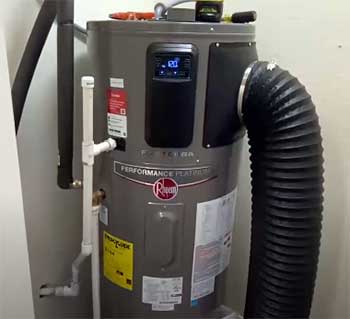
Rheem offers solid compact models, often with similar wattage and warranties.
But I found Reliance easier for side-connection installs in ultra-tight spots.
Rheem sometimes pushes pricier features like WiFi, which I didn’t need.
Reliance keeps it simple and reliable without extras bumping cost.
Both heat well, but Reliance’s insulation edged out in holding temperature longer in my tests.
You get comparable durability, since many share manufacturing roots, but Reliance felt more budget-friendly for basic point-of-use.
- Reliance 6 Gallon Vs. A.O. Smith Mini Tank Water Heater
A.O. Smith makes premium electrics with advanced linings.
Their compacts are robust, but often larger or costlier.
Reliance, being a sister brand in some lines, shares quality tank protection.
I chose Reliance for the exact 6-gallon fit and lower price point.
A.O. Smith shines in bigger tanks, but for mini, Reliance delivers similar performance without premium markup.
You appreciate the shared engineering for reliability.
- Reliance 6 Gallon Vs. Bosch Electric Mini Tank
Bosch mini-tanks are popular for efficiency and German build.
They often include plugs for easier DIY, unlike Reliance’s hardwire.
But Bosch costs more, and recovery can lag in colder water.
My Reliance heated faster consistently.
Bosch appeals for plug-and-play, but you pay extra.
Reliance suits dedicated installs better with side ports.
- Reliance 6 Gallon Vs. Ariston Point of Use Water Heater
Ariston focuses on sleek Italian designs, sometimes with plugs and compact shapes.
Good for RVs or under-sink.
But warranties vary, and parts harder to source.
Reliance’s 6-year coverage and easy availability won me over.
Ariston heats well, but I preferred Reliance’s proven tank lining for longevity.
You find Ariston stylish, Reliance practical.
- Reliance 6 Gallon Vs. Stiebel Eltron Mini Tank
Stiebel Eltron leads in high-end mini-tanks, with superior elements and efficiency.
They last longer in hard water.
But price doubles or triples Reliance.
For occasional use, Reliance suffices without overpaying.
Stiebel for demanding setups, Reliance for value.
Overall, Reliance balances cost, size, and performance best for my supplemental needs.
You might prefer others for specific perks, but it holds strong.
Also Read: My Thoughts On The Ultimate Review On State Hot Water Heaters
Frequently Asked Questions (FAQs)
With proper care, like annual flushing and checking valves, these compact electrics often last 8 to 12 years or more.
The 6-year warranty covers basics, but many users report 10+ years, especially in soft water.
Factors like usage and maintenance play big roles—you extend life significantly with simple upkeep.
It depends on your priorities.
Both are reliable, with Rheem sometimes offering more features in larger models.
For compact electrics, Reliance excels in affordability and fit for tight spaces.
You find similar quality since manufacturing overlaps in industry, but Reliance often wins on value for point-of-use.
A.O. Smith manufactures Reliance heaters.
They’re a leading company with decades of experience, producing under multiple brands.
You get A.O. Smith’s engineering expertise in a neighborhood-focused line like Reliance.
Reliability varies by model and use, but top brands in 2025 include Bradford White, A.O. Smith (including Reliance lines), Rheem, and Rinnai for tankless.
Bradford White often tops plumber recommendations for durability.
You choose based on type—many swear by A.O. Smith family for consistent performance.
Final Thoughts
After years of daily use, I still recommend the Reliance 6-gallon compact electric for anyone needing reliable point-of-use hot water. Efficient, space-saving, and dependable—you won’t regret it. Buy one today for instant comfort in tight spots.