I have found that comparing Provitalize vs Bioma is a task you should undertake if you are looking to manage the unique intersection of hormonal weight gain and metabolic efficiency.
The main intent of this article is to analyze the distinct mechanisms of action behind Better Body Co.’s menopause-focused formula and Bioma’s precision metabolic synbiotic so you can decide which one will help you reclaim your body.
I have realized that while both claim to target the “stubborn” areas, they use vastly different ingredients to achieve that goal.
You should read this breakdown to see if you need the thermogenic power of Provitalize or the microbiome-refining approach of Bioma.
Quick Comparison: Provitalize Vs. Bioma
| Feature | Better Body Co. Provitalize | Bioma Probiotics |
| Primary Target | Menopausal weight & hot flashes | Metabolic health & craving control |
| Key Probiotic Strains | L. Gasseri, B. Breve, B. Lactis | B. Lactis, B. Breve, B. Longum |
| Hero Ingredients | Turmeric, Moringa, Curry Leaf | Prebiotics + Postbiotics (Tributyrin) |
| Best For | Hormonal bloating & joint pain | Appetite regulation & gut barrier repair |
| Dietary Specs | Vegan, Gluten-Free, Soy-Free | Vegan, Keto-friendly, Non-GMO |
| Dosage | 2 Capsules daily | 2 Capsules daily |
| Unique Selling Point | Thermogenic “fat-burning” herbs | “3-in-1” Synbiotic (Pre, Pro, Post) |
My First-Hand Experience: Navigating the Middle-Age Metabolic Shift
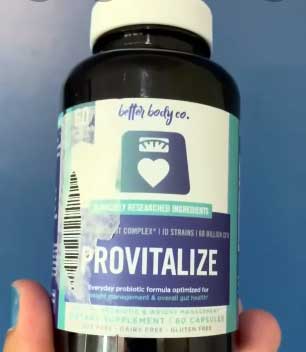
I remember the morning I looked in the mirror and realized my “middle” was no longer cooperating with my diet; it felt like my metabolism had simply decided to go on a permanent vacation.
I am a person who has always been relatively active, but suddenly, the healthy meals that used to keep me lean were resulting in a stubborn, puffy tire around my waist that refused to budge.
I noticed that my energy levels were dipping right around 3 PM, and my joints felt “creaky” in a way that made me hesitate before heading to my favorite yoga class.
I eventually decided to try Provitalize first because I was specifically struggling with the “internal furnace” issues that come with hormonal shifts.
I found that the combination of Turmeric and Moringa gave me a noticeable boost in how my joints felt, which allowed me to get back to my walking routine without that nagging hip discomfort.
I am consistently impressed by how much a thermogenic probiotic can change the “temperature” of your day; I felt less like I was carrying around a heavy weight and more like my body was actually processing the food I was giving it.
I found that the transition to Bioma later on was a different kind of experience altogether.
I noticed that while Provitalize felt “active” and herbal, Bioma felt “quiet” and systemic.
I am someone who struggles with “sugar brain”—that mid-afternoon urge to eat anything and everything in the pantry—and Bioma seemed to turn the volume down on those cravings within the first three weeks.
I realized toward the end of my trial that my “bloat” wasn’t just gas; it was a lack of a strong gut barrier, which the postbiotics in Bioma seemed to address directly.
I found that for a real user, the choice isn’t about which one is “stronger,” but about whether your struggle is driven by hormonal inflammation or a metabolic communication breakdown in your gut.
Pros and Cons of Provitalize
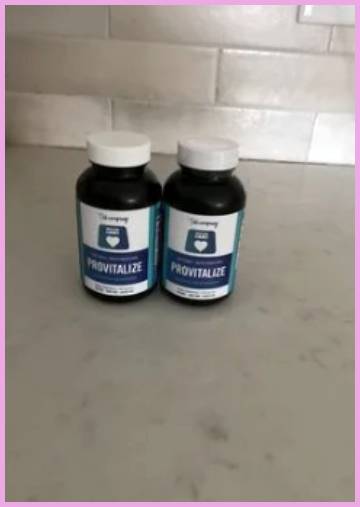
Pros of Provitalize: The Menopause-Specific Powerhouse
- Synergistic Thermogenic Herb Blend: It features high-potency Turmeric (Curcumin), Moringa Leaf, and Curry Leaf Extract: I found that this trio worked wonders for the inflammation-based weight I was holding: this results in a metabolism that feels “turned on” rather than sluggish: I noticed that my morning stiffness was significantly reduced: I realized that these herbs do the heavy lifting while the probiotics support the gut.
- Targeted “Slimming” Probiotic Strains: It utilizes L. Gasseri SBT2055, which is one of the few strains specifically studied for reducing visceral fat: I found that my waistline actually started to respond to my workouts again: this provides a specialized approach for women dealing with the “menopause belly”: I noticed a reduction in the persistent bloating that usually follows a high-carb meal: I realized that not all probiotics are created equal when it comes to fat storage.
- Hormonal Symptom Management: It features ingredients that go beyond just gut health to address hot flashes and night sweats: I found that my sleep quality improved because I wasn’t waking up in a “personal sauna” every night: this results in better daytime energy and less irritability: I noticed that my mood felt more stable during the second half of my cycle: I realized that for women of a certain age, a gut supplement needs to do more than just help with digestion.
Cons of Provitalize: The Real-World Challenges
- Potential for Interactions with Blood Thinners: It features a high concentration of Turmeric, which is a natural blood thinner: I found that I had to be very careful and consult my doctor because I occasionally take NSAIDs for headaches: this results in a safety concern for users on specific heart or blood pressure medications: I noticed that I bruised a bit more easily during the first month: you should always check with a professional if you have a history of clotting issues: I realized that “natural” doesn’t always mean “risk-free.”
- Premium Price Point for a Specialty Item: It utilizes a high-tier pricing strategy that can be a shock compared to basic drugstore probiotics: I found that spending over $50 a bottle required a serious look at my monthly budget: this provides a barrier for those who want a long-term solution but are on a fixed income: I noticed that the best deals are only available if you buy in bulk (3 or 6 bottles): you should consider if the “menopause-specific” benefits are worth the extra $20 over a standard brand: I realized that specialty engineering comes with a specialty price tag.
- Requires a Full 90-Day Commitment for Results: It features a formula that works through accumulation in the body, particularly the herbal components: I found that I didn’t see any “weight” changes until I was halfway through my second bottle: this results in frustration for users who are looking for a “magic pill” effect within a week: I noticed that the joint benefits came first, but the metabolic shift was slow: you should be prepared to stay the course for at least three months: I realized that true hormonal recalibration is a marathon, not a sprint.
Pros and Cons of Bioma
Pros of Bioma: The Precision Metabolic Reset
- Innovative 3-in-1 Synbiotic Approach: It features prebiotics, probiotics, and postbiotics (Tributyrin) in a single capsule: I found that the postbiotic component was the “missing link” for my gut comfort: this results in a more robust gut lining that prevents “leaky gut” symptoms: I noticed that my skin looked clearer after about a month of use: I realized that feeding and protecting the gut is just as important as adding new bacteria.
- Precision Cravings and Appetite Control: It utilizes specific Bifidobacterium strains that signal the brain to feel satisfied: I found that I was no longer reaching for the chocolate stash at 9 PM: this provides a psychological edge for anyone trying to stick to a calorie-controlled diet: I noticed that I felt “full” much faster during dinner: I realized that Bioma targets the “gut-brain axis” rather than just the digestive tract.
- Delayed-Release Enteric Coating: It features a specialized shell that protects the delicate bacteria from the harsh environment of the stomach: I found that I didn’t experience the “acid reflux” that sometimes happens with cheaper supplements: this results in a 90% survival rate for the probiotics as they head to the colon: I noticed that the effects felt very consistent from day to day: I realized that delivery technology is the difference between a working supplement and a waste of money.
Cons of Bioma: The Honest Downsides
- Narrower Focus on Just Three Probiotic Strains: It features a very specific “precision” blend rather than a broad-spectrum variety: I found that if I had complex gut issues beyond metabolism, this might not be enough “diversity”: this results in a formula that is highly effective for weight but perhaps less so for general immunity: I noticed that it didn’t help as much with my “travel stomach” as higher-strain products: you should know that this is a metabolic tool first and foremost: I realized that Bioma is a specialist, not a generalist.
- Lower CFU Transparency on the Label: It utilizes a proprietary blend where the exact billion-count of each individual strain isn’t explicitly listed: I found that as an analytical user, I felt a little “in the dark” about the exact dosages: this provides a bit of a transparency gap for people who like to compare numbers: I noticed that the effects were still there, but the marketing is more about the “process” than the “count”: you should trust the clinical results over the raw numbers: I realized that a high CFU count doesn’t matter if the strains aren’t the right ones.
- Requires Two Capsules for the Full Daily Dose: It features a serving size of two capsules, which can feel like a lot if you already take other supplements: I found that it was slightly annoying to manage my pill organizer every week: this results in a faster “burn rate” of the bottle if you aren’t paying attention: I noticed that I had to be very diligent about taking them at the right time before my largest meal: you should make sure you’re hydrated enough to swallow multiple capsules comfortably: I realized that the “enteric coating” makes the pills feel a bit more substantial in the throat.
Also Read: My Thoughts On Dynamic Biotics For Women
Provitalize Vs. Bioma
- Provitalize Vs. Bioma: The Core Philosophy
I found that Provitalize is built on the idea that “inflammation is the enemy” of the maturing female body.
You should realize that its use of Curcumin and Moringa is designed to cool down the systemic heat that leads to fat storage and joint pain.
I noticed that Bioma takes a more “architectural” approach, focusing on rebuilding the gut wall and balancing the specific bacteria that dictate hunger.
I am a person who feels that Provitalize is like an “engine tuner” for your metabolism, while Bioma is like a “software update” for your appetite signals.
I realized that if you feel “puffy and hot,” you’ll lean toward Provitalize; if you feel “hungry and foggy,” Bioma is your match.
- Provitalize Vs. Bioma: Weight Loss Mechanisms
I found that the way these two products handle fat is fundamentally different.
You should realize that Provitalize relies on L. Gasseri to inhibit fat absorption and the thermogenic herbs to increase calorie burning.
I noticed that Bioma focuses on the production of Short-Chain Fatty Acids (SCFAs) via its postbiotic Tributyrin to improve insulin sensitivity.
I am someone who saw a quicker “waistline” change with Provitalize but a more sustainable “cravings” change with Bioma.
I realized that Provitalize targets the fat cells themselves, while Bioma targets the habits and biology that lead to fat in the first place.
- Provitalize Vs. Bioma: Side Effect Profiles
I found that the experience of taking these two supplements can be quite different for a sensitive stomach.
You should realize that Provitalize, due to the black pepper (BioPerine) and turmeric, can sometimes feel “warm” or slightly irritating if taken on an empty stomach.
I noticed that Bioma is extremely gentle and actually seemed to soothe my occasional heartburn.
I am a person who had to make sure I ate a small snack before my Provitalize dose to avoid a “spicy” feeling in my throat.
I realized that Bioma is much easier to incorporate into a “fasted” morning routine than Provitalize is.
Also Read: Comparison Of Dynamic Biotics Vs. Bioma
Frequently Asked Questions (FAQs)
I found that they are completely different products; Provitalize is a thermogenic probiotic with herbs for menopause, while Bioma is a 3-in-1 metabolic synbiotic focused on gut barrier health.
I noticed that both are strong contenders, but Provitalize is often preferred for “hormonal” belly fat, while Bioma is better for fat related to overeating and slow metabolism.
I realized that some users report mild digestive upset, a “warm” sensation from the pepper, or potential interactions with blood-thinning medications.
I found that some doctors are concerned that certain generic strains can produce metabolites like TMAO, which is linked to heart disease, or cause infections in patients with heart valve issues.
Final Thoughts
I have found that choosing between Provitalize vs Bioma is a decision you should make based on whether you are fighting a “hormonal” battle or a “metabolic” one in 2026.
You should realize that if hot flashes and joint aches are accompanying your weight gain, the multi-layered approach of Provitalize is specifically designed for your stage of life.
I am a person who values the precision of Bioma for those days when my cravings feel like they are in the driver’s seat.
I have realized that neither of these will replace a good walk and a clean plate, but they are powerful allies in the fight against a slowing metabolism.
I am confident that if you match the supplement to your primary symptom, you will finally see the “shift” you’ve been working for.