Choosing the right juice cleanse can feel like a high-stakes decision when you are trying to reset your body and reclaim your energy.
I have spent a significant amount of time analyzing both Pressed and Raw Generation to see which one actually delivers on its promises of detoxification and weight loss.
In this article, I am providing an analytical Pressed vs. Raw Generation comparison to help you decide which cold-pressed program fits your lifestyle and taste buds.
You deserve a cleanse that feels like a refreshing upgrade to your health, and I am here to guide you through that choice.
Comparison Overview: Pressed Vs. Raw Generation
| Feature | Pressed | Raw Generation |
| Juice Type | Cold-Pressed (HPP) | Cold-Pressed (Raw/Frozen) |
| Best For | Beginners & Local Access | Weight Loss & Convenience |
| Flavor Profile | Balanced & Earthy | Sweet & Fruit-Forward |
| Delivery | Local Pickup & Nationwide | Nationwide Shipping Only |
| Price Point | Entry-Level/Budget Friendly | Premium/Bulk Focused |
| Main Strength | Customization & Storefronts | High Satiety & No Additives |
My Journey with Pressed and Raw Generation
When I first started exploring the world of liquid nutrition, I was looking for a way to break my cycle of afternoon fatigue and sugar cravings.
I am someone who values both the quality of ingredients and the logistical ease of getting those ingredients into my fridge.
My first experience was with Pressed, mainly because I could walk into a local storefront and speak with a team member about my goals.
I found the Pressed “Cleanse 1” to be a very approachable introduction to juicing; the flavors were familiar, and the inclusion of a vanilla almond milk at the end of the day felt like a real reward.
I noticed that their juices have a very consistent, smooth texture thanks to their High Pressure Processing (HPP) methods.
However, as I became more experienced, I began to crave something that felt a bit more “raw” and closer to what I would make in my own kitchen if I had the time.
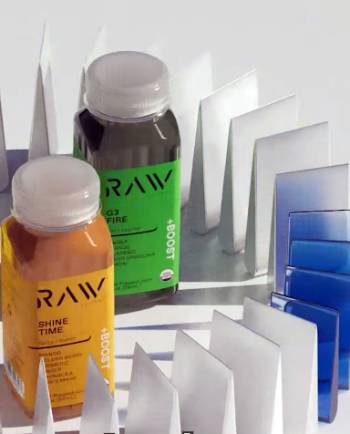
That is when I ordered my first box from Raw Generation, which arrived frozen and packed with an incredible variety of produce.
I found the Raw Generation experience to be much more focused on results; their “Lower Sugar” cleanse was exactly what I needed to see a real difference in my bloating.
I noticed that Raw Generation juices tend to be a bit sweeter and more fruit-forward, which made the “green” juices much easier for me to drink without holding my nose.
I have spent months switching between these two brands to see how they affect my energy levels and digestion over the long term.
I found that if I am in a rush and need a quick one-day reset, Pressed is my go-to because of the local convenience.
But if I am planning a serious five-day overhaul of my eating habits, Raw Generation’s bulk shipping and frozen storage model is much more practical.
I noticed that my skin looked noticeably clearer after a week on Raw Generation, likely due to the sheer volume of nutrients in their specific blends.
On the other hand, Pressed offers a “Custom” bundle that allowed me to pick exactly which juices I liked, avoiding the ones with too much ginger or celery.
I found that the “wellness shots” from Pressed were a fantastic addition to my morning routine, providing a spicy kick that really woke up my metabolism.
Overall, my journey has taught me that there isn’t a one-size-fits-all answer, but rather a best fit for your specific health objectives at the moment.
You have to look at whether you prefer the convenience of a local shop or the potency of a frozen-to-your-door delivery system.
I have analyzed the nutrient density, the sugar content, and the actual “enjoyment factor” of both brands to give you the most honest perspective possible.
Key Features of Pressed
Pressed has built its reputation on accessibility and a very clean, minimalist aesthetic that makes juicing feel less intimidating for the average person.
I found that one of their best features is the tiered cleanse system, which allows you to choose a program based on your experience level.
I noticed that their “Cleanse 2” is the perfect middle ground, offering a mix of greens, citrus, and roots that doesn’t feel too “grassy.”
Another key feature is their membership program, which significantly lowers the price per bottle if you are a frequent juicer.
I found the “Freeze” vegan soft serve at their physical locations to be a brilliant way to stay on track with healthy habits while still enjoying a treat.
They also offer a variety of “Hydration” drinks and plant-based milks that go beyond just standard juice blends.
I noticed that their packaging is very eco-friendly and the bottles are the perfect size for a standard cup holder or a small gym bag.
The use of HPP technology ensures a longer shelf life, which I found helpful when I wanted to stock up for a week without worrying about spoilage.
Key Features of Raw Generation
Raw Generation takes a very different approach, focusing on the “raw” integrity of the juice by freezing it immediately after pressing.
I found that their most impactful feature is the “Skinny Cleanse,” which is specifically formulated to help users drop water weight quickly and safely.
I noticed that they do not use any heat or HPP, which appeals to the purist in me who wants the most enzymes possible.
Another key feature is their “Daily Juice” subscription, which sends a large box of frozen bottles that you can thaw as needed.
I found this incredibly helpful for preventing food waste, as I could keep the juices in my freezer for months until I was ready for them.
They also offer a “Protein Cleanse” that includes plant-based protein shakes, which I found to be a life-saver on days when I was particularly active.
I noticed that their juices are very filling, often containing a higher volume of liquid than the standard Pressed bottles.
The focus on “No Added Sugar” and “100% Raw” is a major selling point for anyone looking for the cleanest possible nutritional profile.
Pros and Cons: Pressed
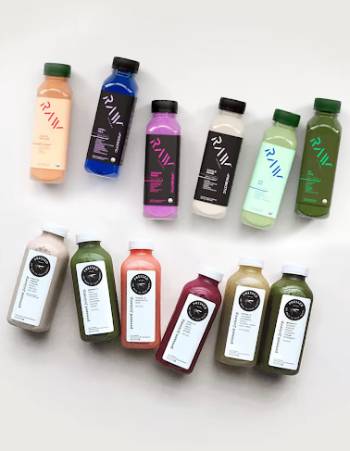
Analyzing a brand like Pressed requires looking at how they balance mass-market appeal with nutritional quality.
Pros
- Exceptional Accessibility: With hundreds of locations, you can often pick up a fresh cleanse on your way home from work without waiting for shipping.
- Affordable Membership: Their monthly credit system makes high-quality juicing much more budget-friendly for the long term.
- Tiered Cleanse Options: Whether you are a beginner or a “green juice pro,” they have a pre-set routine that matches your palate.
- Great Taste: The flavors are very well-balanced and approachable, making it easier to stick to the program for multiple days.
- Functional Shots: Their ginger, turmeric, and elderberry shots are powerful additions that provide a quick metabolic or immune boost.
- High Consistency: Because of their HPP process, you know exactly what the juice will taste like every single time you buy it.
- Vegan Treats: The availability of plant-based snacks and soft serve helps bridge the gap between cleansing and a sustainable healthy lifestyle.
Cons
- HPP Processing: While it extends shelf life, some purists argue that high-pressure processing can slightly reduce the live enzyme count: colon.
- Smaller Bottle Size: I found that some of the bottles felt a bit small for a full meal replacement, occasionally leaving me hungry between sessions: colon.
- Plastic Usage: Like most major brands, the reliance on single-use plastic bottles is a drawback for the environmentally conscious consumer: colon.
- Lower Calorie Counts: Some of the cleanses are very low in calories, which might lead to a “crash” for someone with a high-intensity job: colon.
- In-Store Upselling: Sometimes the retail experience can feel a bit pushy with memberships and add-ons if you are just looking for one juice: colon.
- Less Fiber: The cold-pressing process removes almost all fiber, which is standard but might affect satiety for some users: colon.
- Urban Focus: If you don’t live in a major city, the “local pickup” advantage disappears and you have to rely on their shipping fees: colon.
Also Read: My Thoughts On Rescue Ice Detox
Pros and Cons: Raw Generation
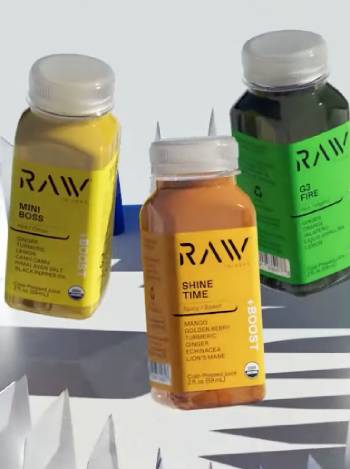
Raw Generation targets a demographic that wants the most raw, potent results possible with maximum convenience.
Pros
- Truly Raw Ingredients: By avoiding HPP and heat, they preserve the maximum amount of vitamins, minerals, and live enzymes in every bottle.
- Long Shelf Life (Frozen): Being able to store juices in the freezer for up to six months is a massive advantage for bulk buyers.
- Targeted Results: Their cleanses are specifically designed for goals like weight loss, muscle building, or skin health.
- High Volume: The bottles are generous in size, often helping you feel more “full” than other brands during a fast.
- Protein Options: They are one of the few brands to offer a protein-heavy cleanse, which is essential for maintaining muscle mass.
- No Additives: You can clearly see that there are zero preservatives, flavors, or colors added to their vibrant blends.
- Convenience: Having a massive box of frozen nutrition delivered to your door eliminates the need for frequent store trips.
Cons
- Thawing Time: You have to remember to move juices to the fridge 12-24 hours in advance, which requires some forward planning: colon.
- Sweeter Palate: Some users find the fruit-to-green ratio a bit high, which can be an issue for those watching their total sugar intake: colon.
- Freezer Space: A 3-day or 5-day cleanse takes up a significant amount of space in a standard freezer compartment: colon.
- Higher Entry Price: Because they focus on bulk shipping, the initial cost of a box can feel steeper than buying a few juices at a shop: colon.
- Shipping Delays: Like any delivery-based service, you are at the mercy of couriers and potential weather delays for your reset: colon.
- Taste Variation: Because the juices are raw and seasonal, the flavor profile can vary slightly from one order to the next: colon.
- Limited Single Purchases: It is harder to just “try one” bottle without committing to a larger pack or subscription: colon.
Pressed Vs. Raw Generation: The Analytical Comparison
When you look at these two brands side-by-side, the choice usually comes down to your personal values regarding “raw” vs “processed.”
I found that Pressed is the ultimate brand for the modern, busy professional who wants to integrate health into their existing routine.
You can grab a juice between meetings, use their app for quick rewards, and find a shop in almost every major airport or shopping center.
However, Raw Generation is for the user who is looking for a “hard reset” and wants the most nutrient-dense product they can find.
I noticed that if I am trying to lose a specific amount of weight for a wedding or vacation, Raw Generation’s structured plans provide a clearer roadmap.
But if I just had a heavy weekend and want to feel “clean” again by Monday afternoon, Pressed is the faster and more flexible solution.
I have found that the sugar content in Raw Generation’s standard cleanses can be a bit high for my liking, so I always opt for their “Lower Sugar” versions.
Pressed, conversely, has a very consistent sugar-to-vegetable ratio across their entire line, which makes it easier to track your macros.
I noticed that the cashew and almond milks from Pressed are some of the best-tasting on the market, whereas Raw Generation focuses more on fruit and vegetable purity.
If you are a beginner, the gentle flavor profiles of Pressed will likely be more enjoyable and help you stick to the cleanse.
If you are a veteran juicer who wants to feel the “zing” of truly raw produce, the Raw Generation frozen bottles will likely satisfy you more.
I also analyzed the packaging; Raw Generation uses sturdy shipping boxes that I have repurposed for storage, while Pressed uses standard retail bags.
In terms of environmental impact, both brands are working on sustainability, but the frozen shipping of Raw Generation does involve more insulation materials.
You should consider your daily schedule; if you can’t remember to thaw a juice the night before, you will find Raw Generation frustrating.
But if you hate going to the store and want your nutrition to show up at your door like magic, Raw Generation is the winner.
I found that my body responded well to both, but the “Raw” enzymes in Raw Generation gave me a slightly more intense energy boost on day three.
Pressed is more about a “lifestyle” approach, while Raw Generation is more of a “performance” or “results” approach.
I have seen both brands help people transition away from processed foods and toward a more plant-based way of living.
Your choice should ultimately reflect which of these logistical paths you are most likely to follow without quitting.
Also Read: My Thoughts On Squeezed Juice Cleanse
Frequently Asked Questions (FAQs)
It depends on your goal; Pressed is better for accessibility and beginners, while Raw Generation is better for raw nutrient potency and bulk convenience.
The 80/20 rule suggests that 80% of your juice should come from vegetables and only 20% should come from fruit to keep sugar levels low.
There is no single “best,” but Pressed and Raw Generation are top-rated for their quality, variety, and reliable delivery systems.
Yes, they provide concentrated vitamins and minerals, though they should be part of a balanced diet that also includes whole-fiber foods.
Final Thoughts
Deciding between Pressed and Raw Generation is a powerful step toward taking ownership of your physical well-being.
I believe that both brands offer an incredible service, but your success depends on choosing the one that aligns with your daily habits.
If you want a results-driven, raw, and convenient frozen delivery, you should choose Raw Generation for your next reset.
However, if you value flexibility, local access, and a beginner-friendly taste, you should buy your next cleanse from Pressed.