When you are venturing into the world of aromatherapy, you should buy your essential oils from brands that prioritize transparency and rigorous third-party testing rather than just opting for the lowest price point.
I have spent considerable time examining the marketplace and tracking the feedback on Plant Guru essential oils to help you understand the risks and benefits of budget-friendly botanicals.
My intent is to provide a balanced review of Plant Guru so you can see why I have reservations about recommending them as a primary source for your wellness needs.
You should choose a brand that guarantees purity through accessible GC/MS reports, ensuring your health is never compromised by synthetic additives.
My personal experience with Plant Guru essential oils
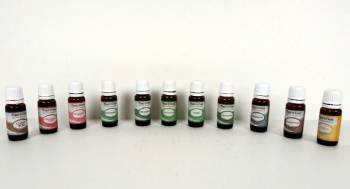
I remember the first time I stumbled across Plant Guru while looking for bulk lavender oil for a DIY soap project.
I am someone who appreciates a good bargain, and the price difference between their 4 oz bottles and the major aromatherapy brands was staggering. I ordered a set of five oils, including peppermint and frankincense, expecting a high-quality experience based on the “100% Pure Therapeutic Grade” claims on the label.
However, the moment I opened the frankincense, I noticed something was off; the scent was remarkably one-dimensional and lacked the complex, earthy depth I am used to.
I found that the peppermint oil worked reasonably well in my floor cleaner, but I hesitated to use it in my diffuser. I am an analytical user, so I conducted a simple “paper test” to check for oil dilution.
I placed a drop of their lavender on a white sheet of paper and waited for it to evaporate. Hours later, a distinct oily ring remained, which usually suggests the presence of a carrier oil or synthetic extender.
This was a major red flag for me, as pure essential oils should evaporate completely without leaving a greasy stain.
You will likely find that while the packaging looks professional, the actual sensory experience feels a bit “thin” compared to premium brands. I also had a frustrating interaction with their customer service when I tried to ask for a specific batch report for the frankincense oil.
The response was vague, and I never received the actual GC/MS data I requested. I think it is vital for you to know that while these oils might be fine for making candles or cleaning products, I did not feel comfortable using them for topical applications or intensive aromatherapy.
By the end of my trial, I realized that the low price came at the cost of the transparency and peace of mind that I value most in my essential oil collection.
Maintenance and tips for essential oil longevity
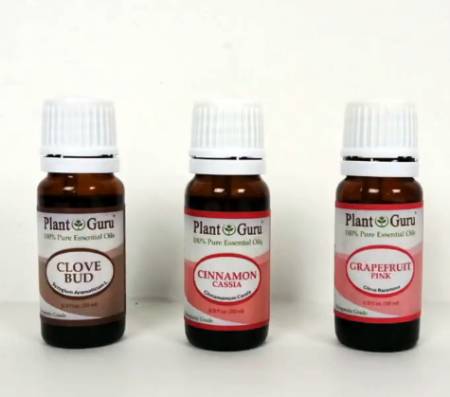
- Store Your Bottles in a Dark and Cool Location: You should never leave your essential oils on a sunny windowsill or near a heat source. Ultraviolet light and high temperatures can cause the delicate chemical compounds in the oil to oxidize and degrade, turning a healing oil into a potentially irritating one, so a dedicated cabinet or box is your best analytical defense.
- Ensure Caps are Sealed Tightly After Each Use: You should always double-check that the dropper cap is screwed on completely. Oxygen is the enemy of essential oil shelf life, and leaving a bottle cracked open even slightly will lead to rapid evaporation and the loss of the volatile molecules that provide the aroma and benefits.
- Use Glass for All Your Blending Projects: You should avoid mixing your oils in plastic containers or using plastic droppers for long-term storage. The concentrated nature of essential oils, especially citrus and spice oils, can eat through certain plastics over time, leaching chemicals into your blend and ruining the purity of your product.
- Keep a Log of When You Opened Each Bottle: You should write the date on the label when you first crack the seal. Most citrus oils only stay fresh for about a year, while heavier oils like patchouli can last for several years; knowing exactly how old your oil is helps you avoid using “spoiled” products that could cause skin sensitization.
- Wipe the Bottle Neck to Prevent Build-Up: You should use a clean cloth to remove any stray drops from the threads of the bottle before recapping. If oil builds up around the seal, it can become gummy and prevent the cap from closing properly, which introduces air and speeds up the oxidation process of the entire bottle.
- Never Ingest Oils Without Professional Guidance: You should treat essential oils as highly concentrated chemicals rather than “natural flavorings.” Even if a label claims an oil is “food grade,” the intensity of the compounds can cause severe internal irritation or organ stress, so you should only use them aromatically or topically when properly diluted.
Pros and Cons of Plant Guru Essential Oils
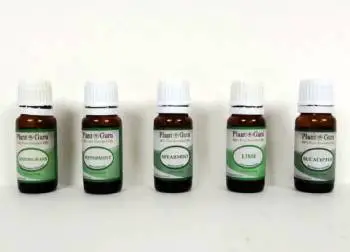
Pros of Plant Guru Essential Oils
- Extremely Competitive Bulk Pricing Strategy: This brand offers some of the lowest prices per ounce in the industry: this makes them a popular choice for hobbyists who go through large quantities of oil for crafts: this affordability allows you to experiment with scents without a massive financial commitment.
- Wide Variety of Unique Botanical Species: You can find over 140 different single oils and synergy blends in their catalog: this includes rarer oils that are sometimes difficult to find in local health food stores: this variety is excellent for those looking to expand their aromatic library.
- Convenient Packaging Options for Different Needs: They offer everything from small 5 ml sample sizes to large 4 oz bulk bottles: this flexibility ensures you only buy exactly what you need for a specific project: this is particularly helpful for DIY creators.
- Available Across Multiple Major Online Platforms: You can easily find their products on Amazon, eBay, Walmart, and Etsy: this accessibility means you can take advantage of existing shipping memberships and platform protections: this makes the buying process very straightforward.
- Focus on Natural Ingredients and Vegan Ethics: The company markets itself as a provider of cruelty-free and non-GMO products: this aligns with the values of many conscious consumers in the wellness space: this ensures that no animal testing is involved in their production.
- Effective for Non-Therapeutic Household Uses: Many users find these oils work perfectly for scenting homemade laundry detergents or candles: this allows you to save your “expensive” oils for health uses while using these for cleaning: this is a smart way to manage your aromatherapy budget.
- Simple and Functional Bottle Design with Droppers: The amber glass bottles come with Euro-style dropper caps: this helps protect the oil from light degradation and allows for easy, drop-by-drop dispensing: this prevents accidental spills and waste.
Cons of Plant Guru: An analytical look at the quality concerns:
- Inconsistent purity results and reports of oily residue: many users have performed home tests that suggest the presence of carrier oils or synthetics: this undermines the “100% pure” claim found on the label: this lack of chemical consistency can be a safety risk if you are sensitive to additives.
- Difficulties in accessing batch-specific GC/MS test results: while the website mentions testing, getting a specific report for the bottle in your hand is often impossible: this lack of transparency is a significant downside for serious aromatherapists: this makes it hard to verify the therapeutic value of the oil.
- Reports of weak or “chemical” aromatic profiles: some customers have noted that the oils smell more like fragrance oils than true botanical extracts: this one-dimensional scent profile indicates a lower quality of plant material or poor distillation: this can lead to a less effective aromatherapy experience.
- History of product recalls regarding safety packaging: the company has faced recalls for failing to use child-resistant caps on oils like Wintergreen and Birch: this raises concerns about their overall attention to safety regulations: this is a critical factor for families with young children in the home.
- Poor customer service response times and resolution: many reviews on sites like Trustpilot highlight a lack of support when orders go wrong or quality is questioned: this can leave you feeling stuck with a product you don’t trust: this adds a layer of risk to every purchase you make.
- Packaging and shipping issues with leaks and broken bottles: several users have reported receiving packages where the oil had leaked through the seal: this leads to a messy cleanup and a loss of product before you even start: this indicates a need for better quality control in the fulfillment department.
- Ambiguous labeling regarding “therapeutic grade” terminology: since there is no official governing body for “therapeutic grade,” the term is mostly used for marketing: this can be misleading for beginners who think it’s a certified medical standard: this requires users to do their own deep research into what they are actually buying.
Plant Guru Vs. Other Brands
Plant Guru Vs. Plant Therapy
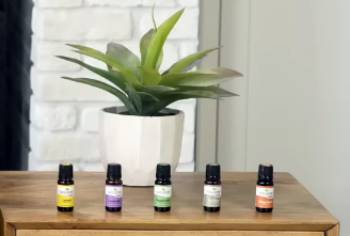
Plant Therapy is widely regarded as one of the best mid-range brands for those who value transparency above all else.
I have found that Plant Therapy makes their batch-specific GC/MS reports available directly on their website for every single bottle.
Analytically, this puts them leagues ahead of Plant Guru, who often keeps their testing data behind a wall of customer service requests.
Plant Therapy also offers a dedicated “KidSafe” line developed by world-renowned aromatherapists, giving you peace of mind when using oils around children.
While Plant Guru is often cheaper, Plant Therapy provides a level of professional oversight and safety that makes them the superior choice for home wellness.
- Plant Guru Vs. Edens Garden
Edens Garden is a woman-owned company that consistently wins awards for its high-quality blends and customer service.
I have noticed that Edens Garden oils have a much more complex and “true” aromatic profile than the often-muted scents from Plant Guru.
Analytically, Edens Garden follows a “freshness first” policy, ensuring that their oils are moved quickly from distillation to the consumer.
They also offer E.D.E.N.S. reports which are comprehensive and easy to read, proving the purity of their products.
If you are looking for a brand that feels more “boutique” and high-end without the MLM price tag, Edens Garden is far more reliable than Plant Guru.
- Plant Guru Vs. doTERRA
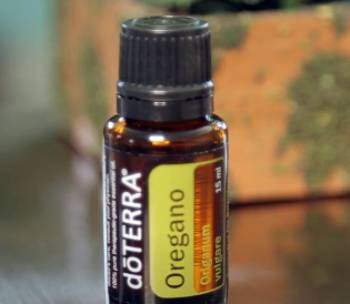
doTERRA is a giant in the industry known for its “CPTG” (Certified Pure Tested Grade) standard and multi-level marketing structure.
I find that doTERRA’s oils are exceptionally potent, but the high price is largely driven by the commission structure for its distributors.
Analytically, you are paying a massive premium for doTERRA compared to Plant Guru, but you are getting a product that has undergone significantly more rigorous testing.
However, for the average consumer, you can find the same quality as doTERRA in non-MLM brands for half the price.
While Plant Guru is the “budget” extreme, doTERRA is the “luxury” extreme, and neither is as balanced as a brand like Plant Therapy.
- Plant Guru Vs. Rocky Mountain Oils
Rocky Mountain Oils (RMO) is another top-tier brand that emphasizes sustainability and direct-to-consumer value.
I have noticed that RMO provides a “S.A.F.E.” promise that guarantees their oils are 100% pure and free from any synthetic chemicals or fillers.
Analytically, RMO is a great alternative to Plant Guru because they offer a recycling program for your old bottles, which appeals to eco-conscious users.
They also provide their GC/MS results online, maintaining a level of transparency that Plant Guru simply hasn’t matched.
RMO is more expensive than Plant Guru, but the assurance of quality and their commitment to the environment make them a much more reputable brand.
- Plant Guru Vs. Now Solutions
Now Solutions (from Now Foods) is the “drugstore” alternative to Plant Guru, often found in local health food stores.
I find that Now Solutions is a very reliable brand for basic, high-volume oils like lavender or eucalyptus.
Analytically, Now Solutions has the backing of a massive, long-standing supplement company with high-quality laboratory standards.
While they aren’t as “boutique” as some of the other brands, their oils are generally more consistent in quality than Plant Guru.
Now Solutions is arguably the most similar to Plant Guru in price, but because they are a major international brand, their quality control is usually much tighter and more predictable.
Frequently Asked Questions (FAQs)
While the label claims they are 100% pure, many users report oily residues and inconsistent scents that suggest they may be diluted or of lower botanical quality.
Brands like Plant Therapy, Edens Garden, and Rocky Mountain Oils are consistently rated as the highest quality due to their transparency and batch-specific testing.
You should be cautious of any brand that refuses to provide GC/MS reports or sells every oil (from lemon to rose) for the same suspiciously low price.
Yes, Plant Therapy is a highly respected and legitimate brand that is widely recommended by professional aromatherapists for its transparency and safety standards.
Final Thoughts
When you are choosing the oils that you will breathe into your lungs or apply to your skin, you should buy from a source that values your safety as much as your wallet.
I have found that while Plant Guru offers enticing prices for the budget-conscious crafter, their lack of transparency makes them a risky choice for therapeutic use.
You should choose a brand like Plant Therapy or Edens Garden if you want to ensure that your essential oils are truly pure and free from harmful synthetics.
I believe that it is better to own five high-quality, tested oils than fifty bottles of questionable purity that might cause irritation or provide no benefit.
You deserve to have confidence in your aromatherapy journey, and I encourage you to prioritize quality and transparency over a “too-good-to-be-true” bargain.