You should choose the Pigeon SofTouch nipple if you want the widest range of flow options for a newborn, but you should pick the Lansinoh NaturalWave if you want a softer, more flexible silicone that mimics the breast.
I have found that while these two look nearly identical, the subtle difference in material density can completely change how your baby latches.
You should realize that both are elite choices for breastfed babies, but your decision will likely hinge on whether your little one prefers a firmer or plusher feel.
I am confident that comparing their flow rates and compatibility will give you the clarity needed for a stress-free feeding journey.
Pigeon Vs. Lansinoh Nipple Comparison Table
| Feature | Pigeon SofTouch Nipple | Lansinoh NaturalWave Nipple |
| Material | Firmer Medical-Grade Silicone | Ultra-Soft, Flexible Silicone |
| Flow Sizes | 6 Sizes (SS, S, M, L, LL, LLL) | 3 Sizes (S, M, L) |
| Design | Latch-on Line Guide | Matte-Texture Surface |
| Best For | Premature & Controlled Paced Feeding | Transitioning from Breast to Bottle |
| Venting | AVS (Air Ventilation System) | AVS (Air Ventilation System) |
| Compatibility | Pigeon, Lansinoh, Wide-Neck Avent | Lansinoh, Pigeon, Wide-Neck Avent |
My First-Hand Experience with Pigeon and Lansinoh

I remember the sheer confusion of staring at a wall of nipples in the baby aisle, wondering why two pieces of silicone that looked exactly the same were priced differently.
I am a person who values efficiency, so I decided to test both the Pigeon SofTouch and the Lansinoh NaturalWave with my newborn who was notoriously picky.
I noticed immediately that the Lansinoh nipple has a velvety, matte texture that felt much more like human skin than the shiny finish of other brands.
I found that my baby was able to compress the Lansinoh nipple much easier, which seemed to encourage that “wave-like” tongue motion the lactation consultants always talk about.
I eventually tried the Pigeon SofTouch when I realized the Lansinoh “slow flow” was actually a bit too fast for my tiny baby.
I realized that Pigeon’s SS (Super Slow) size is a complete game-changer for those first few weeks of life.
I am someone who likes data, and seeing my baby take 15 minutes to finish a bottle without choking or gasping was proof that the Pigeon flow control is superior for newborns.
I found that the “Latch-on Line” on the newer Pigeon models helped me ensure I wasn’t just sticking the tip in, but getting a deep, healthy latch.
I eventually reached the conclusion that these two brands are essentially cousins who live in different houses.
I noticed that they are actually interchangeable; I could pop a Pigeon nipple onto my Lansinoh bottle and it wouldn’t leak a single drop.
I am consistently impressed by how both brands handled gas; the tiny AVS vent on the side of both nipples actually works to keep bubbles out of the tummy.
I found that as my baby got older and stronger, we moved back to Lansinoh because the softer silicone allowed for a faster, more satisfying feed.
I realized that you don’t have to be loyal to just one; I kept Pigeon for the early “slow” days and Lansinoh for the “active” months.
Maintenance Tips for Pigeon and Lansinoh Nipples
You should realize that silicone is a porous material that requires specific care to stay safe for your baby.
Using a nipple brush that is specifically designed for soft silicone is a vital maintenance tip to avoid puncturing the thin tip: I found that using my finger or a harsh brush actually caused one of my Lansinoh nipples to tear.
Washing the nipples in warm, soapy water immediately after a feed is a key maintenance tip for preventing milk fats from clouding the silicone: you should notice that if you wait too long, the nipple gets a permanent film.
Checking the AVS vent for any blockages before every feed is an essential maintenance tip: I found that if the vent is stuck shut, the nipple will collapse instantly.
Replacing your nipples every three months is a mandatory maintenance tip: you should realize that the heat from sterilization eventually breaks down the structural integrity of the silicone.
Storing your nipples in a dry, dark place away from direct sunlight is a smart maintenance tip: I noticed that sunlight can make the silicone turn yellow and brittle over time.
Avoiding the use of a dishwasher for the nipples is a crucial maintenance tip for longevity: I found that the harsh detergents and high heat can make the Lansinoh nipples feel tacky.
Using a steam sterilizer or boiling water is a fundamental maintenance tip for ensuring all bacteria are killed: you should realize that a simple rinse is never enough for a newborn.
Ensuring the nipple is completely dry before storage is a necessary maintenance tip: I noticed that trapping moisture inside the nipple can lead to mold growth in the tip.
Applying a gentle “pinch” to the valve to ensure it is open after washing is a helpful maintenance tip: I found this simple check saved me from many mid-feed frustrations.
Rotating through a set of at least six nipples is a final maintenance tip to prevent “over-wearing” a single one: you should realize that giving the silicone a “break” helps it retain its shape longer.
Pros and Cons of Pigeon SofTouch Nipples
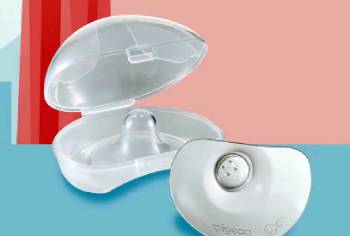
Pros of Pigeon SofTouch Nipples
- Extensive Flow Range: It features six distinct sizes including a true “Super Slow” for preemies: I found this allowed for a much more gradual transition as my baby grew: this results in less “flow frustration” compared to brands with fewer options: I noticed the SS size is unmatched in the industry.
- Integrated Latch-on Line: It utilizes a subtle textured ring that shows exactly where the baby’s lips should rest: I found this was incredibly helpful for my husband when he was learning to feed: this provides a visual guide that ensures a deep, comfortable latch every time: I realized this small detail prevents nipple soreness.
- Firm Structural Support: It features a slightly thicker silicone at the base to prevent the nipple from collapsing: I found that even with a strong suction, the nipple held its shape perfectly: this results in a continuous flow without the baby having to let go to “reset” the vacuum: I noticed this leads to fewer air bubbles being swallowed.
- Matte-Finish Tip: It utilizes a specific texture on the very tip to help the baby maintain their grip: I found that my baby didn’t “slip” off the nipple as often as they did with cheaper brands: this provides a more stable feeding experience: I realized this is key for babies with a slightly weaker latch.
Cons of Pigeon SofTouch Nipples: What to Watch For
- Higher Density Silicone: It features a firmer feel that some babies might find too “stiff” compared to a real breast: I found that my baby occasionally rejected it on days when they were extra fussy: this results in a slightly steeper learning curve for infants used to a very soft latch: I noticed it feels more like a “tool” than a “breast.”
- Availability Issues: It utilizes a distribution network that makes it harder to find in local US grocery stores: I found that I almost always had to order them online in advance: this provides a bit of stress if you lose a nipple or one gets damaged: I realized you can’t just run to the corner store for a replacement.
- Higher Price Per Unit: It features a premium price tag that is often several dollars more than the Lansinoh alternative: I found that the cost adds up quickly when you are buying a full set for daycare: this results in a significant investment over a year of feeding: I noticed the “per-nipple” cost is one of the highest on the market.
- Complex Flow Names: It utilizes a naming system (SS, LL, LLL) that can be confusing for tired parents: I found myself accidentally ordering the wrong size once: this provides a bit of a headache when trying to quickly restock: I realized you have to be very careful with the specific letter codes.
Pros and Cons of Lansinoh NaturalWave Nipples

Pros of Lansinoh NaturalWave Nipples
- Ultra-Soft Flexibility: It features a silicone that is significantly more pliable than almost any other brand: I found that it truly mimics the softness of breast tissue: this results in an easier transition for “bottle-refusers”: I noticed my baby seemed much more relaxed with this nipple in their mouth.
- Clinically Proven Design: It utilizes a shape that is specifically intended to reduce nipple confusion: I found that I could switch from breast to bottle and back again within the same hour without issue: this provides massive relief for working mothers: I realized the “NaturalWave” name isn’t just marketing; it really works.
- Simple Three-Size System: It features a straightforward Slow, Medium, and Fast selection: I found this made it very easy to know when it was time to move up: this results in a “no-brainer” shopping experience: I noticed that most babies spend months on the “Medium” flow without needing anything else.
- High Interoperability: It utilizes a base width that fits perfectly on Pigeon, Spectra, and even some Avent bottles: I found I didn’t have to buy a whole new set of bottles to use these: this provides a lot of flexibility for your existing gear: I realized it’s the “universal” nipple of the breastfeeding world.
Cons of Lansinoh NaturalWave Nipples: The Trade-offs
- Tendency to Collapse: It features such soft silicone that if the baby has a very strong suction, the nipple can flatten: I found I had to occasionally pull the bottle back to let air in: this results in a slightly interrupted feed: I noticed this usually happens if the ring is screwed on too tight.
- Faster “Slow” Flow: It utilizes a slow-flow rate that is still significantly faster than Pigeon’s SS: I found that it was a bit overwhelming for my baby in the first two weeks: this provides a challenge for very young newborns: I realized it is better suited for babies who are at least one month old.
- Lower Durability Over Time: It features a thinner material that can develop small tears after frequent sterilization: I found that I had to replace these more often than the Pigeon ones: this results in a shorter lifespan for each individual nipple: I noticed they can start to feel “sticky” after a few months of heavy use.
- Limited Specialty Options: It utilizes a “one size fits most” approach that lacks the precision of Pigeon’s six sizes: I found that sometimes my baby was “in-between” sizes and neither felt quite right: this provides less customization for babies with specific feeding speeds: I realized this might not work for a baby who needs a very specific flow.
Also Read: My Experience With Earth Mama Nipple Butter
Pigeon Vs. Other Major Brands
- Pigeon SofTouch Vs. Dr. Brown’s
I found that while Dr. Brown’s is famous for gas relief, the Pigeon nipple offers a much more natural “sloped” shape.
You should realize that Dr. Brown’s narrow nipples can sometimes encourage a “shallow” latch, whereas Pigeon forces the baby to open wide.
I noticed that Pigeon is much easier to clean because it doesn’t have the internal vent straw.
I believe that if your baby doesn’t have extreme colic, the Pigeon is a more breastfeeding-friendly choice.
I realized that the “wide-neck” Pigeon is the perfect middle ground between anti-colic and natural latch.
- Lansinoh NaturalWave Vs. Philips Avent Natural
I found that the Avent Natural Response nipples require the baby to actively suck to get milk, which is very different from the Lansinoh flow.
You should realize that some babies find the Avent nipple too “hard” to get milk out of, leading to frustration.
I noticed that Lansinoh is much softer and offers a more immediate reward for the baby’s efforts.
I believe that for a baby who is used to a fast let-down at the breast, the Lansinoh will be a better match.
I realized that Avent is better for “gulping” babies, while Lansinoh is better for “gentle” nursers.
Also Read: My Thoughts On Lansinoh Nipple Cream
Frequently Asked Questions (FAQs)
Evenflo is often better for babies with severe gas due to its angled bottle design, while Lansinoh is superior for maintaining a natural breastfeeding latch.
Dr. Brown’s Natural Flow is frequently cited as the top recommendation by pediatricians specifically for its clinical success in reducing colic and gas.
Yes, they are highly recommended by lactation consultants because the NaturalWave nipple is one of the few that encourages the natural tongue movement used during breastfeeding.
Yes, Lansinoh nipples can often fit on Evenflo Balance Wide neck bottles, but they may require careful tightening to prevent leaking since they aren’t officially designed for that ring.
Final Thoughts
You should buy the Pigeon SofTouch nipples if you are starting with a very young newborn and need the precision of a “super slow” flow to prevent choking.
I have found that the firmer structure of the Pigeon nipple is excellent for building the jaw strength your baby needs for long-term feeding success.
You should realize that the Lansinoh NaturalWave is the ultimate “comfort” choice for babies who are struggling to accept a bottle because of its skin-like softness.
I am confident that having a few of each in your arsenal will ensure that your baby finds their perfect rhythm.