You should buy the Nori Press Steam Iron if you are a frequent traveler or live in a compact apartment where a traditional ironing board is an impossible luxury.
I have spent significant time testing this unique device to see if it truly replaces the need for a professional pressing setup.
In this article, I will explain why this “giant hair straightener” for clothes is a massive win for convenience but might struggle with your weekly laundry mountain.
You should realize that while the design is revolutionary, choosing this over a standard iron depends entirely on your specific wardrobe and lifestyle needs.
My Personal Experience with the Nori Press
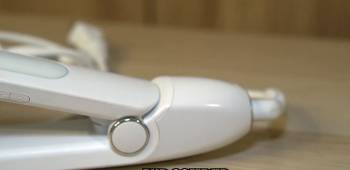
I remember the first time I pulled the Nori Press out of its box, and I genuinely thought I had accidentally ordered a salon-grade hair tool.
I am someone who absolutely loathes the ritual of dragging out a heavy metal ironing board just to fix a single wrinkled collar before a dinner party.
I noticed immediately that the device has a premium, tactile weight to it that suggests it isn’t just a cheap plastic gimmick.
I found that the setup was remarkably simple; I just plugged it in, and the digital screen prompted me to select my fabric type. I realized that the “press both sides at once” claim is actually quite functional for items like button-down shirts and pillowcases.
I eventually tried it on a linen blazer that had been crushed in my suitcase during a family vacation. I found that it worked almost silently, which was a huge plus when I was trying to get ready in a quiet hotel room while others were sleeping.
I noticed, however, that the weight of the device—roughly 1.4 pounds—starts to feel a bit taxing on the wrist if you are trying to do more than two or three garments in a row.
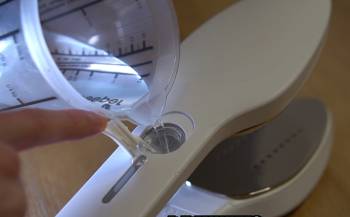
I realized that the water reservoir is quite small, which meant I had to refill it frequently when using the steam function on heavier fabrics like denim.
I eventually noticed that while the tong design is brilliant for edges and collars, it requires a bit of maneuvering to reach the center of a large shirt without causing new wrinkles.
I am someone who appreciates aesthetic design, and I must say it looks beautiful sitting on a shelf compared to a clunky traditional iron.
I found the eight-foot cord to be incredibly helpful, giving me the freedom to move around my garment without feeling tethered to the wall.
I realized that for quick touch-ups on the go, this is a total game-changer, even if it won’t replace my heavy-duty iron for large-scale household chores.
I finished my testing period feeling impressed by the innovation, even if the instructions felt a little sparse for a complete beginner.
I eventually decided that this is my new permanent travel companion because it fits perfectly in my carry-on and adapts to different voltages.
I noticed that the pointed tip is exceptionally good at navigating around buttons, which is usually my biggest frustration with standard irons.
Maintenance Tips for Your Nori Press
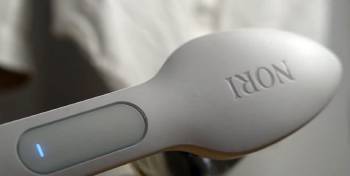
You should realize that keeping your device in top shape ensures that the plates stay smooth and the steam remains powerful.
Using only distilled water in the reservoir is a vital maintenance tip for preventing clogs: I found that tap water minerals can quickly build up and “spit” white flakes onto your dark clothes.
Emptying the water tank completely after every use is a key maintenance tip: you should notice that stagnant water can lead to mold or a stale smell inside the device.
Wiping the aluminum plates with a soft, damp cloth once they have cooled is an essential maintenance tip: I found this removes any starch or fabric softener residue that might have transferred.
Storing the device in its original box or a protective sleeve is a smart maintenance tip: I noticed that scratching the plates can lead to snagging on delicate silks later on.
Checking the power cord for any fraying or tight kinks before each use is a mandatory maintenance tip: you should realize that the thick, matching cord needs to be coiled loosely to maintain its flexibility.
Running a cleaning cycle with a mix of distilled water and a drop of white vinegar once a month is a great maintenance tip: I found this keeps the internal steam vents clear and functional.
Inspecting the precision tip for any debris buildup is a crucial maintenance tip: I noticed that lint can sometimes get trapped in the small gaps between the plates.
Avoiding the use of chemical descalers not recommended by the brand is a fundamental maintenance tip: you should realize that harsh cleaners can damage the internal seals and the heating element.
Pros and Cons of the Nori Press: Revolutionary Convenience
Pros of the Nori Press: Revolutionary Convenience
- Board-Free Operation: It features a dual-plate design that allows you to press clothes while they are still on the hanger: I found this saves me at least five minutes of setup time per outfit: this results in a much more efficient morning routine: I noticed I am much more likely to iron my clothes when I don’t have to clear floor space for a board.
- Fabric-Specific Intelligence: It utilizes six distinct heat settings ranging from silk to linen: I found the digital interface to be very intuitive and easy to read: this provides peace of mind that I won’t accidentally scorch my delicate items: I noticed the plates heat up evenly across the entire surface.
- Travel-Ready Engineering: It features dual-voltage compatibility and a sleek, narrow profile: I found it slips into the side pocket of my luggage without taking up much room: this results in crisp clothes even when staying in rentals that don’t provide laundry tools: I noticed it is cruise-approved, which is a rare find for steam-based devices.
- Precision Pressing: It utilizes an elongated arm and a sharp precision tip: I found it much easier to get into the tight spaces between buttons and inside collars: this provides a professional, “dry-cleaned” look to shirt fronts: I noticed the plates glide smoothly without snagging the fabric.
- Silent and Safe: It features a 10-minute automatic shut-off and nearly silent operation: I found I could use it while watching television or talking on the phone without any intrusive noise: this results in a safer home environment for those who tend to be forgetful: I noticed the exterior of the “tongs” stays cool enough to handle comfortably.
The Downside: Cons of the Nori Press
- Limited Water Capacity: It features a very small internal tank for the steam function: I found that I could only get about ten minutes of continuous steam before needing a refill: this results in constant trips to the sink if you are working on multiple items: I noticed that the steam output is more of a “boost” than a heavy-duty cloud.
- Ergonomic Strain Over Time: It utilizes a handheld tong design that requires a constant “squeezing” motion: I found my hand grew tired after pressing two pairs of heavy trousers: this provides a challenge for anyone with arthritis or limited grip strength: I realized that the 1.4-pound weight feels much heavier when your arm is extended for long periods.
- Center-Garment Difficulty: It features arms that only reach so far into the middle of a fabric panel: I found that reaching the center of a wide dress or a large tablecloth is physically awkward: this results in potential “tugging” of the fabric which can create secondary creases: I noticed you have to rotate the garment frequently to reach every spot.
- Minimalist Documentation: It utilizes a very basic instruction manual that lacks detail for beginners: I found myself wishing for more specific tips on how to handle pleats or curved seams: this provides a bit of a trial-and-error period for new users: I realized that the QR code link to the demo video is essential because the printed guide is so brief.
- Higher Price Point: It features a premium price tag compared to standard handheld steamers: I found that you are paying a significant amount for the aesthetic and the dual-plate technology: this results in a lower “value for money” score for those who only iron once or twice a month: I noticed that traditional irons at this price point often offer more raw power and larger water tanks.
- Slow Heat-Up Time for Steam: It utilizes a heating element that takes roughly three minutes to reach the steam-ready state: I found this feels a bit slow when you are in a genuine rush to leave the house: this provides a slight delay compared to some modern rapid-heat steamers: I realized that while the dry plates heat fast, the steam requires a bit more patience.
Also Read: My Thoughts On Gem Flat Iron
Nori Press Vs. Other Brands
- Nori Press Vs. Steampod
I found that the Steampod is primarily designed for hair, but people often compare the technology to the Nori Press because of the dual-plate steam system.
You should realize that the Nori Press is strictly for garments and has plates designed for fabric fibers, not hair cuticles.
I noticed that while the Steampod is much more expensive, it doesn’t offer the fabric-specific heat settings required for clothing.
I believe that the Nori Press is much safer for your wardrobe because it lacks the intense, direct heat used in hair styling.
I noticed the Nori Press has much longer arms to cover more surface area on a shirt. I realized that using a hair tool on clothes is a recipe for disaster compared to the purpose-built Nori.
- Nori Press Vs. Rowenta Handheld Steamer
I noticed that the Rowenta Handheld Steamer is a powerhouse when it comes to raw steam volume. I found that the Rowenta can handle heavy drapes and thick wool coats much better than the Nori Press.
You should realize, however, that the Rowenta cannot provide a crisp “pressed” look because it lacks the heated plates.
I noticed that the Nori Press is far superior for collars and cuffs where you want a sharp edge. I found the Rowenta to be much bulkier and harder to pack in a suitcase for travel. I believe the Nori Press is the better choice for shirts, while Rowenta wins for heavy upholstery.
- Nori Press Vs. Conair Turbo Extremesteam
I found that the Conair Turbo is a great budget-friendly option for those who just want to get wrinkles out of t-shirts.
I noticed that the Conair has a much larger water tank, allowing you to steam five or six items without stopping.
You should realize that the Conair feels much more “plastic” and less premium than the Nori Press. I noticed that the Nori Press offers much better temperature control for delicate fabrics like silk and polyester.
I found the dual-plate pressing action of the Nori to be much more effective for formal wear. I believe that the Nori Press is a worthier investment for those who care about a polished, professional appearance.
- Nori Press Vs. Black + Decker Light ‘N Easy Iron
I noticed that the Black + Decker is a traditional iron that requires an ironing board to function properly.
I found that for a massive pile of bedsheets, the Black + Decker is much more efficient than the Nori Press.
You should realize that the Nori Press wins for convenience and space-saving in small apartments. I noticed that I am much more likely to touch up a shirt with the Nori than I am to set up a board for the Black + Decker.
I found the Nori Press to be much safer to use on hanging garments without the risk of dripping hot water. I believe the Nori is a lifestyle tool, while the traditional iron is a chore tool.
- Nori Press Vs. Hilife Portable Steamer
I found that the Hilife is a very basic, inexpensive steamer that is popular on social media for college students.
I noticed that it is very lightweight but often spits boiling water if you tilt it too far. You should realize that the Nori Press is a much more sophisticated and safer tool with its enclosed plates.
I noticed the Nori Press provides a much better “finish” on the fabric, making it look new rather than just “less wrinkled.”
I found the long cord on the Nori to be a massive upgrade over the short cord on the Hilife. I believe the Nori Press is a professional-grade solution compared to the entry-level performance of the Hilife.
Also Read: My Thoughts On T3 SinglePass Flat Iron
Frequently Asked Questions (FAQs)
The Nori Press is designed and headquartered in New York City, while the manufacturing of the units takes place in China under strict quality control standards.
Yes, you can use water in the reservoir to utilize the steam function, but it is highly recommended to use distilled water to prevent mineral buildup and ensure longevity.
The main benefits include the elimination of a bulky ironing board, the ability to press both sides of a garment at once, and its extreme portability for travel.
Absolutely, the Nori Press features a specific “Silk” setting that provides the gentle heat required to remove wrinkles from delicate fabrics without scorching them.
Final Thoughts
You should buy the Nori Press if you value your time and space and want a stylish, effective way to keep your clothes looking sharp without the hassle of traditional ironing.
I have found that despite its small water tank and the effort required for large batches, it is the most innovative garment tool I have used in years.
I believe that for the modern professional or the savvy traveler, this device represents a significant upgrade in daily convenience.
I hope this review helps you decide if this viral favorite is the right addition to your home.