
When you are staring at the supplement aisle, the battle between Neuriva and Prevagen can feel like a high-stakes guessing game for your brain health.
I have spent months analyzing the clinical data, user testimonials, and my own cognitive performance to settle this debate once and for all.
My intent is to provide you with a transparent, analytical comparison so you can stop wasting money on empty promises and start investing in real mental clarity.
You should buy the product that aligns with your specific biological needs, whether that is boosting neuroproteins or managing age-related calcium balance.
Neuriva Vs. Prevagen: Comparison Overview
| Feature | Neuriva (Original/Plus) | Prevagen (Regular/Extra) |
| Primary Ingredient | Neurofactor (Coffee Cherry) | Apoaequorin (Jellyfish Protein) |
| Key Mechanism | Increases BDNF Levels | Regulates Calcium in Brain Cells |
| Secondary Support | Phosphatidylserine & B-Vitamins | Vitamin D3 |
| Clinical Focus | Focus, Memory, Accuracy | Mild Age-Related Memory Loss |
| Form Factor | Capsules and Gummies | Capsules, Chewables, Gummies |
| Vegetarian? | Yes | No (Contains Milk/Soy/Jellyfish) |
| Price Point | Mid-Range (~$30–$40) | Premium (~$40–$70) |
My personal experience with the brain supplement showdown

I remember when I first noticed that my “mental filing cabinet” was starting to feel a bit disorganized.
I was consistently forgetting where I put my keys, and more annoyingly, I was struggling to find the right words during important meetings.
I started with Prevagen because, frankly, their commercials are everywhere.
I took the regular strength version for about sixty days.
Initially, I felt a slight “placebo” lift—that feeling of being proactive about my health—but as the weeks went on, I didn’t notice a significant change in my recall.
It felt like I was paying a premium price for what essentially felt like a Vitamin D supplement with a side of hope.
Then, I made the switch to Neuriva Plus.
The difference in my experience was subtle but eventually more grounded in day-to-day performance.
About three weeks in, I realized I wasn’t hitting that “afternoon slump” where my brain just wanted to shut down.
My ability to stay focused on a single task for more than an hour improved.
I also appreciated that Neuriva didn’t make me feel “wired” or jittery, which was a concern I had with anything related to coffee cherries.
The inclusion of Phosphatidylserine made sense to me analytically, as it is a well-known building block for cell membranes.
Throughout this journey, I realized that these supplements aren’t magic pills that give you a photographic memory.
They are more like “cognitive oil” for a rusty engine.
With Prevagen, I felt like the engine was still a bit creaky.
With Neuriva, the gears seemed to turn with just a bit more ease.
However, I also learned that if I didn’t sleep well or drink enough water, no amount of apoaequorin or coffee cherry extract could save my focus.
It taught me that while you should buy these as a support system, they are only as good as the lifestyle habits you pair them with.
Pros and Cons of Neuriva and Prevagen
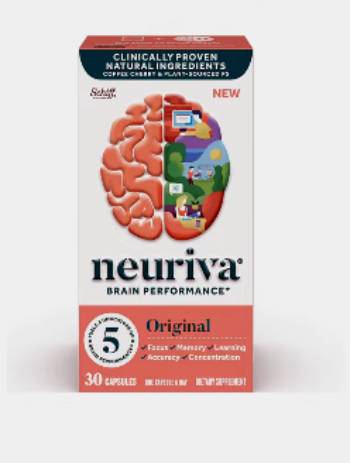
Pros of Neuriva
- Scientific Foundation for Ingredients: The use of Neurofactor (coffee cherry extract) is backed by studies showing it can significantly raise Brain-Derived Neurotrophic Factor (BDNF), a protein that helps grow and protect neurons.
- Phosphatidylserine Inclusion: This is a heavy hitter in the world of nootropics, widely recognized for its ability to support cell-to-cell communication and memory retention as we age.
- No Caffeine Jitters: Despite being derived from the coffee plant, the extract used is decaffeinated, providing the neuro-benefits without the heart palpitations.
- Holistic Formula: Neuriva Plus adds B-vitamins like B6 and B12, which are essential for overall brain energy and the synthesis of neurotransmitters.
- Interactive Support: The brand offers a “Brain Gym” app that allows you to track your cognitive progress through games, giving you a tangible way to see if the supplement is actually doing anything.
- Clean Labeling: It is generally vegetarian-friendly and gluten-free, making it easier for those with dietary sensitivities to incorporate into their routine.
Pros of Prevagen
- Market Dominance and Availability: You can find Prevagen in almost any pharmacy in the country, which makes it incredibly easy to stay consistent with your dosing without waiting for shipments.
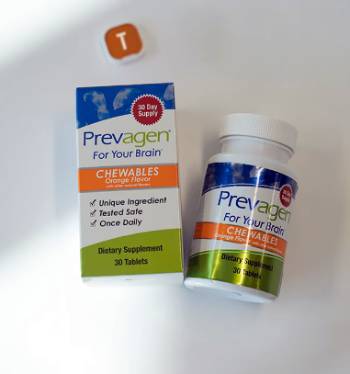
- Vitamin D Boost: Most older adults are deficient in Vitamin D, and Prevagen includes a healthy dose (50 mcg), which supports both brain health and bone density.
- Apoaequorin Specialization: If you believe in the theory that calcium imbalance is the root of memory issues, Prevagen is the only major supplement that uses this specific jellyfish-derived protein to address it.
- Multiple Strength Levels: They offer regular, extra, and professional strengths, allowing you to scale up your dosage if you feel like the basic version isn’t cutting it.
- Ease of Consumption: For those who hate swallowing pills, their chewable tablets are widely praised for having a decent flavor and a texture that isn’t overly chalky.
- Long Brand History: Having been on the market for over a decade, it has a massive base of long-term users who swear by its effectiveness for age-related forgetfulness.
Cons of Neuriva
- Short Clinical Trials: Much of the research cited by the company is based on relatively short studies (42 days), which doesn’t necessarily tell us how the brain reacts after years of use.
- Proprietary Blends: While they list the ingredients, the exact “Neurofactor” blend is proprietary, which can be frustrating for those who want to know the exact milligram count of every active molecule.
- Cost vs. Generic: You could technically buy B-vitamins and Phosphatidylserine separately for cheaper, though you’d miss out on the specific coffee cherry extract.
- Delayed Results: It is not a stimulant; you likely won’t feel anything for the first two to three weeks, which can lead some users to give up too early.
- Gummy Limitations: The gummy version often contains added sugars and lower concentrations of the active ingredients compared to the capsules.
- Potential for Mild Headaches: A small percentage of users report mild tension headaches when they first start taking Neurofactor as their brain adjusts to the increase in BDNF.
Cons of Prevagen

- Controversial Science: The Federal Trade Commission (FTC) and various attorneys general have famously challenged the brand’s claims, arguing that the jellyfish protein is mostly broken down in the stomach before it can ever reach the brain.
- High Price Point: It is consistently one of the most expensive supplements in the “brain health” category, which is a major hurdle for many seniors on a fixed income.
- Lacks Comprehensive Nootropics: Unlike Neuriva, Prevagen doesn’t include common brain boosters like Bacopa Monnieri or Phosphatidylserine, relying almost entirely on apoaequorin.
- Digestive Issues: Some users report nausea or an upset stomach, likely due to the way the protein is processed or the fillers used in the larger “Extra Strength” capsules.
- Mixed User Reviews: For every person who says it changed their life, there is another who says they felt absolutely no difference after six months of use.
- Regulatory Scrutiny: The ongoing legal battles over their advertising mean you have to be extra skeptical about the “clinically shown” labels on the front of the bottle.
Also Read: Comparison Of RediMind Vs. Alpha Brain
Neuriva vs. Prevagen: The analytical breakdown
When you look at these two side-by-side, you are choosing between two very different biological theories.
Neuriva is betting on “neuro-regeneration.”
By targeting BDNF, they are trying to help your brain maintain its plasticity—its ability to form new connections and keep existing ones strong.
This is why Neuriva is often marketed toward younger professionals and middle-aged adults as much as it is toward seniors.
It feels like a modern “biohacking” tool that has been simplified for the mass market.
Prevagen, on the other hand, is firmly rooted in the “senior memory” niche.
Their theory is based on “calcium regulation.”
As we age, our brain cells can become overwhelmed by calcium, which leads to cell death and memory loss.
Apoaequorin is supposed to act as a buffer for that calcium.
However, the analytical sticking point is bioavailability.
Proteins like apoaequorin are large and complex; the scientific community is still divided on whether an oral capsule can actually deliver that protein past the blood-brain barrier.
Neuriva’s ingredients, particularly the B-vitamins and Phosphatidylserine, have much more established pathways for absorption.
Maintenance tips for a sharp mind
Regardless of which supplement you choose, your brain requires a specific “maintenance” schedule to function at its peak:
- Hydration is non-negotiable: A dehydrated brain shrinks in volume and slows down processing speeds. Drink at least 8 glasses of water a day to let your supplements do their work.
- Prioritize REM sleep: Memory consolidation happens while you sleep. If you are taking Neuriva at night as suggested, make sure you are giving yourself an 8-hour window for rest.
- Blood sugar stability: Sharp spikes and crashes in blood sugar lead to brain fog. Pair your supplement with a breakfast high in healthy fats and proteins rather than simple sugars.
- Mental stimulation: Treat your brain like a muscle. If you take these pills but just sit in front of the TV all day, you aren’t giving your neurons anything to “build” with.
- Consistency is king: Brain supplements are not like ibuprofen; you can’t take them only when you feel “foggy.” You must take them every single day at the same time to maintain steady levels.
- Consult your pharmacist: Both products can interact with blood thinners or other medications. Always have your doctor check for potential interactions before starting a new bottle.
Also Read: My Thoughts On Neuriva Brain Supplement
Frequently Asked Questions (FAQs)
Many medical experts recommend a high-quality Omega-3 (DHA/EPA) or a B-complex vitamin over proprietary blends, though Neuriva is often preferred over Prevagen by those seeking more established ingredients like Phosphatidylserine.
The Mayo Clinic generally maintains that there is no “magic pill” for memory and suggests that most healthy people do not benefit significantly from brain supplements, recommending diet and exercise instead.
For many users, Neuriva provides a subtle boost in focus and accuracy, likely due to the BDNF-boosting coffee cherry extract and the B-vitamins, though results vary from person to person.
In terms of sales and name recognition, Prevagen currently holds the top spot in the US market, while Neuriva is the fastest-growing competitor with higher ratings for ingredient transparency.
Final Thoughts
Deciding between Neuriva and Prevagen is ultimately about whether you value modern neuro-science or a long-standing market leader.
If you want a formula that focuses on growing and protecting your neural connections through BDNF, you should buy Neuriva.
If you are a senior who is specifically worried about age-related calcium balance and you prefer a brand with a decade of history, Prevagen might be your choice.
I have found that listening to your body—and your brain—is the only way to find what truly works.
You should buy the supplement that makes you feel more present and capable in your daily life, because your mental clarity is worth every penny.