When you are struggling to remember where you put your keys or finding it hard to stay on task during a long workday, the battle of Neuriva vs Focus Factor becomes more than just a search—it is a quest for mental survival.
I have spent months analyzing these two giants of the nootropic world to see which one actually clears the fog and which one is just clever marketing.
My intent is to provide you with a transparent, analytical look at how these formulas stack up so you can stop guessing and start supporting your brain with confidence.
You should buy the supplement that fits your biological needs and lifestyle goals.
Neuriva Vs. Focus Factor: Comparison Overview
| Feature | Neuriva (Original/Plus) | Focus Factor (Original) |
| Philosophy | Targeted “Hero” Ingredients | Broad Spectrum Multivitamin + Nootropic |
| Key Active Ingredients | Neurofactor (Coffee Cherry) & PS | DMAE, DHA, Bacopa, & 20+ Vitamins |
| Dosage Requirement | 1 Small Capsule Daily | 4 Large Tablets Daily |
| Caffeine Status | Decaffeinated | Decaffeinated |
| Primary Goal | BDNF Support & Cell Health | Comprehensive Cognitive Nutrition |
| Dietary Friendly | Vegetarian & GMO-Free | Contains Fish/Soy/Dairy (Varies) |
| Price Point | Mid-Range (~$35/month) | Budget-Friendly (~$20-$30/month) |
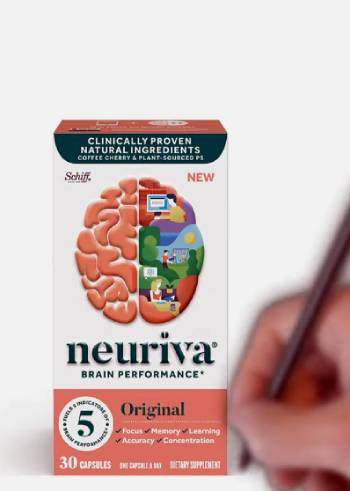
My personal experience with Neuriva and Focus Factor
I remember a specific Tuesday last year when I was staring at a spreadsheet and realized I had read the same row four times without processing a single digit.
That was my “enough is enough” moment.
I started with Focus Factor because, honestly, the bottle looks like something a doctor would hand you, and the price was attractive for a 60-day supply.
However, the first hurdle was the sheer volume of pills.
Taking four tablets a day felt like a chore, and they weren’t small; it felt like I was eating a bowl of pebbles every morning.
After a month on Focus Factor, I did feel more “alert,” but it felt more like a general health boost from the vitamins rather than a sharp mental edge.
Then, I switched to Neuriva Plus.
The immediate relief was only having to take one tiny capsule at bedtime.
I didn’t notice anything for the first week, which made me skeptical.
But by week three, something shifted.
I was in a meeting and realized I was recalling data points from three weeks prior without having to check my notes.
That “word on the tip of my tongue” feeling started to disappear.
It wasn’t a sudden jolt of energy, but more of a quiet, steady competence that allowed me to cruise through my afternoon tasks without hitting that 3 PM wall.
Analytically, I found that Neuriva felt more “specialized.”
Focus Factor is great if you aren’t already taking a multivitamin, as it covers all your nutritional bases.
But for me, I already have a solid diet and a basic multi, so Focus Factor felt like overkill on the vitamins and under-powered on the actual brain-boosters.
Neuriva felt like it was doing exactly what I wanted—targeting my neural connections.
If you are someone who hates pill fatigue and wants a modern, science-focused approach, my journey suggests Neuriva might be your better match.
But if you want a “one-and-done” pill for your entire body’s health, Focus Factor has a compelling argument for your wallet.
Maintenance tips for long-term brain health

To ensure your brain is getting the most out of these supplements, you need to follow a strict maintenance routine for your mind:
- Take with food: Especially for Focus Factor, the fat-soluble vitamins and fish oils need a meal to be absorbed correctly.
- Maintain a 24-hour cycle: Take your supplement at the same time every single day to keep the levels of nutrients in your bloodstream consistent.
- Pair with aerobic exercise: Physical activity naturally boosts BDNF; when combined with Neuriva, you are doubling down on your brain’s growth potential.
- Audit your sleep: No supplement can fix a brain that hasn’t had 8 hours of rest. Sleep is when your brain “cleans” itself of toxins accumulated during the day.
- Cycle your supplements: Every six months, take a one-week break. This prevents your body from becoming too reliant on the external boost and helps you assess your baseline.
- Check for iron content: Some versions of Focus Factor contain iron; make sure you aren’t double-dosing if your other supplements also have it.
Also Read: My Thoughts On Neuriva Brain Supplement
Pros and Cons of Neuriva Vs. Focus Factor
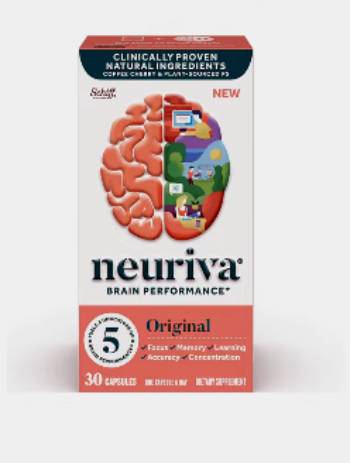
Pros of Neuriva
- Superior Ingredient Science: The use of Neurofactor (whole coffee fruit extract) is backed by studies showing an increase in Brain-Derived Neurotrophic Factor (BDNF), which is essential for neuron survival.
- Minimalist Dosage: You only need one capsule per day, which significantly increases the likelihood that you will actually stick to the routine long-term.
- Safe for Daily Use: Because it is decaffeinated and vegetarian, it doesn’t interfere with your sleep or dietary choices, making it a “cleaner” option for many users.
- Better for Travelers: The small bottle and single-dose requirement make it much easier to pack for business trips compared to a bulky jar of multi-tablets.
- Focus on Plasticity: By targeting BDNF, Neuriva works on the brain’s ability to reorganize itself, which is a more modern approach than just providing raw nutrients.
- Digital Integration: The accompanying Brain Gym app provides a way to actually test your progress, making the supplement experience more interactive and measurable.
Cons of Neuriva
- Higher Monthly Cost: You are paying for the patented Neurofactor extract, which makes the price-per-pill higher than most generic multivitamins.
- Limited Ingredient Scope: It only has two or three main active ingredients; if your brain fog is caused by a vitamin deficiency rather than a lack of BDNF, it might not help you much.
- Delayed Gratification: You really have to commit to at least 30 to 60 days of use before you can accurately judge if the BDNF boost is making a difference.
- Proprietary Blend Secrecy: While they list the ingredients, the specific “Neurofactor” blend is a company secret, so you don’t know the exact chemical breakdown.
- Capsule Count Confusion: Some bottles now contain 28 capsules instead of 30, which means you might run out before the end of a full month.
- Targeted Audience: It is designed specifically for those with self-reported memory issues; it might not provide the “extra” boost younger, healthy students are looking for.
Pros of Focus Factor

- Comprehensive Nutrition: It acts as a complete multivitamin, meaning you can save money by replacing your standard daily vitamin with this one product.
- Proven Traditional Ingredients: It includes Bacopa Monnieri and DMAE, both of which have been used in cognitive health circles for decades with significant anecdotal success.
- Exceptional Value: When you look at the cost per serving and the number of ingredients you get, it is one of the most cost-effective brain supplements on the shelf.
- DHA Inclusion: Unlike many nootropics, Focus Factor includes Omega-3 fatty acids (DHA), which are fundamental building blocks for the brain’s physical structure.
- Immediate “Alert” Feeling: Many users report feeling a general sense of improved well-being within the first week, likely due to the high-potency B-vitamins and minerals.
- Widely Available: You can find Focus Factor in almost every warehouse club and grocery store in the country, often in massive, discounted bulk sizes.
Cons of Focus Factor
- Pill Burden: Taking four large tablets a day is a significant hurdle for many people, especially those who already take other medications.
- Under-dosed Nootropics: Because they cram so many vitamins into each tablet, the actual “smart” ingredients (like Bacopa) are often at much lower doses than what is used in clinical trials.
- Stomach Sensitivity: The high concentration of vitamins and minerals can cause nausea or “vitamin burps” if not taken with a very large meal.
- Not Vegetarian-Friendly: Most versions contain fish oil or gelatin, making it a no-go for vegans or those with specific fish allergies.
- Redundant if you take a Multi: If you already take a multivitamin, you risk “over-supplementing” on certain minerals, which can be taxing on your liver and kidneys.
- Old-School Branding: It hasn’t updated its formula significantly in years, making it feel a bit dated compared to the “biohacking” science of newer brands.
Also Read: Comparison Of Neuriva Vs. Prevagen
Frequently Asked Questions (FAQs)
Prevagen is best for age-related memory loss (calcium regulation), Focus Factor is best for general nutrition + focus, and Neuriva is best for targeted BDNF support and cell health.
Yes, if you already take a multivitamin, a “dedicated” nootropic like Neuriva or Mind Lab Pro is often better because it doesn’t double-up on unnecessary vitamins.
For most people, a combination of Omega-3s, B-vitamins, and a BDNF-booster like Neuriva provides the most balanced approach for long-term clarity.
Yes, the ingredients in Neuriva are clinically tested and shown to support five key areas of brain health, provided you are a healthy adult with self-reported memory slips.
Final Thoughts
At the end of the day, the choice between Neuriva and Focus Factor depends on where you are starting your health journey.
If you want a modern, one-pill-a-day solution that focuses on the cutting edge of neuro-plasticity, you should buy Neuriva.
However, if you aren’t currently taking a vitamin and you want an all-in-one “brain and body” nutritional overhaul, you should buy Focus Factor.
I have found that my brain responds best to the targeted, clean approach of Neuriva, but your mileage may vary based on your diet and daily habits.
You should buy the one that you can commit to taking every single day, because consistency is the true secret to a sharper, more vibrant mind.