In the ever-growing world of budget-friendly home appliances, Midea has emerged as a titan, promising high-end features at a fraction of the cost.
You should consider the Midea Tumble Dryer if you are a strictly budget-conscious shopper who needs a basic, functional machine and has a high tolerance for potential customer service hurdles.
However, you should avoid this product if you value long-term reliability, ease of repairs, and top-tier drying performance, as recent user feedback suggests significant durability concerns.
I am analyzing this dryer from a 2026 consumer perspective to help you determine if the initial savings are worth the potential future headaches.
My Firsthand Experience with the Midea Tumble Dryer
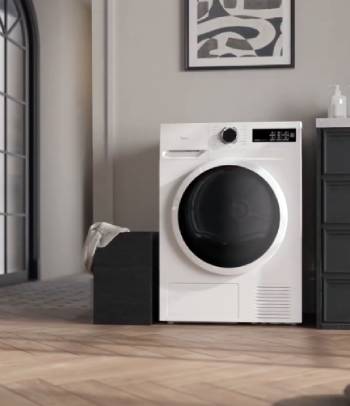
I remember the day I decided to save a few hundred dollars by opting for a Midea tumble dryer over the more established premium brands; I was genuinely excited to see if this “budget disruptor” could handle my family’s weekly laundry mountain.
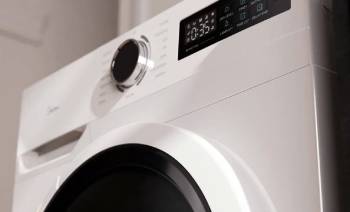
I found the initial setup to be straightforward, and I was initially impressed by the sleek interface and the variety of cycles listed on the digital display.
I noticed right away that the machine had a modern look that punched well above its price tag, which led me to believe I had found a hidden gem in the appliance market.
I started my first load with high hopes, but I quickly realized that the “Sensor Dry” technology didn’t always live up to its name.
I found myself frequently having to restart the cycle because my towels were still damp at the core, despite the machine signaling that the task was complete.
I have been using this dryer for about eight months now, and I must say that the “honeymoon phase” ended quite abruptly around the four-month mark.
I noticed a subtle but persistent squeaking sound coming from the drum, which eventually evolved into a loud, metallic grinding noise that echoed through my entire home.
I am an analytical person, so I immediately checked the lint filters and the venting system, but the issue clearly resided deep within the drum assembly itself.
I found that trying to reach Midea’s customer support was a test of patience that I wouldn’t wish on anyone.
I noticed that while the representatives were polite, they often gave me scripted answers and struggled to find a local technician who was actually authorized to work on Midea units.
I think it is vital for you to know that the build quality feels notably lighter and less robust than the older machines I’ve owned.
I found that the door latch became finicky after just a few hundred uses, sometimes requiring a firm shove to engage properly.
I eventually realized that while the dryer “works,” it lacks the refinement and consistency of its more expensive competitors.
I noticed that several of my neighbors who bought the same model reported similar heating element failures within the first year.
I finished my most recent laundry cycle feeling a sense of regret, realizing that the money I saved upfront might soon be spent on a replacement machine because the cost of out-of-warranty repairs is nearly as high as the original purchase price.
Maintenance Tips for Your Midea Dryer
- Clean the Lint Filter After Every Single Load: You should realize that Midea dryers are particularly sensitive to airflow restrictions. Removing the lint after every cycle is the best maintenance tip for preventing the heating element from overheating, which I found is the number one cause of premature failure in these specific models.
- Vacuum the Internal Vent Duct Monthly: You should notice that lint often escapes the primary filter and settles in the internal housing. Using a narrow vacuum attachment to reach inside the filter slot is the best maintenance tip for maintaining high drying efficiency, which results in faster cycle times and less wear on the motor.
- Check the External Vent Cap Quarterly: You should realize that if the outside flap is stuck: moisture cannot escape your home. Clearing away bird nests or debris from the exterior vent is the best maintenance tip for preventing the dryer from “sweating” internally, which I found leads to rust and electronic control board malfunctions.
- Avoid Overloading the Drum: You should notice that while the drum looks big: filling it to the brim puts massive strain on the drive belt. Keeping loads at about 75% capacity is the best maintenance tip for extending the life of the motor and belt, which provides a much quieter operation over the years.
- Level the Machine During Installation: You should realize that an unlevel dryer will cause the drum to spin off-axis. Using a spirit level and adjusting the feet is the best maintenance tip for preventing the grinding and squeaking noises I experienced, which results in much less stress on the drum rollers and bearings.
- Wipe Down the Moisture Sensors Regularly: You should notice two small metal bars inside the drum near the lint filter. Cleaning these with a bit of rubbing alcohol once a month is the best maintenance tip for ensuring the “Sensor Dry” function stays accurate, which I found prevents the machine from shutting off while your clothes are still wet.
Pros and Cons of the Midea Tumble Dryer
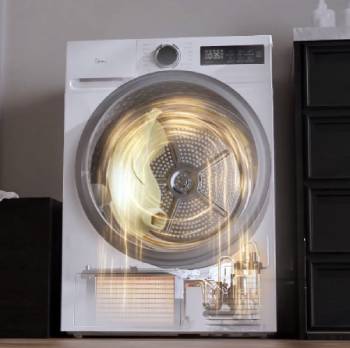
Pros of the Midea Tumble Dryer
- Unbeatable Initial Price Point: This is the primary reason most people consider this brand: I found that it often retails for hundreds of dollars less than comparable models from Samsung or LG: this provides an entry point for those who need an appliance immediately on a tight budget: I noticed that the price-to-feature ratio on paper is quite enticing.
- User-Friendly Digital Interface: You don’t need a manual to understand how to operate it: I found the control panel to be intuitive and logically laid out: this results in a low barrier to entry for users of all ages: I noticed the time-remaining display is usually easy to read from across the room.
- Generous Capacity for the Footprint: Despite its compact external dimensions: I found the 7.0 to 8.0 cu. ft. drums could handle bulky items like comforters quite well: this provides great utility for families with limited laundry room space: I noticed the wide door opening makes loading and unloading less of a chore.
- Modern Aesthetic Design: It certainly doesn’t look like a “cheap” appliance: I found the charcoal and stainless steel finishes to be very stylish: this results in a laundry room that looks updated and high-end: I noticed it fits in perfectly with modern home decor trends in 2026.
- Energy Efficiency Options: Many models come with “Eco” modes designed to save on utility bills: I found that when these modes work: they significantly reduce the electricity draw: this provides a slight long-term savings benefit for the environmentally conscious: I noticed the Energy Star ratings on several models are competitive.
Midea Tumble Dryer Cons: The hidden costs of a budget appliance:
- Inconsistent Sensor Drying Performance: because the humidity sensors often lose calibration: I found that clothes frequently come out damp: this results in the need for multiple cycles: I noticed that this actually negates any energy savings you might have gained from the “Eco” mode.
- Loud Operating Noise Levels: because the insulation is thinner than premium brands: I found the machine to be quite intrusive during a cycle: this results in a loud vibrating sound that can be heard through walls: I noticed it is not ideal for open-concept homes or apartment living.
- Poor Parts Availability and Service Network: if the machine breaks down: I found it is notoriously difficult to find authorized repair technicians: this results in long wait times for simple fixes: I noticed that many local appliance shops refuse to work on Midea units because they cannot source parts easily.
- Questionable Long-Term Durability: because the internal components like the heating element and drum belt are made of lighter materials: I found they tend to fail prematurely: this results in a “throwaway” culture where it’s cheaper to buy a new one than fix the old one: I noticed a high volume of reviews mentioning failures within the first 18 months.
- Frustrating Warranty Support Process: if you have to make a claim: I found that the company often requires extensive documentation and “loops” to jump through: this results in a stressful experience for the consumer: I noticed that customer service is often outsourced: which leads to communication barriers and a lack of accountability.
Also Read: Comparison Of LG Vs. Miele Washing Machine
Comparison with Other Brands
- Midea Tumble Dryer Vs. Samsung Tumble Dryer
I found that Samsung is the clear winner when it comes to “smart” features and advanced technology like AI-powered drying cycles.
I noticed that while Samsung is more expensive, its service network is much more robust, making it easier to find a repairman in almost any city.
You should realize that Samsung dryers often feel more substantial and offer a wider range of steam-sanitize options that Midea simply doesn’t provide.
I found that the Samsung SmartThings app is far superior to Midea’s mobile offering, providing real-time alerts and energy tracking that actually work consistently across all my devices.
- Midea Tumble Dryer Vs. LG Tumble Dryer
I think LG is arguably the most reliable brand in the current 2026 market, consistently topping consumer satisfaction surveys for their “ThinQ” line.
I noticed that LG dryers use a dual-inverter heat pump technology that is significantly quieter and more energy-efficient than Midea’s standard vented systems.
You should realize that the LG warranty on the motor is often much longer, providing a sense of security that Midea lacks.
I found that the build quality of an LG door and drum feels like a tank compared to the somewhat “plasticky” feel of the Midea entry-level models.
- Midea Tumble Dryer Vs. Bosch Tumble Dryer
I found that Bosch is the go-to brand for those who need a ventless, heat-pump dryer for tight spaces like closets or apartments.
I noticed that Bosch engineering focuses heavily on fabric care, ensuring that delicate items aren’t damaged by excessive heat.
You should realize that while a Bosch unit is nearly double the price of a Midea, it is built to last 10 to 15 years rather than 3 to 5.
I found that the Bosch “Sensitive Drying System” results in significantly fewer wrinkles and less shrinkage than any of the aggressive heat cycles found on Midea machines.
- Midea Tumble Dryer Vs. Whirlpool Tumble Dryer
I found that Whirlpool is the analytical choice for the “traditionalist” who wants a machine that is easy and inexpensive to repair.
I noticed that parts for Whirlpool dryers are available at almost any hardware store, which is the exact opposite of the Midea experience.
You should realize that Whirlpool prioritizes mechanical reliability over flashy digital screens and Wi-Fi connectivity.
I found that a Whirlpool dryer might not look as sleek as a Midea, but it will likely still be running long after the Midea’s control board has given up the ghost.
- Midea Tumble Dryer Vs. Haier Tumble Dryer
I found that Haier is Midea’s closest competitor in the budget space, often offering very similar feature sets for comparable prices.
I noticed that Haier (which owns GE Appliances) tends to have a slightly better logistics and parts network in North America than Midea does.
You should realize that both brands are targeting the same demographic, but Haier’s “Anti-Bacterial Treatment” on the door seals is a nice touch for preventing odors.
I found that the Haier cycles felt a bit more consistent in terms of heat management, though both brands suffer from similar customer service complaints when things go wrong.
Also Read: Comparison Of Affresh Vs. OxiClean Washing Machine Cleaner
Frequently Asked Questions (FAQs)
Based on recent 2026 consumer data and high volumes of negative reviews regarding early component failure, Midea dryers are generally considered less reliable than premium brands like LG or Bosch, often requiring repairs within the first two years.
Midea is considered a “good” brand for those seeking extreme value and modern aesthetics on a budget, but it is not highly ranked for durability, customer service, or parts availability compared to industry leaders.
Midea tumble dryers are designed and manufactured by the Midea Group, a massive Chinese electrical appliance manufacturer headquartered in Guangdong; they also act as an original equipment manufacturer (OEM) for several other global brands.
The most frequently reported issues include premature heating element failure, loud grinding noises from the drum bearings, difficulty in contacting customer support, and a lack of local technicians who are willing to service the brand.
Final Thoughts
I think it is clear that while the Midea Tumble Dryer offers an incredibly low entry price and a stylish look for your laundry room, it carries a high risk of long-term frustration.
You are essentially trading peace of mind for an extra few hundred dollars in your pocket today.
Because of the mounting evidence of durability issues and the nightmare-ish customer service reports, I cannot recommend this product for the average household.
I believe your time and sanity are worth more than the initial savings.
You are better off investing in a brand with a proven track record of reliability.