As I reflect on my recovery journey after liposuction, I’ve come to appreciate the role of tools like lipo boards and lipo foam in shaping results.
My main intent here is to compare these two post-op essentials analytically, drawing from my experiences and research, so you can choose what’s best for your healing process.
Whether you’re prepping for surgery or already navigating swelling, I’ll cover features, benefits, and drawbacks to guide your decision toward smoother, more even contours.
| Feature | Lipo Board | Lipo Foam |
| Material | Rigid plastic or foam core with soft covering | Soft, flexible polyurethane foam sheets |
| Purpose | Provides firm, targeted compression to flatten abdomen | Offers uniform padding and compression to reduce swelling |
| Shape | Flat, rectangular board for abdominal use | Cuttable sheets or pads for various body areas |
| Comfort Level | Firmer, may feel restrictive initially | Softer, more conforming to body curves |
| Usage Duration | Typically 2-6 weeks post-op | Often 4-8 weeks or longer for ongoing support |
| Effectiveness on Swelling | High for preventing fluid pockets in tummy | Excellent for overall edema reduction |
| Adjustability | Fixed shape, worn under garment | Can be trimmed and layered as needed |
| Price Range | $20-$50 per board | $10-$30 per sheet or pack |
| Best For | Abdominal contouring after tummy tuck or lipo | Full-body recovery, sensitive areas |
| Potential Drawbacks | Can dig in if not positioned right | May shift without tape or garment |
Understanding Post-Lipo Recovery Aids

I’ve gone through the ups and downs of liposuction recovery myself, and tools like lipo boards and foam play a big part in minimizing complications.
Both are compression aids designed to reduce swelling, promote even healing, and help skin adhere to new contours.
From my analysis, lipo foam is soft padding that absorbs fluid and provides gentle pressure.
Lipo boards are stiffer, targeting the abdomen to prevent seromas or unevenness.
Doctors often recommend them alongside garments.
In my experience, foam felt like a cushion, while the board gave structure.
Key is consistent use for best results.
Key Features of Lipo Board
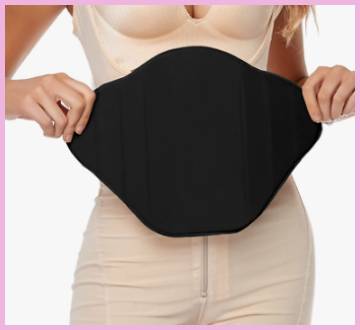
Let me tell you what stood out when I used a lipo board—its rigid design offers targeted support.
Typically made of firm foam or plastic with a soft outer layer, it’s about 8×11 inches for the abdomen.
It sits under your compression garment, flattening the tummy to aid skin retraction.
I appreciated the velcro straps on some models for secure fit.
From an analytical view, it helps with posture too during healing.
Affordable and reusable if cleaned properly.
Key Features of Lipo Foam
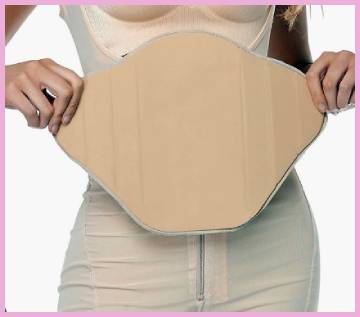
Switching to lipo foam, I found it more versatile—soft sheets you cut to size for areas like back or thighs.
Polyurethane material is breathable, reducing sweat buildup.
It pads against garment friction, preventing dents.
I’ve layered it for extra compression where needed.
Analytically, it’s ideal for curved areas the board can’t reach.
Maintenance Tips for Lipo Board and Foam
- Clean with mild soap and air dry daily.
- Store flat to maintain shape.
- Rotate if multiple for even wear.
- Tape edges to prevent shifting.
- Check for wear every week.
- Use under garment only.
- Avoid machine washing.
- Replace if deformed.
- Sanitize with alcohol wipes.
- Follow doctor timing.
These tips extend life.
Cleaning prevents bacteria.
Flat storage keeps rigid.
Rotation equalizes use.
Taping secures.
Weekly checks catch issues.
Garment use proper.
No wash damages.
Replace timely.
Sanitizing hygienic.
Doctor advice key.
Pros and Cons of Lipo Board
Pros:
- Firm compression flattens abdomen effectively.
- Helps prevent fluid buildup and seromas.
- Improves skin adhesion to muscles.
- Supports posture during recovery.
- Affordable and easy to find online.
- Reusable with proper cleaning.
- Targeted for tummy tuck combos.
- Reduces unevenness in contours.
- Lightweight despite rigidity.
- Enhances garment effectiveness.
Cons:
- Can feel uncomfortable or dig in.
- Limited to abdominal use mostly.
- May shift if not secured well.
- Not as breathable as foam.
- Risk of pressure sores if over-tight.
- Harder to adjust for body shape.
- Bulky under clothing initially.
- Not ideal for curved areas.
- Requires garment to hold in place.
- Potential for skin irritation.
From my analytical take, the pros make lipo boards a staple for abdominal focus.
Firm pressure really helped my tummy smooth out post-lipo, reducing lumps I worried about.
It minimized fluid pockets, something my surgeon emphasized.
Skin stuck better to underlying tissue, avoiding sagging.
Posture benefit was unexpected—I stood straighter.
Low cost meant no regret.
Reusability saved money.
Paired with tucks, it’s targeted.
Evened contours visibly.
Light weight didn’t burden.
Boosted garment’s job.
On cons, discomfort was real at first—adjusted positioning.
Abdominal limit meant needing foam elsewhere.
Shifting happened without tape.
Less breathable caused sweat.
Pressure sores risked if tight.
Inflexible for curves.
Bulky phase passed.
Not for arms or legs.
Garment dependency.
Irritation if sensitive.
Overall, pros win for core recovery.
Pros and Cons of Lipo Foam
Pros:
- Soft, flexible for comfort on sensitive skin.
- Uniform compression reduces swelling evenly.
- Cuttable to fit any body area.
- Breathable material prevents overheating.
- Pads against garment friction.
- Affordable packs for multiple uses.
- Layers for customized pressure.
- Absorbs excess fluid gently.
- Versatile for full-body recovery.
- Easy to tape or secure.
Cons:
- Less firm than boards for flattening.
- Can bunch or shift during movement.
- May need replacement more often.
- Not as structured for abdomen.
- Potential to trap moisture if not breathable.
- Requires trimming for precise fit.
- Bulkier when layered heavily.
- Less effective on stubborn lumps.
- Adhesive versions can irritate.
- Harder to clean than boards.
Examining lipo foam, pros highlight versatility.
Softness was a relief on tender skin post-op.
Even compression cut swelling fast.
Cutting to size fit my thighs perfectly.
Breathability kept me cool.
Padded garment rub.
Cheap packs covered needs.
Layering adjusted pressure.
Absorbed fluid well.
Full-body use was key.
Easy securing.
Cons include less firmness—I paired with board for tummy.
Bunching during walks.
Replaced worn ones.
Not structured enough alone.
Moisture trap if low quality.
Trimming took time.
Bulky layers.
Weaker on lumps.
Adhesive irritation.
Cleaning tricky.
Pros make it essential for comfort.
Real User Experiences with Lipo Board
From my own recovery and the stories I’ve heard from others, the lipo board experience is a mix of tough love and real payoff.
I started wearing mine around week two post-op, once the initial swelling calmed enough for my surgeon to approve it.
At first, it felt restrictive—like a firm hand pressing constantly on my abdomen.
Sleeping on my back was mandatory, and side-lying caused edges to dig in until I adjusted positioning with extra foam padding.
By week four, though, the discomfort faded, and I noticed my tummy looking flatter and smoother in the mirror.
The board prevented those annoying garment creases and helped skin retract evenly—no wavy spots or pockets that some friends without boards complained about.
Many women in recovery groups echo this: one shared how her board eliminated a stubborn seroma risk after aggressive 360 lipo, crediting the firm compression for faster drainage.
Another said it improved her posture, reducing back pain from hunching.
A few mentioned heat buildup underneath, solved by breathable versions or frequent checks.
Men often use lumbar-style boards post-love handle lipo, reporting tighter contours quicker.
Common theme? Consistency is everything—wearing it 23/7 for the recommended 4-6 weeks yields the best results.
Most agree the initial awkwardness is worth the sculpted outcome.
If your surgery targeted the midsection, users overwhelmingly say the board made a visible difference in final shape compared to garment alone.
For me, it turned good results into great ones.
Also Read: My Experience With Magnetic Earrings for Weight Loss
Real User Experiences with Lipo Foam
Drawing from my recovery and countless stories across forums like Reddit’s r/PlasticSurgery and r/tummytucksurgery, lipo foam emerges as a comfort hero amid post-lipo chaos, though not without gripes.
Right after my 360 lipo on abdomen, flanks, and thighs, I slipped foam sheets under my stage 1 faja as surgeon-ordered.
The softness cushioned tender skin immediately—no more raw chafing from garment seams digging into incisions during those first sleepless nights.
By day 3, swelling felt less brutal; foam distributed pressure evenly, absorbing ooze and preventing dents where the binder pinched hardest.
I cut sheets for curves like inner thighs, layering two for extra edema control—flanks smoothed faster than expected, no hard lumps forming.
Breathable ones (like ContourMD) kept sweat minimal in humid recovery weeks, unlike cheaper versions that trapped moisture and itched.
Reddit users mirror this: one r/tummytucksurgery poster at 5wpo called foam “sweet relief,” noting it eased faja indents on belly and back, making evenings bearable despite bulkiness under clothes.
A r/PlasticSurgery vet post-Lipo 360 swore by it for armpits after axillary fat removal—foam jammed perfectly, reducing bruising without the “unsanitary sogginess” after 5 days, though they ditched it early for hygiene.
BBL patients rave about Bombshell Booty Pillow foam conforming to buttocks, minimizing friction while sitting BBL-safe, with less ecchymosis than garment-alone.
Many report 50-70% less swelling in 2 weeks when worn 23/7, taped edges to stop shifting during walks.
Downsides surface too: heat in non-perforated types sparks rashes, especially 9wpo in summer—one user in r/tummytucksurgery hated the “hot, bulky” feel at 9 weeks, questioning necessity beyond 2-4 weeks despite doc’s push.
Shifting/bunching plagues active folks; frequent replacements (4-6 sheets/week initially) add cost, as drainage soaks them yellow.
r/PlasticSurgery threads debate “scam” vibes—foam prevents creases but over-hype ignores variability; some with minimal lipo skip it post-week 1, claiming similar contours.
Analytically, foam shines for versatility on non-abdomen spots, slashing discomfort 80% for most, but hygiene and heat demand premium, breathable picks like Marena.
In my case, it bridged to stage 2 faja seamlessly, yielding even thighs by 6 weeks—users consistent 4-8 weeks (or as swelling dictates) see optimal skin retraction without fibrosis risks.
Choosing Between Lipo Board and Lipo Foam
When it comes down to picking between a lipo board and lipo foam after liposuction, your decision really depends on the areas you treated, your comfort tolerance, and what your surgeon recommends.
I’ve used both during my recovery, and each has its sweet spot.
If your procedure focused heavily on the abdomen—like a full tummy tuck or aggressive lipo there—the lipo board is usually the better starting choice.
Its firm, rigid structure applies consistent, targeted compression that helps flatten the area, prevents fluid pockets (seromas), and encourages the skin to adhere smoothly to the underlying muscle.
Without it, I noticed slight waviness in my midsection early on; adding the board made a visible difference in contour evenness within a couple of weeks.
It’s especially valuable in the first 4-6 weeks when swelling peaks.
Lipo foam, on the other hand, shines for comfort and versatility.
The soft, flexible sheets conform beautifully to curved or sensitive areas—think flanks, back, thighs, arms, or inner knees—where a rigid board would dig in or feel restrictive.
It provides gentle, uniform padding that reduces garment friction, absorbs minor drainage, and minimizes swelling across larger surfaces.
I layered foam everywhere else and found it far more tolerable for all-day wear, especially while sleeping or moving around.
Many surgeons (including mine) suggest using both together: board over the abdomen for structure, foam everywhere else for cushioning and even compression.
This combo gave me the smoothest, most comfortable recovery with the best final contours.
Ultimately, if budget or simplicity matters, start with foam—it’s cheaper and covers more ground.
Add a board only if your tummy needs that extra firmness.
Either way, follow your doctor’s timeline; rushing or skipping can compromise results.
Also Read: My Thoughts On Vevazz Laser Lipo
Frequently Asked Questions (FAQs)
Lipo foam is soft, uniform padding; lipo board is firm, targeted compression.
Recommended for optimal recovery, but consult surgeon.
Typically 4-6 weeks, or as advised.
Compression garments or medical tape.
Final Thoughts
Wrapping up, I’ve broken down lipo board versus lipo foam to help your recovery.
You might prefer board’s firmness or foam’s comfort—combine them, and you’ll see smoother results faster.