When you are standing at the crossroads of a major yoga investment, you should buy the mat that matches your specific anatomical needs because the wrong choice can hinder your physical progress.
I have spent hundreds of hours practicing on both Liforme and Manduka surfaces to help you understand their distinct engineering philosophies.
My intent is to provide an analytical Liforme vs Manduka comparison so you can determine if you need the alignment-focused precision of Liforme or the indestructible longevity of Manduka.
You deserve a foundation that supports your unique journey through every pose and breath.
Liforme Vs. Manduka: Technical Specification Comparison
| Feature | Liforme Yoga Mat | Manduka PRO Series |
| Surface Material | Specially engineered PU (Polyurethane) | Closed-cell PVC (OEKO-TEX certified) |
| Base Material | Sustainably sourced natural rubber | High-density PVC |
| Alignment System | AlignForMe laser-etched markers | No markers (Minimalist design) |
| Grip Type | Warrior-like wet/dry sticky grip | Dry grip (requires salt break-in) |
| Durability | 1–3 years (Eco-biodegradable) | Lifetime Guarantee (10+ years) |
| Cushioning | 4.2mm (Highly responsive) | 6mm (Dense, protective) |
| Weight | ~5.5 lbs (includes bag) | 7.5 lbs to 9.5 lbs |
| Eco-Factor | Biodegradable in 1-5 years | Recyclable/Emissions-free production |
My personal experience with Liforme and Manduka mats
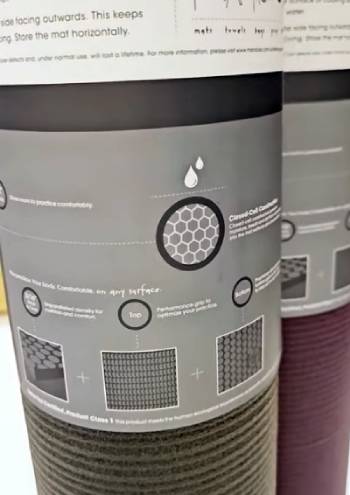
I remember the first time I unrolled a Liforme mat; the laser-etched lines looked like a blueprint for a perfect practice.
I am someone who used to struggle with hand placement in Downward Dog, often feeling like one shoulder was taking more strain than the other.
I started using the Liforme AlignForMe system, and I noticed that having a visual reference point for my heels and palms changed my proprioception almost instantly.
I found that the “GripForMe” technology is not an exaggeration; even when I was practicing in a humid room with no towel, my hands stayed exactly where I placed them.
However, I also noticed that the Liforme mat is a “live” product that changes as you use it.
I found that because it is biodegradable and made of natural rubber, it started to show signs of my practice—slight scuffs where my toes drag—much sooner than I expected.
I am an analytical practitioner, so I realized that I was trading long-term durability for immediate, high-performance grip and environmental friendliness.
Switching to the Manduka PRO felt like moving from a high-tech laboratory to a solid granite floor.
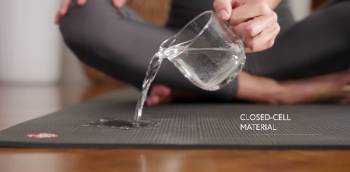
I found that the Manduka doesn’t care about your sweat; it is a closed-cell tank that rejects everything.
I noticed that during my first few months, I was sliding around quite a bit because I hadn’t yet “earned” the grip through the break-in process.
I think it is vital for you to know that the Manduka requires patience; it is a relationship that matures over years.
I found that once I did the sea salt scrub and used it daily for a month, the surface transformed into a reliable, leather-like texture that felt incredibly stable.
I began to appreciate the Manduka’s 6mm thickness for my floor-based Yin sessions, where my spine felt fully supported against the hard hardwood floors.
I noticed that while the Liforme gave me the best Vinyasa experience, the Manduka gave me the best restorative experience.
I found that the weight of the Manduka made it feel like a permanent part of my home studio, while the Liforme, which comes with a fantastic carry bag, felt like the better choice for traveling to weekend workshops.
By the end of my comparative journey, I realized that these mats target two very different types of yogis.
Maintenance and tips for your Liforme and Manduka mats
- The Manduka Salt Scrub Method: You should cover your new Manduka PRO in a layer of coarse sea salt and let it sit for 24 hours. After the time has passed, scrub the salt off with a damp cloth; this is the best maintenance tip for stripping the factory film and accelerating the break-in period so you can stop sliding.
- Liforme Daily Wipe Down: You should use a tiny amount of dish soap diluted in a large amount of water to wipe your Liforme after every practice. Avoid all essential oils, as they will clog the polyurethane pores and permanently destroy the “GripForMe” technology, which is the most analytical way to preserve the mat’s high-performance surface.
- Air Drying Protocols: You should always allow both mats to dry completely before rolling them up. For the Liforme, rolling it while damp can lead to the rubber base deteriorating faster, and for the Manduka, it prevents the trapped moisture from creating a slippery film for your next session; this is the smartest choice for longevity.
- Storage for Liforme: You should always roll your Liforme with the colored/etched side facing out. This prevents the top surface from wrinkling or cracking over time, which is an analytical maintenance tip specifically for polyurethane mats that are designed to be flexible.
- Deep Cleaning the Manduka: You should use a botanical mat wash that is specifically labeled as “closed-cell safe.” Because the mat doesn’t absorb the liquid, you can be quite thorough with the scrub, which is the best way to remove the buildup of skin cells and dust that can accumulate on the textured surface.
- Protecting the Liforme from Sunlight: You should never leave your Liforme in a hot car or in direct sunlight for long periods. The biodegradable nature of the mat means that UV rays will break down the materials much faster than they would a PVC mat, so keeping it in its bag is the analytical choice for preserving the rubber.
Pros and Cons of Liforme yoga mats
Pros of Liforme yoga mats
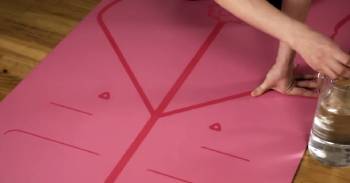
- Revolutionary AlignForMe laser-etched system: The markers act as a navigational map for your body: they help prevent injuries by ensuring your hands and feet are symmetrical: this is an analytical advantage for practitioners who work alone without a teacher to correct their form.
- Unbeatable wet and dry grip technology: The polyurethane top layer is engineered to be the grippiest surface on the market: it works instantly without needing a break-in period: this ensures you stay safe in poses like Warrior II even when your skin is slick with perspiration.
- Biodegradable and planet-friendly materials: The mat is made from naturally sourced rubber and specially designed eco-polyurethane: it will break down in a landfill within one to five years: this makes it the premier choice for the environmentally conscious yogi.
- Extra wide and long dimensions: Liforme mats are significantly larger than your average drugstore mat: they provide more “real estate” for expansive movements: this prevents you from having to constantly readjust your position during a flow.
- Planet-friendly heat-bonding process: Liforme uses no toxic glues to attach the top layer to the base: they use a heat-bonding method that is safer for the workers and the user: this results in a cleaner, more ethical product.
- Includes a high-quality custom carry bag: Every mat comes with its own ventilated bag: this protects the delicate surface from the elements during transport: this adds significant value to the overall purchase price.
- Excellent balance of cushioning and stability: Despite being thinner than the Manduka at 4.2mm: the high-density rubber base provides a “grounded” feel: it prevents you from wobbling in balancing poses like Tree or Eagle.
Cons of Liforme yoga mats: An analytical look at the limitations:
- Limited lifespan due to eco-friendly materials: because it is designed to biodegrade: the mat will naturally start to wear down after 18 to 36 months of heavy use: this means it is a recurring expense rather than a lifetime purchase: this is an analytical trade-off for its high-performance grip.
- High absorption of body oils can cause staining: the polyurethane surface is “thirsty”: it can soak up oils from your skin: this can lead to permanent dark spots where your forehead or hands rest: this might be an aesthetic drawback for those who want a pristine-looking mat.
- Distinct natural rubber smell when new: like all rubber-based products: it has a noticeable scent out of the box: it takes several days of airing out to become neutral: this can be distracting for those with a sensitive sense of smell during prone poses.
- Surface can feel too “sticky” for some transitions: if you like to slide your feet through during Vinyasa: the high-friction surface might actually catch your skin: this can lead to minor friction burns if your technique isn’t precise: this is a common point for those used to smoother mats.
- Delicate top layer requires specific cleaning: you cannot use essential oils or heavy cleaners on a Liforme: it will clog the pores and ruin the grip: this requires you to be very careful with maintenance: this is a recurring point of failure for many owners.
- Premium price point for a temporary product: spending nearly $150 on a mat that will eventually biodegrade is a big ask: you are paying for the technology and the environment: this is a consideration for those who are on a strict budget.
- Heavier than standard travel mats: while it comes with a bag: it is still over 5 lbs: this can be tiring for those who have a long walking commute to their studio: this is an analytical point for the urban yogi.
Pros and Cons of Manduka PRO mats
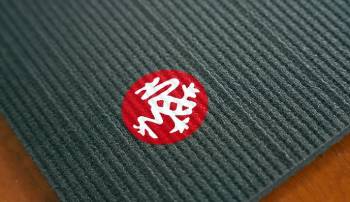
Pros of Manduka PRO mats
- Legendary Lifetime Guarantee for peace of mind: Manduka promises that the PRO series will never peel, flake, or fade: if it does, they will replace it: this makes it the most analytically sound financial investment for a long-term practitioner.
- Closed-cell surface for maximum hygiene: The material does not absorb sweat, oils, or bacteria: it is incredibly easy to sanitize with a quick wipe: this ensures that your mat never develops that “old gym” smell even after years of use.
- Industrial-grade 6mm cushioning for joints: The dense foam is designed to protect knees, hips, and wrists from hard surfaces: it does not “bottom out” over time: this provides a consistent level of support for your entire skeletal system.
- Emissions-free German manufacturing: The mats are produced in a way that protects the air and water quality of the surrounding area: they are OEKO-TEX certified to be free of harmful chemicals: this makes them safe for you and the planet.
- Surface texture that improves with age: The more you practice, the more the “film” wears off and the grip increases: many users find their 10-year-old Manduka is grippier than it was on day one: this creates a personalized bond between the yogi and their mat.
- Heavy weight for zero-slide stability: At nearly 8 lbs, the mat stays exactly where you put it: it doesn’t bunch up during sun salutations or jump-throughs: this provides a professional, stable foundation for high-energy practices.
- Resistant to scuffing and physical damage: The PVC material is incredibly tough: you can use it with sneakers or on rough outdoor surfaces without worrying about tearing the top layer: this makes it a versatile tool for general fitness.
Cons of Manduka PRO mats: An analytical look at the limitations:
- Frustrating and lengthy break-in period: the mat is notoriously slippery when brand new: it can take months of daily use or a messy salt scrub to make it usable: this is a major deterrent for beginners who want instant results: this is the most common reason for returns.
- Non-absorbent surface requires a towel for hot yoga: because it is closed-cell: sweat will pool on top like a puddle: without a microfiber towel: you will slide uncontrollably in a heated class: this adds an extra layer of gear to your gym bag.
- Substantial weight makes it a burden to carry: at up to 9.5 lbs for the long version: it is like carrying a small dumbbell to class: this is not a portable mat: this is an analytical point for those who travel frequently for yoga.
- Does not include a carry bag or strap: despite the high price: you have to buy your own transportation solution: this increases the total cost of ownership: this is a minor but notable annoyance for many buyers.
- PVC material is not biodegradable: while it is safe and durable: it is still a form of plastic: if you don’t recycle it properly: it will sit in a landfill forever: this is a drawback for the zero-waste community.
- Minimalist design lacks alignment guides: if you are someone who depends on visual markers: the blank surface of the Manduka might feel unhelpful: you have to rely entirely on your internal sense of alignment: this can be difficult for newer students.
- High initial “sticker shock” price: it is a significant investment up front: even if it lasts forever: the initial layout of $130 or more can be difficult to justify: this is a point for those just starting their yoga journey.
Also Read: Comparison Of Manduka PRO Vs. PROlite
Comparison Between Liforme Vs. Manduka
- Liforme Vs. Manduka: Which offers better alignment?
When you are working on your form, the Liforme AlignForMe system is the gold standard.
I have found that the laser-etched lines are not just decorative; they are mathematically placed to help you find your center.
Analytically, Liforme provides a teacher on the floor, whereas Manduka provides a blank canvas.
If you are someone who struggles with “splayed” feet or uneven hand placement, Liforme will give you the feedback you need to protect your joints.
Choose Liforme if you want to master your geometry; choose Manduka if you already have a strong internal “compass.”
- Liforme Vs. Manduka: The Sustainability Debate
If you are a yogi who wants their gear to reflect their ahimsa (non-harming) values, the choice is complex.
I have noticed that Liforme is the leader in the biodegradable category, ensuring that your mat returns to the earth.
Analytically, Manduka argues that a mat that lasts 50 years is more sustainable than three mats that biodegrade in 5 years.
It is a debate between “biodegradability” and “longevity.”
Choose Liforme if you want a plastic-free end-of-life for your mat; choose Manduka if you want to reduce consumption by never buying a mat again.
Also Read: Comparison Of Manduka Vs. Lululemon Mat
Frequently Asked Questions (FAQs)
Liforme is widely considered the best for grip and alignment, but “best” depends on whether you value grip over long-term durability.
The Heathyoga ProGrip or the Pido Yoga Mat are popular budget-friendly alternatives that offer similar alignment lines and PU surfaces.
The Manduka PRO and Liforme Yoga Mat consistently hold the highest ratings in fitness publications for professional-grade performance.
It became famous for its incredible “sticky” grip that works without a towel and its patented alignment system that helps yogis improve their form.
Final Thoughts
When you are ready to commit to a professional-grade surface that will transform your practice, you should buy the mat that solves your biggest frustration because the right tool makes every vinyasa feel effortless.
I have found that the Liforme is the ultimate choice for the technical practitioner who demands perfection in grip and alignment.
You should choose the Manduka PRO if you are looking for a lifelong partner that offers unmatched joint protection and easy hygiene maintenance.
I believe that both of these mats represent the pinnacle of yoga engineering, and your choice should be an analytical one based on your personal values of durability versus environmental impact.
You deserve a mat that makes you excited to step onto it every morning, and whether you choose the precision of Liforme or the strength of Manduka, your body will appreciate the upgrade.