You should choose between Lansinoh and Evenflo bottles by considering whether your priority is supporting a breastfed baby or managing flow and colic with a high-precision nipple.
I have spent months observing how different babies respond to these two brands, and I realized that each caters to a distinct set of needs.
In this article, I will analyze the structural differences and real-world performance of both to help you make the best choice for your little one.
You should read on to see which brand aligns with your specific feeding goals.
Comparison Lansinoh Vs. Evenflo Bottles Overview
| Feature | Lansinoh | Evenflo |
| Best For | Breastfeeding Transition | Anti-Colic / Flow Precision |
| Nipple Shape | NaturalWave (Wide, Flexible) | Proflow (Angled, Vented) |
| Material | Borosilicate Glass / PPSU | Tempered Glass / Plastic |
| Airflow | AVS (Air Ventilation System) | Patented Proflow Venting |
| Compatibility | Standard Neck | Standard / Wide Options |
| Ease of Cleaning | High (Few parts) | High (Simple design) |
My Experience with Bottle Feeding
I remember the first time I held a bottle in my hand, feeling the immense pressure to get it right.
I am a person who believes that feeding should be a calm, bonding experience, not a source of stress.
I noticed immediately that the Lansinoh bottles felt incredibly soft and natural, almost like they were designed to disappear during the feed.
I found that my baby, who was used to the breast, didn’t seem to mind the switch at all because the silicone was so pliable.
I eventually tried the Evenflo bottles and was struck by the ingenuity of the angled neck.
I realized that for my little one who was prone to gas, the way the milk sat at the nipple was a total game-changer.
I am someone who appreciates analytical design, and the way Evenflo directs air bubbles away from the baby’s mouth is brilliant.
I found that I didn’t have to keep stopping for burping breaks as often as I did with other brands.
I eventually concluded that both bottles are top-tier, but for different reasons.
I noticed that when I was struggling with nipple confusion, the Lansinoh was my go-to.
But when I was dealing with a fussy, gassy evening, the Evenflo was the clear winner.
I am consistently impressed by how durable the materials are; I have dropped both on my kitchen floor more times than I care to admit.
I realized that you don’t have to pick one and stick with it forever; many parents benefit from having a mix of both in their rotation.
I found that the choice really comes down to observing your baby’s specific latch and how they handle the flow of milk during those crucial first months.
Maintenance Tips for Your Bottles
Always disassemble the bottle completely before placing it in the dishwasher to ensure that no milk residue is trapped in the threads: I found that even small drops of milk can sour if left for a day.
Using a dedicated bottle brush for the nipple is a vital maintenance tip because it is the most common place for bacteria to accumulate: you should notice that a gentle scrub prevents long-term buildup.
Checking the venting valves before every single feed is a crucial maintenance tip: I found that if the vent gets pinched or clogged, it completely stops the anti-colic function from working.
Boiling your silicone nipples in water for five minutes once a week is a helpful maintenance tip for deeper sterilization: I noticed that this helps keep the silicone clear and free of odors.
Storing your bottles upside down on a clean drying rack allows for the best airflow: you should realize that trapped water is the enemy of clean feeding gear.
Replacing your silicone nipples every three to four months is a mandatory maintenance tip for safety: even if they look fine, the integrity of the material changes with repeated heating and cooling.
Keeping a separate bin for “clean” parts makes your workflow much faster: I found that organized storage prevents the accidental use of a dirty nipple.
Inspecting the glass for chips or cracks every time you wash it is a fundamental maintenance tip: you should never use a damaged bottle even if it looks like a small scratch.
Using a mild, unscented soap for all your washing is a smart maintenance tip to ensure that no strong chemical smells are transferred to the milk: I noticed that babies are very sensitive to scents.
Ensuring the rings are screwed on evenly is a final maintenance tip to prevent leaking: you should realize that cross-threading the cap is the number one cause of “accidental” wet shirts.
Pros and Cons of Lansinoh Bottles
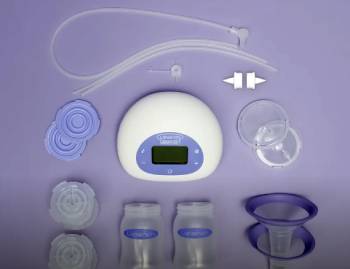
Pros of Lansinoh Bottles
- NaturalWave nipple: The nipple is specifically designed to enable the same wave-like tongue movement babies use at the breast: this helps prevent nipple confusion during the transition between feeding methods: I noticed my baby latched on without any hesitation compared to other shapes.
- Minimal parts: The bottle consists of only a few pieces which makes assembly and cleaning extremely fast: I found this saved me significant time during those late-night feedings when I was exhausted: this reduces the chances of losing small components in the dishwasher.
- Air ventilation system: It features an integrated valve that allows air to vent out of the bottle rather than into the baby’s stomach: I found this resulted in much less spit-up after the feed: this supports a comfortable digestion process throughout the day.
- Durable materials: The glass versions are made of borosilicate glass which is resistant to thermal shock: I found that I could go from the fridge to the bottle warmer without any concern: this longevity makes the initial investment much more reasonable over time.
- Breastfeeding focus: The entire design philosophy centers around mimicking the natural latch, which is ideal for parents who want to combine bottle and breast feeding: I found the flow rates were very well-calibrated to not overwhelm the baby: this provides a seamless experience.
Cons of Lansinoh Bottles
- Nipple durability: Because the silicone is so soft and flexible, it may show wear faster than stiffer nipples: I found that after several months of heavy use, the silicone felt slightly thinner: this means you will need to monitor the integrity of the tip for safety.
- Standard neck limitations: They are largely standard neck bottles, which can be slightly harder to fill with formula powder without a funnel compared to wide-neck bottles: I noticed that I had to be careful not to spill powder on the rim: this can be a slight frustration if you are in a rush.
- Limited color variety: The design is quite functional and minimalist, often lacking the “cute” aesthetic of other trendy brands: I found the clear/white look to be very basic: this might disappoint parents who want fun patterns or seasonal designs on their baby gear.
- Availability: While found in many major retailers, finding specific nipple flow rates in stock can sometimes be a challenge: I noticed that some local shops only carry the slow-flow versions: this might force you to rely on online shipping if your baby needs an upgrade.
- Measurement clarity: The markings on the bottle can sometimes be hard to read in low light, especially when the bottle is empty: I found myself having to hold the bottle up to a bright light to measure correctly: this is not ideal during the middle of the night.
Pros and Cons of Evenflo Bottles
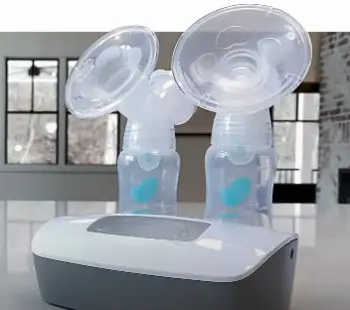
Pros of Evenflo Bottles
- Angled neck design: The unique angle of the bottle ensures that the nipple remains full of milk even when the bottle is held horizontally: this prevents the baby from swallowing excess air which is a common cause of colic: I noticed a distinct improvement in my baby’s comfort level immediately.
- Precision venting: The Proflow venting system is built right into the nipple, meaning there are no extra tubes or straws to clean: I found this to be the perfect balance between anti-colic technology and ease of cleaning: this makes the bottle highly efficient for daily use.
- Multiple material choices: They offer a variety of options including high-quality plastic and tempered glass to suit different parental preferences: I appreciated having the choice to switch to glass as my baby grew: this versatility is a major strength of the brand.
- Flow rate consistency: The flow rates are incredibly consistent, which is great for babies who get frustrated by fluctuating milk speeds: I found the transition to the next flow stage was very smooth: this consistency helps maintain a regular feeding rhythm.
- Value for money: These bottles are generally very affordable compared to other specialty anti-colic systems: I found I could stock up on a full set for a very reasonable price: this is a huge plus for families working with a tighter budget.
Cons of Evenflo Bottles
- Angled shape maintenance: The angled neck can be slightly tricky to clean with a standard straight bottle brush: I had to purchase a specific brush shape to ensure I reached the corners: this adds a small logistical step to your cleaning routine.
- Nipple feel: Some breastfed babies may find the shape of the Evenflo nipple to be slightly less “breast-like” than the Lansinoh version: I noticed my baby took a moment to adjust to the wider base: this might be a factor for very picky breastfed babies.
- Base stability: Because of the angled design, the bottles don’t always stand as firmly on a flat surface if they are bumped: I found myself being more careful about where I set them down: this is a minor design quirk that you eventually get used to.
- Visual complexity: The design of the venting system inside the nipple is quite detailed, which can make it hard to see if there is any residue stuck in the crevices: I had to look very closely during washing: this requires a bit of extra attention to ensure they remain sterile.
- Accessory compatibility: Because of the specific venting system, you really have to use the official nipples, as off-brand versions won’t provide the same anti-colic results: I realized I was “locked in” to their specific nipple supply: this limits your options for generic replacements.
Also Read: My Thoughts On Spectra S2 Plus Breast Pump
Evenflo Vs. Other Brands
- Lansinoh Vs. Philips Avent
I found that the Philips Avent bottles are a very popular choice but they have many more parts to clean than the Lansinoh.
I noticed that Avent bottles are known for being wider, which some babies find easier to grip, but the Lansinoh feels much softer to the touch.
I believe that if you want the simplest assembly, Lansinoh is the winner, but if you want more size options, Avent might be appealing.
I realized that the Avent bottles have a slightly more “clinical” feel while Lansinoh aims for a “natural” breast-like experience.
- Evenflo Vs. Dr. Brown’s
I found that Dr. Brown’s is the undisputed king of anti-colic, but it uses an internal straw system that is a nightmare to clean compared to Evenflo.
I noticed that Evenflo achieves the same anti-colic result with a simple venting design in the nipple.
I believe that Evenflo provides the perfect compromise between performance and ease of use.
I realized that if you hate cleaning small internal straws, the Evenflo bottle is essentially the superior alternative.
- Lansinoh Vs. Tommee Tippee
I found that Tommee Tippee bottles have a very wide, breast-like nipple that is great for some babies, but the base of the bottle is quite large.
I noticed that Lansinoh fits much more easily into standard cup holders and bottle warmers.
I believe that Lansinoh offers a more ergonomic design for the parent’s hand.
I realized that while both brands cater to breastfeeding parents, the Lansinoh bottle feels more compact and easier to manage during a long night.
Also Read: My Thoughts On Freemie Independence Breast Pump
Frequently Asked Questions (FAQs)
Neither is strictly “better” as it depends on your baby’s needs; Lansinoh is usually preferred for breastfeeding transitions, while Evenflo is favored for its anti-colic angled design.
There is no single “number one” bottle recommended by all pediatricians, as advice usually varies based on your baby’s specific feeding challenges like reflux or latching issues.
Yes, they are highly recommended by lactation consultants specifically for parents who are nursing and want to minimize the risk of nipple confusion.
Generally, no, these brands are designed with proprietary venting systems and threading that are not compatible with each other; it is always safer to use the brand-specific nipple for your bottle.
Final Thoughts
You should buy the Lansinoh bottles if your primary goal is maintaining a healthy breastfeeding relationship, but you should choose Evenflo if you are tackling stubborn gas and want a high-performance anti-colic solution.
I have found that having a few of each in my cabinet allowed me to adapt to whatever mood my baby was in that day.