Finding a kitchen staple that doubles as a genuine health tonic is a rare win for any home cook who values both flavor and longevity.
I have spent years analyzing the vast world of fats to find a product that doesn’t just sit in the pan but actually transforms the nutritional profile of my meals.
In this article, I am providing an analytical Kosterina olive oil review to show you why you should buy this Greek liquid gold if you care about high polyphenol counts and robust taste.
You deserve a pantry essential that supports your wellness goals while providing a culinary experience that is truly second to none every single day.
My Personal Experience with Kosterina Extra Virgin Olive Oil

When I first unboxed my bottle of Kosterina, the first thing I noticed was the weight and the deliberate design of the packaging.
It comes in an opaque white bottle which is a massive green flag for me because it shows the brand understands that light is the ultimate enemy of olive oil quality.
I decided to try it first in its rawest form by pouring a small amount into a shallow bowl for bread dipping, as I believe the heat of a pan can sometimes mask the true character of a single-origin oil.
The aroma hit me immediately; it smelled like fresh-cut grass and green tomatoes, a stark contrast to the flat or dusty scent of many supermarket brands I have tried in the past.
As I took my first bite, the flavor was incredibly smooth and buttery at first, but then it developed into that characteristic peppery tickle at the back of my throat.
That “tickle” is exactly what you want to feel because it is the physical evidence of high polyphenol content, specifically oleocanthal, which is known for its anti-inflammatory properties.
I found the plastic cork seal to be surprisingly efficient; it pops open easily and closes with a satisfying click that gives me confidence no air is leaking in to cause spoilage or oxidation.
I have since used it for everything from roasting vegetables at 350 degrees to baking olive oil cakes, and the results are consistently impressive.
In salads, the oil doesn’t just coat the leaves; it acts as a flavor enhancer that makes the vegetables taste brighter and more vibrant.
I even tried drizzling a bit over vanilla bean ice cream with a pinch of sea salt, and the robust Greek flavor profile turned a simple dessert into something you would find at a five-star Mediterranean bistro.
One of the most reassuring parts of the experience is knowing that these olives are hand-harvested and cold-pressed early in the season to maximize nutrient density.
I’ve gone through several bottles now, and every time I look through my pantry, I feel a sense of relief that I’m using a product that is non-GMO and truly pure.
The consistency of the flavor from bottle to bottle has been remarkable, which tells me their quality control in Southern Greece is top-notch.
It has reached a point where I find it difficult to use any other brand because my palate has become accustomed to this level of freshness and “kick.”
If you are looking for a way to upgrade your health without feeling like you are taking a supplement, this oil is the most delicious way to do it.
Maintenance Tips and Storage for Maximum Potency

To ensure your high-polyphenol oil stays as healthy as the day it was pressed, you have to treat it with a bit more care than a standard vegetable oil.
I have found that the most important maintenance tip is to keep your Kosterina bottle in a cool, dark cupboard that is nowhere near your stove or oven.
The heat from cooking can penetrate the cabinet and cause the delicate monounsaturated fats to break down, which will quickly ruin that expensive peppery finish.
You should also avoid the “vanity display” on your countertop, even though the bottle is beautiful; even indirect light can slowly degrade the antioxidants over time.
I suggest making sure the plastic cork seal is pushed down firmly after every single use to prevent oxygen from entering the bottle and starting the oxidation process.
Oxygen is just as much of an enemy as light, and a loose seal can turn a premium oil into a rancid one in just a matter of weeks.
If you buy the larger tin for better value, consider decanting a small amount into a smaller glass bottle for daily use so you aren’t opening the main container constantly.
Always wipe the neck of the bottle after pouring to prevent oil from sitting on the rim, where it can become gummy and attract dust.
Try to use your bottle within three to six months of opening to ensure you are getting the maximum “kick” and health benefits from those polyphenols.
I also recommend doing a “scent check” every few weeks; the oil should always smell fresh and green, never like crayons, old nuts, or wax.
If you notice the color of the oil has changed significantly or the peppery finish has disappeared, it is a sign that the oil has reached the end of its peak life.
By following these storage rules, you guarantee that every drizzle over your morning eggs or evening salad is providing the full spectrum of anti-inflammatory benefits.
Proper maintenance is the difference between eating a superfood and eating a degraded fat that has lost its clinical value.
Treat your olive oil like a fresh produce item rather than a shelf-stable chemical, and your body will certainly thank you for it.
Pros and Cons: A Detailed Perspective

Every premium product has a balance of benefits and trade-offs that you need to consider before making it a permanent part of your grocery list.
I have analyzed Kosterina based on its chemical profile, its culinary performance, and the practicalities of its packaging to give you a full view.
Pros
- Extremely High Polyphenol Count: This oil is a powerhouse of antioxidants that help fight oxidative stress and inflammation in the body.
- Exceptional Flavor Profile: The robust, peppery finish is the gold standard for high-quality Greek oil and adds a sophisticated layer to any dish.
- Early-Harvest Quality: By harvesting the olives early, the brand ensures the highest possible concentration of nutrients and a bolder taste.
- Light-Proof Packaging: The opaque white glass bottle and tin options are designed to protect the delicate fats from light-induced rancidity.
- Single-Origin Transparency: Sourcing exclusively from Koroneiki olives in Southern Greece ensures a pure and consistent product every time.
- High Smoke Point for EVOO: While best used raw, its high quality allows it to be used safely for medium-heat cooking and baking up to 350 degrees.
- Clean and Ethical: It is 100% pure, non-GMO, vegan, and gluten-free, fitting perfectly into almost any dietary lifestyle.
Cons
- Premium Pricing: This is an investment oil, and the cost per ounce is significantly higher than standard grocery store brands.
- Intense Flavor: The peppery “burn” might be too strong for those who are used to very mild, buttery, or neutral oils.
- Limited Physical Availability: You won’t always find this on the shelf at your local corner store; it often requires online ordering or trips to specialty shops.
- Seal Durability: While the plastic cork is easy to use, some users may prefer a traditional screw cap for long-term transport or travel.
- Sediment Presence: Because it is a natural, minimally processed product, you might occasionally find a small amount of sediment at the bottom of the bottle.
- Opaque Bottle Visibility: While the white bottle protects the oil, it also makes it impossible to see how much product you have left without opening it.
Kosterina Olive Oil Vs. Other Brands
- Kosterina Olive Oil Vs. Graza Drizzle
When I compare Kosterina to Graza Drizzle, the most immediate difference is the origin and the intended use-case of the product.
Graza has gained a lot of fame for its convenient squeeze bottle, which is great for precision, but Kosterina offers a much higher level of polyphenol density thanks to the early-harvest Koroneiki olives.
I noticed that while Graza is a fantastic everyday oil for those who prioritize convenience, Kosterina feels much more like a premium health product.
The peppery finish in Kosterina is significantly more pronounced than in Graza, which tends to be a bit milder and more accessible for those who don’t like a throat-burn.
However, if you are looking for the maximum antioxidant benefit per tablespoon, the Greek heritage of Kosterina provides a more analytical advantage for your long-term wellness.
- Kosterina Olive Oil Vs. Brightland Alive
Brightland is often the go-to for those who love beautiful kitchen aesthetics, but when we look at the internal metrics, Kosterina holds its own remarkably well.
Brightland’s Alive is a California-sourced oil that has a very fruity and smooth profile, which I find lovely for lighter dressings.
Kosterina, however, leans into the “robust” category much harder, providing a more intense sensory experience that stands up better to strong flavors like garlic and red meat.
I found that the opaque white bottle of Kosterina provides slightly better light protection than some of the more colorful, translucent-painted bottles on the market.
While Brightland is a master of branding, Kosterina feels like a master of traditional Greek harvesting techniques that prioritize the “superfood” aspect of the oil above all else.
- Kosterina Olive Oil Vs. California Olive Ranch
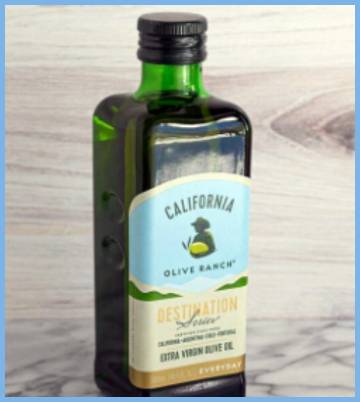
California Olive Ranch is the staple of many American kitchens, and for good reason—it is reliable, affordable, and widely available in almost every grocery store.
When you move from California Olive Ranch to Kosterina, the first thing you will notice is the “freshness gap.”
Because Kosterina is cold-pressed at the very beginning of the harvest season, the nutrient profile is far more concentrated than the mass-market blends found in the yellow-labeled bottles.
I noticed that California Olive Ranch has a much thinner viscosity and a more neutral aftertaste, which makes it good for high-volume cooking but less effective as a finishing oil.
Kosterina is the oil you reach for when you want the fat to be a primary ingredient in the flavor profile, rather than just a medium for heat.
- Kosterina Olive Oil Vs. Gaea Fresh
Gaea Fresh is another Greek powerhouse that uses nitrogen-flushed bottles to preserve freshness, which is a technique I highly respect.
In my testing, I found that Gaea Fresh has a very clean and authentic taste, but Kosterina’s focus on the “Ultra High Polyphenol” marketing seems backed by a more intense peppery finish.
Gaea feels like a very high-quality traditional cooking oil, whereas Kosterina positions itself more as a “wellness” oil that you might even take by the spoonful.
Both brands do an excellent job of protecting their product from light and oxygen, but Kosterina’s packaging feels a bit more modern and fits better in a contemporary kitchen.
If you are a fan of Koroneiki olives, you will likely enjoy both, but Kosterina offers a bolder “kick” that I personally find more addictive.
- Kosterina Olive Oil Vs. Kirkland Signature Organic EVOO

Kirkland’s Organic Extra Virgin Olive Oil is a legend in the value world, and for a bulk product, the quality is surprisingly high for the price you pay.
However, comparing Kirkland to Kosterina is like comparing a reliable sedan to a high-performance sports car.
Kirkland is often a blend of oils from various regions, which can lead to a less consistent flavor profile compared to Kosterina’s single-origin Greek approach.
I noticed that the polyphenol content in a bulk oil like Kirkland is significantly lower because they aren’t necessarily harvesting the olives at the peak of their antioxidant power.
Kosterina is the better choice for those who view olive oil as a functional health food rather than just a bulk commodity for deep-frying or sautéing.
Frequently Asked Questions (FAQs)
Kosterina is 100% real, authentic extra virgin olive oil that is cold-pressed from single-origin Koroneiki olives in Greece.
High-quality olive oil is generally defined by an “Extra Virgin” grade, early-harvest dates, single-origin sourcing, and high polyphenol counts.
Kosterina olive oil is sourced from the Peloponnese region in Southern Greece, specifically from hand-harvested Koroneiki olive groves.
Kosterina is primarily sold through their official website, Amazon, and select premium retailers like Whole Foods rather than standard Walmart locations.
Final Thoughts
Deciding to prioritize high-quality fats in your diet is one of the most impactful changes you can make for your cardiovascular and inflammatory health.
I believe that the combination of ancient Greek tradition and modern nutritional science makes this oil a standout in a very crowded and often confusing market.
If you want an oil that provides a physical “kick” of antioxidants and a flavor profile that makes healthy eating effortless, you should buy Kosterina olive oil.
You deserve to nourish your body with the best the earth has to offer, and this Greek liquid gold is the perfect place to start.