Finding a clean, effective way to fuel your body shouldn’t feel like a compromise between health and flavor.
I have spent quite a bit of time testing various plant-based supplements to see which ones actually deliver on their promises of easy digestion and great taste.
In this article, I am providing an analytical Kos protein powder review to show you why you should buy this organic, superfood-infused blend if you want to support your muscles without the bloating associated with dairy.
You deserve a protein source that aligns with your lifestyle and makes your post-workout routine something you genuinely look forward to every day.
My Personal Experience with Kos Plant-Based Protein
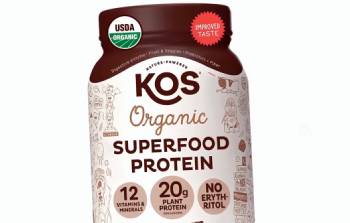
When I first decided to try Kos protein powder, specifically the organic vanilla flavor, I was looking for something that could replace my heavy morning breakfast without leaving me feeling sluggish.
The first thing I noticed upon opening the bag was the scent; it didn’t have that medicinal or overly chemical smell that some vegan proteins carry.
Instead, it smelled like a mix of real vanilla bean and a hint of coconut, which gave me immediate hope for the flavor profile.
I decided to test it in a few different ways, starting with the simplest: two scoops in a shaker bottle with cold almond milk.
I learned very quickly that while the brand mentions it can be hand-mixed, you really get the best results if you use a small blender or a smoothie maker.
When I tried to just shake it by hand, I ended up with a few chalky clumps that weren’t exactly pleasant to swallow, but once I switched to the blender, the texture became impressively creamy.
I noticed that the addition of organic coconut milk in the ingredients list really helps mimic the “mouthfeel” of a traditional dairy shake, which is often missing in plant-based options.
One of my favorite ways to use it is as a base for a “Frappuccino” style drink; I mix a scoop of the vanilla powder with a shot of cold brew coffee and some ice.
It creates a frothy, delicious morning boost that keeps me full until well past lunchtime, thanks to the soluble fiber content.
I also experimented with adding things like peanut butter and even a dash of cinnamon or Chinese five-spice to see how versatile the flavor was.
While the vanilla is strong, it acts as a great canvas, though I did find that if I tried to blend it with too much tart fruit, the subtle “veggie” undertone of the mushroom and vegetable blend became a bit more apparent.
As someone who is quite sensitive to artificial sweeteners, I was happy to find that the blend of stevia and monk fruit didn’t leave that bitter, lingering aftertaste that usually turns me off from “sugar-free” products.
Most importantly, I didn’t experience any of the typical “protein bloat” or digestive distress that often follows a high-protein meal.
The digestive enzymes included in the formula seem to do their job well, making it feel light on the stomach even when I have it immediately after an intense workout.
Overall, it has become my daily go-to for breakfast, and I’ve even started using it in my baking recipes for protein-packed pancakes.
Maintenance Tips for Your Protein Routine
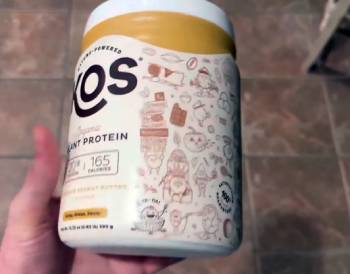
To get the most out of your investment and keep your powder fresh, you have to follow a few simple storage and preparation rules.
I have found that the most important maintenance tip is to always keep the bag in a cool, dry place away from direct sunlight.
Because the ingredients are organic and don’t contain heavy preservatives, heat and moisture can cause the powder to clump or even degrade the quality of the vitamins over time.
You should also be very careful about keeping the “zip” track of the bag clean; I recommend wiping the track with a dry cloth if powder builds up there.
If the bag doesn’t seal perfectly, air will get in and turn your smooth powder into hard blocks that are difficult to measure and blend.
When it comes to your equipment, I suggest washing your blender or shaker bottle immediately after use with warm, soapy water.
Plant protein has a way of “sticking” to plastic surfaces once it dries, and it can develop a very unpleasant odor if left unwashed for even a few hours.
I also recommend “rotating” your flavors or adding different mix-ins every week to keep your palate from getting “flavor fatigue.”
Adding a pinch of extra Himalayan salt can actually help “brighten” the vanilla flavor if you feel it’s becoming a bit muted over time.
If you notice your powder is starting to clump inside the bag, give it a good shake or use a dry whisk to break up the pieces before scooping.
Always use a dry scoop; even a tiny drop of water introduced into the bag can create a breeding ground for mold in an organic product.
I find that using a dedicated airtight container or a glass jar can sometimes be better than keeping it in the original bag if you find the zip-lock frustrating.
By taking these small steps, you ensure that every shake is as delicious and effective as the first one you had.
Proper maintenance of your supplements is just as important as the workouts you are pairing them with.
You are investing in your health, so treat your “fuel” with the respect it deserves to get the best results possible.
Pros and Cons: An Analytical Breakdown
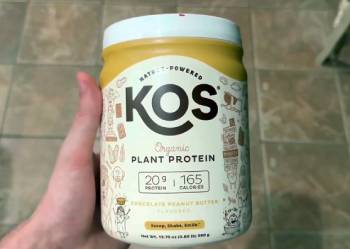
Choosing a protein powder involves weighing the nutritional benefits against the reality of daily consumption.
I have analyzed the performance of Kos protein to help you decide if it fits your specific dietary needs and flavor preferences.
Pros
- Exceptional Flavor Profile: The use of organic vanilla, monk fruit, and stevia creates a sweet, dessert-like taste without the need for processed sugars.
- Superior Digestive Support: The inclusion of a proprietary enzyme blend makes this one of the easiest plant proteins on the stomach, drastically reducing bloating.
- High-Quality Sourcing: Being USDA Organic, non-GMO, and free from soy and gluten ensures you are putting clean fuel into your body.
- Weight Management Benefits: The high soluble fiber content helps you feel satiated for longer, which can prevent mindless snacking between your meals.
- Nutrient Density: With 20g of protein and 12 essential vitamins and minerals, it functions well as a light meal replacement or a nutrient-dense snack.
- Texture (When Blended): When used with a blender, the coconut milk powder creates a creamy, rich consistency that rivals traditional whey shakes.
- Clean Energy: Because it avoids artificial stimulants and colors, you get a steady flow of energy without a “crash” or jittery feeling.
Cons
- Mixing Difficulty: It does not hand-blend well; using a shaker bottle or spoon often results in chalky clumps that can be off-putting.
- Price Point: As a premium organic product, it is more expensive per serving than many generic or non-organic plant proteins on the market.
- Vegetable Aftertaste: Some users may notice a subtle “earthy” or “mushroom” undertone if the powder isn’t paired with strong flavors like peanut butter or cocoa.
- Powdery Mouthfeel: If not diluted with enough liquid, it can leave a slightly dry, powdery sensation in the back of your throat.
- Packaging Bulk: The bags are quite large and can take up significant cabinet space, and the seal can sometimes be tricky to close if powder gets stuck in the tracks.
- Stevia Sensitivity: While monk fruit is used, the presence of stevia might be a “con” for those who are particularly sensitive to its specific sweetness profile.
- Limited Solubility in Hot Liquids: If you try to stir it into very hot coffee without a frother, it can sometimes seize up or become grainy.
Kos Protein Powder Vs. Other Brands
- Kos Protein Powder Vs. Orgain Organic Protein

When I compare Kos to Orgain, which is arguably the most common plant protein found in big-box stores, the biggest difference lies in the ingredient density.
Orgain is a fantastic budget-friendly option, but I noticed that it often requires more scoops to get the same nutrient profile that Kos provides in a smaller serving.
Kos includes a “Digestion Support” blend of enzymes that I found significantly more effective at preventing gas compared to Orgain’s standard fiber blend.
I also noticed that the flavor of Kos feels “richer,” likely due to the inclusion of Himalayan salt and coconut milk, whereas Orgain can sometimes feel a bit thinner when mixed only with water.
If you are looking for a more “premium” experience with added superfoods like pumpkin seed and chia, Kos is the better investment for your health routine.
- Kos Protein Powder Vs. Vega Sport Protein
Vega Sport is designed specifically for high-intensity athletes, offering a higher protein count per serving than the standard Kos blend.
However, I found that Vega Sport often has a much grittier texture and a very strong “earthy” taste that can be hard to mask, even with a lot of fruit.
Kos targets the lifestyle user who wants a balance of flavor and nutrition, making it much more suitable for daily meal replacement or a casual post-walk snack.
I noticed that Kos is much easier to bake with because the powder is finer and doesn’t dry out the final product as much as Vega’s denser formula does.
For the average person who isn’t training for a triathlon, the drinkability of Kos makes it a more sustainable choice for long-term use.
- Kos Protein Powder Vs. Garden of Life Raw Organic Protein
Garden of Life is famous for its sprouted protein sources, which are excellent for nutrient bioavailability.
That being said, I found the taste of Garden of Life to be very “green” and somewhat difficult to enjoy on its own with just water.
Kos has managed to create a flavor profile that feels like a treat—almost like a melted milkshake—without sacrificing the organic integrity of the ingredients.
I noticed that Garden of Life often has a slightly “chalky” finish on the tongue that lingers much longer than the smooth finish of a well-blended Kos shake.
If your priority is enjoying your protein as a daily ritual rather than just “getting it over with,” you will likely prefer the Kos experience.
- Kos Protein Powder Vs. Sunwarrior Warrior Blend
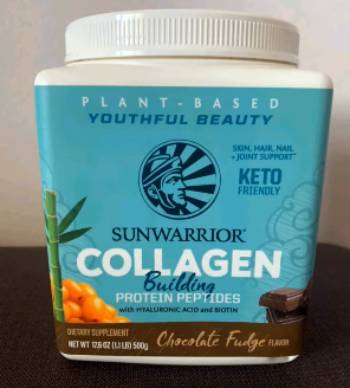
Sunwarrior uses a blend of pea, hemp, and goji berry, which results in a very unique amino acid profile.
In my testing, I found that Sunwarrior tends to thicken up significantly if you let it sit for more than ten minutes, turning into a sort of pudding.
Kos remains a consistent liquid for longer, which is better if you like to sip your protein shake over the course of an hour while you work.
I also noticed that the packaging of Kos is much more user-friendly; the wide-mouth bags make it easier to scoop the product out without getting powder all over your knuckles.
For those who want a reliable texture and a “dessert-like” flavor, Kos wins out over the more functional, thickening nature of Sunwarrior.
- Kos Protein Powder Vs. Ritual Essential Protein
Ritual is a newer player in the game with a very minimalist approach to their ingredient list, focusing on “traceable” pea protein.
While I appreciate Ritual’s transparency, their flavor options are extremely limited, and I found the taste to be a bit too subtle for my liking.
Kos offers a wider variety of fun flavors like Chocolate Peanut Butter and Blueberry Muffin, which keeps the routine from becoming boring.
I noticed that Kos also provides a broader spectrum of vitamins and minerals per serving, making it more of a “multi-nutrient” supplement than just a protein source.
If you want your protein powder to do more for your body than just hit a macro goal, the “superfood” aspect of Kos gives it a clear advantage.
Frequently Asked Questions (FAQs)
Kos protein powder is not discontinued; however, certain limited-edition flavors or specific retailers may go out of stock due to the high demand for their organic, small-batch ingredients.
While “highest rated” varies by category, Kos consistently ranks at the top for plant-based flavor and digestive comfort, while brands like Optimum Nutrition often lead for traditional whey.
Yes, the 20g of protein and high soluble fiber content can support weight loss by keeping you full for longer and providing a low-calorie alternative to sugary snacks.
Chemo patients often require easy-to-digest, high-quality protein; while many doctors recommend whey isolate for its amino acid profile, plant-based options like Kos are excellent for those with sensitive stomachs.
Final Thoughts
Elevating your nutritional intake doesn’t have to be a chore when you find a supplement that actually tastes like a reward.
I believe that the combination of clean, organic sourcing and the thoughtful addition of digestive enzymes makes this a top-tier choice for any wellness enthusiast.
If you want a versatile, delicious, and bloat-free way to hit your daily protein goals, you should buy Kos protein powder.
You deserve to feel energized and satisfied after every workout without having to worry about artificial fillers or digestive issues.