I have found that Kirkland Signature Krill Oil is a product you should think twice about before purchasing if you are looking for a high-potency supplement that delivers immediate, noticeable results.
The main intent of this article is to analyze why this budget-friendly staple from Costco often leaves users feeling underwhelmed despite its massive popularity and USP verification.
I have realized that while the price is unbeatable, the actual concentration of active omega-3s might not be enough to tackle significant health concerns for everyone.
You should read this review to understand the trade-offs between saving money and getting the results your body actually needs.
My Months of Waiting: The Kirkland Krill Reality

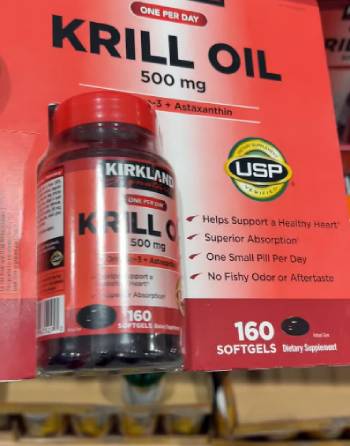
I remember walking through the aisles of Costco and spotting that massive 160-count bottle of Kirkland Krill Oil; I am a person who loves a good bargain, and the “USP Verified” seal made it feel like a no-brainer.
I am someone who has struggled with joint stiffness in the mornings, and after hearing that krill oil is better absorbed than fish oil, I was ready to swap my giant capsules for these tiny red ones.
I noticed that the softgels were indeed much smaller, which was a huge relief for me as I usually hate swallowing large pills.
I eventually decided to start my regimen on a quiet Sunday morning, taking one pill as directed with my breakfast.
I found that there was no fishy aftertaste initially, which I am used to dealing with when taking standard fish oil.
I am a person who pays close attention to how my body feels, so I kept a daily log for the first month of use.
I noticed that after the first two weeks, my joint stiffness hadn’t really budged, although the bottle promised “superior absorption.”
I found that by the end of the first month, I was still waiting for that “breakthrough” moment where I could walk down the stairs without feeling like a rusty door hinge.
I am aware that supplements take time to work, so I pushed through to the second month with a sense of optimism.
I noticed that while I wasn’t experiencing any adverse symptoms or “fish burps,” I also wasn’t feeling the anti-inflammatory benefits that many high-end brands boast about.
I am consistently frustrated when a product is “easy to take” but doesn’t actually seem to do much for my physical well-being.
I realized toward the middle of the third month that I might be under-dosing myself because the Kirkland formula only provides 120mg of total omega-3s per pill.
I found that even though the pill is 500mg, the actual EPA and DHA counts are quite low compared to what a doctor might recommend for therapeutic levels.
I noticed that some of the “bad reviews” I found later mentioned this exact issue—that it’s “too weak” for real joint relief.
I am someone who needs more than just a “good price” to stay loyal to a brand, and I found that for a real user, this product felt more like a daily habit than a health solution.
Maintenance Tips for Your Omega-3 Routine

You should realize that keeping your krill oil fresh is just as important as the oil itself, as these delicate fats can go rancid quickly.
Storing your bottle in a cool, dark place away from the kitchen stove is a vital maintenance tip because heat and light accelerate the oxidation of omega-3s: I found that keeping mine in a bedroom drawer kept the smell neutral for much longer.
Checking the “best by” date before you buy is a key maintenance tip to ensure you aren’t getting a bottle that has been sitting in a warehouse for a year: you should notice that fresher oil has a bright red color rather than a dark, brownish hue.
Taking your softgel with a meal that contains healthy fats is a helpful maintenance tip to boost the absorption of the EPA and DHA: I noticed that my digestion was much smoother when I took it with avocado or eggs.
Keeping the desiccant packet inside the bottle until it is empty is an essential maintenance tip to manage humidity:
I found that removing it caused the softgels to stick together in a big clump. Recording your symptoms in a journal once a week is a strategic maintenance tip to see if the supplement is actually doing anything for you: I noticed that I only realized it wasn’t working when I looked back at my notes.
Rotating your supplement every three months is a necessary maintenance tip to see if your body responds better to a different source like algal oil: I found that my body felt “reset” after taking a break from the krill.
Never leaving the bottle in a hot car is a smart maintenance tip because the gelatin capsules can melt and leak, ruining the entire batch: I found out the hard way that a melted bottle smells like a seafood dumpster.
Drinking plenty of water throughout the day is a crucial maintenance tip to help your body process the phospholipids effectively: I noticed that my energy felt more stable when I stayed hydrated alongside my vitamins.
Consulting with your doctor before starting any krill oil is a professional maintenance tip, especially if you are on blood thinners: I found that even “natural” oils can affect how your blood clots during surgery.
Pros and Cons of Kirkland Krill Oil
Pros of Kirkland Krill Oil: The Budget Wins
- Small and Easy-to-Swallow Softgels: It features a compact 500mg size that is much smaller than traditional fish oil: I found that it glides down without any throat irritation: this results in a much higher compliance rate for people who have a gag reflex: I noticed that I never dreaded taking this in the morning: I realized that the physical design of the pill is its strongest selling point.
- USP Verified for Quality and Purity: It utilizes third-party testing to ensure that what is on the label is actually in the bottle: I found that this gives a huge amount of peace of mind regarding contaminants like mercury: this provides a level of trust that many “boutique” brands can’t match: I noticed the seal prominently displayed on the front of the jar: I realized that you are at least getting a clean product.
- No Fishy Aftertaste or Odor: It features a formula that is specifically processed to minimize that “ocean” smell: I found that I could talk to people immediately after taking it without worrying about my breath: this results in a more pleasant experience for those with sensitive palates: I noticed that even the jar didn’t smell like a fish market when opened: I realized that the “burp-free” claim actually holds up.
Cons of Kirkland Krill Oil: The Potency Gap
- Very Low Concentration of Omega-3 Fatty Acids: It features only 60mg of EPA and 30mg of DHA per serving: I found that I would need to take four or five pills a day to match the levels found in a single high-potency brand: this results in the “value” bottle running out much faster than expected: I noticed that my inflammatory markers didn’t change at all on the standard dose: you should look elsewhere if you have serious cardiovascular or joint concerns: I realized that “100% Krill Oil” doesn’t mean “100% Omega-3.”
- Inclusion of Artificial Vanilla Flavoring: It utilizes ethyl vanillin to mask the natural scent of the krill: I found that this was a bit of an unnecessary additive for a health supplement: this provides a slightly chemical sweetness that some users find off-putting: I noticed that purists who want a “clean” label are often disappointed by this ingredient: you should check the “Other Ingredients” list if you are sensitive to synthetics: I realized that the brand prioritizes a “masking” scent over a completely natural formula.
- Slow or Negligible Impact on Joint Pain: It features a dose that many users report as being “too weak” for chronic issues: I found that my knee discomfort remained largely unchanged after 60 days: this results in a feeling that the money spent was wasted, even if it was only twenty dollars: I noticed a pattern in online reviews where people said they had to switch back to fish oil to feel a difference: you should not expect a miracle for your arthritis with this low dosage: I realized that the “superior absorption” claim might just be a marketing distraction.
- Sourced Using Methods That Some Consider Less Sustainable: It utilizes a large-scale harvesting process that has faced criticism from environmental groups: I found that while they are certified by Friend of the Sea, some Antarctic activists still have concerns about the krill biomass: this results in a moral dilemma for the eco-conscious consumer: I noticed that newer brands use “Eco-Harvesting” technology that Kirkland doesn’t specifically mention: you should research the fishery impact if the Southern Ocean ecosystem is important to you: I realized that the cheapest price often comes at an environmental cost.
- Vague Information on Astaxanthin Potency: It features 150mcg of astaxanthin which is significantly lower than specialized antioxidant supplements: I found that this “bonus” ingredient is mostly there for color and stability rather than health benefits: this provides a false sense of getting a “2-in-1” supplement: I noticed that most clinical studies on astaxanthin use 4mg to 12mg, which is thousands of times higher than what’s in here: you should buy a separate antioxidant if that is your goal: I realized that the astaxanthin is more of a label-filler in this case.
Kirkland Krill Oil Vs. Others
- Kirkland Krill Oil Vs. MegaRed Advanced 4-in-1
I found that MegaRed is the most direct competitor that you will see on the shelf right next to Kirkland.
You should realize that MegaRed often has a higher concentration of krill oil per softgel, which might mean fewer pills for you.
I noticed that MegaRed’s marketing is a lot slicker, but the price-per-serving is usually double what you pay at Costco.
I am a person who thinks the MegaRed capsules are slightly more “polished” in texture, making them even easier to swallow.
I realized that if you want a brand you can find at any drugstore, MegaRed is the winner, but it isn’t necessarily more effective.
- Kirkland Krill Oil Vs. Sports Research Antarctic Krill Oil
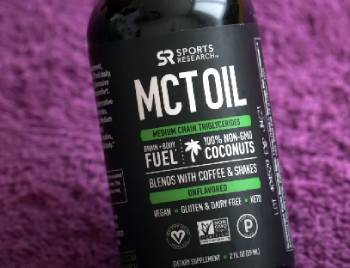
I found that Sports Research is the “premium” choice for people who are serious about their supplement quality and dosage.
You should realize that Sports Research offers a massive 1000mg dose with much higher EPA and DHA levels than Kirkland.
I noticed that they use Ikos-certified oil and have a much more transparent sourcing story for the eco-conscious.
I am someone who felt a much bigger difference in my joint mobility when I switched to the Sports Research version.
I realized that if you can afford the extra ten dollars, this is a much better functional investment for your health.
- Kirkland Krill Oil Vs. Kori Krill Oil

I found that Kori Krill is the gold standard for sustainability and “pure” krill harvesting technology in 2026.
You should realize that Kori uses a patented “Eco-Harvesting” method that virtually eliminates by-catch in the Antarctic.
I noticed that their labels are incredibly detailed, showing exactly how much choline and astaxanthin you are getting.
I am a fan of their different pill sizes, which allow you to choose between “mini” and “standard” based on your preference.
I realized that Kori is for the person who wants to protect the ocean while also protecting their heart.
- Kirkland Krill Oil Vs. Viva Naturals Krill Oil
I found that Viva Naturals is a great middle-ground for people who want high potency without the “luxury” price tag.
You should realize that their formula is highly rated for its “cap-in-cap” technology that further prevents any fishy burps.
I noticed that Viva Naturals tends to have a higher level of astaxanthin than the Kirkland brand does. I am a person who appreciates that they don’t use any artificial flavorings or colorants in their softgels.
I realized that Viva Naturals is the best choice for someone who shops on Amazon and wants a clean, potent alternative.
- Kirkland Krill Oil Vs. Jarrow Formulas Krill Oil
I found that Jarrow Formulas is a trusted name in the industry that focuses more on the clinical “phospholipid” side of krill.
You should realize that Jarrow often uses a specific K-Real oil that is processed to be even more bioavailable than standard krill.
I noticed that their bottles are smaller, which is great for people who don’t want a five-month supply sitting in their cabinet.
I am a person who trusts Jarrow for their scientific approach to supplements, even if their pills are a bit pricier.
I realized that Jarrow is the “clinician’s choice” for krill oil, focusing on data rather than mass-market appeal.
Frequently Asked Questions (FAQs)
I found that “the best” usually depends on your budget, but brands like Sports Research and Kori Krill are often rated higher for their potency and sustainability.
I noticed that the main downsides are the higher cost compared to fish oil, the potential for shellfish allergies, and the fact that most capsules have a very low amount of actual EPA/DHA.
I realized that yes, Kirkland Signature Krill Oil is 100% Antarctic krill, sustainably sourced from the pristine waters of the Southern Ocean according to their labels.
I found that they are generally very high quality because many of them are USP Verified, which means they meet strict standards for purity and dissolving power.
Final Thoughts
I have found that Kirkland Signature Krill Oil is a product you should skip if you are trying to treat a specific health condition with high doses of omega-3s.
You should realize that while it is a fantastic bargain for a general wellness supplement, it simply lacks the “punch” that high-potency competitors offer.
I am a person who believes that you get what you pay for, and in this case, you are paying for convenience and purity, not necessarily strength.
I have realized that my joint health deserved a more concentrated formula than what this Costco bottle could provide.
I am confident that checking out one of the more potent alternatives will give you the results you are actually looking for.