You should buy Huel Daily Greens if you are looking for a budget-friendly, comprehensive nutrient profile that includes essential vitamins like D and K, which are often missing in other blends.
I have found that Huel offers a massive 91-ingredient list that targets everything from immune health to energy levels at nearly half the price of its premium competitors.
However, if you prioritize a smoother texture, superior mixability, and high-dose probiotics supported by the gold standard of NSF Certification for Sport, you should consider AG1.
In this article, I will explain why I believe the choice between Huel Greens and AG1 depends entirely on whether you value specialized gut health or broad-spectrum nutritional insurance.
Comparison Table: Huel Daily Greens Vs. AG1
| Feature | Huel Daily Greens | AG1 (Athletic Greens) |
| Total Ingredients | 91 Ingredients | 75 Ingredients |
| Price Per Serving | Approx. $1.50 | Approx. $3.30 |
| Key Missing Nutrients | None major | Vitamin D, K, Iron, Iodine |
| Certifications | Third-party tested | NSF Certified for Sport |
| Primary Sweetener | Stevia | Stevia & Monk Fruit |
| Best For | Budget-conscious all-in-one | High-performance athletes |
| Flavor Profile | Earthy, grassy, multiple options | Tropical, pineapple, vanilla notes |
My Firsthand Experience with the Green Powder Giant Battle
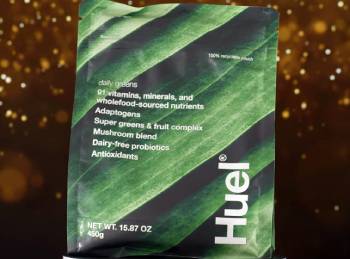
I remember the first time I stood in my kitchen with a bag of Huel Daily Greens and a canister of AG1, feeling like a mad scientist trying to optimize my morning routine.
I am a person who has always struggled with afternoon fatigue, so the promise of a “foundational” drink that replaces a dozen pills was incredibly enticing.
I started my journey with AG1 because of the massive hype surrounding it, and I noticed right away that the texture was surprisingly silky for a vegetable-based product.
I found that it mixed effortlessly in a standard shaker bottle, leaving almost no grit at the bottom, which is a rare feat in the world of supplements.
I realized, however, that while AG1 made me feel energized, the price tag was a significant hit to my monthly budget.
I eventually switched to Huel Daily Greens to see if I could get the same benefits for a fraction of the cost.
I am someone who appreciates transparency, and I noticed that Huel includes Vitamin D and Iron right in the powder, whereas AG1 requires you to take a separate dropper for those specific nutrients.
I found that the taste of Huel was much more “earthy” and felt a bit more like I was drinking a liquid salad, which I actually didn’t mind.
I have found that after a month of using both, the biggest difference isn’t just the price; it’s the digestive experience.
I noticed that AG1’s heavy focus on probiotics and enzymes made my gut feel incredibly “light,” while Huel felt more like a dense nutritional safety net.
I finished my trial feeling that Huel is the better choice for the average person who just wants to cover their bases, while AG1 remains the king of refined user experience.
I realized that you really are paying a premium for the taste and the NSF certification with AG1, but for my daily life, the Huel cost savings were hard to ignore.
Pros and Cons of AG1 (Athletic Greens)
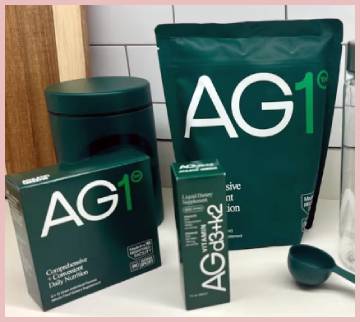
Pros of AG1 (Athletic Greens)
- Exceptional Mixability and Mouthfeel: It utilizes a highly refined milling process: I found that this eliminates the “sand-like” texture common in other greens: this results in a smooth drink that doesn’t require a blender: I noticed it stays suspended in water longer than Huel.
- NSF Certified for Sport: It undergoes the most rigorous third-party testing available: I found this is a non-negotiable feature for professional athletes: this provides total peace of mind regarding banned substances: I noticed this certification is a major reason for its high price point.
- Potent Probiotic and Enzyme Blend: It contains 7.2 billion CFUs of high-quality probiotics: I found this significantly improved my digestion within the first week: this results in less bloating after meals: I noticed the inclusion of bromelain and papain helps with protein absorption.
- Optimized for High Bioavailability: It uses methylated versions of B vitamins: I found that my energy levels remained stable throughout the entire day: this provides a more efficient way for the body to utilize nutrients: I noticed I didn’t get the “neon yellow” urine typical of cheap multivitamins.
- Comprehensive Travel Convenience: It offers individual serving packs that are easy to toss in a bag: I found this made it much easier to stay consistent while on the road: this results in zero mess compared to scooping from a large bag: I noticed the travel kits are often included for free with subscriptions.
Cons of AG1 (Athletic Greens): The analytical drawbacks:
- High Monthly Financial Commitment: because the price per serving exceeds three dollars: I found that this can be a barrier for many people looking for a basic supplement: this results in many users cancelling after the first month: I noticed that without a subscription, the price is even more staggering.
- Requires Supplemental Vitamin D/K Droppers: because the powder itself does not contain these essential fat-soluble vitamins: I found it annoying to have to remember an extra step every morning: this provides a less “all-in-one” experience than advertised: I noticed the droppers can sometimes leak in travel bags.
- Proprietary Blends Mask Exact Dosages: because the company groups ingredients into “complexes” without listing individual milligram amounts: I found it difficult to know exactly how much of each superfood I was actually getting: this results in a lack of transparency for data-driven consumers: I noticed this is a common practice in the industry that AG1 continues to follow.
- Contains Soy-Derived Ingredients: because some of the vitamins are sourced from soy: I found this makes the product unusable for those with specific allergies: this results in a smaller potential user base: I noticed Huel is a safer bet for those avoiding common allergens.
- Flavor Can Be Overly Sweet for Some: because it uses a combination of Stevia and Monk Fruit: I found that the “tropical” taste can feel a bit artificial first thing in the morning: this provides a polarizing experience for people who prefer an earthy taste: I noticed the sweetness lingers on the tongue longer than expected.
Also Read: My Thoughts On Bodyhealth Perfect Amino
Pros and Cons of Huel Daily Greens
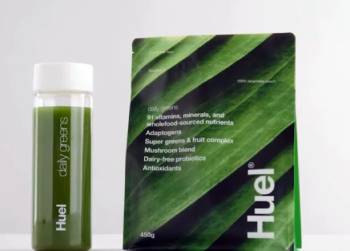
Pros of Huel Daily Greens
- Superior Nutrient Completeness: It includes Vitamin D, Vitamin K, Iron, and Iodine: I found that I could stop taking my separate iron supplement once I switched: this results in a true one-and-done solution: I noticed Huel targets the specific gaps often found in vegan diets.
- Unbeatable Cost-to-Value Ratio: It is priced at roughly half the cost of AG1 per serving: I found that I saved over $50 a month by making the switch: this results in a sustainable long-term habit for budget-conscious families: I noticed the subscription model is very flexible.
- Wider Variety of Natural Flavors: It is available in options like Watermelon and Lemon & Ginger: I found that having flavor choices prevented the “palate fatigue” I got from drinking the same thing every day: this provides a more customizable experience: I noticed the Lemon & Ginger flavor is particularly refreshing in the morning.
- Rich in Organic Adaptogens and Mushrooms: It features a blend of Ashwagandha, Rhodiola, and Reishi: I found this helped me manage my stress levels during a busy work week: this results in a more balanced mood: I noticed that Huel prioritizes these “functional” ingredients more than basic greens.
- Plant-Based Protein and Fiber Content: It includes small amounts of pea protein and oat fiber: I found this made the drink feel slightly more satiating than AG1: this provides a gentle slow-release of energy: I noticed I wasn’t as hungry for a mid-morning snack.
Cons of Huel Daily Greens: The analytical drawbacks:
- Noticeable Chalky and Gritty Texture: because the ingredients are not as finely processed as premium rivals: I found that there is always a layer of sediment at the bottom of the glass: this results in a less pleasant drinking experience: I noticed that you have to keep shaking the bottle between sips to keep it mixed.
- Lower Probiotic Count per Serving: because Huel focuses more on whole-food nutrition than gut colonization: I found that it didn’t have the same “de-bloating” effect as AG1: this provides a disadvantage for users with chronic digestive issues: I noticed the probiotic dose is significantly lower on the label.
- Flavor Profile is Very Grassy: because it uses a high concentration of actual greens without heavy masking agents: I found the “Original” flavor to be quite bitter without added juice: this results in a steeper adjustment period for new users: I noticed that children or picky eaters would likely struggle with the taste.
- Packaging Design Can Be Messy: because the large resealable bags often get powder stuck in the zipper: I found it difficult to seal the bag properly after a few uses: this provides a risk of the powder going stale: I noticed that AG1’s metal canister is a much more functional storage solution.
- Slightly Lower Protein Bioavailability: because it relies strictly on a wide variety of plant sources: I found that it took longer for me to feel the “energy lift” compared to AG1’s refined formula: this results in a slower metabolic response: I noticed that the sheer number of ingredients might mean some are under-dosed.
Also Read: Comparison Of Primal Greens Vs. Ag1
Frequently Asked Questions (FAQs)
AG1 is generally considered better for taste, mixability, and athletes requiring NSF certification, whereas Huel is better for those seeking a more affordable and nutritionally complete (Vitamins D/K/Iron) formula.
For budget, Huel Daily Greens is better; for organic purity, brands like Garden of Life or Nested Naturals are often preferred; and for high-dose fiber, Transparent Labs is a top choice.
Yes, it is beneficial as a “nutritional insurance policy” to fill gaps in your diet, specifically providing 91 ingredients that support immunity, energy, and cognitive function.
Joe Rogan has praised AG1 as a foundational part of his morning routine for years, stating he trusts it for energy, focus, and high performance as a science-backed solution.
Final Thoughts
You should buy Huel Daily Greens if you want a smart, cost-effective way to ensure you are getting every single essential vitamin and mineral in one go.
I have found that for the price of a daily coffee, you can essentially eliminate the need for a separate multivitamin, iron pill, and vitamin D supplement.
However, you should buy AG1 if you have a sensitive stomach and want the smoothest, best-tasting greens powder that money can buy.
I believe the choice comes down to your personal priorities: do you want the “Tesla” of greens powders (AG1), or the reliable, feature-packed “work truck” (Huel)?
Whichever you choose, your body will surely thank you for the extra dose of nutrients!