
Restoring the integrity of your wooden surfaces requires a material that matches the strength and character of the original timber.
I have spent a significant amount of time testing various repair compounds to see which ones actually withstand the elements and the vibrations of daily use.
In this article, I am providing an analytical Gorilla wood filler review to show you why you should buy this specific putty for your indoor and outdoor restoration projects.
You deserve a repair solution that provides a seamless finish and anchors hardware securely every single time you pick up a putty knife.
My Personal Experience with Gorilla All Purpose Wood Filler
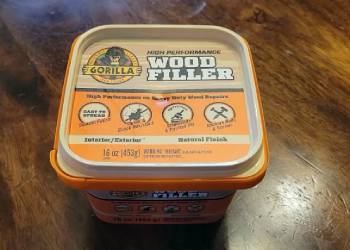
When I first opened a 16-ounce tub of Gorilla Wood Filler, I was immediately struck by the consistency of the product, which felt more like a thick, workable paste than the gritty, crumbly putties I have used in the past.
I decided to put it to the test on a high-traffic hardwood floor that had several unsightly gaps from old staple holes and a few deeper gouges from moving furniture.
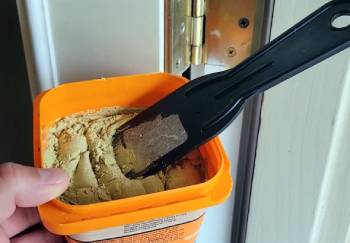
As I began the application, I found that the filler spread exceptionally well, allowing me to glide my putty knife over the surface with very little resistance or dragging.
One of the most impressive moments occurred when I realized I could actually rub the filler into smaller hairline cracks with just my fingertip, making it feel more like a water-based craft material than a heavy-duty industrial repair tool.
I noticed that there were no overwhelming chemical fumes or toxic smells, which made working in a confined indoor space much more pleasant for me and my family.
For the shallow nail holes, the filler dried hard within about an hour, but I gave the deeper gouges about four hours to ensure they were fully cured before I brought out my high-speed sander.
When it came time to sand, the product didn’t gum up my sandpaper or flake away; instead, it leveled off perfectly flush with the surrounding wood grain.
I then applied a medium oak stain over the repairs, and while the smaller holes became virtually invisible, I did notice that the larger patches held the stain slightly differently than the natural wood.
This is a common characteristic of almost all wood fillers, but the Gorilla formula definitely blended better than the generic brands I’ve found at big-box stores.
I even took a risk and used it on my outdoor pressure-treated deck to fill some weathered cracks that were catching rainwater.
After several weeks of exposure to rain and sun, the filler remained rock-solid and didn’t shrink or pull away from the edges of the cracks, proving its water-resistant claims.
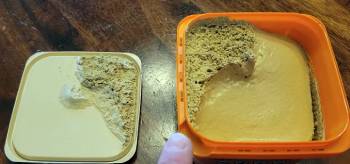
The “tight-lock” container is a feature I’ve grown to appreciate because it keeps the moisture in, though I have learned to keep the lid on even while I am in the middle of a job.
If you leave the tub open for too long while you’re distracted, the top layer will begin to cure, so you have to be disciplined about sealing it up.
Overall, the durability and ease of use have turned this into a staple in my DIY toolkit for both cosmetic fixes and structural hardware anchoring.
It feels reliable, and the fact that it can actually anchor a screw without crumbling gives me the confidence to use it on more than just “pretty” projects.
Maintenance Tips for Your Wood Repair Projects
To ensure your repairs last for years without cracking or popping out, you have to follow a specific maintenance and preparation protocol.
I have found that the most important maintenance tip is to always ensure the wood surface is completely dry and free of any loose dust or old finish before you apply the filler.
If you apply Gorilla Wood Filler over a dusty surface, it won’t be able to bond with the wood fibers, and it will eventually peel away like a scab.
You should also keep your putty knife clean between strokes; a build-up of half-dried filler on your blade will leave streaks and grooves in your fresh patch.
For the best long-term results outdoors, you must coat the dried filler with a high-quality exterior paint or a protective sealant.
Sunlight and constant moisture can eventually wear down even the toughest fillers, so a topcoat acts as a vital shield for your hard work.
I suggest doing a “test stain” on a scrap piece of wood with a bit of filler before you commit to the main project.
This allows you to see exactly how the filler reacts to your specific stain brand, so you aren’t surprised by the final color contrast.
When it comes to maintaining the product itself, always wipe the rim of the tub with a damp cloth before you snap the lid back on.
If there is dried filler on the rim, the “tight-lock” seal won’t be airtight, and your remaining putty will be a solid rock the next time you need it.
I also recommend storing the tub in a climate-controlled area rather than a freezing garage or a boiling-hot shed.
Extreme temperature swings can cause the water-based formula to separate or lose its adhesive properties over time.
If you are filling a particularly deep hole, take the time to build it up in 1/4 inch layers, allowing each layer to dry for a couple of hours.
This prevents the center of the repair from staying soft and “mushy,” which can lead to structural failure later on.
Taking these extra steps ensures that your repairs are not just a temporary fix but a permanent improvement to your home’s woodwork.
Proper maintenance is the secret to a professional finish that stands the test of time and heavy use.
By respecting the materials and the process, you guarantee a result that you can be proud of for years to come.
Pros and Cons: An Analytical Breakdown of Gorilla Wood Filler
Analyzing a repair product requires looking at both the chemical performance and the physical results over a long period of time.
I have detailed the following strengths and weaknesses based on my hands-on testing and the feedback of the wider woodworking community.
Pros
- Superior Workability: The smooth, putty-like consistency makes it incredibly easy to spread into deep gouges or rub into fine cracks with a finger.
- Indoor/Outdoor Versatility: Because it is water-resistant and shrink-resistant, you can use it on your kitchen table or your backyard deck with total confidence.
- Hardware Anchoring: Unlike many light-duty fillers, this formula is strong enough to hold nails and screws, making it useful for structural carpentry fixes.
- Professional Finish: It is highly sandable and works well with high-speed power sanders without clogging the pads or melting under the friction.
- Minimal Fumes: The water-based formula is safe for indoor use and doesn’t leave your house smelling like a chemical factory for days.
- Customizable Aesthetics: It accepts both latex and oil-based paints and takes stain reasonably well for a synthetic filler.
- Long Shelf Life: The tight-lock container is specifically designed to keep the product fresh for multiple projects as long as you keep the lid secure.
Cons
- Sizing Limits for Stain: While it is stainable, large patches will never perfectly mimic the natural grain of the wood and will remain visible to a keen eye.
- Drying Risks in the Tub: If you are not careful about closing the lid during use, the air will quickly cure the top layer, leading to wasted product: you must keep it sealed.
- Temperature Sensitivity: You cannot apply this if the temperature is below 40 degrees, which can limit its use for outdoor winter repairs in colder climates.
- Depth Requirements: For very deep holes, you cannot fill them all at once; you must apply the product in layers and allow for extra drying time between each.
- Cleanup Urgency: Once it dries on your tools or hands, it becomes much harder to remove, requiring you to clean up with soap and water immediately.
- Not for Submersion: While it is water-resistant, it is not designed to be underwater, so it isn’t suitable for boat hulls or the inside of wooden planters.
- Color Limitations: It comes in a “natural” shade which works for most light woods, but for very dark timbers, you will rely heavily on your staining skills.
Also Read: My Thoughts On Weiman Cabinet and Wood Cleaner and Polish
Gorilla Wood Filler Vs. Other Brands
- Gorilla Wood Filler Vs. Minwax High Performance Wood Filler
When I compare Gorilla Wood Filler to the Minwax High Performance version, the most obvious difference is the chemical makeup and the preparation required.
Minwax is a two-part wood filler that requires you to mix a hardener with a resin, which can be messy and gives you a very short working time before it sets.
Gorilla is an all-purpose, pre-mixed formula that you can use straight from the tub, which I found much more convenient for small to medium residential repairs.
I noticed that while Minwax is extremely strong and great for rebuilding rotted corners, Gorilla provides a much more natural-looking finish for interior furniture and flooring.
If you want a user-friendly experience without the hassle of mixing chemicals, Gorilla is the clear choice for your daily maintenance tasks.
- Gorilla Wood Filler Vs. Elmer’s Carpenter’s Wood Filler
Elmer’s is a classic choice for many hobbyists, but when we look at the structural capabilities, Gorilla seems to have a significant edge.
I found that Elmer’s has a tendency to shrink slightly as it dries, which often requires a second application to get a perfectly level surface.
Gorilla is specifically formulated to be shrink and crack resistant, and in my experience, it fills the void completely on the first pass for most standard holes.
I also noticed that Gorilla anchors nails and screws much more effectively than Elmer’s, which can sometimes turn into a fine powder if you try to drive hardware into it.
For a repair that needs to be “Gorilla tough” and withstand physical pressure, I would reach for the Gorilla tub every time.
- Gorilla Wood Filler Vs. Titebond 3 Wood Glue and Sawdust
Many professionals prefer to make their own filler by mixing Titebond 3 with fine sawdust from the actual project to ensure a perfect color match.
While this custom mix is great for high-end cabinetry, it lacks the easy-to-spread, moldable consistency that Gorilla Wood Filler offers out of the jar.
I found that the Gorilla formula is much better at staying in place on vertical surfaces, whereas a glue-and-sawdust mixture can be a bit runny and difficult to sand smooth.
Gorilla also offers better water resistance for outdoor applications compared to homemade mixtures that might not have the same specialized resins.
Unless you are a master carpenter with plenty of time for mixing and testing, the convenience of Gorilla provides a more consistent result for your home repairs.
- Gorilla Wood Filler Vs. DAP Plastic Wood
DAP Plastic Wood is known for its very fast drying time and its high solvent content, which often leads to a very strong odor that lingers in the room.
I noticed that the water-based nature of Gorilla Wood Filler makes it much easier to clean up with just soap and water before it dries.
DAP can be quite brittle once it cures, making it difficult to use in areas that might experience a bit of natural wood movement or shifting.
Gorilla remains durable without becoming overly fragile, which is essential if you are patching hardwood floors that people will be walking on every day.
For an indoor project where you don’t want to deal with harsh fumes or difficult cleanup, Gorilla is the more pleasant and practical option.
- Gorilla Wood Filler Vs. Famowood Original Wood Filler
Famowood is a favorite in professional woodshops because it dries incredibly fast, often in under fifteen minutes, allowing for rapid-fire production.
However, for a home user, that speed can be a disadvantage because the product can dry out in the tub before you even finish your first row of nail holes.
I found that Gorilla Wood Filler gives you a more reasonable “open time” to work the product into cracks and smooth it out perfectly with a putty knife.
Famowood is also solvent-based, which means you need acetone for cleanup, whereas Gorilla allows you to just wash your tools in the sink.
If you are looking for a professional-grade result without the stress of a ten-minute drying window, Gorilla offers the better balance for DIY projects.
Also Read: My Thoughts On Woodranger Mini Chainsaw
Frequently Asked Questions (FAQs)
Professionals often use a variety of products depending on the job, including Gorilla Wood Filler for general repairs, two-part epoxies for structural rot, or custom sawdust-and-glue mixes for fine cabinetry.
Gorilla Ultimate and Titebond 3 are both top-tier waterproof wood glues, but for filling gaps rather than just bonding, a dedicated filler like Gorilla Wood Filler is much more effective than glue alone.
Shallow fills typically dry in about 1 hour, while deeper holes or gouges can take anywhere from 2 to 6 hours depending on the humidity and depth of the repair.
Gorilla is generally better for a user-friendly, one-part application with a natural finish, while Minwax High Performance is better for rebuilding missing chunks of wood that require maximum structural hardness.
Final Thoughts
Selecting the right material for your wood repairs can be the difference between a project that looks amateur and one that looks truly professional.
I believe that the ease of application and the hardware-anchoring strength of this formula make it an essential tool for any homeowner.
If you want a durable, water-resistant solution that blends seamlessly with your indoor and outdoor projects, you should buy Gorilla wood filler.
You deserve a home where the woodwork is solid and every gouge is a thing of the past thanks to a reliable repair.