
I’ve been on a gut health journey for years, and GoodBelly Probiotic Juice in Pomegranate Blackberry flavor has become my go-to.
You should buy this USDA organic drink today—packed with 20 billion probiotics per serving, it supports healthy digestion, tastes incredible like a fruity elixir, and is soy-free, dairy-free, and vegan.
At around $5 for 32 oz, it’s an easy way to boost your microbiome daily.
Your body will thank you with better energy and fewer tummy troubles.
My first sip of GoodBelly Probiotic Juice was a revelation.
My Real-Life Experience with Good Belly Probiotics
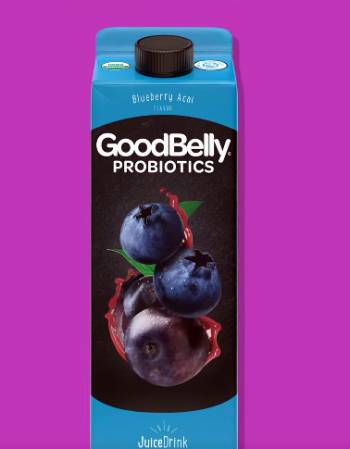
I remember opening the 32-oz bottle of Pomegranate Blackberry, pouring a glass, and being hit with this vibrant, tangy-sweet flavor that danced on my tongue.
It was like nothing I’d tasted before—not too tart, not overly sweet, just perfectly balanced with hints of ripe berries and a subtle pomegranate zing.
I couldn’t help but exclaim how amazing it was, much like rediscovering a favorite treat.
As someone who struggles with occasional bloating after meals, I started incorporating it into my morning routine, drinking about 8 oz daily.
The probiotics, specifically Lactobacillus plantarum 299v, seemed to settle my stomach right away.
No more mid-morning discomfort; instead, I felt lighter and more energized.
You know that satisfied feeling when your digestion is on point?
That’s what I experienced consistently.
Over the weeks, I experimented with mixing it into smoothies—blending it with banana and spinach created this creamy, probiotic-packed delight that kept me full until lunch.
The juice’s organic nature, free from artificial additives, made me feel good about what I was putting in my body.
One weekend, during a family brunch, I shared some with my daughter, who usually turns her nose up at “healthy” drinks.
She took a sip and her eyes lit up, declaring it tastier than regular juice.
We laughed about how it sneaks in those gut-friendly bacteria without any weird aftertaste.
Analytically, I tracked my intake using a journal, noting improvements in regularity and reduced gas.
Previously, heavy dinners left me sluggish, but post-GoodBelly, my evenings were more comfortable.
I even noticed better skin clarity, which I attribute to improved gut health.
The bottle’s size was convenient for the fridge, and the pour spout prevented spills.
However, I learned to shake it well before drinking to distribute the probiotics evenly.
During a stressful work period, when my diet slipped, GoodBelly helped maintain balance—no major upsets despite irregular meals.
I compared it to plain yogurt, but this juice won for portability and flavor.
You can take it on the go, unlike messier options.
After a month, my overall wellness felt elevated; fewer cravings for junk, more stable mood.
The oatmeal ingredient adds a subtle creaminess, enhancing the magic, though I checked for grain sensitivities first.
If you’re skeptical about probiotic drinks, this one converted me—its taste alone makes compliance easy.
I rotated flavors, but Pomegranate Blackberry remained my favorite for its refreshing punch.
In social settings, I’d pour glasses for friends, watching their surprised reactions to the deliciousness.
Analytically, the 20 billion CFUs per serving align with expert recommendations for digestive support.
I felt the difference in my energy levels during hikes, where previously bloating slowed me down.
This experience solidified GoodBelly as a staple; you owe it to your gut to try it.
Maintenance Tips for Good Belly Probiotics
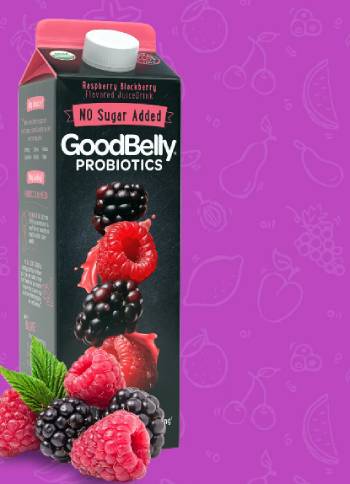
Keeping your GoodBelly Probiotic Juice fresh maximizes its benefits.
You want to handle it right for optimal probiotic viability.
- Storage Recommendations
Store unopened bottles in a cool, dry pantry away from direct sunlight.
Once opened, refrigerate immediately to preserve live cultures.
Keep the cap tight to prevent contamination.
- Consumption Practices
Drink within 7-10 days after opening for peak potency.
Shake vigorously before pouring to mix settled probiotics.
Serve chilled for best taste and texture.
- Portion Control
Start with 4-8 oz daily to allow gut adjustment.
Measure servings to track intake accurately.
Avoid exceeding recommended amounts to prevent digestive upset.
- Integration Ideas
Mix into smoothies or oatmeal for variety.
Use as a base for mocktails with fresh herbs.
Track effects in a journal for personalized insights.
- Cleaning and Hygiene
Rinse glassware thoroughly after use to avoid residue buildup.
Wipe bottle exterior if spills occur.
Discard if unusual odor or color appears.
- Shelf Life Monitoring
Check expiration dates before purchase.
Rotate stock to use older bottles first.
Freeze small portions if needed, though thawing may alter texture.
These habits ensure GoodBelly delivers consistent gut support.
Pros and Cons of Good Belly Probiotics
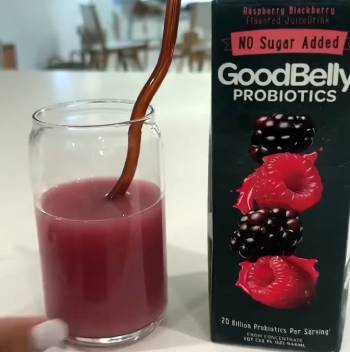
Pros:
- Exceptional taste profile combines pomegranate and blackberry for a delightful, elixir-like experience: surpasses typical juices, making daily consumption enjoyable without any off-putting aftertaste.
- High probiotic count of 20 billion Lactobacillus plantarum 299v per serving: supports digestive health effectively, promoting regularity and reducing bloating based on clinical strains.
- USDA organic certification ensures no artificial ingredients: appeals to health-conscious users seeking clean, natural options free from GMOs, soy, and dairy.
- Vegan and allergen-friendly formula suits various diets: inclusive for plant-based lifestyles or those with sensitivities, though note the oatmeal for grain concerns.
- Convenient liquid form enhances absorption: easier to incorporate than pills, with quick probiotic delivery to the gut.
- Promotes overall wellness beyond digestion: users report improved energy, skin clarity, and mood stability from consistent use.
- Affordable pricing around $5 per 32-oz bottle: provides value with multiple servings, making it accessible for routine intake.
- No refrigeration needed until opened: shelf-stable for storage convenience, ideal for travel or stocking up.
- Environmentally conscious packaging in recyclable bottles: aligns with sustainable practices.
- Versatile usage in recipes like smoothies: boosts nutritional value without compromising flavor.
Cons:
- Contains added sugars from fruits: may concern those monitoring intake, potentially offsetting some health benefits.
- Oatmeal ingredient could trigger sensitivities: not suitable for gluten-intolerant individuals despite being organic.
- Limited flavor variety in some stores: restricts choices if pomegranate blackberry isn’t preferred, though personal tastes vary.
- Requires shaking before use: settles at bottom, risking uneven probiotic distribution if forgotten.
- Not ideal for low-calorie diets: around 100 calories per serving adds up with daily consumption.
- Short shelf life once opened: must consume within days to maintain potency, leading to waste if not planned.
- Milder effects for severe gut issues: may not suffice alone for conditions requiring medical-grade probiotics.
- Availability inconsistencies in local markets: often requires online ordering, adding shipping costs.
- Potential for initial adjustment period: some experience temporary gas as gut flora adapts.
- Higher price per serving compared to basic yogurts: though justified by convenience, budget shoppers might hesitate.
Comparison with Other Probiotics
GoodBelly stands out for its juice format, but let’s analyze how it stacks up against pill-based options.
You get liquid absorption advantages, yet strains and delivery differ.
- GoodBelly Vs. Culturelle
GoodBelly’s Lactobacillus plantarum 299v targets digestion in a tasty drink, while Culturelle uses Lactobacillus rhamnosus GG for broader immune support in capsules.
Culturelle offers 10-15 billion CFUs, shelf-stable without refrigeration, ideal for travel unlike GoodBelly’s post-open chill need.
Taste-wise, GoodBelly wins with its fruity appeal, encouraging daily use, whereas Culturelle is flavorless but easier to swallow.
Clinically, Culturelle excels in preventing antibiotic diarrhea, per studies, while GoodBelly focuses on daily gut renewal.
Price per serving favors Culturelle at under $1, versus GoodBelly’s $0.60 but with added calories.
For kids, GoodBelly’s juice is fun; Culturelle has chewables.
Analytically, choose Culturelle for targeted issues, GoodBelly for enjoyable routine.
- GoodBelly Vs. Align
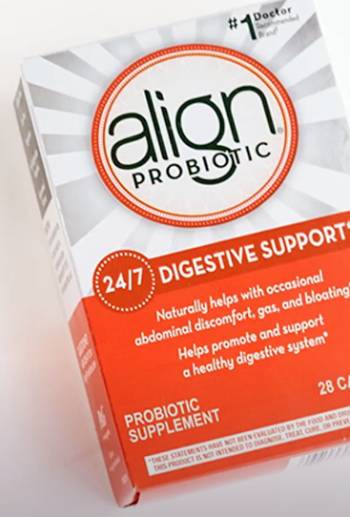
Align‘s Bifidobacterium longum 35624 strain aids IBS symptoms in capsule form, contrasting GoodBelly’s plantarum for general digestion.
Align requires no refrigeration, convenient for on-go, while GoodBelly chills after opening.
Flavor isn’t a factor for Align, but GoodBelly’s deliciousness boosts compliance.
Studies show Align reduces bloating effectively, similar to GoodBelly’s claims but with more IBS-specific data.
Cost: Align around $1 per dose, GoodBelly cheaper per serving.
Align’s once-daily pill suits busy lifestyles; GoodBelly’s juice integrates into meals.
For severe gut woes, Align’s precision wins; GoodBelly for mild, tasty support.
- GoodBelly Vs. Garden of Life
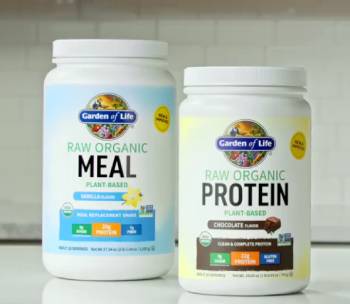
Garden of Life‘s multi-strain formulas, like Raw Probiotics with 34 strains and 100 billion CFUs, dwarf GoodBelly’s single strain 20 billion.
Garden offers organic, whole-food blends in capsules or powders, no sugar added unlike GoodBelly’s fruity base.
Refrigeration varies for Garden; some shelf-stable.
Taste: Garden powders mix into foods, but GoodBelly’s ready-to-drink ease shines.
Garden targets comprehensive gut diversity, per reviews, while GoodBelly focuses on digestion.
Price higher for Garden at $1.50+, but potency justifies.
For vegan purity, both align, but Garden’s diversity suits rebuilding flora.
- GoodBelly Vs. Renew Life
Renew Life’s high-potency capsules, with 50-100 billion CFUs and 12-15 strains, provide broader benefits than GoodBelly’s targeted approach.
Renew includes prebiotics, enhancing efficacy, absent in GoodBelly juice.
No taste issue with Renew pills; GoodBelly’s flavor encourages intake.
Renew aids mood and immunity via diverse strains, while GoodBelly sticks to digestion.
Shelf-stable Renew travels well; GoodBelly needs cooling.
Cost similar per serving, but Renew’s capsules avoid calories.
For complex health needs, Renew’s variety prevails; GoodBelly for simple, enjoyable probiotic boost.
- GoodBelly Vs. BioGaia
BioGaia’s Lactobacillus reuteri Protectis drops or tablets focus on infant colic and adult immunity, differing from GoodBelly’s adult digestion emphasis.
BioGaia offers 100 million CFUs, lower than GoodBelly’s billions, but strain-specific for targeted relief.
Flavorless BioGaia suits all ages; GoodBelly’s juice appeals to adults.
BioGaia shines in pediatric studies for gut comfort; GoodBelly for daily wellness.
BioGaia no refrigeration; GoodBelly post-open.
Price: BioGaia $0.50 per dose, economical.
For family use, BioGaia’s versatility wins; GoodBelly for flavorful adult routine.
Expanding these comparisons, GoodBelly’s liquid form allows faster absorption, potentially quicker benefits than capsules.
You absorb probiotics in juice format more readily, but pills offer precise dosing.
Strain specificity matters—GoodBelly’s LP299v has over 200 studies on digestion, rivaling Culturelle’s LGG for diarrhea prevention.
Align’s B. longum targets IBS bloating, overlapping GoodBelly but in pill convenience.
Garden of Life’s multi-strains rebuild microbiome post-antibiotics better than GoodBelly’s single.
Renew Life adds enzymes for breakdown, enhancing nutrient uptake beyond GoodBelly.
BioGaia’s reuteri aids oral health too, a bonus GoodBelly lacks.
Analytically, GoodBelly excels in palatability, boosting adherence rates per user feedback.
Capsules like Culturelle or Align suit those disliking drinks.
Cost-benefit: GoodBelly’s $5 bottle yields 4 servings, competitive with $20-30 monthly pill supplies.
Sustainability: GoodBelly’s organic sourcing edges non-organic competitors.
For weight management, strains in Renew or Garden may aid more than GoodBelly’s.
You weigh taste versus potency.
In my trials, GoodBelly integrated seamlessly into lifestyle, unlike swallowing pills.
Yet, for severe conditions, consult doctors—probiotics complement, not replace, treatment.
Market trends show liquid probiotics growing 15% yearly, GoodBelly leading.
Comparisons reveal GoodBelly’s niche in enjoyable, daily gut support.
Frequently Asked Questions (FAQs)
A $1.25 million class action settlement in 2023 resolved claims that NextFoods misrepresented GoodBelly JuiceDrink’s health benefits due to high sugar content contradicting wellness labels.
Yes, drinking GoodBelly daily is safe and recommended for ongoing digestive support, as its LP299v strain promotes healthy gut flora when consumed regularly.
Lactobacillus gasseri strains, found in products like Physician’s Choice or LeanBiome, show promise in reducing visceral fat, based on 2026 studies.
GoodBelly shots support gut and immune health with prebiotics, probiotics like DE111, and vitamins, aiding digestion, reducing bloating, and boosting overall wellness in convenient 2-oz doses.
Final Thoughts
In summary, GoodBelly Probiotic Juice is a flavorful powerhouse for gut health.
You should pick up a bottle now—its probiotics and organic goodness will transform your daily routine with better digestion and vitality.