When you are looking for a reliable balance between affordability and professional-grade performance, you should buy a Gaiam yoga mat because it offers the perfect entry point into a consistent wellness practice without the steep price tag of boutique brands.
I have spent years testing various surfaces to help you understand how Gaiam manages to dominate the market for everyday yogis.
My intent is to provide an analytical Gaiam yoga mat review so you can decide if their 6mm cushioning and diverse designs fit your specific flow.
You should choose Gaiam if you want a durable, stylish, and joint-friendly foundation.
My personal experience with Gaiam yoga mats
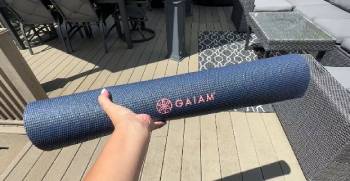
I remember the first time I rolled out a Gaiam mat in a crowded studio; I was transitioning from a cheap, generic foam pad that moved more than I did during sun salutations.
I am someone who values aesthetics as much as utility, and the intricate mandala designs immediately made my practice feel more intentional.
I started using the 6mm Premium Print mat about two years ago, and the first thing I noticed was the density of the PVC material.
It didn’t have that “squishy” feeling that makes balancing poses like Tree or Eagle nearly impossible; instead, it offered a firm yet forgiving support for my knees and ankles.
However, the real test came during my first high-intensity Vinyasa session. I found that as my palms started to sweat, the grip of the mat actually became a point of analytical interest for me.
I am an analytical user, so I noticed that while the mat is excellent for restorative and slow-flow classes, it requires a bit of a “break-in” period to reach peak stickiness.
I noticed that after a few weeks of consistent use and a light vinegar wash, the surface tension improved significantly.
I think it is vital for you to know that this mat is a workhorse; I’ve dragged it through airports, used it on hardwood floors, and even laid it out on abrasive concrete, and the print hasn’t faded or peeled.
You will likely find that the extra thickness is a godsend if you have sensitive joints like I do. I found that I no longer needed to double up my mat for Cat-Cow or kneeling lunges.
I began to feel more confident in my inversions because I knew the 6mm barrier would protect my head and neck if I had a slight wobble.
I also appreciated that the mat is lightweight enough to carry on a bike or a long walk to the studio without feeling like a heavy burden.
By the end of my first year with it, I realized that Gaiam isn’t just a budget brand; it is a thoughtful companion for anyone from a beginner to an intermediate practitioner.
Maintenance and tips for your Gaiam yoga mat
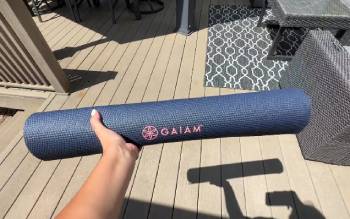
- Air Out the Mat for 48 Hours Before First Use: You should unroll your new mat in a well-ventilated area as soon as it arrives. This is the most analytical way to dissipate the natural “new plastic” smell that comes with non-toxic PVC, ensuring that your first breathing exercises aren’t interrupted by chemical scents.
- Give It a “Salt Scrub” to Speed Up the Break-In: You should sprinkle a light layer of sea salt over the surface and scrub it with a damp cloth if it feels too slippery. This mimics the natural wear and tear of several weeks of practice, which is the best maintenance tip for achieving that perfect “sticky” grip in a single afternoon.
- Clean with a 3:1 Water and Apple Cider Vinegar Mix: You should avoid using harsh chemical sprays that can break down the PVC fibers. A natural vinegar solution is the smartest way to disinfect the surface while preserving the vibrant print, ensuring the colors remain bright for years of daily use.
- Never Leave Your Mat in a Hot Car: You should always bring your mat inside after class. High temperatures can cause the PVC to warp or the print to fuse to itself if it’s rolled up tightly, which is a mistake that can permanently ruin the structural integrity of your favorite prop.
- Dry the Mat Flat Out of Direct Sunlight: You should never hang your mat over a thin clothesline or leave it in the sun to dry. UV rays can fade the beautiful designs, and hanging it while wet can cause the material to stretch out of shape, making it uneven the next time you try to balance on it.
- Use a Yoga Towel for Hot Yoga Sessions: You should layer a microfiber towel over the mat if you know you are going to sweat heavily. Since the closed-cell surface doesn’t absorb liquid, moisture will sit on top and create a slip-and-slide effect; using a towel is the analytical choice for maintaining safety during high-intensity flows.
Pros and Cons of Gaiam yoga mats
Pros of Gaiam yoga mats
- Generous 6mm cushioning for joint protection: The thickness provides a significant buffer between your bones and the floor: this is essential for long-held poses in Yin or restorative yoga: this ensures you aren’t distracted by physical pain during your meditative practice.
- Affordable price point for high-quality materials: You are getting a durable, long-lasting product for a fraction of the cost of luxury brands: this makes it accessible for students or those just starting their journey: this allows you to invest your remaining budget in other props like blocks or straps.
- Wide variety of vibrant and inspiring prints: The aesthetic appeal can actually motivate you to roll out your mat more often: the designs range from geometric patterns to calming nature scenes: this helps create a personalized “sacred space” wherever you practice.
- Lightweight and highly portable design: Despite the thickness, the materials are not overly dense: this makes it easy to roll up and carry across town: this is a major benefit for commuters who attend classes after work.
- Non-toxic and 6P free PVC construction: The mat is free from the six most harmful phthalates: this provides peace of mind for those concerned about chemical off-gassing: this makes it a healthier choice for both you and the environment compared to ultra-cheap alternatives.
- Excellent durability for daily home practice: The closed-cell surface resists moisture and sweat: this prevents bacteria from seeping into the core of the mat: this ensures the product remains hygienic and structural for years of use.
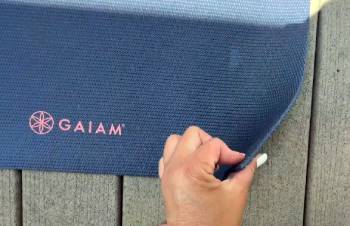
- Textured “sticky” surface for improved traction: The light tackiness helps keep your hands and feet in place: this is particularly helpful for beginners who are still building the strength to hold downward-facing dog: this reduces the risk of slipping and injury.
Cons of Gaiam yoga mats: An analytical look at the limitations:
- Initial slipperiness during high-sweat sessions: if you practice hot yoga without a towel: you might find your hands sliding during intense transitions: this is due to the closed-cell PVC which doesn’t absorb moisture: this requires the addition of a yoga towel for advanced or sweaty flows.
- Distinct “new mat” smell upon first opening: there is a noticeable chemical odor when you first unroll the product: this is common with PVC mats but can be off-putting for those with sensitive noses: this requires you to air it out for a few days before your first session.
- Break-in period required for maximum grip: the factory finish can feel a bit slick at first: you will need to use it regularly to wear down that initial coating: this might be frustrating for someone expecting a perfect grip on day one.
- Not as eco-friendly as natural rubber options: while it is 6P free, it is still a synthetic plastic product: this means it will not biodegrade at the end of its life: this is a consideration for the strictly eco-conscious practitioner.
- Potential for “stretching” in very hot environments: if used in a room over 95 degrees: the PVC can become slightly more pliable and stretchy during lunges: this affects the stability of the surface: this is an analytical point for hot yoga enthusiasts.
- Attracts dust and pet hair easily: the sticky texture is a magnet for floor debris: if you have pets, you will find yourself cleaning it more often than a smooth-surfaced mat: this is a minor maintenance hurdle.
- Standard length might be too short for very tall users: if you are over six feet tall: your head or feet might hang off the ends during Savasana: this requires looking into their “extra-long” versions which are less commonly available in all prints.
Gaiam Yoga Mat Vs. Other Brands
- Gaiam Yoga Mat Vs. Manduka PROlite
Manduka is often considered the “gold standard” for professional yogis, and the PROlite is their more portable version.
I have found that the Manduka PROlite is much denser and heavier than the Gaiam Premium mat. Analytically, Manduka offers a lifetime guarantee, which Gaiam does not, but you will pay nearly three times the price for that privilege.
Gaiam is much better for the casual practitioner who wants a lightweight mat that is easy to throw in a car.
Choose Manduka if you are a yoga teacher who practices four hours a day, but choose Gaiam for a more practical, everyday home routine.
- Gaiam Yoga Mat Vs. Lululemon The Mat 5mm

Lululemon uses a natural rubber base with a polyurethane top layer that is designed to absorb sweat instantly.
I have noticed that the Lululemon mat has an incredible grip from second one, whereas Gaiam requires a break-in period.
Analytically, the Lululemon mat is much more difficult to clean because it is open-cell, meaning it sucks in sweat and bacteria over time.
Gaiam’s closed-cell PVC is much more hygienic for those who don’t want to spend thirty minutes deep-cleaning their mat every week.
If you are a heavy sweater who hates towels, Lululemon is great, but Gaiam is the smarter choice for hygiene and longevity.
- Gaiam Yoga Mat Vs. Amazon Basics Yoga Mat
Amazon Basics offers a TPE or NBR foam mat that is often half the price of a Gaiam mat. I have found that the Amazon Basics mats are often “too squishy,” which makes them dangerous for standing balance poses as your ankles can roll.
Analytically, Gaiam’s PVC construction is much more stable and durable than the cheap foam used in “generic” mats.
Amazon Basics mats also tend to flake and peel within a few months of use, while Gaiam mats can last for years.
You should avoid the ultra-cheap foam options and spend the extra ten dollars on a Gaiam for a much safer and more professional experience.
Also Read: My Experience With Yoga-Go Weight Loss
Frequently Asked Questions (FAQs)
Yes, for the price point, they are exceptionally durable and provide the necessary density for both balance and joint protection in a daily practice.
“Best” is subjective; Manduka is best for longevity, Lululemon is best for grip, and Gaiam is best for overall value and portability.
They can be slippery when brand new or during very sweaty sessions, but this is easily solved with a break-in period or by using a yoga towel.
Yes, Gaiam mats are 6P free, meaning they are manufactured without the six most harmful phthalate chemicals often found in cheaper PVC products.
Final Thoughts
When you are ready to elevate your home practice or transition to studio classes, you should buy a Gaiam yoga mat as a reliable, stylish, and high-performing foundation.
I have found that the 6mm thickness and the non-toxic construction offer the most analytical balance of price and performance on the market today.
You should choose this brand if you want to focus on your breath and alignment rather than worrying about your knees hurting or your mat falling apart.
I believe that a beautiful, functional mat can be the catalyst for a life-long yoga habit, and Gaiam makes that entry point easy for everyone.
You deserve a practice space that feels safe and inspiring, and this mat is the perfect tool to help you achieve that goal.