When you are preparing for motherhood, your body becomes a temple that requires the most sophisticated structural support available.
I have spent years researching the complex world of micronutrients to help you separate marketing hype from clinical reality.
My intent is to provide an analytical, user-focused review of FullWell Prenatal so you can decide if this dietitian-formulated powerhouse belongs in your daily routine.
You should buy FullWell Prenatal if you want a zero-compromise, third-party tested supplement that prioritizes the highest bioavailable forms of every essential nutrient for you and your baby.
My personal experience with FullWell Prenatal

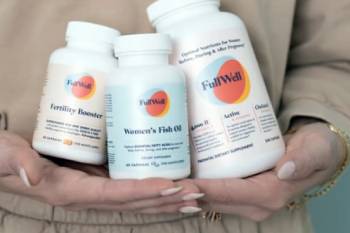
I remember the first time I held the FullWell bottle in my hand, feeling a mixture of intimidation and genuine excitement.
I had spent weeks looking for a prenatal that didn’t skimp on choline, an ingredient that most brands treat as an afterthought despite its massive importance for a baby’s brain development.
When I opened the lid, the first thing I noticed was the organic lemon packet tucked inside.
Even with that fresh citrus scent, there is no hiding the fact that this is a nutrient-dense formula; it has a very distinct “real vitamin” smell that reminded me of the multivitamins I took as a kid, only much more potent.
The most significant aspect of the FullWell experience is undoubtedly the dosage. Taking eight capsules a day is a massive commitment that fundamentally changed how I organized my mornings.
At first, I tried to swallow all eight at once with my breakfast, but I quickly realized that was a mistake for my digestive comfort.
I eventually found a rhythm by taking four capsules with my morning meal and the remaining four with lunch.
This staggered approach actually helped me feel more energetic throughout the day, as my body was receiving a steady stream of B-vitamins and minerals rather than one giant “dump” of nutrients.
Analytically, the biggest win for me was the absence of iron. Almost every other high-end prenatal I had tried left me feeling nauseous or resulted in terrible constipation.
With FullWell, that “heavy” feeling in my stomach simply vanished. I felt lighter, my digestion remained regular, and I no longer dreaded the morning supplement routine.
While the price point is definitely on the higher end and swallowing eight pills can feel like a chore, the peace of mind I felt knowing I was getting 300mg of choline and methylated folate was worth the extra effort.
Maintenance tips for high-dose prenatals
When you are dealing with a high-quality, nutrient-dense supplement like FullWell, how you store and take them determines how much benefit you actually receive.
- Keep the lemon packet inside: Do not toss the organic lemon scent packet that comes in the bottle. It is specifically designed to neutralize the sulfur-like smell of the B-vitamins. If you remove it, the aroma will become much more aggressive over time.
- Store in a dark, cool cupboard: Heat and light are the enemies of bioavailable nutrients. Avoid keeping your bottle on a sunny windowsill or near a stove, as this can cause the capsules to oxidize or the powders inside to degrade.
- Use a pill organizer: Since you have to track eight capsules a day, trying to remember if you took your fourth or fifth pill can be confusing. Using a weekly organizer ensures you get the full dose without accidentally doubling up or missing out.
- Take with fat-containing meals: Vitamins A, D, E, and K are fat-soluble. To get the most out of your FullWell dose, take your capsules with a meal that includes healthy fats like avocado, eggs, or olive oil to maximize absorption.
- Stay hydrated: Taking eight capsules introduces a lot of encapsulated powder into your system at once. Drink at least eight ounces of water with each dose to help the capsules dissolve properly and move through your digestive tract.
- Monitor your iron levels: Since FullWell is iron-free, you should have your ferritin levels checked by a doctor every trimester. This allows you to add a targeted iron supplement only if and when your body actually needs it.
Pros and Cons of FullWell Prenatal
Pros of FullWell Prenatal
- Comprehensive Choline Levels: Unlike budget brands that provide a measly 10% of your daily needs, FullWell includes 300mg of choline to support fetal brain development and placental health.
- Optimal Bioavailability: Every nutrient is in its most absorbable form, such as methylated folate (5-MTHF) instead of synthetic folic acid, which is vital for those with genetic absorption issues.
- Gentle on the Stomach: By omitting iron, this formula significantly reduces the risk of nausea, vomiting, and constipation, making it a lifesaver for those with sensitive digestive systems.
- Third-Party Purity Testing: Every single batch is tested for heavy metals, pesticides, and contaminants, providing a level of safety that is absolutely non-negotiable during pregnancy.
- Evidence-Based Dosing: Formulated by a registered dietitian, the amounts of Vitamin D3, K2, and B12 are calibrated to actual clinical needs rather than just meeting the bare minimum requirements.
- Freshness Guarantee: The brand focuses on small-batch production, ensuring that the vitamins you receive haven’t been sitting in a warehouse for years losing their potency.
Cons of FullWell Prenatal
- The Eight-Capsule Daily Requirement: Taking eight large pills every single day is the biggest barrier for most users: if you have a strong gag reflex or significant morning sickness, managing this volume of capsules can be physically and mentally exhausting.
- Higher Monthly Investment: This is one of the more expensive prenatals on the market: while the quality justifies the price, the cost can add up quickly over the course of preconception, pregnancy, and breastfeeding.
- Complete Absence of Iron: Because it contains zero iron, you must be diligent about getting this mineral from your diet or a separate supplement: if you are already anemic, this product alone will not fix your iron stores.
- Potent Vitamin Aroma: Despite the inclusion of a lemon essence packet, the smell of the B-vitamins and minerals is quite strong: for someone with a hyper-sensitive pregnancy nose, this scent can be a major trigger for nausea.
- Lack of Omega-3 DHA: This formula does not include DHA: you will need to purchase and swallow an additional fish oil or algal oil supplement to ensure your baby’s eye and brain health are fully supported.
- Large Pill Size: These are not small “easy-swallow” capsules: they are standard-sized vitamin shells that can be difficult for some people to handle in large quantities.
FullWell Prenatal Vs. Other Brands
- FullWell Prenatal Vs. Thorne Basic Prenatal
Thorne is often cited as the gold standard for clinical purity and high-potency nutrition.
When you compare FullWell to Thorne, the most immediate difference is the iron content.
Thorne contains 45mg of iron, which is fantastic for those who are anemic but can be devastating for women with sensitive stomachs.
FullWell offers a much higher dose of choline than Thorne, making it the analytical winner for brain-specific development.
However, Thorne only requires three capsules per day compared to FullWell’s eight, making Thorne the more “convenient” choice for busy schedules.
- FullWell Prenatal Vs. Ritual Essential Prenatal

Ritual is the leader in “minimalist” and “aesthetic” supplementation with their clear, mint-scented nested capsules.
Comparing FullWell to Ritual reveals two very different philosophies.
Ritual focuses only on the “essentials” and includes DHA, while FullWell focuses on “optimal” levels of everything, including minerals that Ritual leaves out.
FullWell is much more comprehensive, offering a wider array of trace minerals and a significantly higher dose of B-vitamins.
If you want the most thorough nutrient coverage possible, FullWell is the clear choice, whereas Ritual is better for those who want a simple, two-pill routine that includes their Omega-3s.
- FullWell Prenatal Vs. Needed Prenatal Multi

Needed is perhaps the closest competitor to FullWell, as both brands were founded by practitioners and require a high pill count.
Needed actually requires even more pills than FullWell (up to 24 if you take their full plan), but their standard multi is comparable.
Analytically, both use top-tier ingredients like methylated folate and high-dose choline. FullWell tends to be slightly more cost-effective while maintaining nearly identical quality standards.
If you are looking for the most “bang for your buck” in the high-end practitioner market, FullWell often edges out Needed in the value department.
- FullWell Prenatal Vs. Garden of Life MyKind Organics
Garden of Life focuses on whole-food-based nutrition sourced from organic fruits and vegetables.
When you put FullWell up against Garden of Life, you see the difference between “food-based” and “clinical-potency” vitamins.
While Garden of Life feels “natural,” it often lacks the high, targeted doses of specific nutrients like Choline and Vitamin D that FullWell provides.
FullWell uses isolated nutrients in their most bioavailable forms to ensure consistent potency that whole-food blends sometimes struggle to reach.
You should choose FullWell if you want the precision of a laboratory-tested formula over the variability of a food-based blend.
- FullWell Prenatal Vs. Perelel Health
Perelel offers a unique “trimester-specific” pack system that changes your vitamins as your pregnancy progresses.
This is an incredibly smart approach to prenatal health, but it often comes at a much higher price and with more plastic waste.
FullWell provides a consistent, high-level baseline that works perfectly from preconception all the way through breastfeeding.
Analytically, FullWell is easier to manage long-term because you don’t have to switch your routine every twelve weeks.
If you want a steady, high-potency “all-stage” supplement, FullWell is more practical than the segmented approach of Perelel.
Frequently Asked Questions (FAQs)
FullWell is more comprehensive than most, offering higher doses of Choline and Vitamin D in bioavailable forms without the fillers or “gut-irritating” iron found in cheaper brands.
No, it uses a safe and balanced blend of Beta-Carotene and Retinyl Palmitate to ensure you get the benefits of Vitamin A for baby’s vision and immune health without exceeding safety limits.
It excludes iron to prevent the common side effects of nausea and constipation and to allow women to customize their iron intake based on their specific bloodwork results.
Yes, the inclusion of methylated folate, B-vitamins, and antioxidants makes it an excellent choice for supporting cellular health and egg quality during the preconception phase.
Final Thoughts
In the final evaluation of FullWell Prenatal, it is clear that this is a product for the woman who refuses to compromise on her health.
If you are looking for a supplement that treats your body with respect by providing the most absorbable ingredients in the most effective doses, you should buy FullWell Prenatal.
I have found that the minor inconvenience of an eight-capsule dose is a small price to pay for the massive benefits of high-dose choline and a happy, non-nauseous digestive system.
You should buy your first bottle today and start building the strongest possible foundation for your baby’s growth and your own long-term wellness.