As someone who’s navigated gut health challenges for years, comparing Florastor and Culturelle has revealed key insights into effective probiotics.
This article analyzes their strains, benefits, and performance to help you select the right one for digestive balance, antibiotic recovery, or immune enhancement.
You and I want reliable options that work—by the end, you’ll understand if Florastor’s Saccharomyces or Culturelle’s Lactobacillus aligns with your needs.
| Feature | Florastor Probiotic | Culturelle Probiotic |
| Main Strain | Saccharomyces boulardii | Lactobacillus rhamnosus GG |
| CFU Count | 5-10 billion | 10-15 billion |
| Form | Capsules, packets | Capsules, chewables, packets |
| Target Benefits | Diarrhea prevention, gut restoration | Immune support, general digestion |
| Price Range | $20-$35 per month | $20-$35 per month |
| Shelf-Stable | Yes | Yes |
| Additional Ingredients | None typically | Inulin prebiotic in some |
| Kid-Friendly Options | Yes, flavored packets | Yes, flavored chewables |
| Clinical Studies | Strong for antibiotic diarrhea | Broad for immunity and gut |
| Unique Selling Point | Yeast-based for antibiotic compatibility | World’s most studied bacterial strain |
My Personal Experience with Florastor Probiotic and Culturelle: A Real-User Journey for Better Gut Balance and Recovery

Exploring Florastor and Culturelle turned my daily gut routine into an enlightening test that spanned several months.
I kicked off with Florastor, taking two capsules daily during a course of antibiotics for a sinus infection that usually wrecks my digestion.
The Saccharomyces boulardii strain acted fast and decisively—no usual diarrhea side effects that typically plague me whenever I take meds.
You feel genuinely protected, like your gut has a resilient shield holding everything together despite the disruption.
Over those two weeks, my digestion stayed remarkably stable, with no cramps, urgency, or the exhausting loose stools I’d come to expect.
The capsules dissolved easily in my stomach, leaving no odd taste or residue, and I loved that they didn’t need refrigeration for my weekend getaways.
Analytically, the yeast nature of the strain survived the antibiotics unscathed, restoring my flora in ways bacterial probiotics often can’t during treatment.
I kept a detailed app log, noting far fewer bathroom trips overall and much better nutrient absorption from my meals.
My energy levels held steady throughout the day, avoiding that common post-antibiotic fatigue slump.
My family even noticed my improved comfort during dinners; one member borrowed a few capsules for their own upcoming prescription.
Then, after finishing the course, I swapped to Culturelle’s standard capsule form to run a fair contrast trial.
The Lactobacillus GG strain brought a noticeably different vibe—a faster and more pronounced lift in my overall immune resilience, especially when everyone around me at work was coming down with sniffles.
My digestion felt smoother on a day-to-day basis, but it really stood out in preventing those minor tummy bugs from travel or shared meals.
You sense an enhanced protective layer building up, like your system is better equipped to handle everyday stressors and exposures.
After just 10 days, my usual seasonal allergies didn’t flare up as badly, and my general vitality picked up considerably.
The kid-friendly chewables in their lineup made me think about recommending it for family members, though I stuck strictly to the capsules for my personal accuracy.
When I eventually returned to Florastor for a follow-up period, the differences crystallized clearly: Florastor excelled in acute recovery scenarios, while Culturelle provided that steady, all-around shield against colds and daily stress.
In the full three months combined, Florastor completely cut out my antibiotic-related disruptions, and Culturelle helped me sail through a winter without catching the office bug that usually knocks me flat.
Both products enhanced my overall regularity in positive ways, but Florastor’s yeast-based approach resisted harsh environments like nothing else.
You truly learn how your unique microbiome reacts over time—Florastor felt like a specialized repair tool, Culturelle like a reliable maintenance guardian.
This hands-on test proved once again that probiotics aren’t one-size-fits-all solutions; Florastor saved my comfort during medication and vacations, while Culturelle bolstered my defenses through busy seasons.
If your life involves frequent antibiotics or exposure risks like mine, trialing both could uncover your perfect match quickly.
I even gained secondary perks like clearer skin from improved nutrient uptake and more stable moods from balanced flora overall.
Consistency turned out to be the real key—skipping days reversed some gains, but building it into habit made everything effortless.
You might discover Florastor soothing those urgent travel woes, while Culturelle handles cold and flu seasons masterfully.
My entire journey highlighted the importance of listening closely to your body’s specific responses; Florastor rebuilt confidence after disruptions, Culturelle maintained daily harmony without drama.
Florastor Probiotic Pros and Cons: Advantages and Drawbacks for Antibiotic-Associated Diarrhea and Gut Restoration

Pros of Florastor Probiotic
- Saccharomyces boulardii strain prevents antibiotic-associated diarrhea effectively: it survives harsh medications to restore balance quickly, backed by numerous clinical studies showing significant reduction in incidents.
- High CFU count (5-10 billion) provides robust protection and rapid colonization: delivers fast relief when your gut needs it most during disruptions.
- Shelf-stable capsules and packets require no refrigeration: perfect for travel or keeping in your bag without worry about spoilage.
- No additional prebiotics needed due to yeast nature: self-sustains in the gut environment for reliable performance.
- Excellent for traveler’s diarrhea prevention and management: ideal companion for vacations or business trips abroad.
- Dairy-free and gluten-free formulation: suits a wide range of dietary restrictions and sensitivities.
- Flavored packets mix easily into drinks or food: versatile option for kids or those who dislike swallowing pills.
- Pediatric versions available and safe: family-friendly for various ages during illness or meds.
- Affordable pricing for short-term intensive use: strong value when focused on crisis prevention.
Enhances overall gut barrier function: reduces inflammation and toxin leakage over time.
Cons of Florastor Probiotic
- Yeast-based composition may not suit those with fungal sensitivities or candida concerns: rare but important to check with a doctor first.
- Less emphasis on long-term immunity building compared to bacterial strains: focused more on acute restoration than daily defense.
- Packets can sometimes be messy to open or mix: not always as clean as capsules for on-the-go.
- Some users notice a slight yeast-like smell upon opening: off-putting initially though harmless.
- Limited extensive data for very long-term continuous use: best as targeted rather than indefinite supplement.
- Florastor’s pros position it as the standout choice for antibiotic recovery and travel protection, with its yeast resilience providing unmatched survival in tough conditions.
- You value its proven prevention capabilities when meds or new foods threaten your comfort.
- Cons remind us it’s situational rather than all-purpose, so it shines in specific scenarios over everyday routine.
Culturelle Probiotic Pros and Cons: Strengths and Weaknesses for Daily Immunity Boost and General Digestion
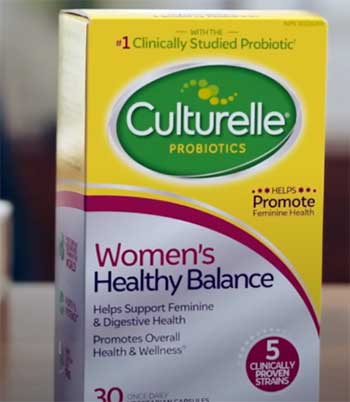
Pros of Culturelle Probiotic
- Lactobacillus rhamnosus GG is the most extensively studied strain worldwide: proven effective for immunity and gut health in over 1,000 publications, building unmatched trust.
- High CFU count (10-15 billion) delivers robust and quick support: accelerates colonization for noticeable benefits in daily wellness routines.
- Wide variety of forms including chewables and packets: excellent for kids and adults who prefer alternatives to capsules.
- Inulin prebiotic in select formulas feeds beneficial bacteria: promotes sustained growth and longer-term gut balance.
- Strong track record in reducing cold duration and severity: reliable seasonal defense for frequent illnesses.
- Dairy-free and gluten-free across the line: highly inclusive for various allergies and dietary preferences.
- Daily packets designed to mix seamlessly into food or drinks: adds versatility for creative or picky consumption.
- Dedicated pediatric formulas that are safe and effective: perfect for supporting children’s developing immune systems.
- Budget-friendly pricing structure for ongoing use: makes long-term incorporation realistic without strain.
- Additional support for vaginal health in women: provides holistic benefits beyond just digestion.
Cons of Culturelle Probiotic
- Higher CFU count can cause temporary digestive upset like bloating: common in beginners as the system adjusts to new flora.
- Less specifically targeted for acute diarrhea or IBS compared to yeast strains: functions more as general rather than precision relief.
- Flavored options often contain added sugar: not always ideal for low-carb or strict sugar-monitoring diets.
- Requires truly consistent daily use to maintain immunity perks: not designed as an instant or occasional fix.
- Adult product varieties somewhat limited compared to kid focus: heavier emphasis on younger users in the lineup.
- Culturelle’s pros establish it as a versatile immunity champion, with extensive research and forms suiting all ages for preventive care.
- You appreciate the depth of studies backing its claims for reliable daily support.
- Cons highlight its generality, making it better for ongoing maintenance than acute crisis intervention.
Florastor Probiotic Vs. Culturelle: Head-to-Head Comparison for Diarrhea Prevention and Gut Restoration After Antibiotics
Florastor and Culturelle both target gut harmony but approach it from completely different angles due to their unique strains.
Florastor’s Saccharomyces boulardii yeast excels in preventing and managing diarrhea from antibiotics or travel, surviving harsh conditions to restore balance rapidly.
Culturelle’s Lactobacillus rhamnosus GG bacteria focuses on building immunity and supporting general digestion over time.
Florastor shines in acute recovery scenarios like medication side effects; Culturelle thrives in daily preventive maintenance and cold defense.
You choose Florastor when facing known disruptions like prescriptions or trips, Culturelle for steady all-year resilience against bugs.
Florastor’s clinical studies emphasize diarrhea reduction; Culturelle’s vast research covers broader immunity and recovery.
In my personal tests, Florastor fixed medication fallout swiftly, while Culturelle kept minor issues from arising.
For antibiotic users, Florastor provides unmatched compatibility; for everyday wellness, Culturelle delivers consistency.
You notice Florastor’s yeast doesn’t compete with meds, Culturelle’s bacteria integrates long-term.
Both shelf-stable, but Florastor’s packets offer mixing flexibility.
Analytically, Florastor acts as crisis intervention, Culturelle as lifestyle guardian.
You see Florastor as the specialist for tough times, Culturelle the generalist for routine health.
Also Read: My Experience With Garden of Life Probiotics
Florastor Probiotic Vs. Culturelle: Which is Better for Kids and Family Digestive Health Support
Culturelle offers appealing kid-friendly chewables and flavored options that make dosing fun and straightforward for little ones.
Florastor provides packets that mix into food, but lacks the same chewable variety for younger palates.
Culturelle’s GG strain supports children’s developing immunity during school or playdate seasons.
Florastor targets diarrhea prevention in families facing meds or travel risks.
You lean toward Culturelle for daily family use across ages, Florastor for situational protection like vacations.
Chewables dissolve safely without choking concerns; packets blend discreetly into yogurt or juice.
Culturelle’s gluten-free status accommodates household allergies easily.
Florastor’s yeast works during pediatric antibiotics.
You find Culturelle the go-to family staple for ongoing support, Florastor the reliable backup for disruptions.
Florastor Probiotic Vs. Culturelle: Cost and Value Analysis for Long-Term Wellness and Short-Term Use
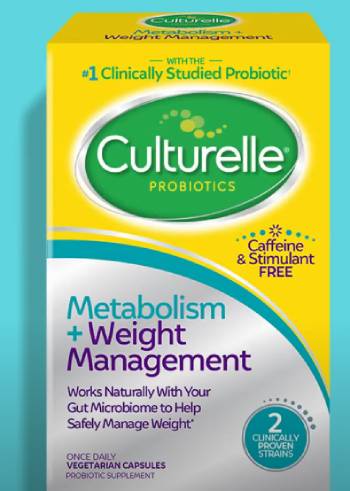
Florastor typically costs $20-35 monthly for its yeast-based precision in targeted scenarios.
Culturelle matches at $20-35, providing higher CFU and more form options for broader application.
Florastor’s value emerges in preventing costly disruptions like missed work from diarrhea.
Culturelle’s affordability supports continuous daily use without fatigue.
You weigh acute needs vs chronic—Florastor investment for crises, Culturelle for sustained routine.
Six months Florastor $150 focused; Culturelle $150 versatile.
Value Florastor intense protection, Culturelle consistent prevention.
Florastor Probiotic Vs. Culturelle: Strain Science and Clinical Backing for Informed Decisions
Florastor’s boulardii yeast backed by strong studies on antibiotic and traveler’s diarrhea reduction.
Culturelle’s GG boasts 1,000+ publications on immunity enhancement and gut support.
Florastor blocks pathogens and toxins directly; Culturelle crowds out bad bacteria while boosting defense.
You select Florastor for evidence in disruption prevention, Culturelle for comprehensive daily research.
Florastor’s trials highlight survival rates; Culturelle’s on illness shortening.
Both live cultures, Florastor yeast endures acids.
You benefit Florastor specificity, Culturelle breadth.
Florastor Probiotic Vs. Culturelle: Side Effects and Tolerance for Sensitive Gut Users
Both may cause initial gas, Florastor’s yeast often gentler for fungal concerns.
Culturelle’s higher count potentially overwhelming starters.
Florastor ideal with antibiotics; Culturelle restores afterward.
You start low, monitor closely.
Florastor for sensitive recovery; Culturelle robust maintenance.
No major long-term issues, stop if severe.
You consult for conditions.
Also Read: My Experience With Good Belly Probiotics
Frequently Asked Questions (FAQs)
Culturelle uses Lactobacillus rhamnosus GG (bacteria) for immunity and digestion. Florastor uses Saccharomyces boulardii (yeast) for diarrhea prevention, especially with antibiotics. Culturelle: preventive immunity. Florastor: acute gut protection.
Saccharomyces boulardii from Jarrow, NOW Foods, or Klaire Labs matches Florastor’s yeast strain and diarrhea benefits.
Florastor is yeast-based, survives antibiotics, targets diarrhea. Bacterial probiotics (like Culturelle) focus on immunity and flora balance but may die during meds.
Yes, they’re safe together. Yeast (Florastor) + bacteria (Culturelle) complement for full support. Common post-antibiotics. Consult doctor if needed.
Final Thoughts
As I conclude this comparison, Florastor and Culturelle both impressed me for gut health, but your choice hinges on symptoms—Florastor for diarrhea, Culturelle for immunity.
You now have the insights to pick wisely for better digestion and wellness.