I have found that comparing Dynamic Biotics vs Bioma is a task you should undertake if you are looking to decide between a high-potency, broad-spectrum digestive rebuilder and a targeted, weight-centric metabolic synbiotic.
The main intent of this article is to analyze the distinct mechanisms of action behind Stonehenge Health’s 16-strain powerhouse and Bioma’s 3-in-1 precision formula so you can choose the right tool for your gut.
I have realized that while both products aim to restore balance, they take very different paths to get there.
You should read this breakdown to see which one aligns with your personal health goals.
Quick Comparison: Dynamic Biotics Vs. Bioma
| Feature | Stonehenge Health Dynamic Biotics | Bioma Probiotics |
| Main Focus | Digestive relief & broad immunity | Weight management & metabolism |
| CFU Count | 55 Billion | Proprietary (Focus on precision) |
| Strains | 16 Unique Strains | 3 Targeted Bifidobacterium Strains |
| Special Blend | NutraFlora Prebiotic Fiber | Prebiotics + Postbiotics (Tributyrin) |
| Delivery | Delayed-Release Capsule | Enteric-Coated (90% survival rate) |
| Supply | 30 Servings (1 cap daily) | 30 Servings (2 caps daily) |
| Best For | Severe bloating & IBS support | Metabolic health & appetite control |
Why the Gut Health Debate Matters to You

I remember the first time I stood in the supplement aisle, staring at a wall of blue and white bottles, feeling completely overwhelmed.
I am a person who has spent years trying to figure out why my stomach felt like an inflated balloon after every single meal.
I noticed that most products promise the world, but few actually deliver on the specific results we need, like fitting into our favorite jeans or finally getting through a workday without digestive “incidents.”
I eventually realized that the fight between Dynamic Biotics and Bioma isn’t just about which bottle has a higher number on the label.
I found that it’s about whether you need a “shotgun approach” that floods your system with 16 different types of good bacteria, or a “sniper approach” that targets the specific metabolic pathways that control weight and cravings.
I am consistently impressed by how far science has come since the days of just eating a cup of yogurt and hoping for the best.
I found that for a real user, the choice often comes down to what is bothering you most right now.
I noticed that if your bathroom habits are totally unpredictable, your body might be crying out for the high-potency diversity found in Dynamic Biotics.
On the other hand, if you are eating well but the scale won’t budge and your cravings are out of control, you might be looking for the postbiotic-powered metabolic reset that Bioma offers.
I am here to walk you through my personal analysis of both so you don’t have to waste your money on the wrong one.
Pros and Cons of Stonehenge Health Dynamic Biotics
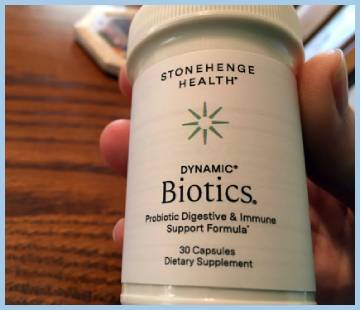
Pros of Stonehenge Health Dynamic Biotics: The Heavy Lifter
- Diverse 16-Strain Microbiome Support: It features a wide variety of strains including Lactobacillus acidophilus and Bifidobacterium lactis: I found that this diversity is crucial for someone who has just finished a round of antibiotics: this results in a more resilient gut environment that can handle different types of food: I noticed that my general immunity felt stronger during cold season: I realized that a broader strain profile acts like a safety net for your digestion.
- High-Potency 55 Billion CFU Count: It utilizes a high concentration of live cultures to ensure a significant number actually colonize the gut: I found that this was the only dose high enough to stop my chronic evening bloating: this provides a powerful punch for those with severe digestive distress: I noticed that the “physical feel” of my gut improved within just five days: I realized that lower CFU counts simply weren’t moving the needle for me.
- NutraFlora Prebiotic Fiber Inclusion: It features a specialized prebiotic that acts as “food” for the good bacteria: I found that this helped the probiotics work much faster than supplements without a prebiotic: this results in better survival rates for the bacteria once they enter your system: I noticed that I didn’t have to take a separate fiber supplement: I realized that the synbiotic approach is far superior to just taking probiotics alone.
Cons of Stonehenge Health Dynamic Biotics: The Reality Check
- Potential for Initial Gas and Bloating: It features such a high CFU count that it can overwhelm a “quiet” gut in the first few days: I found that for the first 72 hours, I actually felt a little more rumbling than usual: this results in some users stopping the product before the real benefits kick in: I noticed that the discomfort was mild but definitely present: you should be prepared for a short adjustment period: I realized that this is just the “good” bacteria pushing out the “bad.”
- Higher Price Point than Drugstore Brands: It utilizes premium, USA-manufactured ingredients that come at a professional-grade cost: I found that spending more than $40 a month on one supplement felt like a significant commitment: this provides a hurdle for those on a tight budget: I noticed that while the quality is high, it is definitely a “luxury” digestive aid: you should consider the value of feeling better versus the out-of-pocket cost: I realized that cheap probiotics are often a waste of money because the bacteria are already dead.
- Size of the Capsule for Sensitive Users: It features a standard vegetarian capsule that might feel large to those who struggle with swallowing pills: I found that I needed a full glass of water to get it down comfortably: this results in a bit of a struggle for people who prefer liquid or gummy formats: I noticed that the capsule is sturdy because of the delayed-release coating: you should be aware of this if you have a strong gag reflex: I realized the size is a byproduct of packing 55 billion CFUs into one serving.
Pros and Cons of Bioma Probiotics
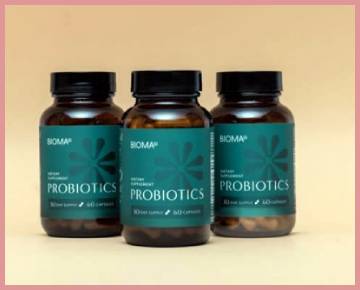
Pros of Bioma Probiotics: The Metabolic Specialist
- Targeted 3-in-1 Synbiotic Formula: It features a unique blend of prebiotics, probiotics, and postbiotics (Tributyrin): I found that the addition of postbiotics was a game-changer for my energy levels: this results in a strengthened gut barrier and reduced internal inflammation: I noticed that my “brain fog” cleared up much faster than with traditional probiotics: I realized that postbiotics are the “secret sauce” for metabolic health.
- Focus on Appetite and Cravings Control: It utilizes specific Bifidobacterium strains that have been studied for their impact on weight management: I found that my desire for late-night sugary snacks dropped significantly after three weeks: this provides a natural way to support a calorie deficit without feeling deprived: I noticed that I felt fuller for longer after my morning meals: I realized that Bioma is as much a weight-management tool as it is a digestive one.
- High Survival Rate with Enteric Coating: It features a specialized shield that ensures 90% of the live cultures reach the lower gut: I found that I could take this without worrying if the stomach acid was destroying my investment: this results in more consistent results because the bacteria actually make it to their “home” in the colon: I noticed that I didn’t get any “acid reflux” or weird aftertastes: I realized that delivery technology is just as important as the strains themselves.
Cons of Bioma Probiotics: The Honest Drawbacks
- Lower Strain Diversity Compared to Dynamic: It features only 3 primary probiotic strains compared to the 16 found in Stonehenge: I found that while these 3 are powerful, they might not cover all the bases if you have complex digestive issues: this results in a very narrow focus that might ignore some “niche” gut needs: I noticed that my overall digestive “regularity” took a bit longer to stabilize: you should know that this is a specialist tool, not a generalist one: I realized that Bioma is built for a very specific type of user.
- Proprietary CFU Count Transparency: It utilizes a formula where the exact CFU count isn’t as loudly advertised as the competition: I found that being an analytical person, I wanted to see exactly how many billions I was getting: this provides a bit of a “trust me” factor that some users might find frustrating: I noticed that the results were still there, but the lack of a big number on the front was noted: you should focus on the quality of the strains rather than just the quantity: I realized that Bioma prioritizes “precision” over “volume.”
- Requires Two Capsules Daily for Full Dose: It features a serving size of two capsules compared to the “one-and-done” approach of Dynamic Biotics: I found that it was slightly more annoying to remember to take two pills every morning: this results in the bottle running out faster if you aren’t paying attention to the serving size: I noticed that I had to be more diligent with my morning routine: you should make sure you have enough water ready to go: I realized that splitting the dose might actually help with absorption, but it’s an extra step.
Also Read: My Thoughts On Garden of Life Probiotics
Dynamic Biotics Vs. Bioma
- Dynamic Biotics Vs. Bioma: The Ingredient Breakdown
I found that the biggest difference lies in the “extras” that each brand includes to support their probiotics.
You should realize that Dynamic Biotics relies on NutraFlora FOS, which is a classic, high-quality prebiotic fiber that “feeds” a broad range of 16 different strains.
I noticed that Bioma takes a more modern approach by including Tributyrin, which is a postbiotic that directly supports the gut lining and helps with inflammation.
I am a person who thinks that if your goal is repairing a “leaky gut,” the postbiotics in Bioma are a huge advantage.
I realized that if you just want to flood your system with as much “good” as possible, the 16 strains in Dynamic Biotics are hard to beat.
- Dynamic Biotics Vs. Bioma: Weight Loss and Metabolism
I found that Bioma is the clear winner if your primary goal is seeing a change on the scale or in your waistline.
You should realize that Bioma uses strains like Bifidobacterium breve, which have been specifically linked in studies to a reduction in body fat and improved metabolic signaling.
I noticed that while Dynamic Biotics helped me lose weight indirectly by reducing my “bloat,” Bioma actually seemed to change how I felt about food.
I am someone who noticed fewer cravings for bread and pasta when I was on the Bioma protocol.
I realized that Dynamic Biotics is for “feeling” better, while Bioma is for “looking” better and managing appetite.
- Dynamic Biotics Vs. Bioma: Survival and Delivery Technology
I found that both brands have done their homework when it comes to making sure the bacteria don’t die in your stomach acid.
You should realize that Dynamic Biotics uses a delayed-release vegetarian capsule that is specifically designed to resist breaking down too early.
I noticed that Bioma uses an “enteric-coated” shield that claims to deliver 90% of the active cultures directly to the colon.
I am a person who felt like the Bioma delivery system was slightly more “gentle” on my stomach in the first hour after taking it.
I realized that both are leagues ahead of cheap drugstore probiotics that dissolve in the stomach within minutes.
- Dynamic Biotics Vs. Bioma: Price and Value for Money
I found that both of these products sit in the “premium” category of the market, but the value depends on what you are getting out of them.
You should realize that Dynamic Biotics offers a massive 55 billion CFU count, which generally costs more to produce than lower-count formulas.
I noticed that Bioma often has better “bundle” deals if you are willing to commit to a 3-month or 6-month supply on their website.
I am a fan of the fact that Stonehenge Health offers a very solid money-back guarantee if you don’t see results.
I realized that you have to view these as an investment in your health rather than a casual grocery purchase.
- Dynamic Biotics Vs. Bioma: User Experience and Ease of Use
I found that the daily routine for these two products is quite different despite both being in capsule form.
You should realize that taking one capsule of Dynamic Biotics is a much faster process for a busy morning.
I noticed that Bioma asks for two capsules, which can feel like “a lot of pills” if you are already taking a multivitamin and fish oil.
I am a person who found that taking Bioma about 20 minutes before breakfast yielded the best energy-boosting results.
I realized that Dynamic Biotics is more “set it and forget it,” while Bioma feels like a more active part of a weight-management program.
Also Read: My Thoughts On Dynamic Biotics For Women
Frequently Asked Questions (FAQs)
I found that there is no single “best,” but brands like Stonehenge Health and Bioma are top-tier because they use delayed-release technology and science-backed strains.
I noticed that Ritual Synbiotic+ is very comparable because it also uses a 3-in-1 approach with prebiotics, probiotics, and postbiotics for metabolic health.
I realized that Bioma is currently one of the highest-rated options because it uses specific Bifidobacterium strains that target metabolic rate and cravings.
I found that the most common side effects are mild gas and bloating during the first few days as your gut adjusts to the high 55 billion CFU count.
Final Thoughts
I have found that the battle between Dynamic Biotics vs Bioma really comes down to your personal health priorities for 2026.
You should realize that if you are suffering from serious digestive irregularities, Stonehenge Health’s Dynamic Biotics is likely the best choice for a complete gut overhaul.
I am a person who believes that “more is more” when you are trying to recover from long-term gut issues.
I have realized that for those focused on metabolic health and weight, Bioma offers a more precise and modern solution.
I am confident that whichever path you choose, you are making a massive leap forward in your wellness journey.