When you are deciding between a high-end luxury label and a transparent, budget-friendly brand, the choice between dōTERRA vs Plant Therapy is essentially a debate between the “prestige” of the MLM world and the “practicality” of direct-to-consumer retail.
I have spent months analyzing the chemical profiles and sourcing ethics of both giants to bring you this definitive comparison.
My intent is to provide an analytical perspective on whether you should invest in the “Gift of the Earth” or opt for the scientifically-backed transparency of Plant Therapy.
You should read this to understand where your money actually goes—into the oil or into the pyramid.
Comparison Table: dōTERRA Vs. Plant Therapy
| Feature | dōTERRA | Plant Therapy |
| Business Model | Multi-Level Marketing (MLM) | Direct-to-Consumer (Retail) |
| Quality Standard | CPTG (Certified Pure Tested Grade) | GC/MS Tested (Third-Party) |
| Testing Transparency | Source To You (Batch Look-up) | Public GC/MS reports for every oil |
| Price Point | High ($28–$35 for Lavender) | Low ($10–$15 for Lavender) |
| Safety Focus | Promotes Internal Use (Often) | KidSafe Line / Dilution Guides |
| Aromatherapists | Independent Distributors | Certified Staff Aromatherapists |
| Sourcing | Co-Impact Sourcing (Global) | Direct Sourcing / Organic Options |
My experience with dōTERRA and Plant Therapy
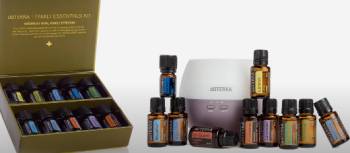
I remember the first time I walked into a friend’s home and was greeted by the overwhelming, citrusy scent of dōTERRA’s Wild Orange; it felt like a luxury spa experience had been bottled up and delivered to a suburban kitchen.
I am someone who started my aromatherapy journey through the MLM world because the community aspect is incredibly seductive.
The dōTERRA experience is very high-touch; you usually have a “wellness advocate” who walks you through every oil, provides recipes, and checks in on your progress.
However, I noticed that my “prescribed” routine was becoming incredibly expensive, and the pressure to buy a $150 starter kit just to get a discount felt analytically unsound.
When I finally tried Plant Therapy, I felt like I had found the industry’s best-kept secret.
The experience was much more clinical and focused on education rather than lifestyle marketing.
I remember opening my first bottle of Plant Therapy Lavender and comparing it side-by-side with my dōTERRA bottle.
To my nose, the scent was virtually identical—the same floral, herbaceous notes without any chemical “off” smells.
I am a stickler for data, so I went to the Plant Therapy website and was able to download the PDF of the actual Gas Chromatography-Mass Spectrometry (GC/MS) report for that specific batch of oil.
Knowing exactly which chemical constituents were present in my bottle for less than half the price of the competitor changed my entire perspective on brand loyalty.
Over the last few years, I have used dōTERRA for their proprietary blends like “On Guard,” which I find has a very specific, spicy kick that is hard to replicate.
But for my day-to-day singles like Peppermint or Lemon, I have moved almost entirely to Plant Therapy.
I’ve found that the KidSafe labels on Plant Therapy bottles take the guesswork out of diffusing around my family, whereas with dōTERRA, I always felt like I had to do an hour of homework to make sure an oil was safe for my toddler.
You will find that while dōTERRA feels like a “club,” Plant Therapy feels like a “pharmacy”—reliable, transparent, and focused on the science of the plant rather than the growth of a sales team.
Maintenance and tips for essential oil safety and longevity
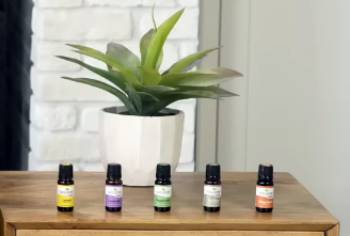
Whether you choose a premium MLM or a retail brand, your oils are delicate chemical compounds that require specific handling.
- Always Dilute for Topical Use: No matter what a distributor tells you, essential oils should never be applied “neat” to the skin. You should maintain a 1% to 2% dilution (6-12 drops per ounce of carrier oil) to prevent long-term sensitization and skin burns.
- Store in Amber Glass: Sunlight is the enemy of essential oils. You should keep your bottles in their original amber or cobalt glass containers and store them in a cool, dark drawer. Heat and UV light will oxidize the oils, making them lose their therapeutic properties and potentially irritating to the skin.
- Keep Out of Reach of Pets and Children: Just because an oil is “natural” doesn’t mean it is safe for everyone. You should be especially careful with oils like Peppermint, Eucalyptus, and Tea Tree, which can be toxic to cats and dogs or cause respiratory issues in infants.
- Watch the “Best By” Date on Citrus: Citrus oils have a very short shelf life because they oxidize quickly. You should aim to use up your Lemon, Grapefruit, and Orange oils within one year of opening to ensure they are still safe for topical application.
- Avoid Plastic Diffusers and Containers: Essential oils are powerful solvents that can degrade cheap plastics. You should only use high-quality ultrasonic diffusers with BPA-free plastic reservoirs or glass nebulizers to ensure you aren’t breathing in plastic fumes along with your oils.
Pros and Cons of using dōTERRA
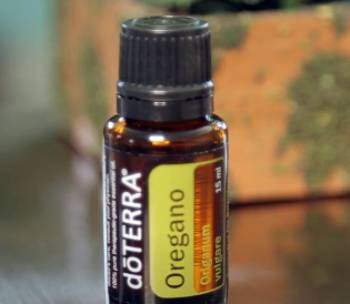
Pros of using dōTERRA: The luxury benchmark
- Proprietary CPTG Standard: While they created the term themselves, dōTERRA’s Certified Pure Tested Grade protocol involves multiple stages of testing to ensure no fillers or contaminants ever reach the bottle.
- Co-Impact Sourcing Model: You are supporting a global network of farmers; dōTERRA works directly with growers in over 40 countries, often in developing nations, to ensure ethical wages and sustainable harvesting.
- High-Quality Proprietary Blends: Many of their blends, such as “Deep Blue” and “Breathe,” have achieved legendary status for their effectiveness and specific, pleasing aromas that indie brands struggle to match.
- Robust Education and Support: When you buy from dōTERRA, you are often buying into a community of users who provide endless DIY ideas, safety protocols, and emotional support.
- Strict Sourcing for Potency: They prioritize the “chemotype” of a plant, meaning they source lavender from where it grows best (Bulgaria and France) to ensure the chemical therapeutic properties are at their peak.
Cons of dōTERRA: The trade-offs
- The High Cost of Membership: To get the best prices, you have to pay an annual fee or purchase a large kit, which can feel like a financial “trap” for a casual user: this makes the price-per-drop significantly higher.
- Aggressive Marketing for Internal Use: dōTERRA often encourages users to put oils in their water or take them in capsules, a practice that many clinical aromatherapists consider risky without professional supervision: this can lead to stomach lining irritation.
- The MLM Social Pressure: Many users feel uncomfortable with the “business opportunity” aspect of the brand, where every purchase feels like a recruitment pitch: this takes the relaxation out of the aromatherapy experience.
- Lack of Public Batch Reports: While they have the “Source To You” site, they don’t always provide the full, raw GC/MS data as readily as retail competitors do: this can feel less transparent to analytical buyers.
- Limited “Kid-Specific” Guidance: While they have a kids’ collection, their general labeling isn’t as clear as the KidSafe® system regarding age-appropriate usage for their entire catalog: this requires more independent research.
Also Read: My Experience With Rocky Mountain Oils
Pros and Cons of using Plant Therapy
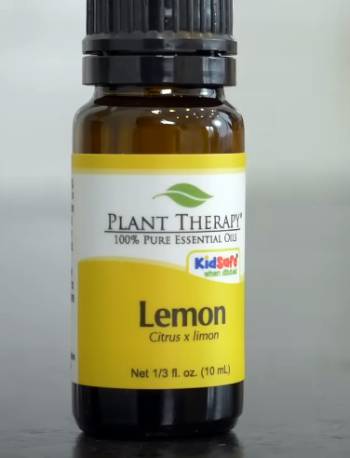
Pros of using Plant Therapy: The transparency champion
- Unmatched Price-to-Quality Ratio: You are essentially getting the same purity as the luxury brands without the 50% “MLM markup” that goes toward paying commissions to distributors.
- Public GC/MS Reports: For every single bottle, you can look up the batch code and see the third-party lab results immediately; this level of radical transparency is the gold standard for savvy consumers.
- KidSafe® Line: Formulated by world-renowned aromatherapist Robert Tisserand, this line identifies exactly which oils are safe for children under ten, which is a massive safety win for parents.
- Certified Aromatherapists on Staff: If you have a question, you can contact the company and speak with a professional who is trained in clinical aromatherapy, not just a neighbor who sells oils on the side.
- Massive Selection of Organic Oils: They offer one of the largest selections of USDA Certified Organic essential oils on the market, catering to those of you who want to avoid even the smallest trace of pesticides.
Cons of Plant Therapy: The trade-offs
- No In-Person Community: You miss out on the local “oil parties” and personal mentorship that comes with an MLM: this might make the journey feel a bit lonely for those of you who thrive on social interaction.
- Fewer “Lifestyle” Accessories: While they are expanding, they don’t have as many oil-infused supplements or specialized household cleaners as the dōTERRA ecosystem: this means you might have to shop at multiple stores.
- Packaging is Less “Premium”: The labels and bottles are functional but don’t have the “luxury aesthetic” that makes dōTERRA bottles look so nice on a bathroom vanity: this is a minor trade-off for the lower price.
- Frequent Out-of-Stock Items: Because they are so popular and don’t have the massive inventory of a multi-billion dollar MLM, their most popular organic oils can sometimes go out of stock during peak seasons: this requires a bit of patience.
- Learning Curve for New Users: Since you don’t have a personal advocate, you are responsible for your own education: this means you have to be diligent about reading their blog and safety guides to avoid misuse.
Also Read: Comparison Of Rocky Mountain Oils Vs. Young Living
Frequently Asked Questions (FAQs)
Analytically, “best” is subjective, but brands like Plant Therapy, Rocky Mountain Oils, and Edens Garden are top-rated for quality because they provide batch-specific, third-party GC/MS reports to prove purity.
Yes, Rocky Mountain Oils is highly regarded for its S.A.A.F.E. Promise, ensuring that every bottle is 100% pure, natural, and free from any synthetic fillers or adulterants.
You should avoid “fragrance oils” or brands sold at “dollar stores” and gas stations that do not list the botanical name, country of origin, or provide third-party testing data.
Young Living has faced several lawsuits, most notably a class-action suit alleging it operated as an unlawful pyramid scheme, as well as legal trouble regarding the illegal trafficking of protected plants like Rosewood.
Final Thoughts
The choice between dōTERRA vs Plant Therapy comes down to whether you value the community and convenience of an MLM or the transparency and value of a retail brand.
I have found that for the vast majority of people, Plant Therapy provides the exact same therapeutic benefit as dōTERRA for a fraction of the cost, making it the more analytical choice.
However, you should buy dōTERRA if you enjoy the personal mentorship of a wellness advocate and want to participate in their extensive global sourcing and charity initiatives.
I believe that the most important factor is the data; as long as you can see a third-party lab report, you can feel confident in what you are putting into your body.
You should decide based on your budget and your desire for social connection, but always prioritize safety and dilution to ensure your aromatherapy journey is as healing as possible.