Finding a solution for those annoying skin tags often leads many of us toward the world of at-home removal kits that promise a quick fix without the doctor’s visit.
I have spent a significant amount of time analyzing various topical treatments to see which ones actually offer a safe and effective result for your skin.
In this article, I am providing an analytical DermaRX skin tag remover review to help you decide why you should buy a more reliable alternative instead of this specific product.
You deserve a skincare solution that is transparent about its ingredients and consistent in its results every single time you use it.
My Personal Experience with DermaRX Skin Tag Remover
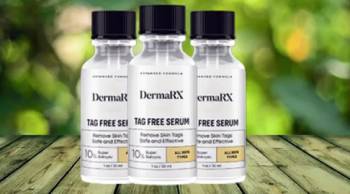
When I first noticed a few small skin tags appearing on my neck and underarm area, my primary goal was to find a non-invasive way to handle them at home.
The marketing for DermaRX seemed promising, as it touted a “professional strength” formula that claimed to dry out the tags until they simply fell off.
I ordered the bottle and was ready to follow the instructions to the letter, hoping for a clear and smooth result within a week or two.
Upon opening the package, the first thing I noticed was a very strong, almost medicinal odor that made me a bit hesitant about applying it to my more sensitive skin areas.
I applied the liquid precisely as directed, using a small applicator to ensure I wasn’t getting the formula on the surrounding healthy skin.
For the first few days, I noticed a slight tingling sensation, which I initially interpreted as the product “working” to penetrate the tag.
However, by day four, the skin tag hadn’t changed in color or size, but the skin around the area began to look quite red and felt increasingly irritated.
I found that the liquid didn’t stay in place very well; it had a tendency to run, which made it very difficult to target only the tag itself.
Instead of seeing the tag dry up and turn black as promised, I ended up with a crusty layer over the tag that didn’t seem to be doing much beneath the surface.
I continued the application for another week, but the persistent irritation became too much to ignore, and I eventually had to stop the treatment.
I was disappointed to see that after ten days of consistent use, the skin tags were still firmly attached, and my skin looked worse than when I started.
Looking back at various user feedbacks, I realized that my experience with the lack of efficacy and the high potential for skin irritation was unfortunately quite common.
When you are dealing with your skin, you want a product that feels sophisticated and safe, but this felt more like a harsh chemical experiment.
I have since moved on to other methods that utilize different technologies because the liquid-only approach of this specific brand failed to deliver on its core promises for my needs.
If you are looking for a reliable transformation, my journey suggests that this particular path might lead to more frustration than results.
Maintenance Tips and Skin Care After Treatment
When you are attempting to remove a skin tag at home, the maintenance of the site is actually more important than the treatment itself to prevent scarring.
I have found that the most important maintenance tip is to always clean the area with mild, fragrance-free soap before and after any application.
You should avoid picking at the tag as it begins to dry out; forcing it to fall off before it is ready will almost certainly lead to a permanent mark.
If you notice excessive redness or a burning sensation that lasts more than a few minutes, you must wash the area immediately and stop using the product.
I suggest applying a thin layer of petroleum jelly or a thick barrier cream to the healthy skin surrounding the tag before you apply any liquid remover.
This creates a physical shield that prevents the caustic ingredients from touching the skin that doesn’t need treatment.
Keep the treated area out of direct sunlight, as the chemicals can make your skin more photosensitive and lead to dark spots or hyperpigmentation.
Always use a fresh cotton swab or a clean applicator for every single use to avoid introducing bacteria into the bottle or onto your skin.
If the tag does eventually fall off, treat the remaining spot like a small wound; keep it clean and apply a simple antibiotic ointment and a small bandage.
I recommend waiting at least twenty-four hours after the tag is gone before applying any makeup or scented lotions to that specific spot.
You should also track the progress of the tag with photos every few days to see if any unusual changes in color or shape are occurring.
By being proactive with your skin’s health, you reduce the risk of infection and ensure that your skin recovers as quickly as possible.
Proper maintenance is about patience and protection, ensuring that the removal of one small tag doesn’t lead to a much larger skin issue.
Taking these steps will help you manage the site effectively, even if the product you are using isn’t as efficient as you had hoped.
Pros and Cons: An Analytical Breakdown
Evaluating an at-home medical treatment requires a balance between the promised benefits and the reality of the user experience recorded across the market.
Pros
- Low Entry Cost: This product is often one of the most affordable options on the market for those who are on a strict budget.
- Simple Application: The liquid format is easy to understand and doesn’t require any specialized tools or complicated assembly of bands.
- Discreet Usage: You can apply the clear liquid at home without having to wear a visible bandage or a silicone band on your skin.
- Targeted for Small Tags: The liquid can be dabbed onto very tiny tags that might be too small for mechanical ligation devices.
- Fast Shipping: Many online retailers provide quick delivery for this brand, making it a “quick” attempt at a fix.
- Non-Invasive: It doesn’t involve any cutting or physical pulling of the skin, which appeals to those who are squeamish about mechanical removal.
Cons
- Chemical Irritation: The formula is quite harsh and frequently causes redness, itching, and even minor burns on the healthy skin surrounding the tag.
- Inconsistent Results: A large number of users report that the product did nothing to the tag even after weeks of daily, diligent application.
- Strong Odor: The medicinal scent is very powerful and can be off-putting for those who are sensitive to smells or want to wear it in public.
- High Risk of Running: The liquid consistency is very thin, which means it often drips or moves from the tag onto sensitive skin areas.
- Slow Efficacy: Unlike freezing or banding, this method requires a long commitment of multiple applications per day over a period of weeks.
- Lack of Safety Tools: The kit does not typically include skin guards or protective barriers to help the user isolate the tag properly.
- Ambiguous Ingredient Profile: It can be difficult to find a clear, detailed breakdown of the chemical concentrations used in the liquid.
DermaRX Skin Tag Remover Vs. Other Brands
- DermaRX Skin Tag Remover Vs. TagBand
The TagBand device uses a completely different mechanism called ligation, which involves placing a tiny silicone band around the base of the skin tag.
I found that TagBand is much more predictable because it physically cuts off the blood supply to the tag, rather than relying on a chemical reaction.
DermaRX attempts to burn or dry the tag with liquids, which often leads to the irritation of the surrounding healthy tissue that I experienced.
TagBand is generally considered a cleaner and more direct method for those who want to avoid strong-smelling topical acids.
While DermaRX is easier to apply to very small tags, TagBand offers a higher success rate for medium to large-sized skin growths.
- DermaRX Skin Tag Remover Vs. Compound W Skin Tag Removal
Compound W is a household name in the world of wart and tag removal, and their kit uses a specialized foam-tip applicator for cryotherapy.
This method essentially freezes the tag, which is a technique often used by dermatologists in their offices for a quick and effective removal.
I noticed that Compound W provides a much more structured kit with clear safety instructions and protective shields to prevent skin damage.
DermaRX lacks this level of professional packaging and safety precision, leaving much more room for user error and accidental skin burns.
If you want a brand with a long history of clinical safety, Compound W is a far more stable choice than the DermaRX formula.
- DermaRX Skin Tag Remover Vs. Amarose Skin Tag Remover
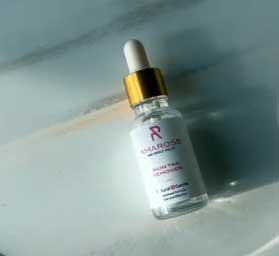
Amarose is another topical serum that has gained a lot of attention for its “natural” approach using Zincum Muriaticum and Sanguinaria Canadensis.
While Amarose also has its share of mixed reviews, the application process feels a bit more refined and less caustic than the DermaRX liquid.
I found that Amarose tends to be marketed as a luxury serum, whereas DermaRX feels like a more budget-oriented, generic chemical solution.
However, both products struggle with the same issue: topical serums often take much longer to work than physical removal methods like freezing or ligation.
Between the two, Amarose seems to have a slightly better reputation for not causing immediate, aggressive redness on the surrounding skin.
- DermaRX Skin Tag Remover Vs. Dr. Scholl’s Freeze Away
Dr. Scholl’s Freeze Away is a direct competitor to the freezing methods, utilizing a localized cooling effect to kill the tissue of the tag.
I found that the Dr. Scholl’s applicator is much easier to handle than the messy liquid drops that come in a DermaRX bottle.
Freezing is often a “one-and-done” application, whereas DermaRX requires you to apply the liquid multiple times a day for several weeks.
The convenience factor alone makes the freezing method much more appealing for a busy person who doesn’t want a long, drawn-out treatment.
Dr. Scholl’s also has the benefit of being widely available in physical drugstores, which adds a layer of consumer trust that DermaRX lacks.
- DermaRX Skin Tag Remover Vs. Micro TagBand
Micro TagBand is the smaller version of the original device, specifically designed for those tiny tags that appear around the neck and eyelids.
I noticed that the Micro TagBand provides a physical solution that doesn’t involve any harsh chemicals, acids, or strong medicinal odors.
DermaRX is often too liquid and runny to safely use near the eyes or in tight skin folds where the formula can easily migrate.
The Micro TagBand keeps the treatment localized to the tag itself, ensuring that the rest of your skin stays perfectly healthy and unaffected.
For precision and safety in delicate areas, the mechanical approach of the Micro TagBand is vastly superior to a topical liquid like DermaRX.
Also Read: My Experience With AnatomyOne Skin Tag Remover
Frequently Asked Questions (FAQs)
Medical professionals generally consider cryotherapy (freezing) or ligation (banding) to be the most effective and predictable at-home methods.
Dermaclear, like DermaRX, is a topical serum with very mixed reviews; some find success while many others report significant skin irritation and zero removal.
Amarose Skin Tag Remover is the brand most frequently associated with Shark Tank marketing, though it is important to verify official endorsements as many are faked.
The acetic acid in vinegar is thought to break down the skin tissue and dry out the tag, though it is often too weak or too irritating for consistent results.
Final Thoughts
Navigating the world of at-home dermatology requires a cautious eye and a preference for methods that prioritize skin safety and clinical results.
I believe that while the idea of a simple liquid remover is appealing, the reality of irritation and lack of efficacy makes this particular brand a risky choice.
If you are serious about removing your skin tags without damaging your surrounding skin, you should buy a freezing kit or a ligation device instead.
You deserve to have clear, healthy skin without the burden of annoying tags or the scars left behind by ineffective chemical treatments.