I have spent years slumped over a keyboard, slowly watching my posture deteriorate into what I can only describe as a “question mark” shape.
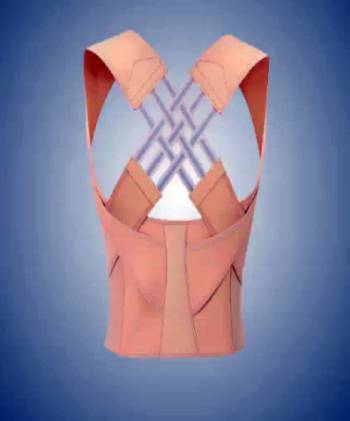
If you are looking for a reliable, breathable, and firm support system that gently reminds your shoulders to stay aligned while providing mid-back stability, you should buy the CoreCare Posture Corrector because its unique crisscross design and heavy-duty mesh construction offer a professional-grade solution that improves postural awareness without the skin irritation common in cheaper alternatives.
In this article, I will share my honest findings on how this American-made brace helped me reclaim my upright stance and why it stands out in a crowded market of flimsy straps.
My Personal Experience with the CoreCare Posture Corrector
I remember the first day I decided to unbox the CoreCare Posture Corrector; I was at a point where my upper back felt constantly tight, and I was tired of the “tech neck” that seemed to be a permanent fixture of my reflection.
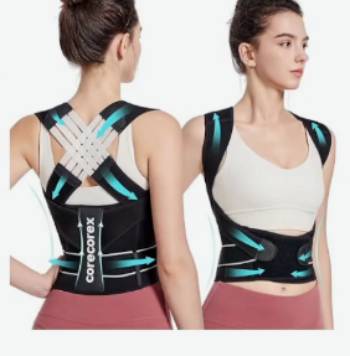
As someone who has tried a few of those thin, backpack-style correctors in the past, I was immediately struck by the substantial feel of the heavy-duty mesh and the neoprene shoulder straps.
When I first tried to put it on, I actually had to ask for a bit of help because the Velcro was incredibly secure—honestly, it felt like it was built to stay put through a hurricane.
Once I had it adjusted, I noticed that it didn’t just yank my shoulders back in a painful way; instead, it felt like a firm foundation that surrounded my mid-back and waist, providing a gentle but persistent reminder to sit tall.
I wore it while doing housework, specifically during a long afternoon of laundry and vacuuming, and I was surprised that I didn’t feel overheated or sweaty thanks to the breathable mesh construction.
I found that wearing it over a light t-shirt was the sweet spot for comfort, as the neoprene straps felt soft against my skin but still had that “seatbelt” level of durability that gave me confidence in the support.
Whenever I started to slump or scrunch my shoulders toward my ears while typing, the tension in the crisscross straps would tighten just enough to make me self-correct.
By the end of the first week, I noticed that even when I wasn’t wearing the brace, my “postural awareness” had skyrocketed; I was naturally catching myself before the slouch could take over.
It bridged the gap perfectly for me because my standard lower back braces never reached high enough to help my thoracic spine, but this CoreCare model covers that middle-to-upper territory flawlessly.
I’ve used it for several hours at a time during long computer sessions, and unlike other brands, it didn’t chafe my underarms or leave red welts on my shoulders.
It feels like a high-quality medical tool rather than a late-night infomercial gimmick, and it has genuinely become my favorite alternative for those days when my back needs a little extra structural integrity.
Maintenance Tips and Usage Advice:
- Start with Short Sessions You should begin by wearing your CoreCare Posture Corrector for only 20 to 30 minutes at a time. I find that this prevents muscle fatigue and allows your body to slowly adapt to the new alignment without feeling “forced” into position.
- Always Wear Over a Shirt Even though the neoprene is soft, I highly recommend wearing the brace over a light, breathable t-shirt. This adds an extra layer of comfort and helps absorb any moisture, keeping the brace itself cleaner for a longer period.
- Hand Wash Only To maintain the integrity of the mesh and the Velcro, you should hand wash the brace in cool water with a mild detergent. Avoid the washing machine, as the agitation can wear down the “heavy-duty” straps and cause the Velcro to pick up lint from other clothes.
- Air Dry Away from Heat After washing, lay the brace flat on a towel to air dry. Never put it in the dryer or near a radiator, as excessive heat can damage the neoprene and cause the mesh to lose its shape and resilience.
- Close the Velcro for Storage When you aren’t wearing the brace, make sure to fasten all the Velcro straps back onto themselves. This prevents the “hook” side from snagging on the mesh or other items in your gym bag or drawer.
- Check Your Alignment in a Mirror When you first put it on, stand sideways in front of a mirror to ensure your shoulders are pulled back but not “pinned” too far. You want a natural, upright look where your ears are stacked directly over your shoulders.
- Avoid Over-Tightening You should tighten the straps just enough to feel the support, but not so much that it restricts your breathing or cuts off circulation. If your fingers feel tingly or the straps are leaving deep indentations, loosen them immediately for a safer fit.
- Use During Focus Tasks I find it most helpful to wear the corrector during “high-risk” activities like long sessions at the computer, doing the dishes, or during a long commute. These are the times when our postural awareness naturally drops.
- Clean the Mesh Periodically Even if it doesn’t look dirty, the mesh can trap skin oils and dust over time. A quick soak in soapy water every two weeks keeps the material fresh and prevents any odors from developing.
- Listen to Your Body If you feel sharp pain rather than just a “muscle stretch,” take the brace off. The goal is to support your joints and muscles through their full range of motion, not to force them into an unnatural or painful configuration.
Pros and Cons of CoreCare Posture Corrector
Pros of CoreCare Posture Corrector:
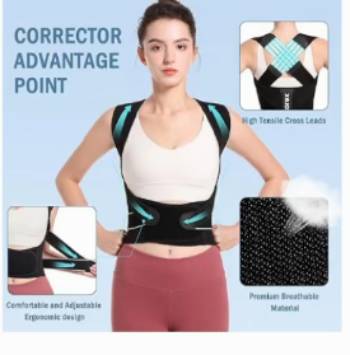
- Firm Postural Foundation: It uses a wider back panel than most competitors, which distributes pressure indirectly on the spine to avoid irritation while providing massive stability.
- Breathable Mesh Construction: The material is designed with airflow in mind, ensuring you can wear it for several hours without feeling like you are trapped in a sauna.
- Heavy-Duty Crisscross Straps: The resilient material used in the back design provides a mechanical pull that is much more effective than simple elastic loops.
- Soft Neoprene Shoulders: These straps are specifically engineered to be soft against the skin, drastically reducing the risk of underarm chafing or redness.
- Adjustable Waist Belt: The integrated belt provides a solid anchor point at the waist, ensuring the brace doesn’t “ride up” or shift out of position during movement.
- Improved Postural Awareness: It acts as a constant biofeedback loop, reminding you to engage your own muscles the moment you start to slouch or round your shoulders.
- Relieves Upper Back Tension: By placing the shoulders in proper alignment, it takes the strain off the trapezius and rhomboid muscles, which are often the source of “tech neck” pain.
- Durable Velcro Closures: The hook-and-loop fasteners are industrial strength, meaning the brace stays securely tightened exactly where you set it.
- Versatile Wearability: It is low-profile enough to be worn over a thin shirt or even under a loose sweater without being overly obvious to those around you.
- Made in the USA: You can trust the quality control and the materials, knowing that it meets high manufacturing standards and supports domestic production.
- One-Size Versatility: The adjustable nature of the straps and waist belt means it can fit a wide range of body types comfortably while providing a custom feel.
- 100% Satisfaction Guarantee: The brand stands behind the durability and effectiveness of the product, which gives you peace of mind as a consumer.
Cons of CoreCare Posture Corrector:
- Initial Adjustment Difficulty: Because the Velcro is so incredibly secure, some users might find it a bit tricky to pull apart and adjust by themselves the very first time: you might need a “buddy” to help you get the initial fit perfect.
- Stiff Straps Feel Like Seatbelts: The durability of the straps means they don’t have a lot of “give,” which is excellent for support but can feel a bit restrictive if you are used to very stretchy, low-tension braces: this requires a period of adjustment to get used to the firm sensation.
- Bulkier than Clavicle-Only Models: Because it includes a waist belt and a full back panel, it is more “brace” than “strap”: this means it is harder to hide under a tight-fitting or sheer shirt compared to smaller, less effective models.
- Strict Usage Guidelines: To prevent your muscles from becoming “lazy,” you must follow the wear-time guidelines and not wear it for 24 hours a day: this requires a level of discipline to ensure you are training your muscles rather than just relying on the brace.
- Sizing Can Be Specific: While highly adjustable, you must ensure you order the correct base size to make sure the back panel sits correctly between your shoulder blades: if the base size is off, the crisscross straps won’t provide the optimal angle for alignment.
Also Read: My Experience With TrueFit Posture Corrector
CoreCare Posture Corrector Vs. Other Brands
- CoreCare Posture Corrector Vs. ComfyBrace Posture Corrector
When I compare the CoreCare Posture Corrector to the ComfyBrace, the most obvious difference is the surface area of the support.
ComfyBrace uses a very thin, figure-eight design that focuses strictly on the clavicle area, which I found can sometimes feel like it is digging into the armpits if you move too much.
CoreCare, on the other hand, utilizes a much wider back panel and a waist belt, which distributes the pressure across a larger portion of the spine and prevents that “pinching” sensation.
I noticed that the CoreCare material feels much more breathable for 2026 standards, whereas the ComfyBrace can feel a bit like wearing a heavy backpack after about an hour of use.
If you want something that stays hidden under a very tight shirt, ComfyBrace might be slimmer, but for actual structural support and mid-back stability, CoreCare is the superior analytical choice.
- CoreCare Posture Corrector Vs. Modvel Back Brace
The Modvel Back Brace is a popular option that leans more toward a traditional lumbar support, which makes the comparison with CoreCare very interesting for those with multi-level back issues.
I found that the Modvel brace is excellent for the very bottom of the spine, but it does almost nothing to stop your shoulders from rolling forward.
CoreCare manages to combine that lower-waist compression with shoulder straps that pull the upper body into alignment, offering a more “full-spine” experience than the Modvel.
I noticed that the CoreCare straps are made of a soft neoprene that is much more comfortable for long-term wear than the stiffer elastic used in many Modvel products.
For the person who needs to fix a “hunch” rather than just a “twinge” in their lower back, the CoreCare design is much more effective at correcting the actual source of the slouch.
- CoreCare Posture Corrector Vs. Gearari Upper Back Brace
Gearari is one of the most common budget options you see online, but putting it up against CoreCare highlights a massive gap in manufacturing quality.
I found that the Gearari straps tended to lose their elasticity after just a few weeks of use, whereas the “heavy-duty” material of the CoreCare has remained firm and resilient for months.
CoreCare’s crisscross design at the back offers a mechanical advantage that the simple Gearari loops just can’t match, providing a firm foundation that feels stable.
I noticed that the Velcro on the CoreCare is significantly more secure; I never have to worry about it popping open when I reach for something on a high shelf.
While Gearari is cheaper, the “Made in the USA” construction of CoreCare ensures you aren’t throwing your money away on a product that will end up in a landfill by next month.
- CoreCare Posture Corrector Vs. Mueller Adjust-to-Fit Posture Corrector
Mueller is a massive name in sports medicine, but comparing their Adjust-to-Fit model to CoreCare reveals a difference in “everyday” wearability.
I found that the Mueller brace is quite bulky and is clearly designed for athletic recovery, making it a bit difficult to wear while sitting in an office chair or doing light chores.
CoreCare manages to provide a similar level of “firm foundation” but with a much lower profile and a more breathable mesh that works better for daily life.
I noticed that the CoreCare shoulder straps are specifically designed to avoid underarm chafing, which is a common complaint with the more “industrial” feeling Mueller braces.
For the person who wants to improve their posture while working from home or running errands, CoreCare offers a better balance of professional support and user comfort.
- CoreCare Posture Corrector Vs. Upright GO 2 Electronic Trainer
The Upright GO 2 is a tech-based solution that uses a sensor to vibrate when you slouch, and comparing it to CoreCare is a battle of “physical vs. digital” correction.
I found that while the Upright GO 2 is great for building habits, it doesn’t actually provide any physical support to tired muscles when you are having a long day.
CoreCare acts as an “exoskeleton” that takes some of the strain off your upper back and shoulders, which is vital if your muscles are already weak or sore.
I noticed that I often forgot to charge the electronic sensor or it would fall off my back, whereas the CoreCare brace is always ready to go and provides instant physical feedback.
If you want a tool that actually holds you in place while you build your own muscle strength, the physical support of CoreCare is more reliable than a vibrating sticker.
Also Read: My Experience With Axzenia Posture Corrector
Frequently Asked Questions (FAQs)
Yes, it works by providing a firm foundation and physical biofeedback that gently pulls your shoulders into alignment, which improves your postural awareness and helps reduce back discomfort.
Many doctors recommend them as a temporary supplemental tool to help patients recognize proper alignment, though they usually advise using them in conjunction with strengthening exercises.
The “best” depends on your needs, but the CoreCare model is frequently cited as a top choice due to its breathable mesh, heavy-duty construction, and mid-back support.
Some chiropractors recommend them to help maintain the benefits of an adjustment, provided the patient doesn’t rely on the brace as a crutch and continues to work on their core strength.
Final Thoughts
If you want to break the cycle of slouching and finally address that persistent upper back tension with a professional, American-made tool, you should buy the CoreCare Posture Corrector.
It has been a significant help in my own journey toward better alignment because it offers a level of physical support and breathability that generic “straps” simply cannot provide in 2026.
You deserve to stand tall and feel confident in your posture, whether you are working at a desk or tackling a busy day of housework.