When you are deciding between the two heavyweights of the modern period world, you should buy either Cora or Rael because they both represent a massive shift away from the chemical-laden options of the past.
I have spent a significant amount of time analyzing the material composition and real-world performance of both brands to help you understand which one truly honors your body’s needs.
My intent is to provide an analytical comparison of Cora vs Rael pads so you can decide which brand aligns with your flow, your skin sensitivity, and your ethical values.
You should choose a brand that prioritizes your long-term health over corporate convenience.
Cora Vs. Rael: Quick Comparison Table
| Feature | Cora Pads | Rael Pads |
| Top Sheet Material | 100% GOTS Certified Organic Cotton | 100% OCS Certified Organic Cotton |
| Absorbent Core | Chlorine-free wood pulp + SAP | Chlorine-free wood pulp + SAP |
| Thickness | Ultra-thin, low profile | Pillowy-soft, medium thickness |
| Key Technology | Quick-wicking channels | Leak Locker Technology |
| Social Mission | Provides products/education to girls | Menstrual kits for those in need |
| Best For | Active days and discreet wear | Heavy flows and sensitive skin |
My personal experience with Cora and Rael
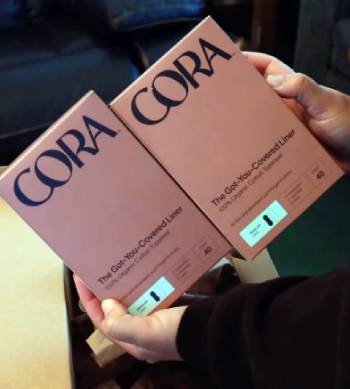
I remember the specific cycle where I decided I was done with the “plastic” feel of mainstream pads that always seemed to leave my skin feeling raw and irritated.
I am someone who values both performance and purity, so I naturally Gravitated toward Cora and Rael after seeing their sleek packaging and “clean” ingredient lists.
I started my journey with Rael during a particularly heavy month, and the first thing I noticed was the sheer softness of the Texan-grown cotton they use.
It didn’t have that scratchy, synthetic edge that I had grown accustomed to; instead, it felt like wearing a high-quality cotton T-shirt.
However, when I shifted to Cora the following month, I found a completely different experience in terms of physical profile.
I found that Cora pads are remarkably thin—so thin that I actually double-checked the package to make sure they were “regular” and not just liners.
I am an analytical user, so I put them to the test during a high-intensity workout session.
I noticed that Cora’s “made-to-move” design actually stayed put, whereas some organic brands I’ve tried in the past tend to bunch up the moment you start sweating.
I think it is vital for you to know that while both brands claim to be “organic,” the way they handle fluid is quite distinct.
You will likely find that Rael feels more “secure” if you are prone to sudden gushes, as their Leak Locker side panels act like a fortress.
I found that during my overnight tests, Rael was the clear winner for volume, while Cora won the “discretion” category for wearing under tight leggings.
I also appreciated the social mission behind Cora; knowing that my purchase helps provide period products to girls globally added a layer of satisfaction to my routine.
I began to feel much more in tune with my cycle once I stopped worrying about chemical scents or mystery dyes.
By the end of my comparison, I realized that I don’t just use one brand exclusively; I use Cora for my active daytime hours and Rael for the nights when I need maximum peace of mind.
Maintenance and tips for Cora and Rael pads
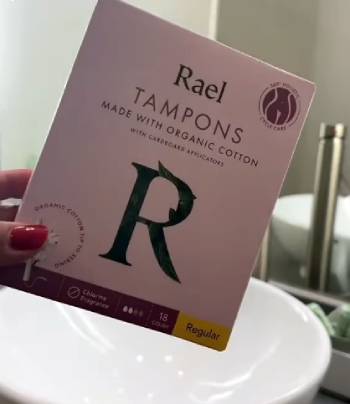
- Choose Cora for Daytime Activity and Rael for Sleep: You should optimize your cycle by using the strengths of each brand. Use Cora’s ultra-thin, high-adhesive pads when you are at the gym or in the office, and switch to Rael’s softer, high-capacity pads for a comfortable night’s rest, which is the most analytical way to manage your comfort.
- Change Your Pad Every 3 to 4 Hours to Avoid “Shredding”: You should be aware that organic cotton is a natural fiber and will break down faster than synthetic plastic mesh. Changing your pad regularly not only keeps you fresh but also prevents Rael pads from pilling or Cora pads from losing their wicking efficiency.
- Store Your Pads in a Cool, Dry Drawer: You should keep your organic products away from the high humidity of a bathroom shelf if possible. Moisture in the air can subtly degrade the adhesive and the absorbent wood pulp core, so keeping them in a dry bedroom drawer ensures they perform perfectly when you need them.
- Pre-Stretch Your Underwear Before Applying: You should ensure your underwear is pulled taut before sticking the wings down, especially with Rael. This prevents the “bunching” that can happen if the pad is applied to loose fabric, which is the best maintenance tip for ensuring the wings actually stay wrapped around the gusset.
- Check the Expiration Date on the Box: You should remember that organic materials have a shelf life. While they don’t “go bad” like food, the adhesive and the effectiveness of the organic cotton can diminish after a couple of years, so try to use your stock within 18 months of purchase for the best experience.
- Use a “Pad Wringer” Mentality for Disposal: You should roll the used pad as tightly as possible into the wrapper of the new one. Because organic pads don’t have the same “sticky-tab” closures as some mainstream brands, a tight roll is the only way to ensure a clean and discreet disposal in the trash bin.
Pros and Cons of Cora Pads
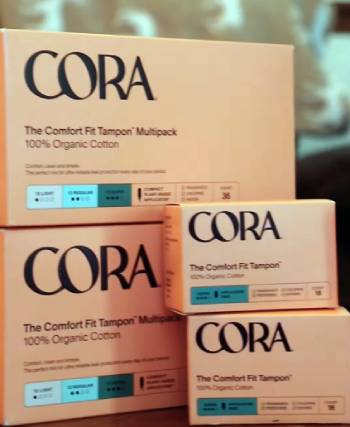
Pros of Cora Pads
- Incredibly low-profile ultra-thin design: Cora has mastered the art of the “invisible” pad: this allows you to wear tight clothing or workout gear without any visible lines: this is a major confidence booster during the day.
- Quick-wicking absorbent channels: The surface is designed to pull moisture away from your skin immediately: this prevents that swampy, wet feeling that leads to irritation: this makes them ideal for summer months or humid climates.
- GOTS Certified Organic Cotton topsheet: You are getting the gold standard of organic certification: this ensures no pesticides or toxic chemicals touch your most sensitive tissue: this is an analytical necessity for anyone with chronic skin sensitivity.
- Exceptional adhesive strength: Once you stick a Cora pad down, it generally stays exactly where you put it: this prevents the annoying shifting and bunching that can lead to side-leaks: this reliability is rare in the organic pad market.
- B-Corp certification and social impact: Your purchase supports a company that meets high standards of social and environmental performance: they have donated millions of products worldwide: this aligns your period care with global humanitarian efforts.
- Breathable backsheet technology: The layers are designed to allow airflow while remaining waterproof: this helps maintain a healthy pH and prevents the growth of odor-causing bacteria: this is a vital feature for long-term vaginal health.
- Sleek and discreet packaging: The wrappers and boxes are designed to look like high-end personal care rather than medical supplies: this makes them easy to carry in your purse or keep on your bathroom counter without feeling self-conscious.
Cons of Cora Pads: What you need to consider:
- Absorbency may struggle with extreme heavy flows: Because they are so ultra-thin, there is a limit to how much “surge” they can handle at once: this might lead to some anxiety during your heaviest hours: this requires you to be more diligent about timing your changes.
- Newer design changes have received mixed reviews: some long-term users feel the recent updates have made the pads slightly less soft than the original version: this is a common issue when brands scale up production: this means you should check current reviews to see if the texture works for you.
- Higher price point than conventional brands: like all organic options, you will pay a premium for the quality materials: this can add up over the course of a year: this makes it a luxury purchase for some.
- Adhesive can be so strong it’s hard to remove: on certain types of delicate synthetic underwear, the glue can stick a bit too well: this can occasionally leave a tiny bit of residue behind: this requires a bit of care when peeling the pad away.
- Polyethylene layers are still present: while the topsheet is organic cotton, there are still plastic-derived layers in the backsheet and acquisition layers: this means they are not 100% biodegradable: this might be a downside for the zero-waste purist.
- Wrappers can be noisy: some users find the material of the individual wrapper to be a bit “crinkly”: this makes it slightly less discreet in a quiet public restroom: this is a minor but notable sensory detail.
- Subscription model can be confusing: managing your frequency through their website sometimes requires more clicks than users would like: this can lead to getting too many or too few pads if you don’t stay on top of it.
Pros and Cons of Rael Pads
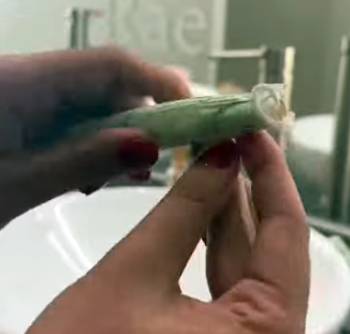
Pros of Rael Pads
- Pillowy-soft Texan cotton comfort: Rael pads have a slightly more “padded” and soft feel than Cora: this provides a level of comfort that feels protective and soothing: this is especially appreciated during the first two days of a cycle when you feel more sensitive.
- Advanced Leak Locker Technology: The side panels are specifically engineered to trap fluid and prevent it from reaching the edges: this is a game-changer for heavy bleeders who fear side-leaks: this provides a fortress-level of security.
- High-capacity absorbency for heavy days: While still technically “thin,” Rael pads can hold a surprising amount of fluid without feeling heavy: this means you don’t have to change your pad every hour during your peak flow: this saves time and product.
- Dermatologically tested for zero irritation: Rael is famous for being the “go-to” for people who react to almost everything: their formula is consistently rated as the most gentle on the market: this eliminates the redness and itching associated with synthetic pads.
- Sustainable wood pulp core: They use chlorine-free natural wood pulp for their absorbent center: this is more eco-friendly than purely synthetic cores: this makes it an analytical win for the environmentally conscious consumer.
- Multiple size options including “Petite” and “Large”: Rael offers a wider range of sizes to fit different body types and flows: this allows for a more customized fit than brands that only offer the standard three sizes: this ensures the pad actually matches your anatomy.
- Transparency in ingredient sourcing: Rael is very open about their Texas-grown cotton and their manufacturing standards: you know exactly where the materials are coming from: this builds a high level of consumer trust.
Cons of Rael Pads: What you need to consider:
- Slightly bulkier profile than Cora: if you are looking for the absolute thinnest pad possible, Rael might feel a bit more “there” than Cora: this might be noticeable under very tight gym shorts: this is the trade-off for that pillowy comfort.
- Adhesive is occasionally reported as “weak”: some users find that Rael pads can move around more than Cora, especially during heavy activity: this can lead to the pad bunching in the middle: this is a common complaint for those with very active lifestyles.
- Cotton fibers can occasionally “shred”: if you wear the pad for too long, the natural cotton fibers on the topsheet can start to pill or pull apart: this can lead to small bits of cotton sticking to your skin: this is a sign that the pad needs to be changed more frequently.
- More expensive when not bought in bulk: if you buy the small 16-count packs, the price per pad is quite high: this requires you to buy the larger 56-count packs to get the best value: this can be a hurdle for those who don’t want to store a large box.
- Not available in every local grocery store: while they are in Target and Walmart, they aren’t as ubiquitous as Always or Kotex: this means you might find yourself stuck if you run out unexpectedly while traveling: this forces you to be a proactive shopper.
- Packaging is recyclable but not plastic-free: like Cora, Rael still utilizes some plastic in their backsheets and wrappers to ensure waterproof performance: this is an industry-wide challenge: this means you are still contributing some plastic to the landfill.
- Large sizes can feel excessively long: for people with shorter torsos, the “Large” or “Overnight” sizes can feel like they go all the way up the back: this can be uncomfortable if the fit isn’t right for your anatomy: this requires some trial and error with sizing.
Also Read: My Experience With Honey Pot Tampons
Comparison Between Cora Vs. Rael
- Cora Vs. Rael: The Absorbency Battle
When it comes to raw capacity, Rael tends to have a slight advantage for those with consistent, heavy flows.
I have found that the “Leak Locker” channels in Rael pads are better at distributing fluid across the entire core, whereas Cora’s channels are focused on pulling fluid downward very quickly.
Analytically, if you are a “gushy” bleeder, the surface speed of Cora is excellent, but if you are a “heavy” bleeder, the volume capacity of Rael is more reliable.
Cora is perfect for those “medium-to-light” days when you want to forget you are even on your period.
Rael is your “heavy-hitter” for those first 48 hours when you need the most backup.
- Cora Vs. Rael: The Skin Sensitivity Test
If you are someone who suffers from “pad rash,” both of these brands will be a revelation for you.
I have noticed that Rael feels a bit softer to the touch, which might be better if you are already experiencing chafing or irritation.
Analytically, Cora’s GOTS certification is a step above Rael’s OCS certification in terms of strictness, which might appeal to the most health-conscious users.
Both brands are free from chlorine, fragrances, and dyes, which are the main culprits of vaginal itching during your cycle.
If your skin is ultra-reactive, the pure Texas cotton of Rael is often cited by users as the most soothing option available.
- Cora Vs. Rael: The Ethical Choice
Both brands are women-founded and mission-driven, which makes choosing between them a matter of which social cause resonates more with you.
Cora is a certified B-Corp, which means they are legally required to consider their impact on their workers, customers, community, and environment.
I have found that Cora’s focus on “body literacy” and providing resources to girls in developing nations is incredibly well-integrated into their brand identity.
Rael focuses more on holistic cycle care, offering everything from heating patches to acne stickers, creating a “full cycle” support system.
Analytically, Cora’s impact model is more globally focused, while Rael’s is more focused on the individual’s total wellness experience.
Also Read: My Experience With Honey Pot Pads
Frequently Asked Questions (FAQs)
It depends on your needs; Cora is better for active, discreet wear, while Rael is superior for soft comfort and heavy-flow security.
Any brand that uses 100% certified organic cotton topsheets and is free from chlorine, fragrances, and phthalates—like Rael and Cora—is considered a healthy choice.
Yes, Cora uses GOTS certified organic cotton and avoids the harsh chemicals, dyes, and synthetic fragrances found in traditional menstrual products.
Yes, especially for those with sensitive skin or heavy flows who want a high-performance, chemical-free alternative to mainstream brands.
Final Thoughts
When you are ready to prioritize your reproductive health and skin comfort, you should buy either Cora or Rael to experience the difference that organic materials can make.
I have found that the competition between these two brands has pushed the entire industry toward better standards, which is the most analytical way to view the current market.
You should choose Cora if you want an ultra-thin, high-performance pad that supports global education, or choose Rael if you want pillowy softness and a holistic approach to your cycle.
I believe that moving away from synthetic, bleached products is one of the kindest things you can do for your body every month.
You deserve a period that doesn’t involve itching, leaking, or worrying about toxic chemicals, and these two brands are leading the way to that future.