I have spent years testing every sun protection product under the sun, from luxury face creams to basic drugstore sticks, trying to find the perfect balance for my sensitive skin.
You should buy a lip balm that provides consistent hydration and reliable UV protection, but unfortunately, COOLA Lip Balm often falls short of these expectations due to its waxy texture and inconsistent moisture levels.
In this article, I will share my honest findings from testing this product and why I believe there are better options out there for your daily lip care routine.
My Personal Experience with COOLA Lip Balm
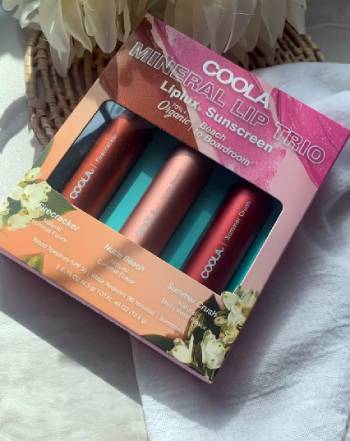
I remember the first time I picked up a tube of COOLA Liplux; I was actually excited because the brand is so well-known in the organic beauty space.
As someone who spends a lot of time outdoors, I was looking for a mineral-based SPF that wouldn’t leave a white cast or taste like a chemistry experiment.
The packaging felt high-end, and the promise of 70% organic ingredients made me feel like I was doing something great for my health.
However, my enthusiasm dampened almost immediately upon the first application because the texture was incredibly hard and difficult to glide across my lips.
I found myself having to press down quite firmly just to get any product to transfer, which is the last thing you want to do when your lips are already feeling a bit windburned.
After a few days of use, I noticed that instead of feeling hydrated, my lips actually felt more “sealed off” and dry underneath the waxy layer.
I tried several of the tinted versions, hoping the color would at least give me a “bitten lip” look, but the pigment tended to settle into the fine lines of my lips in a very unflattering way.
The taste was another major hurdle for me; it had a distinct waxy, almost plastic-like flavor that lingered long after I had applied it.
Even though the SPF 30 protection seemed to work well during my afternoon walks, the discomfort of the formula made it a chore to reapply every two hours as recommended.
I eventually noticed some grittiness in the tube, which felt like tiny grains of sand rubbing against my skin—a common complaint I later found echoed in many other user reviews.
By the end of the week, I had to switch back to a basic petroleum-based balm just to heal the peeling that the COOLA balm seemed to exacerbate.
It was a disappointing experience for a product at this price point, especially considering how much I typically enjoy other items from their sun care line.
Maintenance Tips and Usage Advice:
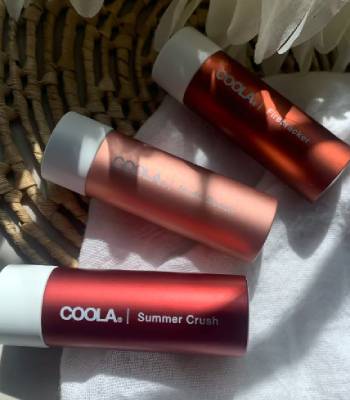
- Warm It Up Because the balm is so hard, I recommend holding the tube in your hand for a minute or even tucking it into a pocket before you try to apply it. The warmth from your body helps to slightly soften the waxes, making the glide a little bit more tolerable on your lips.
- The Three-Swipe Rule The brand actually suggests using three swipes per lip to ensure you are getting the full SPF 30 protection advertised on the label. Most people only do one quick pass, which significantly reduces the effectiveness of the sunblock and leaves you vulnerable to burns.
- Exfoliate First If you are going to use one of the tinted versions, you absolutely must exfoliate your lips with a sugar scrub beforehand. The thick, waxy pigment will cling to every bit of dead skin, so a smooth canvas is the only way to make the color look even halfway decent.
- Layer with Humectants Since this balm is primarily an occlusive (it seals moisture in), you should apply a hydrating serum or a thin layer of a glycerin-based balm underneath it. This ensures that you are sealing in actual moisture rather than just sealing your already-dry lips away from the air.
- Store at Room Temp While it is designed to be water-resistant, don’t leave it in a car that is baking in the sun for hours on end. Extreme heat can cause the organic oils to go rancid more quickly, and it may change the texture of the balm once it cools back down.
- Check the Expiration Date Sunscreen filters degrade over time, so make sure you aren’t using a tube that has been sitting in your junk drawer for three years. Using an expired SPF lip balm is essentially the same as using no protection at all, which is a dangerous mistake in the summer.
- Wipe the Top After a few uses, take a clean tissue and wipe the top of the balm to remove any skin cells or saliva that might be sitting on the surface. This helps to prevent the growth of bacteria and keeps the product feeling fresh for as long as possible.
- Avoid Over-Tightening The twist mechanism on these tubes can be a bit delicate, so don’t force it if it feels stuck. If you over-tighten the cap, you might accidentally crush the balm or break the internal screw that pushes the product up.
- Use as a “Spot” Protector If you are out on a hike and forgot your face sunscreen, you can use this balm on the tops of your ears or the bridge of your nose in a pinch. It is essentially a concentrated sunblock stick, so it works well for small, high-exposure areas that burn easily.
- Identify the Grit If your balm becomes excessively gritty, it might be due to temperature fluctuations causing the shea butter to crystallize. You can sometimes fix this by carefully melting the top with a hair dryer and letting it reset, but usually, it is just a sign of an older or poorly formulated batch.
Pros and Cons of COOLA Lip Balm
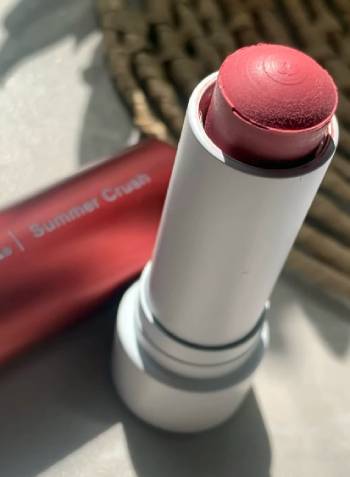
Pros of COOLA Lip Balm:
- High SPF 30 Protection: It provides a reliable broad-spectrum shield against both UVA and UVB rays, which is essential for preventing premature aging and lip cancer.
- Organic Ingredients: The formula is made with over 70% certified organic ingredients, making it a top choice for those who prioritize “clean” beauty standards.
- Mineral-Based Filters: It utilizes Zinc Oxide and Titanium Dioxide, which are generally safer for the environment and less irritating for those with chemical sensitivities.
- Water Resistant: It stays on for up to 80 minutes in the water, which is a great feature for swimmers or those who sweat heavily during outdoor workouts.
- Cruelty-Free and Vegan: You can feel good about your purchase knowing that the brand does not test on animals and avoids animal-derived ingredients like beeswax in some lines.
- Sleek Packaging: The tubes are well-constructed and don’t tend to break or leak in your bag, even when subjected to the rigors of travel.
- Variety of Tints: There are several different shades available that allow you to add a hint of color while you protect your skin from the sun.
- Non-Nano Zinc: The use of non-nano minerals is a plus for those worried about the absorption of tiny particles into the bloodstream or the reef system.
- Antioxidant-Rich: Ingredients like Cupuacu Butter and Raspberry Seed Oil help to fight free radicals that are generated by sun exposure.
- Travel-Friendly: The solid stick format means you don’t have to worry about liquid restrictions when flying or going through security.
- Unscented Options: For those who are sensitive to fragrances, the “Original” version provides protection without any added perfumes or essential oils.
- Reef-Friendly: It avoids chemicals like Oxybenzone and Octinoxate, which have been shown to contribute to coral bleaching in our oceans.
Cons of COOLA Lip Balm:
- Difficult Application: The texture is notoriously hard and waxy, making it a struggle to apply evenly without tugging on the delicate skin of your lips: this can lead to irritation and an uneven layer of protection.
- Drying Effect: Many users report that their lips actually feel drier after using this product than they did before: the formula seems to act as a barrier but fails to provide deep, lasting hydration.
- Gritty Texture: It is common to find small, sand-like grains within the balm that make the application feel abrasive and unpleasant: this “grit” is a frequent complaint in long-term user reviews.
- Patchy Tinting: The pigmented versions do not always spread smoothly, often settling into cracks and highlighting dry patches rather than concealing them: this makes it a poor choice for those looking for a “lip tint” replacement.
- Waxy Flavor: The taste of the product is often described as chemical or plastic-like, which is a significant drawback for something you wear directly under your nose all day: it can interfere with the taste of food and drink.
- Inconsistent Quality Control: Some tubes feel significantly harder or grittier than others, suggesting that the manufacturing process might have some variability in its consistency: this makes every purchase a bit of a gamble.
COOLA Lip Balm Vs. Other Brands
- COOLA Lip Balm Vs. Aquaphor Lip Repair SPF 30
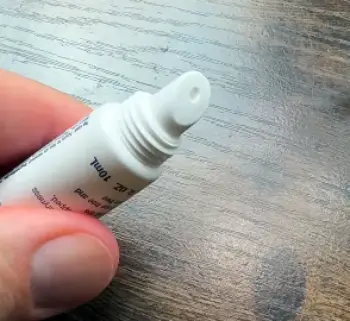
When I put the COOLA Lip Balm up against the Aquaphor Lip Repair stick, the difference in comfort is night and day.
Aquaphor is famous for its “slugging” capabilities, and their SPF version carries that same incredibly smooth, emollient glide that instantly soothes dry skin.
COOLA feels much stiffer and more “stuck” in the tube, requiring significant friction to apply, whereas Aquaphor melts onto the lips with zero effort.
While COOLA wins on the “clean beauty” front with its organic ingredients, Aquaphor wins on actual performance and skin barrier repair.
I found that Aquaphor stayed on my lips much longer without needing a reapplication, while the COOLA balm seemed to evaporate or migrate within thirty minutes.
If you are dealing with actual chapped lips, the medicinal feel of Aquaphor is far more effective than the waxy shield provided by COOLA.
- COOLA Lip Balm Vs. Sun Bum SPF 30 Lip Balm
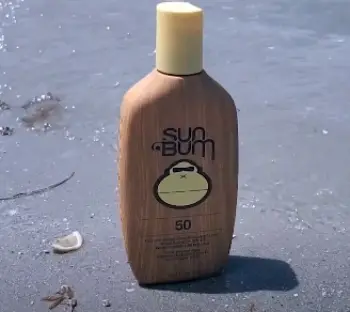
Sun Bum is the quintessential beach brand, and comparing their lip balm to COOLA reveals a major difference in user enjoyment.
Sun Bum lip balms are known for their delicious tropical flavors like coconut and banana, which make you actually want to reapply them throughout the day.
COOLA, on the other hand, has a very “sunscreen-y” and waxy taste that can be quite off-putting when you are trying to enjoy a snack or a drink.
Sun Bum’s formula is much softer and more “slippery,” which I personally find more comfortable, though it can melt in a hot car much faster than the dense COOLA stick.
COOLA uses more mineral-based filters, which some people prefer, but Sun Bum offers a reliable chemical filter that leaves absolutely zero white cast on the lips.
For a casual day at the beach where you want flavor and ease, Sun Bum is the much more “fun” and practical choice for most people.
- COOLA Lip Balm Vs. Burt’s Bees All-Weather SPF 15
Burt’s Bees is a household name for a reason, but their SPF version is a direct competitor to the organic claims of COOLA.
Burt’s Bees uses a heavy beeswax base, which is similar to COOLA, but I found the Burt’s Bees version to be slightly more breathable on the skin.
However, Burt’s Bees only offers SPF 15 in their standard weather stick, whereas COOLA provides a much more robust SPF 30 for serious sun protection.
The COOLA tinted versions offer a bit of vanity that Burt’s Bees lacks in their basic SPF line, but the application of the Burt’s stick is consistently smoother.
I noticed that Burt’s Bees is much cheaper, making it a better “toss in every bag” option, but COOLA’s luxury branding and higher SPF might appeal to those in high-altitude environments.
Ultimately, both are quite waxy, but Burt’s Bees feels more like a traditional lip balm while COOLA feels more like a dedicated sunscreen stick for the lips.
- COOLA Lip Balm Vs. Laneige Lip Glowy Balm
Laneige is a titan in the lip care world, and though their Glowy Balm doesn’t always lead with SPF, it is the gold standard for texture.
Comparing the two highlights just how “dry” the COOLA formula feels; Laneige is high-shine, high-moisture, and feels like a luxurious treatment rather than a protective barrier.
COOLA is strictly functional and matte, which might appeal to men or those who hate shine, but it lacks the deep hydration that Laneige provides.
I found that my lips looked significantly healthier and more plump with Laneige, whereas COOLA made them look a bit dull and “blocked” by the thick mineral filters.
If you are looking for something to wear daily that doubles as a lip gloss, Laneige is the winner, even if you have to layer a separate SPF underneath it.
COOLA is a “sport” product at heart, but it lacks the cosmetic elegance that a brand like Laneige has mastered in the modern skincare era.
- COOLA Lip Balm Vs. MDSolarSciences Hydrating Sheer Lip Balm
MDSolarSciences is perhaps the closest direct competitor to COOLA because they both focus heavily on mineral-based sun protection.
I found the MDSolarSciences formula to be significantly more “buttery” than the COOLA Liplux, which made it much more pleasant to use on a daily basis.
MDSolarSciences also does a better job with their tints; the colors are more sheer and sophisticated, whereas the COOLA colors can sometimes look a bit patchy.
Both brands use high-quality ingredients, but the MDSolarSciences balm feels like it was designed by a dermatologist who understands the need for slip and moisture.
COOLA’s scent options are a bit more varied, but in terms of the actual health and feel of my lips, I found myself reaching for the MDSolarSciences tube every time.
If you are looking for the best mineral SPF lip balm on the market, MDSolarSciences currently outpaces COOLA in almost every clinical and aesthetic category.
Frequently Asked Questions (FAQs)
The “best” is subjective, but Aquaphor Lip Repair and Laneige Lip Sleeping Mask are consistently the highest-rated for their deep hydration and comfort.
Yes, COOLA products are generally considered very safe and are formulated with high percentages of organic ingredients and non-toxic mineral filters.
Common ingredients include organic Coconut Oil, Avocado Oil, Shea Butter, and mineral actives like Zinc Oxide and Titanium Dioxide for sun protection.
Yes, COOLA is widely recognized as a leader in the clean beauty movement, prioritizing organic farming and reef-safe, cruelty-free formulations.
Final Thoughts
If you are looking for a reliable, eco-friendly way to protect your lips from the sun, you should buy a mineral SPF product, but you may want to look beyond COOLA Lip Balm for your daily needs.
It has become clear throughout my testing that while the brand’s commitment to organic ingredients is admirable, the actual user experience is marred by a difficult texture and drying formula.
You deserve a lip balm that makes your routine easier and your skin feel better, not a product that requires a struggle every time you need a reapplication.