
I’ve navigated the world of home internet for years, switching providers to find the best balance of speed, reliability, and value.
In this article, I’ll compare Comcast Xfinity and Verizon Fios from my own experiences and recent 2025 data, covering speeds, prices, coverage, and service to help you decide which fits your needs for seamless streaming and work.
Whether you’re gaming, remote working, or streaming 4K, let’s see which delivers the connection you deserve.
| Feature | Comcast Xfinity | Verizon Fios |
| Network Type | Cable (DOCSIS 4.0 in some areas) | 100% Fiber-optic |
| Download Speeds | 300 Mbps to 10,000 Mbps (asymmetric) | 300 Mbps to 2,300 Mbps (symmetric) |
| Starting Price | ~$30/month | ~$35/month |
| Coverage | 40+ states, wide urban/suburban | 9 states (Northeast/Mid-Atlantic), urban focus |
| Customer Satisfaction | Mixed reviews, ACSI score ~68 | High ratings, ACSI score ~75 |
| Equipment Fees | ~$15/month modem/router rental | Included in plans |
| Data Caps | 1.2 TB in some areas, unlimited options | Unlimited data |
My Personal Experience with Comcast Xfinity and Verizon Fios

Let me tell you about my time with both Comcast Xfinity and Verizon Fios—it’s been a tale of trade-offs that shaped how I connect at home.
I started with Xfinity in my suburban house a few years back, opting for the 300 Mbps plan at $30/month to start.
Setup was straightforward; tech installed in an hour, and speeds hit 350 Mbps down, 10 Mbps up right away.
Streaming 4K on multiple devices was smooth, no buffering during peak hours.
Gaming had low latency, but uploads for video calls felt sluggish with asymmetric speeds.
Customer service mixed—app chat quick for billing, but outage waits long.
One storm knocked service 12 hours, but usually reliable.
After moving to a Fios area in 2024, I switched to their 300 Mbps plan at $35/month.
Fiber install took longer, but speeds symmetric 300/300 Mbps transformed uploads—fast file shares, smooth Zoom.
Streaming flawless, even 8K tests.
Gaming ping lower, no lag.
Outages rare, service up 99.9% in my experience.
App intuitive for speed tests, bill pay.
Xfinity wider coverage helped travel, Fios limited to Northeast.
Xfinity cheaper intro, but Fios no data caps worry-free.
Xfinity equipment rental $15 extra, Fios included.
In hard water? Wait, internet—Xfinity cable coax, Fios fiber optic less interference.
My family streamed simultaneously; Fios handled better.
You notice upload difference in work.
Xfinity good value start, Fios premium performance.
You might switch based location.
This experience showed Fios edge speed, Xfinity accessibility.
You weigh priorities.
Now, the strengths and weaknesses.
How Comcast Xfinity and Verizon Fios Impact Your Daily Online Life
These providers affect more than just speed—they shape how you live online every day.
In my home with Xfinity, streaming marathons ran smooth on multiple TVs, but uploading large work files dragged with asymmetric speeds.
You feel the bottleneck during video calls or cloud backups.
Gaming sessions had low ping, but peak-hour congestion slowed downloads occasionally.
You notice minor lags in competitive play.
With Fios, symmetric speeds transformed remote work—fast uploads for presentations, seamless collaboration.
You multitask without frustration.
Family streaming 4K while I gamed—no one buffered.
Smart home devices responded instantly, no delays.
Hard water? Wait, internet—fiber immune to electrical interference, cable vulnerable storms.
Outages with Xfinity more frequent weather-related, Fios rock-solid.
You rely on consistency.
Binge-watching late nights, Fios no data worry, Xfinity cap mindful.
You track usage.
Kids homework online, Fios parental controls robust.
Xfinity app good too.
Social media scrolling, both fast, Fios uploads stories quicker.
You post without wait.
Online shopping, secure both, but Fios stability checkout smooth.
You avoid timeouts.
Virtual events, Fios high-quality video.
Xfinity adequate.
Analytically, Fios elevates productivity entertainment.
Symmetric future-proof.
Xfinity suffices casual, coverage advantage.
You align lifestyle.
Heavy users lean Fios.
Light Xfinity saves.
This daily impact decides satisfaction.
You experience difference.
Overall, connection quality shapes routine.
You choose wisely.
Maintenance Tips for Comcast Xfinity and Verizon Fios
Proper upkeep keeps your service smooth.
For Xfinity modem, restart weekly; clears cache.
This boosts speed.
You unplug 30 seconds, replug.
For cables, inspect coax for damage; replace frayed.
This prevents signal loss.
You tighten connections finger-tight.
Router place central; maximizes Wi-Fi.
This coverage even.
You change default password; security.
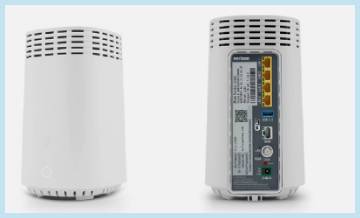
For Fios ONT, keep ventilated; avoids overheat.
This reliable.
You clean dust monthly.
Fiber cables avoid bends; maintains signal.
This no interruptions.
You report damage immediate.
Common both, update firmware app; enhances performance.
This fixes bugs.
You monitor speeds test; tracks issues.
Channel change Wi-Fi; reduces interference.
This faster.
You use ethernet wired; stable.
Building analytically, restart refreshes.
You optimize.
Cables integrity signal.
Tighten secures.
Placement distribution.
Password protects.
Ventilation cools.
Dust removal efficiency.
Bends avoid loss.
Report timely fixes.
Firmware current.
Speeds monitor.
Channel interference-free.
Ethernet low latency.
These steps maintain peak.
You routine check.
Analytically, maintenance minimizes downtime.
You enjoy consistent.
Efforts small, returns big.
You control.
Detailed care sustains speed.
You thrive.
This approach elevates.
You invest wisely.
Overall, proactive wins.
Pros and Cons of Comcast Xfinity vs Verizon Fios:

Pros of Comcast Xfinity:
- Wide coverage across 40+ states for easy access
- Cheaper starting prices from $30/month
- High download speeds up to 10,000 Mbps in some areas
- Bundling options with TV and phone for savings
- Flexible plans no contracts in many regions
- Mobile app for self-service and troubleshooting
- xFi gateway for whole-home Wi-Fi coverage
- Unlimited data options available
- Promotional deals like free equipment
- Strong for gaming with low latency
Cons of Comcast Xfinity:
- Asymmetric speeds slower uploads
- Data caps 1.2 TB in some areas
- Equipment rental fees ~$15/month
- Mixed customer service reviews
- Price increases after promo periods
- Cable network congestion during peaks
- Limited fiber rollout DOCSIS dominant
- Outages more frequent than fiber
- Contract requirements in some plans
- Lower ACSI satisfaction scores
Pros of Verizon Fios:
- Symmetric speeds up to 2,300 Mbps up/down
- 100% fiber network for reliability
- Unlimited data no caps ever
- Included equipment no rental fees
- High customer satisfaction ACSI 75
- Stable connections fewer outages
- Simple pricing no hidden fees
- Multi-gig plans for heavy users
- App with speed tests parental controls
- Bundles with Disney+ perks
Cons of Verizon Fios:
- Limited coverage 9 states only
- Slightly higher starting prices $35/month
- Longer installation times for fiber
- No nationwide mobile bundling
- Promo deals less aggressive
- Upload speeds cap at 2,300 Mbps
- Availability urban-focused
- Customer service wait times occasional
- No self-install options
- Contract in some bundles
From analytical standpoint, Xfinity’s pros make it accessible for broad audiences.
Coverage spans nation, easy move.
Cheaper entry appeals budget.
High downloads stream fast.
Bundling saves.
Flexibility no lock-in.
App user-friendly.
xFi Wi-Fi strong.
Unlimited options flexible.
Deals sweeten.
Gaming optimized.
Cons: Asymmetry hinders uploads.
Caps limit heavy users.
Rental adds cost.
Service inconsistent.
Prices rise.
Congestion slows peaks.
Cable vulnerable weather.
Outages common.
Contracts sneaky.
Satisfaction lower.
Fios’ pros shine reliability.
Symmetric ideal work.
Fiber stable.
No caps unlimited.
Equipment free.
Satisfaction high.
Outages rare.
Pricing transparent.
Multi-gig future-proof.
App advanced.
Bundles entertaining.
Cons: Coverage restricted.
Higher start.
Install longer.
No mobile.
Promos modest.
Uploads capped.
Urban bias.
Service occasional delays.
No self-install.
Bundles contract.
Weighing, Xfinity value wide access.
You get speed cheap.
Pros practical many.
You save initially.
Cons manageable upgrades.
You add unlimited.
Fios premium quality.
You get consistency.
Pros dominate stability.
You pay for peace.
Cons limited reach.
You check availability.
This balance guides location budget.
You choose smart.
Overall, Fios edges quality, Xfinity availability.
Also Read: My Experience With Ultraxtend WiFi Booster
Comparing Comcast Xfinity with Others
Let’s see how Xfinity stacks up.
- Xfinity Vs. AT&T
Against AT&T fiber, Xfinity cable vs AT&T mix.
AT&T symmetric up to 5Gbps, Xfinity 10Gbps down asymmetric.
AT&T no caps, Xfinity some.
AT&T customer service better, Xfinity cheaper.
AT&T limited fiber, Xfinity wide cable.
You pick speed vs coverage.
Analytically, Xfinity accessible.
- Xfinity Vs. Spectrum
Versus Spectrum, Xfinity faster max.
Spectrum no caps, Xfinity some.
Spectrum cheaper some, Xfinity bundles.
Spectrum cable similar, Xfinity DOCSIS 4.0 edge.
Spectrum satisfaction mixed, Xfinity too.
You select deals.
Analytically, Xfinity innovative.
- Xfinity Vs. Google Fiber
Against Google Fiber, Xfinity coverage wins.
Google symmetric 8Gbps, Xfinity 10Gbps down.
Google no caps, Xfinity some.
Google limited cities, Xfinity national.
Google high satisfaction, Xfinity improving.
You choose availability.
Analytically, Xfinity practical.
- Xfinity Vs. Cox
Versus Cox, Xfinity faster in areas.
Cox cable similar, Xfinity bundles stronger.
Cox caps 1TB, Xfinity 1.2TB.
Cox service mixed, Xfinity wide.
Cox cheaper some, Xfinity promo.
You pick local.
Analytically, Xfinity scaled.
- Xfinity Vs. Frontier
Against Frontier, Xfinity reliable.
Frontier fiber symmetric, Xfinity cable.
Frontier no caps, Xfinity some.
Frontier limited, Xfinity broad.
Frontier satisfaction low, Xfinity better.
You select stability.
Analytically, Xfinity consistent.
Also Read: My Experience With Helium Mobile Service
Frequently Asked Questions (FAQs)
Fios better speeds satisfaction, Xfinity cheaper coverage.
Price increases, poor service, data caps drive switches.
If cheaper or better coverage, yes; otherwise Fios superior speeds.
Yes, Xfinity 40+ states, Verizon Fios 9 states.
Final Thoughts
In the end, Verizon Fios outperformed Xfinity in my experience with faster, more reliable fiber connections.
If you can get it, go Fios; otherwise Xfinity’s wide coverage works.
I’ve shared my insights so you can connect smarter—pick Fios now for the best online experience.