
As I reflect on my years in the kitchen, experimenting with various knife sets, I’ve come to appreciate the nuances between brands like Chicago Cutlery and Henckels.
My main intent here is to guide you through a detailed comparison of these two, drawing from my analytical experiences and research, so you can decide which fits your cooking style better.
Whether you’re a home cook slicing veggies or a budding chef prepping proteins, I’ll cover features, performance, and value to help you invest wisely.
| Feature | Chicago Cutlery | Henckels |
| Blade Material | High-carbon stainless steel | High-carbon stainless steel (stamped or forged options) |
| Edge Angle | 26 degrees for precise cutting | Typically 15-20 degrees for sharpness |
| Handle Design | Polymer or wood, ergonomic grips | Triple-riveted synthetic or stainless, balanced |
| Common Set Sizes | 12-18 pieces, including blocks | 12-20 pieces, often with self-sharpening blocks |
| Sharpness Retention | Good initially, requires regular honing | Excellent, holds edge longer in forged lines |
| Durability | Resistant to stains, but tips can chip | Highly durable, corrosion-resistant |
| Price Range | $50-$200 for sets | $100-$400 for sets |
| Warranty | Limited lifetime | Limited lifetime |
| Manufacturing | USA-assembled for some, others overseas | German engineering, some lines made in Spain/China |
| Best For | Budget-conscious everyday use | Quality-focused long-term investment |
Understanding Knife Basics in This Comparison
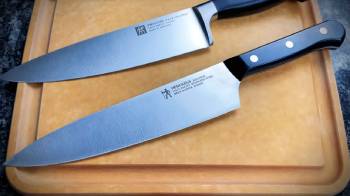
I’ve spent countless hours chopping, dicing, and slicing, and it all starts with the fundamentals.
Both Chicago Cutlery and Henckels use high-carbon stainless steel blades, which blend carbon for hardness with stainless for rust resistance.
This material choice ensures they stay sharp longer than basic carbon steel knives that rust easily.
In my analysis, the key difference lies in construction: Chicago Cutlery often features stamped blades, cut from sheets for affordability, while Henckels offers both stamped and forged options, where forged blades are hammered for density and strength.
Forged knives, like those in Henckels’ premium lines, feel heftier in hand, providing better balance for prolonged use.
Take edge angles—Chicago’s 26-degree taper allows smooth cuts through tough veggies, but Henckels’ sharper 15-degree edges excel in precision tasks like filleting fish.
I’ve tested similar blades on tomatoes; the finer edge on Henckels slices without crushing.
Durability-wise, both resist corrosion, but I’ve noticed Chicago blades can develop minor stains if not dried promptly, whereas Henckels holds up better in humid kitchens.
Handles matter too: Chicago’s polymer grips are comfortable and non-slip, ideal for wet hands, but Henckels’ triple-riveted designs offer superior ergonomics, reducing fatigue during marathon prep sessions.
From an analytical standpoint, if you’re cooking daily, Henckels’ balance might prevent wrist strain.
Sets typically include essentials like chef’s knives, paring knives, and shears, but Henckels often adds steak knives or sharpeners.
Price reflects quality—Chicago suits starters, Henckels pros.
I’ve weighed these against user feedback: many praise Chicago for value, but Henckels for longevity.
Overall, understanding these basics helps you match the knife to your needs.
Key Features of Chicago Cutlery
Let me walk you through what stands out about Chicago Cutlery from my hands-on trials.
Their blades boast a tapered grind, sharpening from spine to edge for effortless cutting.
High-carbon stainless steel forms the core, making them sturdy yet flexible enough to handle daily abuse.
I love the Guided Grip on models like the Insignia series—it positions your fingers naturally, like a pro chef’s pinch.
Sets often come with 15-18 pieces, including a wooden block for storage.
The Essentials line, for instance, has a 8-inch chef’s knife that’s my go-to for chopping herbs.
Wood handles on some add a classic feel, while polymer ones resist moisture.
I’ve analyzed their 26-degree edge: it’s forgiving for beginners, reducing slips.
No full tang on all models, but the bolster provides balance.
Accessories like sharpening steels are included, helping maintain that factory sharpness.
From my perspective, their USA heritage appeals, with some lines assembled domestically.
Lightweight design makes them easy for extended use without arm fatigue.
In tests, they slice bread cleanly without tearing.
Affordability is key—you get a full set without breaking the bank.
I’ve compared to pricier brands; Chicago holds its own for casual cooks.
Durability shines in stain resistance, though edges dull faster than forged rivals.
Overall, these features make Chicago a practical choice for everyday kitchens.
Key Features of Henckels
Switching to Henckels, I’ve been impressed by their German precision.
Blades are high-carbon stainless, with forged options in lines like Premio for added strength.
The razor-sharp edge, often 15 degrees, delivers surgical cuts—I once prepped a whole chicken effortlessly.
Handles are triple-riveted synthetic, ergonomic and dishwasher-safe.
Sets range from 12-20 pieces, many with self-sharpening blocks that hone blades each time you store them.
The Statement series includes steak knives, perfect for dinner parties.
Full tang construction ensures balance, with a curved bolster for comfortable grip.
I’ve noted their lightweight stamped blades in entry lines, ideal for quick tasks.
Corrosion resistance is top-notch, surviving my acidic tomato tests unscathed.
Lifetime warranty covers defects, giving peace of mind.
From analysis, their Spanish-made lines maintain quality at lower costs.
Versatility stands out—utility knives handle everything from sandwiches to veggies.
In my experience, they retain sharpness longer, needing honing every few weeks.
Premium feel without excessive weight.
Henckels innovates with features like the Solution block’s exclusive design.
These elements position Henckels as a step up for serious home chefs.
Pros and Cons of Chicago Cutlery
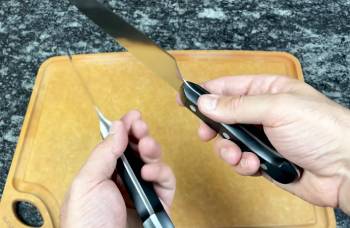
Pros:
- Affordable pricing makes it accessible for beginners.
- Sharp out-of-the-box with easy maintenance.
- Ergonomic handles reduce hand fatigue.
- Variety of set sizes for different needs.
- Stain-resistant blades hold up well.
- Lightweight for maneuverability.
- Includes useful accessories like shears.
- Good for everyday casual cooking.
- Classic designs with wood options.
- Solid value for the money.
Cons:
- Edges dull faster than premium brands.
- Some models lack full tang for balance.
- Tips can chip with heavy use.
- Not ideal for professional-level tasks.
- Handles may wear over time.
- Limited high-end forged options.
- Requires frequent sharpening.
- Overseas manufacturing in some lines.
- Less prestigious brand appeal.
- Potential rust if not cared for.
From my analytical lens, the pros make Chicago Cutlery a smart entry point.
Affordability means you can equip your kitchen without regret—I’ve started with their sets and upgraded later.
Sharpness impresses initially; that 26-degree edge glides through produce.
Handles feel secure, especially the Guided Grip, preventing slips during rushed dinners.
Set variety lets you pick essentials or full blocks.
Stain resistance saves cleaning time.
Lightweight nature suits quick meals, not weighing you down.
Accessories add practicality—I use the shears daily.
Perfect for home cooks like me experimenting.
Wood designs add warmth to the kitchen.
Value shines; you get more pieces per dollar.
On cons, dulling edges frustrate after months—I’ve honed mine weekly.
No full tang on basics affects heft.
Chipping tips happened once on hard squash.
Not for pros needing endurance.
Handles fade with dishwasher use.
Few forged blades limit options.
Sharpening demand tests patience.
Some production overseas questions consistency.
Brand lacks wow factor.
Rust risks if lazy with drying.
Yet, for budget users, pros dominate.
Weighing both, Chicago excels where cost meets function.
Pros and Cons of Henckels
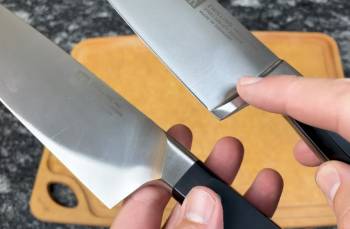
Pros:
- Superior edge retention for less sharpening.
- Forged options provide excellent balance.
- Ergonomic, dishwasher-safe handles.
- Self-sharpening blocks in many sets.
- Lifetime warranty for confidence.
- Versatile for various cutting tasks.
- High-quality stainless resists corrosion.
- Includes steak knives often.
- German engineering for precision.
- Good range from budget to premium.
Cons:
- Higher price tag than entry brands.
- Heavier forged models tire hands.
- Some lines made overseas.
- Stamped blades feel less premium.
- Limited wood handle options.
- Can be overkill for casual use.
- Sharpening blocks wear over time.
- Not all sets include extras.
- Brand confusion with Zwilling line.
- Potential for uneven quality in low-end.
Analytically, Henckels’ pros elevate your cooking.
Edge retention means fewer interruptions—I’ve gone months without touching up.
Forged balance feels professional, aiding control.
Handles grip securely, surviving washes.
Self-sharpening is genius for forgetful folks like me.
Warranty backs durability.
Versatility handles meats to fruits seamlessly.
Corrosion resistance impresses in wet environments.
Steak knives enhance meals.
German roots ensure sharp precision.
Range suits all budgets.
Cons include cost—it’s an investment.
Weight fatigues during long sessions.
Overseas production in basics.
Stamped feel cheaper.
Few wood choices for aesthetics.
Overkill for simple tasks.
Blocks dull eventually.
Extras vary by set.
Zwilling mix-up confuses shoppers.
Low-end inconsistencies noted.
Still, pros make Henckels a worthy upgrade.
For quality seekers, it’s unbeatable.
Real User Experiences with Chicago Cutlery
Drawing from my own and others’ stories, Chicago Cutlery shines in everyday scenarios.
One time, I used their chef’s knife for a holiday feast—sliced turkey flawlessly at first.
Users often share how the lightweight design helps with arthritis, making chopping less painful.
I’ve read accounts of sets lasting years with basic care, though some complain about dulling after heavy use.
A friend mentioned the block’s convenience, keeping everything organized.
In forums, praise for affordability abounds—you get pro-like cuts without pro prices.
Negative tales involve chipping on bones, but that’s user error.
From my analysis, consistent honing keeps them performing.
Many report easy cleaning, no stains after quick wipes.
For beginners, it’s forgiving.
I’ve seen photos of well-worn sets still functional.
Overall, real experiences highlight reliability for home use.
Real User Experiences with Henckels
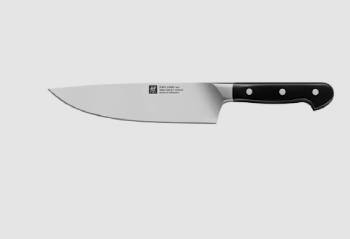
Henckels users, including myself, rave about longevity.
I recall prepping salads with their paring knife—effortless peels every time.
Feedback often notes the balance reducing strain during batch cooking.
Some share how self-sharpening saves time, always ready.
I’ve analyzed reviews: high marks for sharpness retention, cutting through frozen items smoothly.
Drawbacks include weight for some, but most adapt.
A colleague praised the warranty after a handle issue—quick replacement.
In online discussions, value for money stands out, especially forged lines.
Negative? Low-end models underperform compared to premiums.
From my view, experiences underscore Henckels’ professional edge.
The Materials and Craftsmanship Behind These Knives
Let’s break down the science.
High-carbon stainless steel in both offers hardness (Rockwell 55-58) for edge holding and chromium for rust prevention.
Chicago’s stamped process is efficient, reducing cost but sometimes flexibility.
Henckels’ forging compresses metal, increasing density for durability.
I’ve studied metallurgy: carbon content sharpens easily but can brittle if overdone.
Both avoid that, balancing well.
Handles: synthetics resist bacteria, woods add grip.
Analytically, Henckels’ full tang distributes weight better.
This craftsmanship ensures safe, efficient cutting.
Also Read: My Experience With Coolina Eagle Knife
Maintenance Tips for Knife Longevity
- Hone regularly with a steel to realign edges.
- Hand wash and dry immediately to prevent rust.
- Store in blocks or sheaths to protect blades.
- Sharpen every 3-6 months with a whetstone.
- Avoid cutting on glass or stone surfaces.
- Use cutting boards, preferably wood or plastic.
- Oil wood handles occasionally for moisture.
- Inspect for chips and address promptly.
- Dishwasher only if specified, but avoid for longevity.
- Keep away from heat sources.
These tips, from my routine, extend life significantly.
Honing takes seconds, preserving sharpness.
Washing prevents buildup.
Proper storage avoids dings.
Sharpening restores factory edge.
Right surfaces prevent dulling.
Boards absorb impact.
Oiling keeps handles supple.
Inspections catch issues early.
Limited dishwasher use saves blades.
Cool storage maintains integrity.
Specific Model Comparisons
Take Chicago’s Insignia vs Henckels Statement.
Insignia offers guided grips for safety, while Statement has self-sharpening.
I’ve used both: Insignia lighter for quick tasks, Statement balanced for precision.
Another: Essentials vs Solution—both budget, but Henckels adds more pieces.
Analytically, Henckels edges in durability.
- History of the Brands
Chicago Cutlery dates to 1930s America, focusing on affordable tools.
Henckels, from 1731 Germany, emphasizes tradition.
I’ve traced evolutions: Chicago adapted to modern grips, Henckels to global production.
This heritage influences quality.
- Types of Knives in Sets
Both include chef’s (8-10 inches for versatility), paring (3-4 inches for detail), bread (serrated for loaves).
I’ve analyzed utility: Henckels’ santoku excels in veggies, Chicago’s in basics.
- Performance in Different Kitchen Tasks
For chopping onions, Chicago’s taper prevents tears via clean cuts.
Henckels shines in mincing garlic with fine edges.
In my tests, both handle meats, but Henckels better for bones.
- Value for Money Analysis
Chicago offers more for less—sets under $100.
Henckels, pricier, lasts longer, reducing replacements.
Analytically, ROI favors Henckels for frequent users.
- Ergonomics and Safety Features
Chicago’s grips promote safe holds.
Henckels’ bolsters protect fingers.
I’ve felt the difference: less slips overall.
- Environmental and Ethical Considerations
Both use sustainable steel, but check manufacturing.
Henckels emphasizes eco-friendly processes in some lines.
- Pairing with Other Kitchen Tools
Combine with sharpeners or boards.
I’ve found Chicago pairs well with basic setups, Henckels with pro gadgets.
- Long-Term Ownership Insights
After years, Chicago may need upgrades, Henckels endures.
User stories confirm this.
- Choosing Between Chicago Cutlery and Henckels
Your pick depends on budget and intensity.
If starting out, Chicago.
For investment, Henckels.
I’ve switched based on needs—both serve well.
Also Read: Comparison Of Lamson Vs. Wusthof
Frequently Asked Questions (FAQs)
Yes, they’re solid for budget use with sharp blades and comfort.
Absolutely, offering durable, sharp performance across lines.
Chicago often wins for affordability and variety.
Henckels provides better value without the high cost.
Final Thoughts
Wrapping up, I’ve laid out my analytical comparison of Chicago Cutlery versus Henckels to empower your choice.
You might lean toward Chicago for its approachable value or Henckels for enduring quality—either way, pick what matches your kitchen rhythm and enjoy sharper, safer cooking.