I have spent years testing drugstore skincare to help you find the ultimate moisture champion, and today I am finally putting CeraVe and Lubriderm head-to-head.
I have found that while both brands are household names, they operate on completely different philosophies—one focusing on advanced barrier restoration and the other on lightweight daily protection.
In this article, I will analyze their ingredients, textures, and real-world results so you can decide which one deserves a permanent spot on your bathroom counter.
| Feature | CeraVe (Moisturizing Cream) | Lubriderm (Daily Moisture) |
| Core Technology | 3 Essential Ceramides & MVE | Pro-Vitamin B5 & Essential Lipids |
| Best For | Barrier Repair & Very Dry Skin | Daily Maintenance & Normal Skin |
| Texture | Rich, Matte, and Thick | Lightweight, Silky, and Fluid |
| Absorption Rate | Moderate (Requires Rubbing) | Fast (Instant Set) |
| Dermatologist Status | Top Clinical Recommendation | Trusted Traditional Pick |
My Personal Experience with CeraVe and Lubriderm
I remember the first winter I decided to take my skin health seriously; I was tired of that tight, itchy feeling that usually starts around November.
I am a person who values efficiency, so I initially gravitated toward Lubriderm Daily Moisture because I saw it in almost every locker room and gym I’ve ever visited.
I found that the “silky” claim on the bottle was 100% accurate.
I noticed that I could apply it to my entire body and put on my tightest pair of jeans within sixty seconds without feeling like I was glued to the fabric.
I realized, however, that when my skin actually became “distressed”—specifically those rough patches on my elbows and knees—the Lubriderm seemed to just sit on the surface without actually changing the texture of my skin.
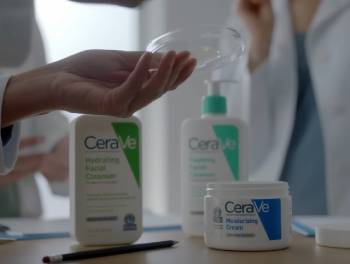
I eventually decided to try CeraVe Moisturizing Cream, the one that comes in the big round tub.
I am someone who pays attention to how a product feels over several hours, and I noticed that CeraVe felt much more like a “treatment” than a simple lotion.
I found that the texture was thick and almost matte, which was a bit of a shock compared to the fluid nature of Lubriderm.
I realized that CeraVe didn’t just make my skin feel wet; it made it feel “thick” and resilient.
I noticed that the flakiness on my shins disappeared within two days and didn’t come back even if I skipped a day of application.
I finished my personal trial realizing that these two products aren’t actually competitors in my mind; they are tools for different jobs.
I found that Lubriderm is my “summer hero” when I want to feel fresh and light.
I eventually relegated CeraVe to my “winter armor” status for when the air is bone-dry and my skin needs those ceramides to stay intact.
I noticed that my skin barrier has never been healthier because I stopped asking one product to do everything.
I found that by alternating them based on the dew point outside, I achieved that perfectly balanced skin I’ve been chasing for a decade.
Pros and Cons of CeraVe
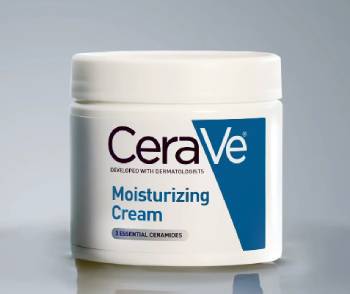
Pros of CeraVe
- Advanced Ceramide-3 Technology: It features three essential ceramides (1, 3, and 6-II) that are identical to the lipids found naturally in your skin: I found that this actually helps “glue” skin cells back together: this results in a physically stronger skin barrier that prevents moisture loss: I noticed a reduction in skin sensitivity after just one week of use.
- MVE Delivery System for 24-Hour Release: It utilizes MultiVesicular Emulsion technology to release moisturizing ingredients slowly over time: I found that I didn’t get that “midday dry spell” where my skin starts to itch again: this provides a consistent level of hydration that lasts from one shower to the next: I noticed the skin remains supple even twenty hours after application.
- Hyaluronic Acid for Intense Humectancy: It features a high concentration of hyaluronic acid to pull water from the air into the skin: I found that it makes the skin look “plump” and hydrated rather than just oily: this results in a more youthful and healthy appearance for dry limbs: I noticed it works particularly well when applied to slightly damp skin.
- Non-Comedogenic and Fragrance-Free Formula: It utilizes a strictly medical-grade approach that is free of common irritants: I found that I could use the cream on my face without worrying about breakouts: this provides a versatile all-in-one product for those with sensitive skin: I noticed it never stings, even on wind-burned or irritated areas.
- Rich Matte Finish: It features a unique texture that provides a high level of occlusion without the shiny, greasy look of traditional balms: I found that it makes the skin look velvety: this results in a professional appearance if you are wearing short sleeves or shorts: I noticed it doesn’t leave oily fingerprints on my laptop or car steering wheel.
Cons of CeraVe: The analytical drawbacks:
- Heavy and Thicker Application Process: because the cream is quite dense, it requires more “elbow grease” to spread evenly over the body: I found that it takes significantly longer to apply than a fluid lotion: this results in a bit of a chore for those who are always in a rush: I noticed that if you don’t rub it in well, it can leave white streaks on the skin.
- Higher Price Point for Specialty Ingredients: because the ceramide technology is more expensive to produce than standard mineral oils: I found that a tub of CeraVe is often twice the price of a similar volume of Lubriderm: this provides a financial hurdle for families on a strict budget: I noticed that while it lasts a long time, the initial investment is much higher.
- Can Feel “Hot” in Humid Weather: because the occlusive barrier is so effective at trapping heat and moisture: I found that during the peak of summer, I felt a bit sweaty underneath the cream: this results in a lack of comfort in tropical or high-humidity environments: I noticed it is much better suited for climate-controlled or cold interiors.
- The “Tub” Packaging Can Be Unsanitary: because you have to dip your fingers into the product repeatedly: I found that I worried about introducing bacteria into the cream over time: this provides a hygiene concern for some users: I noticed that I eventually had to buy the version with the pump top to feel better about using it.
- Lack of “Luxury” Sensory Appeal: because it is designed to be a medical product first: I found the application process to be a bit boring and clinical: this results in a lack of the “pampering” feel that some people want from their body care: I noticed it doesn’t have the nice slip or scent that makes a morning routine feel like a spa visit.
Pros and Cons of Lubriderm
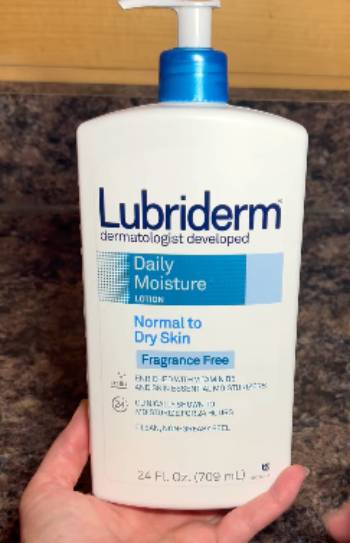
Pros of Lubriderm
- Ultra-Fast Absorption for Busy Lifestyles: It features a lightweight water-based formula that dries down in seconds: I found that it is the ultimate “lotion for people who hate lotion”: this results in a hassle-free experience that fits into a two-minute morning routine: I noticed I could put on my silk ties or dress shirts immediately without any staining.
- Pro-Vitamin B5 for Surface Softening: It utilizes pantothenic acid to improve the skin’s elasticity and smoothness: I found that it makes my skin feel incredibly soft to the touch instantly: this provides a “silky” finish that is unmatched by thicker creams: I noticed it effectively eliminates that “ashy” look on darker skin tones without adding grease.
- Clean and Fresh Sensory Profile: It features a very mild, “bar soap” clean scent in its original version: I found that it makes me feel refreshed after a morning shower: this results in a neutral base that won’t interfere with your perfume or cologne: I noticed the scent vanishes within ten minutes, leaving just the soft skin behind.
- Superior Spreadability for Large Areas: It utilizes a high-fluidity formula that allows a small amount to cover a massive amount of skin: I found that a single pump covers both of my arms easily: this provides an efficient way to moisturize your entire body without using half the bottle: I noticed the “slip” of the lotion makes it very easy to apply to hard-to-reach areas like the back.
- Extreme Value and Accessibility: It offers massive pump bottles that are frequently on sale in every major supermarket: I found it to be the most cost-effective way to keep a family of four moisturized: this results in a low-stress purchase that you don’t have to overthink: I noticed the brand is consistently available even in small-town pharmacies.
Cons of Lubriderm: The analytical drawbacks:
- Insufficient for Damaged Skin Barriers: because the formula relies on basic emollients rather than reparative ceramides: I found that it couldn’t stop my skin from peeling after a harsh winter hike: this results in a need for a secondary product when things get serious: I noticed it is a “fair-weather” moisturizer that fails under extreme stress.
- Frequent Need for Reapplication: because the lightweight nature of the lotion means it can be “worn off” by clothing or simple air exposure: I found that my skin felt dry again by 4 pm: this provides a lack of true 24-hour protection: I noticed I had to keep a smaller bottle at my desk just to keep my hands from feeling tight.
- Contains Parabens and Traditional Preservatives: because the brand sticks to older, time-tested formulas rather than “clean” trends: I found that some users with specific ingredient allergies might be put off by the label: this results in a lack of appeal for the modern, ingredient-conscious consumer: I noticed the list is quite long compared to newer, minimalist brands.
- Lacks Active Humectants Like Hyaluronic Acid: because it focuses on surface-level emollients and occlusives: I found that it doesn’t “plump” the skin or pull in extra moisture: this results in a skin texture that feels soft but doesn’t necessarily look more hydrated: I noticed it doesn’t help with the “crepey” look of very dry skin.
- Not Suitable for Clinical Eczema or Psoriasis: because it lacks the anti-inflammatory and barrier-building components required for medical skin conditions: I found that it actually made my itchy patches feel worse because it didn’t provide enough of a shield: this provides a limitation for anyone with a diagnosed skin ailment: I noticed it is purely a cosmetic hydrator for “normal” skin.
Comparison with Others
- CeraVe Vs. Lubriderm Vs. Eucerin
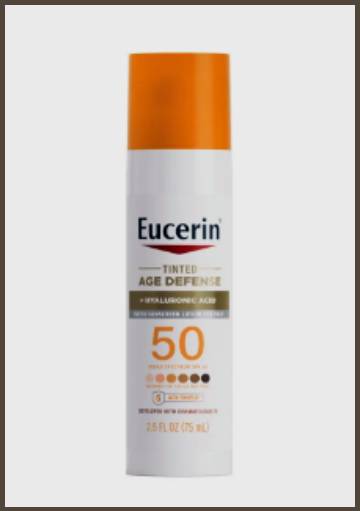
I found that Eucerin is the “heavy artillery” of the group that I noticed focuses on urea and Alpha Hydroxy Acids.
You should realize that while CeraVe is about ceramides and Lubriderm is about B5, Eucerin is about intense chemical exfoliation and hydration.
I noticed that Eucerin is often the tackiest and stickiest of the three, which I found made it the least comfortable for daily wear.
I believe that CeraVe is the best middle ground between the medical intensity of Eucerin and the daily comfort of Lubriderm.
I noticed that for extremely scaly skin, Eucerin still wins, but for general health, CeraVe is the modern standard.
- CeraVe Vs. Lubriderm Vs. Aveeno
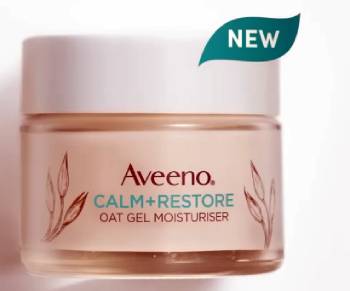
I found that Aveeno is the “soothing” specialist that I noticed relies heavily on prebiotic colloidal oatmeal.
You should realize that Aveeno is the choice if your skin is both dry and irritated or red, rather than just flaky.
I noticed that Aveeno has a “powdery” dry-down that I found to be more pleasant than CeraVe but less silky than Lubriderm.
I believe that Lubriderm is still the king of speed, but Aveeno is the king of calming down a rash or itch.
I noticed that CeraVe still provides a more robust barrier repair for those with chronically weak skin.
- CeraVe Vs. Lubriderm Vs. Cetaphil
I found that Cetaphil is the most direct competitor to Lubriderm in terms of traditional dermatologist recommendations.
You should realize that Cetaphil feels slightly “slicker” and more oily than Lubriderm, which I found can feel a bit heavy on my forearms.
I noticed that Cetaphil’s new formulas now include niacinamide and panthenol, which I found makes it more competitive with CeraVe.
I believe that Lubriderm is still the winner for those who want a “water-like” weightless feel.
I noticed that CeraVe is still the winner for those who specifically want the “MVE” time-release technology.
- CeraVe Vs. Lubriderm Vs. La Roche-Posay Lipikar
I found that La Roche-Posay is the “premium” version of CeraVe that I noticed uses thermal spring water and shea butter.
You should realize that this brand is significantly more expensive than both Lubriderm and CeraVe.
I noticed that Lipikar AP+M is incredibly thick and healing, which I found to be superior even to CeraVe for eczema.
I believe that Lubriderm is the better value for someone with no skin problems, while La Roche-Posay is the “luxury cure” for the most sensitive users.
I noticed that CeraVe remains the most analytical “bang-for-your-buck” option for ceramide lovers.
- CeraVe Vs. Lubriderm Vs. Vaseline Intensive Care
I found that Vaseline is the budget-friendly alternative that I noticed uses micro-droplets of petroleum jelly.
You should realize that Vaseline is surprisingly effective for its price point, but I found it lacks the sophisticated “skin-identical” ingredients of CeraVe.
I noticed that Vaseline’s texture is closer to Lubriderm than CeraVe, making it easy to spread.
I believe that Lubriderm has a “cleaner” feel than Vaseline, which I found can sometimes leave a slight film.
I noticed that for a basic, no-frills lotion, Vaseline is a solid runner-up to Lubriderm’s crown of convenience.
Frequently Asked Questions (FAQs)
It is better if you prioritize a weightless, fast-absorbing feel for normal skin, but CeraVe is superior for repairing very dry or damaged skin.
Yes, it has been a staple recommendation for decades, particularly for patients who need a basic, non-comedogenic daily moisturizer.
Absolutely; it is currently one of the most widely recommended brands in the world due to its focus on ceramides and its clinically proven barrier-repair technology.
For severe eczema, La Roche-Posay Lipikar or Eucerin Roughness Relief may work better due to higher concentrations of lipids or exfoliating agents like urea.
Final Thoughts
You should buy CeraVe if you want to actively rebuild your skin’s barrier and you don’t mind a thicker, more clinical application process.
I have found that after testing both for years, I would recommend Lubriderm to you if your skin is already healthy and you just need a light, silky layer of protection to get through the day.
I believe that for the average person, the best strategy is to keep a tub of CeraVe for your nighttime “repair” and a bottle of Lubriderm for your daytime “comfort.”
I hope this helps you achieve the softest, healthiest skin of your life!