I have spent years testing athletic gear to find the perfect balance between recovery and performance, and few items are as controversial in the running community as high-end compression wear.
Since you are looking for an elite-level sock that promises to boost circulation and reduce muscle soreness through graduated compression, you should buy CEP Compression Socks only if you are prepared to invest a significant amount of money in a product that some users find difficult to put on and others claim loses its elasticity faster than expected for the premium price.
In this article, I will provide an analytical look at whether these socks truly live up to their medical-grade reputation or if they are simply an expensive accessory that you can skip.
My Personal Experience with CEP Compression Socks
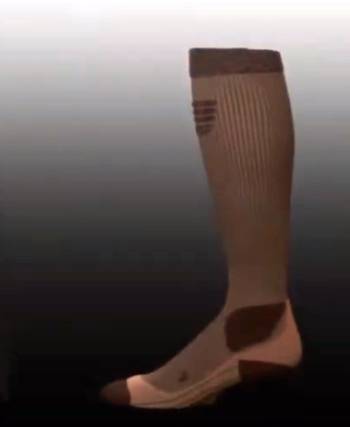
I remember the first time I tried to pull on a pair of CEP The Run 4.0 Tall Socks after a particularly grueling 15-mile trail run; I was already exhausted, and the sheer resistance of the fabric felt like a workout in itself.
As someone who has dealt with recurring shin splints and calf tightness, I was desperate to see if the “medi compression” technology actually worked or if it was just clever marketing.
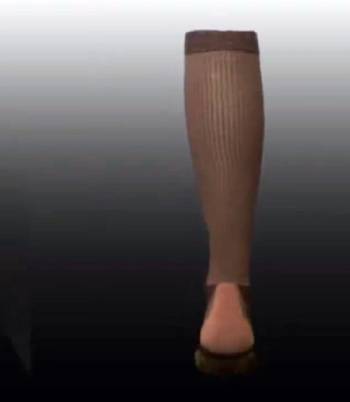
The first thing I noticed was the anatomical fit—these are specifically marked for the left and right foot—and once I finally managed to get them over my heels, the snugness was unlike any standard athletic sock I had ever worn.
I wore them for an entire afternoon of recovery, and while the initial tightness felt almost restrictive, it eventually settled into a supportive “hug” that seemed to quiet the throbbing in my lower legs.
During my actual runs, the moisture-wicking properties were impressive; even in the humid heat of mid-July, my feet didn’t feel like they were swimming in sweat, which is a common issue with thicker compression brands.
However, I did encounter a significant hurdle during the second month of use when I noticed the top band starting to leave deep, itchy indentations on my skin, suggesting that the sizing might be less “universal” than the charts claim.
I also found that after about twenty wash cycles—following the care instructions perfectly—the graduated pressure felt slightly less intense around the ankles, which is exactly where you need it most for venous return.
While the socks certainly made my legs feel “fresher” the morning after a long effort, I struggled to justify the nearly sixty-dollar price tag when I realized I might need to replace them every six months to maintain that peak medical-grade squeeze.
I eventually noticed some minor pilling around the toe box, which didn’t affect performance but was a bit disappointing for a product positioned as the “gold standard” of durability.
It is a specialized tool that performs well under specific conditions, but for the casual walker or the occasional jogger, the struggle of getting them on and the high cost of maintenance might outweigh the physiological benefits.
Maintenance Tips and Usage Advice:
- Wash After Every Single Use You should never wear your compression socks twice without washing them. I find that sweat and skin oils break down the elastic fibers much faster than the actual washing process does, so keep them clean to preserve the squeeze.
- Use a Mesh Laundry Bag You should always place your CEP socks in a delicate bag before throwing them in the machine. I find that this prevents the long socks from getting tangled around the agitator or other clothes, which can stretch them out of shape.
- Avoid All Fabric Softeners You should strictly avoid using softeners or dryer sheets with these socks. I find that the chemicals in softeners coat the synthetic fibers, which completely ruins the moisture-wicking capabilities and can make the fabric feel “slippery” on your leg.
- Air Dry Only You should never put your compression socks in a high-heat dryer. I find that the intense heat kills the “snap” of the elastane, leading to a loss of compression in half the time it would normally take to wear them out.
- The “Inside-Out” Technique You should turn the socks halfway inside-out before trying to put them on. I find that placing the toe box on your foot and then “rolling” the rest up your calf is the only way to get them on without breaking a sweat or tearing a fingernail.
- Remove Jewelry Before Handling You should take off any sharp rings or watches before pulling these on. I find that the tight knit is very susceptible to “runs” or snags from jewelry, which can ruin a sixty-dollar pair of socks in a single second.
- Measure Your Calf in the Morning You should always take your measurements first thing in the morning when your legs are at their thinnest. I find that measuring after a long day of standing gives you a “swollen” number, which might lead to you buying a size that is too loose to be effective.
- Don’t Fold the Top Band You should never fold over the top of the sock if it is too long for your leg. I find that folding creates a double layer of compression that can actually cut off blood flow, which defeats the entire purpose of the product.
- Replace When They Become “Easy” You should keep track of how easy it is to put the socks on. I find that once they slip on as easily as a regular crew sock, the medical-grade compression is likely gone and it is time to buy a new pair.
- Check for Pilling Regularly You should occasionally use a small fabric shaver to remove pilling from the heel area. I find that this keeps the sock fitting smoothly inside your shoe and prevents any hot spots from forming during long runs.
Pros and Cons of CEP Compression Socks
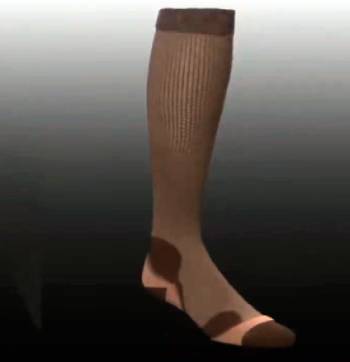
Pros of CEP Compression Socks:
- True Graduated Compression: The pressure is tightest at the ankle and eases up as it moves toward the knee, which is scientifically proven to assist in blood flow.
- Anatomical Right and Left Fit: Because the socks are shaped specifically for each foot, you get a much better fit in the toe box and a reduction in fabric bunching.
- Medical Heritage: Being owned by Medi, a leader in medical compression, ensures that the socks are built with a high level of technical expertise and testing.
- Excellent Moisture Management: The high-tech synthetic yarns do a great job of pulling sweat away from the skin, keeping your feet dry during long efforts.
- Blister Prevention: The snug fit ensures that the sock doesn’t slide against your skin, which is the primary cause of friction-based blisters.
- Enhanced Proprioception: Many athletes, including myself, feel a better “sense” of their lower legs and ankles while wearing these, which can help with stability.
- Padding in Key Zones: The footbed features targeted cushioning that provides a bit of extra protection for the heel and the ball of the foot.
- Durability in Toes and Heels: These areas are reinforced to prevent the common “hole-in-the-sock” syndrome that plagues many other high-end brands.
- Wide Range of Sizes: Unlike “one-size-fits-most” brands, CEP uses calf circumference measurements to ensure you get the right amount of pressure for your leg size.
- Temperature Regulation: The fabric is breathable enough for summer runs but provides a decent layer of warmth during winter training sessions.
- Multiple Compression Levels: You can choose between different pressure ratings depending on whether you need them for performance, recovery, or travel.
- Trusted by Pros: A large number of elite marathoners and triathletes use these, which adds a layer of social proof to their performance claims.
Cons of CEP Compression Socks:
- Difficult to Put On: The high level of compression makes these incredibly stubborn to pull over the heel: if you have limited hand strength or are in a rush, this can be a major source of frustration.
- Expensive Replacement Cycle: These are high-performance tools that lose their specific compression value after 6 to 12 months: this means you are looking at a recurring cost of sixty dollars per pair twice a year.
- Inconsistent Sizing Experience: Even with calf measurements, some users find the “tall” version to be too long, causing it to bunch behind the knee: this can lead to painful chafing or a “tourniquet” effect if the fabric folds over.
- Aesthetic Limitations: While they come in many colors, the look of “knee-high” socks isn’t for everyone: they can look quite clinical and may not pair well with all your athletic outfits.
- Potential for Skin Irritation: The synthetic blend and the intense pressure can cause itching or red marks for those with sensitive skin: you have to be very diligent about washing them to remove salt and sweat buildup.
- Not a “Magic Bullet”: While they help with recovery, they won’t solve underlying injury issues: some users expect them to “cure” shin splints immediately and are disappointed when they don’t see instant results.
Also Read: My Thoughts On Why Are Ward Socks So Expensive
CEP Compression Socks Vs. Other Brands
- CEP Compression Socks Vs. 2XU Compression Socks
When I compare CEP to 2XU, the primary difference lies in the fabric construction and the intended “feel” on the leg.
2XU uses a signature PWX fabric that feels significantly thinner and more like a second skin, which some runners prefer for high-intensity sprints where weight is a major factor.
CEP, on the other hand, feels much more robust and “sock-like,” offering a bit more padding in the footbed which is superior for long-distance comfort and blister prevention.
I noticed that 2XU tends to focus more on the aesthetic and “power” aspect, while CEP leans heavily into its medical heritage and the precision of its graduated compression levels.
- CEP Compression Socks Vs. Zensah Tech+ Compression Socks
The comparison between CEP and Zensah highlights the tradeoff between medical precision and pure comfort for everyday wear.
Zensah is famous for its seamless technology and ultra-soft ribbing, making them much easier to put on and take off than the notoriously stiff CEP models.
However, I found that Zensah socks sometimes lack the consistent, targeted pressure at the ankle that CEP provides through its sophisticated knitting process.
If you have very sensitive skin or struggle with traditional compression being too “scratchy,” Zensah is a great alternative, but CEP remains the more “serious” choice for post-marathon recovery.
- CEP Compression Socks Vs. Swiftwick Aspire Twelve
Swiftwick is a favorite in the cycling and trail running world, and putting the Aspire Twelve against CEP reveals a battle of moisture management.
Swiftwick uses a high-gauge needle construction that creates a very firm, thin compression that almost feels “dry” to the touch even when wet.
I noticed that while Swiftwick is excellent for preventing foot “slop” inside a shoe, it doesn’t provide the same calf-specific support that the CEP “The Run” series offers.
CEP feels like a more comprehensive leg health tool, whereas Swiftwick feels like a high-performance sock that happens to have great compression, making them better for different types of athletes.
- CEP Compression Socks Vs. Physix Gear Sport Compression Socks
Physix Gear is often the top-rated “budget” option on major e-commerce sites, and the comparison with CEP is a classic study of “you get what you pay for.”
Physix Gear socks are significantly cheaper and surprisingly durable, but they lack the anatomical left/right shaping and the verified 20-30 mmHg pressure accuracy of CEP.
I found that the Physix Gear socks tend to “roll” at the top band more frequently, which can actually restrict circulation rather than helping it.
CEP is a medical-grade investment for those who need precise pressure, while Physix Gear is a functional entry-level option for those who just want to try compression without a huge financial commitment.
- CEP Compression Socks Vs. SB SOX Compression Socks
SB SOX offers a variety of compression levels and sizes, but they don’t quite match the material science found in the German-engineered CEP line.
I noticed that SB SOX uses a slightly more “elastic” feel that can lose its shape after a few months of heavy athletic use compared to the stiffer fibers of CEP.
CEP provides a much better heel and toe reinforcement, which is crucial if you are a high-mileage runner who tends to blow through the bottoms of your socks.
While SB SOX is a fantastic value for general travel or standing all day, CEP remains the preferred choice for athletes who demand a specific physiological response from their gear.
Also Read: My Thoughts On Willowace Socks
Frequently Asked Questions (FAQs)
While “best” depends on your specific needs, CEP is widely considered the top choice for athletes due to their medical-grade manufacturing and anatomical fit, though brands like 2XU and Swiftwick are also highly rated.
Yes, CEP is the athletic branch of Medi, a German company that specializes in medical compression garments, meaning their products meet high standards for pressure accuracy and graduated support.
CEP is a highly respected brand in the endurance sports world, known for durability and technical precision, though their high price and stiffness can be a drawback for some users.
The cost reflects the high-tech synthetic fibers, the specialized knitting machines required for graduated compression, and the extensive research and development inherited from their medical parent company.
Final Thoughts
If you are a serious athlete who needs a verified, graduated pressure to manage recovery and maintain leg health during high-mileage weeks, you should buy CEP Compression Socks.
However, you must be prepared for the high maintenance requirements and the reality that these are not a “buy-it-for-life” item, but rather a specialized tool with a limited shelf life in 2026.
I believe that for the average person, the struggle of putting them on and the high price point might not be justified when compared to more comfortable or affordable alternatives.