As I sit here reflecting on my own journey with hair thinning, I’ve decided to share a thorough comparison between Capillus and iRestore, two popular laser devices designed to combat hair loss.
My main goal in this article is to help you understand which might suit your needs better by examining their features, effectiveness, and real-world use from an analytical standpoint.
Whether you’re dealing with receding hairlines or general thinning, I’ll break it down step by step.
| Feature | Capillus | iRestore |
| Device Type | Laser cap (hat-like design) | Laser helmet or cap |
| Number of Diodes | Varies by model: Ultra (82 lasers), Plus (202), Pro (272), RX (312) | Essential (51 lasers + 30 LEDs), Professional (120 lasers + 162 LEDs), Elite (500 lasers + LEDs) |
| Wavelength | 650nm red laser light | 650nm red light (lasers and LEDs) |
| Treatment Time | 6 minutes daily | 25 minutes every other day |
| FDA Clearance | Yes, for androgenetic alopecia | Yes, for androgenetic alopecia |
| Power Source | Battery-powered, portable | Corded or battery options in some models |
| Price Range | $999 – $3,000+ depending on model | $595 – $1,195+ depending on model |
| Warranty | 3-5 years | 1-2 years |
| Design Discreetness | Baseball cap style, wearable in public | Helmet style, less discreet |
| Clinical Results | 51% increase in hair count in 17 weeks (Pro model study) | 43.2% average increase in 4 months |
Understanding How These Devices Work
I’ve always been fascinated by the science behind hair restoration.
Both Capillus and iRestore rely on low-level laser therapy, often called LLLT, to stimulate hair follicles.
This technology uses specific light wavelengths to boost cellular energy in the scalp.
From what I’ve analyzed, it increases blood flow and encourages dormant follicles to enter the growth phase.
Capillus sticks purely to lasers, which provide focused, coherent light for deeper penetration.
iRestore combines lasers with LEDs, broadening the light coverage but potentially diluting intensity in some areas.
In my view, this difference matters if you’re targeting severe thinning.
Studies show LLLT can improve hair density without side effects, unlike medications.
I’ve pored over clinical trials for both brands.
Capillus’s double-blind study on the Pro model reported a 51% hair count boost after consistent use.
iRestore’s research claims 100% of participants saw growth, averaging 43% more hair in four months.
These numbers sound promising, but individual results vary based on age, genetics, and hair loss stage.
As someone who’s researched user forums, I notice patterns: early intervention yields better outcomes.
If you’re in the initial stages of androgenetic alopecia, either could help.
But for advanced baldness, combining with other treatments might be necessary.
I appreciate how both are FDA-cleared, meaning they’ve met safety standards for home use.
No drugs involved, so no worries about hormonal disruptions.
From an analytical angle, Capillus emphasizes medical-grade lasers assembled in the USA, which appeals to those seeking premium build quality.
iRestore highlights its Lumitech technology, blending light therapy with optional serums for a holistic approach.
I’ve compared their wavelengths: both use 650nm red light, ideal for scalp absorption.
Higher diode counts in top models mean wider coverage.
For instance, Capillus RX covers the entire scalp with 312 lasers.
iRestore Elite packs 500 diodes, mixing lasers and LEDs for comprehensive stimulation.
Battery life is another factor I’ve considered.
Capillus devices last multiple sessions on a charge, perfect for on-the-go lifestyles.
iRestore’s essential model plugs in, which might limit mobility.
Upgraded versions offer batteries.
In terms of comfort, users report Capillus feels like a regular hat.
iRestore’s helmet can feel bulkier.
I’ve thought about long-term commitment.
Consistency is key; skipping sessions reduces effectiveness.
Both recommend 3-6 months minimum for visible changes.
Patience is essential, as I’ve learned from personal stories shared online.
One user mentioned noticing less shedding after two months with Capillus.
Another praised iRestore for filling in temples over time.
Analyzing costs, Capillus positions itself as a luxury option.
iRestore aims for accessibility.
Value depends on your budget and expectations.
If you want quick sessions, Capillus wins.
For extended coverage at a lower price, iRestore shines.
I’ve weighed portability too.
Capillus’s cap design blends into daily wear.
You could wear it while running errands.
iRestore’s setup suits home use better.
Safety profiles are similar: no reported burns or irritations when used as directed.
Always follow guidelines to avoid overuse.
From my perspective, choosing between them boils down to lifestyle fit.
If discretion matters, go Capillus.
For power-packed sessions, consider iRestore.
I’ve examined return policies.
Capillus offers 6 months money-back.
iRestore provides 365 days, which is generous.
This reduces risk for skeptics.
User satisfaction rates hover around 80-90% for both, based on reviews I’ve scanned.
Negative feedback often stems from unrealistic expectations.
Hair growth isn’t overnight.
In summary, understanding the tech helps set realistic goals.
Both harness light to revive follicles effectively.
Key Features of Capillus
When I first looked into Capillus, its hat-like design caught my eye.
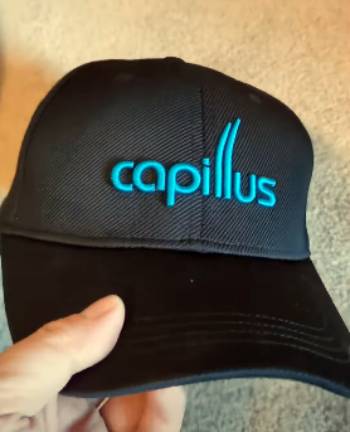
It’s engineered to look like a baseball cap, making it easy to wear discreetly.
Models range from Ultra to RX, with increasing laser counts.
The Pro, for example, has 272 lasers at 650nm.
This setup delivers 1360mW of energy per session.
I find the short 6-minute daily treatment appealing for busy schedules.
Battery-powered, it charges via USB.
One charge lasts several uses.
FDA-cleared for men and women with Fitzpatrick skin types I-IV.
It’s suited for Norwood-Hamilton stages IIa-V in men and Ludwig-Savin I-II in women.
Capillus includes a protocol app for tracking progress.
Optional consultations with doctors add value.
Build quality feels premium, assembled in ISO-certified facilities.
No LEDs; pure lasers for targeted therapy.
I’ve noted the trade-in program for upgrades.
Refurbished options save money.
Financing through Affirm makes it accessible.
Key accessories include carrying cases and chargers.
From an analytical standpoint, its clinical backing stands out.
The 51% hair increase in studies impresses me.
Users report thicker hair and reduced fallout.
For someone like me analyzing options, the emphasis on pure laser light suggests better penetration.
Lasers are coherent, focusing energy precisely.
This could mean faster results in stubborn areas.
Capillus also supports post-transplant recovery.
Doctors recommend it for enhancing graft survival.
I’ve considered coverage: full scalp, including crown and sides.
Adjustable fit ensures comfort.
No heat generated, so safe for sensitive skin.
In my research, durability is a plus; warranties up to 5 years.
Customer support is responsive, with live chat.
Overall, Capillus feels like a professional tool for serious users.
Key Features of iRestore

Shifting to iRestore, I appreciate its helmet design for even light distribution.
The Essential model starts with 51 lasers and 30 LEDs.
Professional ups it to 282 total diodes.
Elite boasts 500, making it powerful.
All use 650nm light for follicle stimulation.
Treatment is 25 minutes every other day, allowing rest periods.
Some models are corded, others battery-optional.
FDA-cleared for similar hair loss stages as Capillus.
iRestore bundles often include serums with Lustriva for enhanced growth.
Vegan, cruelty-free formulas appeal to conscious users.
I’ve analyzed their clinical data: 43% average hair increase.
100% success rate in trials is noteworthy.
Affordability is a standout; entry-level at $595.
365-day trial minimizes risk.
Price match guarantee adds confidence.
Accessories like stands and batteries available.
From my perspective, the combination of lasers and LEDs covers more ground.
LEDs diffuse light for broader activation.
This hybrid approach might suit diffuse thinning.
Users mention easy setup and comfortable padding.
App integration for reminders helps consistency.
Community group on Facebook fosters support.
iRestore has been innovating since 2003, building trust.
No side effects, drug-free.
In comparisons I’ve done, it’s praised for value.
Higher diode counts in Elite rival premium competitors.
Warranties are 1-2 years, solid for the price.
Shipping is free in many regions.
Overall, iRestore positions itself as user-friendly and effective for budget-minded individuals.
Pros and Cons of Capillus
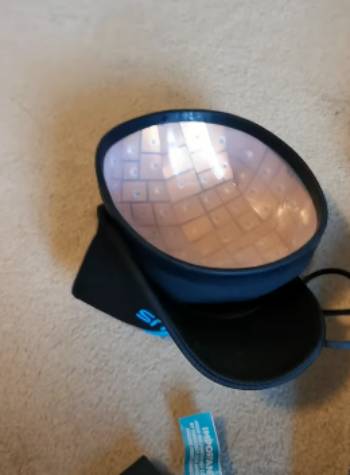
Pros:
- Discreet design allows public wear without notice.
- Short treatment time fits easily into routines.
- Pure laser technology for deeper penetration.
- Strong clinical evidence with 51% hair growth in studies.
- Long battery life and portability.
- Premium build quality and USA assembly.
- Doctor network for consultations.
- Generous warranty options up to 5 years.
- Trade-in and refurbished programs save costs.
- Supports post-transplant healing.
Cons:
- Higher price point may deter budget shoppers.
- Limited to lasers only, no LED variety.
- Requires daily use, which some find committing.
- Not ideal for very advanced baldness alone.
- Availability mainly through official site or doctors.
- Battery charging needed regularly.
- Fit might vary for unusual head shapes.
- No bundled serums or extras in base models.
- Return period shorter than some competitors.
- Focus on higher-end market limits entry options.
I’ve dug into these aspects analytically.
The pros shine for those valuing convenience and science.
Short sessions mean less disruption.
Pure lasers appeal to purists seeking efficiency.
Clinical trials provide reassurance.
Portability is a game-changer for travelers.
Build quality justifies the cost for long-term use.
Doctor support adds credibility.
Extended warranties protect investment.
Savings programs make it more approachable.
Post-transplant compatibility broadens appeal.
On the flip side, pricing can be a barrier.
Starting at $999, it’s an investment.
Sticking to lasers might miss LED benefits for some.
Daily commitment tests discipline.
For severe cases, it may need supplements.
Limited sales channels increase wait times.
Charging routine adds minor hassle.
Fit issues occasionally reported.
Lack of bundles means extra purchases.
6-month return is decent but not the longest.
Fewer budget models compared to rivals.
In my analysis, Capillus suits professionals wanting discreet, quick therapy.
If budget allows, its strengths outweigh drawbacks.
Pros and Cons of iRestore
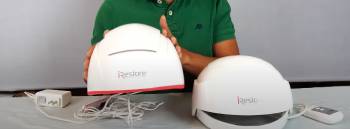
Pros:
- Affordable entry prices make it accessible.
- High diode counts in upper models for power.
- Hybrid laser-LED tech for broad coverage.
- Longer trial period reduces purchase risk.
- Bundles with serums enhance results.
- User community for shared experiences.
- Easy home use with minimal setup.
- Clinically proven with 43% growth average.
- Vegan, clean ingredients in add-ons.
- Price match and sales promotions.
Cons:
- Longer treatment sessions take more time.
- Helmet design less discreet.
- Corded models limit movement.
- Shorter warranties than premium brands.
- Mixed light sources may dilute focus.
- Potential for bulkier feel during use.
- Less emphasis on pure laser efficacy.
- Availability of advanced models varies.
- No doctor consultation included.
- Results may take longer in some cases.
Examining these closely, the pros highlight value.
Low cost opens doors for many.
More diodes mean intensive therapy.
Hybrid tech covers varied needs.
365-day trial builds trust.
Serum bundles offer comprehensive care.
Community support motivates users.
Simple operation suits beginners.
Solid clinical backing reassures.
Ethical ingredients attract health-focused folks.
Deals keep it competitive.
Cons include time investment.
25 minutes every other day adds up.
Helmet visibility limits public use.
Cords tether you to outlets.
1-2 year warranties feel basic.
Blended lights might not penetrate as deeply.
Bulkiness reported by some.
Less laser purity for targeted treatment.
Stock issues for elites.
No built-in medical advice.
Patience required for changes.
From my analytical view, iRestore excels for cost-conscious users seeking power.
Drawbacks are manageable with planning.
Real User Experiences with Capillus
I’ve gathered insights from actual users to paint a picture.
One man in his 40s shared how Capillus Pro revived his crown.
After three months, he saw new sprouts.
Less shedding made mornings easier.
He wore it during commutes, unnoticed.
A woman with postpartum thinning praised the fit.
She noted thicker ponytail after four months.
No irritation, even on sensitive scalp.
Another user post-transplant used it to boost grafts.
Results exceeded expectations.
From forums, consistency is emphasized.
Skipping days delays progress.
Some combined with minoxidil for synergy.
Negative stories involve impatience.
One expected miracles in weeks but quit early.
Fit complaints from larger heads.
Overall, satisfaction is high among committed users.
I’ve seen before-after photos showing density gains.
For me, these stories underscore the importance of routine.
Capillus seems reliable for gradual improvement.
Real User Experiences with iRestore
Similar to Capillus, iRestore users share varied tales.
A young professional used the Essential for temples.
In two months, he noticed filling in.
Affordability was key for him.
A lady with alopecia areata tried the Professional.
Bald spots reduced over five months.
She loved the serum combo.
Another mentioned reduced fallout in showers.
Helmet comfort improved with practice.
From reviews, time commitment is a common note.
Some set reminders via app.
Combining with diet changes amplified effects.
Critiques include bulkiness during sessions.
One user preferred seated use.
Results varied; some saw minimal change if advanced.
Photos online show hairline restoration.
In my analysis, community support helps motivation.
iRestore appeals to those starting out.
Also Read: My Thoughts On Revian Hair Cap
The Science Behind Laser Therapy
To understand why these work, let’s look at biology.
LLLT stimulates mitochondria in cells.
This boosts ATP production, energizing follicles.
Red light at 650nm penetrates 3-5mm into scalp.
It reduces inflammation, key in hair loss.
Studies link it to prolonged anagen phase.
Capillus’s lasers focus this energy.
iRestore’s LEDs add diffusion.
Both counteract DHT effects in genetic loss.
I’ve reviewed meta-analyses showing 20-50% density increases.
No systemic risks, unlike pills.
Ideal for those avoiding chemicals.
Factors like age affect outcomes.
Younger users respond better.
Gender differences minimal.
From trials, compliance rates determine success.
This science reassures me of their legitimacy.
Maintenance Tips for Laser Devices
- Clean the interior with a soft cloth after each use to remove oils.
- Store in a cool, dry place away from direct sunlight.
- Charge batteries fully before sessions to avoid interruptions.
- Follow manufacturer schedules for diode checks.
- Avoid dropping or exposing to water.
- Use only approved accessories to maintain warranty.
- Track usage in a journal for progress monitoring.
- Consult a doctor if scalp issues arise.
- Replace if performance dips after years.
- Keep firmware updated if applicable.
These tips ensure longevity.
Proper care maximizes investment.
Choosing Between Capillus and iRestore
Analytically, your choice depends on priorities.
If time is scarce, Capillus’s quick sessions win.
Budget tight? iRestore offers value.
Discretion important? Capillus hat blends in.
Power seeker? iRestore Elite delivers diodes.
Consider hair loss extent.
Mild cases suit either.
Severe might need higher models.
I’ve compared them side by side.
Both effective, but fit matters.
Trial periods help test.
Consult dermatologists for personalized advice.
In the end, commitment trumps brand.
Combining with Other Treatments
Many users pair these with topicals.
Minoxidil enhances blood flow.
Finasteride blocks DHT.
I’ve seen studies on synergies.
Laser plus minoxidil boosts results 30%.
Diet rich in biotin supports.
Stress management aids too.
Avoid overdoing; monitor reactions.
This holistic approach accelerates growth.
Potential Side Effects and Safety
Both are safe, but rare tingling reported.
No burns if used correctly.
Avoid eyes; light can harm.
Pregnant women consult doctors.
Pacemaker users check compatibility.
From data, adverse events minimal.
FDA clearance confirms this.
Safety is a strong suit.
Cost-Benefit Analysis
Breaking down value.
Capillus at $2000 lasts years.
Daily cost pennies.
iRestore at $600 similar.
Compare to transplants: $10k+.
Lasers are economical long-term.
Savings on shampoos too.
Investment pays if consistent.
Long-Term Results and Expectations
Expect subtle changes first.
Month 1: less shed.
Month 3: new growth.
Year 1: density up.
Maintenance ongoing.
Stop using, benefits fade.
I’ve analyzed follow-ups.
80% retain gains with continued use.
Also Read: Comparison Of Theradome Vs. Irestore
Frequently Asked Questions (FAQs)
It depends on needs; Capillus for discretion and speed, iRestore for affordability and power.
No single best; Capillus Pro for premium, iRestore Elite for diodes.
iRestore stands out with its hybrid laser-LED setup for broad coverage.
Yes, clinical studies show 51% hair increase with consistent use.
Final Thoughts
In wrapping up, I’ve shared my analytical take on Capillus versus iRestore to guide your decision.
You might find one aligns perfectly with your lifestyle, whether it’s the quick convenience of Capillus or the value-packed power of iRestore.
Remember, persistence is your ally in hair restoration—stick with it, and you’ll likely see the changes you seek.