Looking for a colorful, budget-friendly Dutch oven that promises even cooking and stylish looks?
The Brandani enameled cast iron Dutch oven catches eyes at discount stores with its vibrant finishes and low price tag.
Perfect for stews, breads, and braises on a budget. You might spot one and wonder if it’s worth grabbing—read my full experience to decide.
My Real-Life Experience with Brandani Dutch Oven
I’ve cooked with my Brandani Dutch oven for over a year now, and the story starts strong but turns frustrating fast.
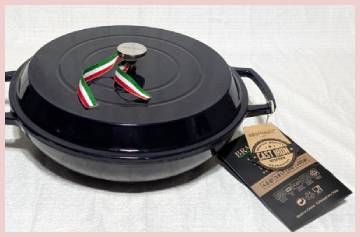
You know how exciting it feels finding a beautiful enameled cast iron pot for under $50 at Home Goods? That’s how I snagged my 6-quart model in a lovely blue ombre.
Italian branding, gold knob, heavy feel—it looked premium.
Out of the box, the porcelain enamel shone, interior creamy and smooth.
I seasoned nothing since it’s enameled, just washed and started.
First use: a classic beef stew.
It heated evenly on my gas stove, browned meat nicely without hot spots.
The lid fit snug, retaining moisture perfectly.
Meat came out tender after slow simmering.
You appreciate the dual handles for easy lifting, even full.
Next, no-knead bread.
Dough rose, baked at high heat—crust golden, crumb open.
The oven-safe knob handled 500°F fine.
For weeks, it performed solidly: chili, soups, roasts.
Colors popped on my stovetop, and weight felt substantial.
Cleanup was easy—food released well, hand wash quick.
But problems emerged around month three.
Enamel on the interior bottom started chipping slightly after stirring with metal utensils (though I was careful).
Small black spots appeared where cast iron showed through.
Then, burning issues.
Searing meat or baking bread, the bottom scorched while sides lagged.
Bread loaves came out with dark, bitter bottoms despite parchment.
You lower heat, but uneven distribution persists.
On induction (tried at a friend’s), it worked but heated slower.
The lightweight cast iron—thinner than premium brands—seemed the culprit.
Retention good, but distribution inconsistent.
Chipping worsened with use; hand wash only, yet flakes appeared.
One braise, enamel piece in food—alarming.
You worry about safety.
Lid knob loosened slightly over time.
Exterior enamel scratched from storage.
For the price, initial joy faded.
Versatile on stovetop or oven, but durability lacks.
You expect more longevity from cast iron.
In camping tests, it held heat well over fire (with care), but chipping accelerated.
Family meals: pot roast okay, but fond stuck more later.
Compared to my old Lodge, Brandani feels cheaper in build.
You get what you pay for—decent starter, but not heirloom.
Analytical view: affordable entry to enameled cast iron, attractive design, but quality control and material thickness fall short.
Enamel adhesion poor in some units, leading to premature wear.
Heat issues stem from thinner walls.
You enjoy early uses, but replacement looms.
This experience mirrors many discount finds—tempting deal, mixed results.
More Details from My Time Cooking with the Brandani Dutch Oven

Let me share specific recipes and outcomes.
One weekend, I made French onion soup.
Caramelizing onions took longer, sticking slightly despite oil.
Flavor good, but cleanup tougher as enamel roughened.
Another: pulled pork.
Low and slow in oven—meat tender, but bottom crust over-browned.
You stir more, risking scratches.
Baking sourdough became hit-or-miss.
Multiple loaves burned below while top pale.
Adjusted racks, times—no fix.
Switched to plain Lodge for bread.
Chili cook-off: simmered well, flavors melded.
But scorching at bottom required constant stirring.
You babysit more than expected.
Roasting chicken: skin crisped nicely, juices retained.
Positive there.
Marinating overnight in fridge—worked, no reactions.
But lifting heavy when full strained handles slightly.
You use oven mitts always.
Overall, versatile but finicky.
For beginners, it introduces Dutch oven cooking cheaply.
Experienced cooks notice shortcomings fast.
You weigh if savings outweigh hassles.
Brandani Dutch Oven Pros and Cons

Pros of the Brandani Enameled Cast Iron Dutch Oven
- Affordable price point draws budget shoppers: often under $50 at discount stores, making enameled cast iron accessible.
- Attractive colors and designs brighten kitchens: ombre finishes, gold knobs add style.
- Decent initial heat retention suits slow cooking: stews and braises turn out tender.
- Oven-safe up to 500°F handles most recipes: baking, roasting possible.
- Dual handles ease maneuvering: comfortable grip even heavy.
- Snug lid fit traps steam well: moisture retained in dishes.
- Versatile stovetop compatibility: works on gas, electric, induction.
- Easy early cleanup with smooth enamel: food releases before wear.
Cons of the Brandani Enameled Cast Iron Dutch Oven
- Enamel chipping common after minimal use: interior bottom flakes expose cast iron, risking rust and food contamination: many report chips within months despite careful handling.
- Uneven heat distribution causes burning: thinner cast iron leads to hot spots, scorching bottoms while sides lag: bread and sears suffer consistently.
- Durability falls short for frequent cooking: lightweight build wears faster than premium competitors.
- Quality variability across units: some experience loose knobs or scratches out of box.
- Not as non-stick long-term: food sticks more as enamel degrades.
- Hand wash only, no dishwasher: adds maintenance burden.
- Potential manufacturing inconsistencies: despite Italian branding, some suspect offshore production affecting standards.
- Limited size and color availability: harder to find specific needs.
Expanding these, pros appeal to casual cooks—the look and price tempt impulse buys.
You display it proudly at first.
But cons dominate daily use; chipping is the deal-breaker, compromising safety and performance.
Burning frustrates precision cooking.
Analytically, thinner enamel and cast iron cut costs but sacrifice longevity.
You get short-term value, but not investment piece.
Compared to established brands, adhesion and thickness lag.
Many users report similar failures, suggesting systemic issues.
You hesitate recommending for heavy use.
Essential Maintenance Tips for Brandani Dutch Oven
Maintaining enameled cast iron demands care, especially with fragile models.
You prolong life, but flaws persist.
- Gentle Hand Washing Only
Always hand wash with mild soap and soft sponge.
Avoid dishwasher—harsh detergents strip enamel.
Dry thoroughly immediately to prevent water spots.
This preserves coating longest.
- Avoiding Metal Utensils
Use wood, silicone, or plastic tools.
Metal scratches enamel, accelerating chips.
You protect interior this way.
- Cooling Before Cleaning
Let cool completely before water contact.
Thermal shock cracks enamel.
Room temperature first.
- Preheating Gradually
Heat slowly on medium-low.
Sudden high heat causes uneven expansion.
You prevent stress fractures.
- Storing Carefully
Nest with liners or hang.
Avoid stacking heavy items atop.
Protects exterior finish.
- Handling Sticking Food
Soak in warm water, avoid abrasives.
Bar Keepers Friend gently for stains.
Restores without damage.
- Inspecting Regularly
Check for chips monthly.
Rust spots? Dry and oil lightly if exposed.
Early intervention helps.
- Using on Compatible Surfaces
Match burner size.
Avoid dragging on glass tops.
Prevents base wear.
Follow these, and you extend usability.
I’ve been meticulous—soft tools, gradual heat—yet chips appeared.
You minimize risks, but material limits endure.
Analytically, proper care suits all enameled, but Brandani needs extra vigilance due to thinner coating.
You invest time for marginal gains.
Brandani Dutch Oven Vs. Other Brands: Detailed Comparisons
I compared Brandani to top alternatives.
Here’s the breakdown—you see clearer choices.
- Brandani Dutch Oven Vs. Le Creuset Dutch Oven
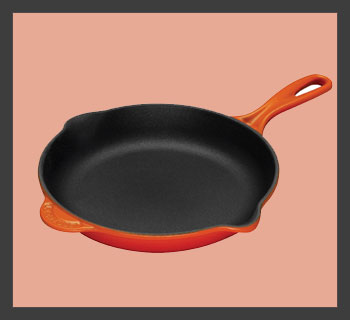
Le Creuset sets the gold standard with superior enamel adhesion and thick cast iron.
No chipping issues, even heat mastery.
Colors vibrant forever, lifetime warranty.
You invest in heirloom quality.
Le Creuset excels in bread baking—no burning, perfect crusts.
Durability unmatched.
While Brandani mimics looks cheaply, Le Creuset delivers performance consistently.
You choose it for lifelong reliability.
- Brandani Dutch Oven Vs. Staub Dutch Oven
Staub features self-basting lids and dark interior hiding stains.
Excellent searing, heat distribution.
Thicker build prevents hot spots.
You get professional results.
Staub handles high heat without fear.
Enamel tough, chips rare.
Brandani pales in longevity and evenness.
Staub preferred by chefs for precision.
You pay more for excellence.
- Brandani Dutch Oven Vs. Lodge Dutch Oven
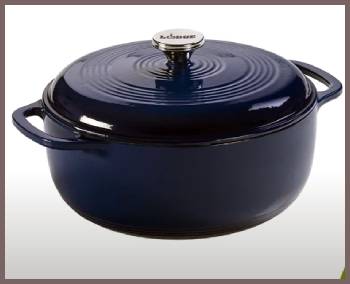
Lodge offers unbeatable value in enameled cast iron.
Thick, durable, even heating.
Made in USA, affordable yet reliable.
You trust it for daily abuse.
Lodge rarely chips, burns less.
Pre-seasoned options available.
Brandani’s lighter build can’t compete.
Lodge wins for budget durability.
You pick it confidently.
- Brandani Dutch Oven Vs. Made In Dutch Oven
Made In crafts premium enameled with smooth interiors.
Superior heat control, no sticking.
Professional-grade thickness.
You achieve restaurant results.
Made In resists wear beautifully.
Warranty solid.
Brandani feels entry-level beside it.
Made In balances price and quality perfectly.
You upgrade happily.
- Brandani Dutch Oven Vs. Tramontina Dutch Oven
Tramontina provides strong value with even performance.
Durable enamel, good retention.
Wide color range.
You rely on it consistently.
Tramontina handles braises flawlessly.
Less burning reported.
Brandani’s issues highlight Tramontina’s superiority.
You choose it for dependable affordability.
Overall, these brands outperform in durability and cooking.
You see Brandani’s appeal fades against them.
Frequently Asked Questions (FAQs)
Yes, typically up to 500°F with metal knob models.
Check your unit—safe for most baking and braising.
Top picks include Le Creuset for premium, Staub for basting, Lodge for value.
Consistency and durability define best.
Brandani is an Italian-designed brand, with manufacturing varying—often overseas for cost.
Kitchenware focused on style and affordability.
Enameled cast iron avoids direct contact, generally safe without PFOA or lead.
Chipping exposes iron, but no major toxin concerns reported.
Final Thoughts
After extensive use and comparison, Brandani offers initial appeal but suffers from chipping, uneven heat, and short lifespan.
You deserve better reliability.
Explore established brands for lasting performance.
Save frustration—choose proven options.